Golden Glow — History & Analysis
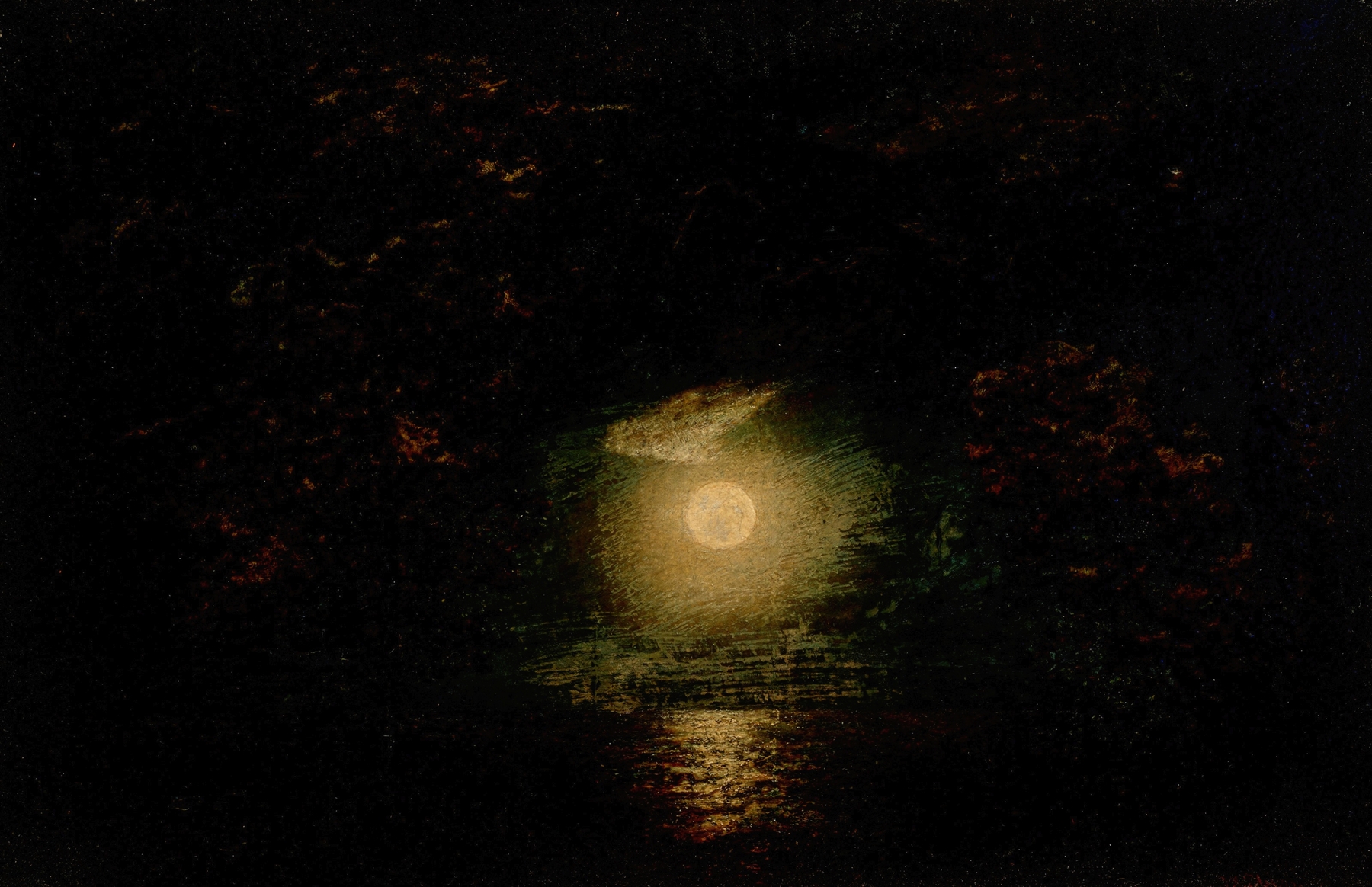
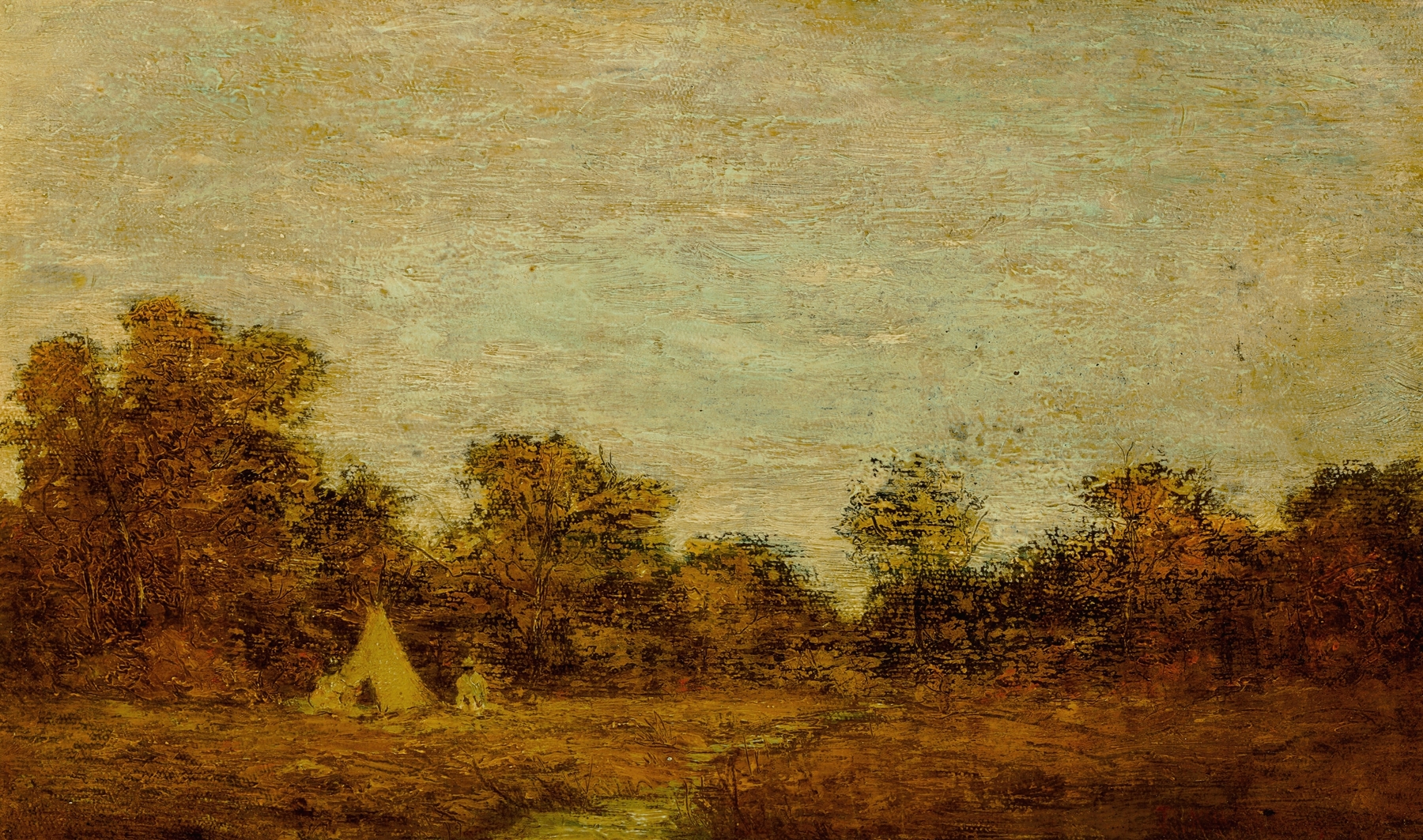
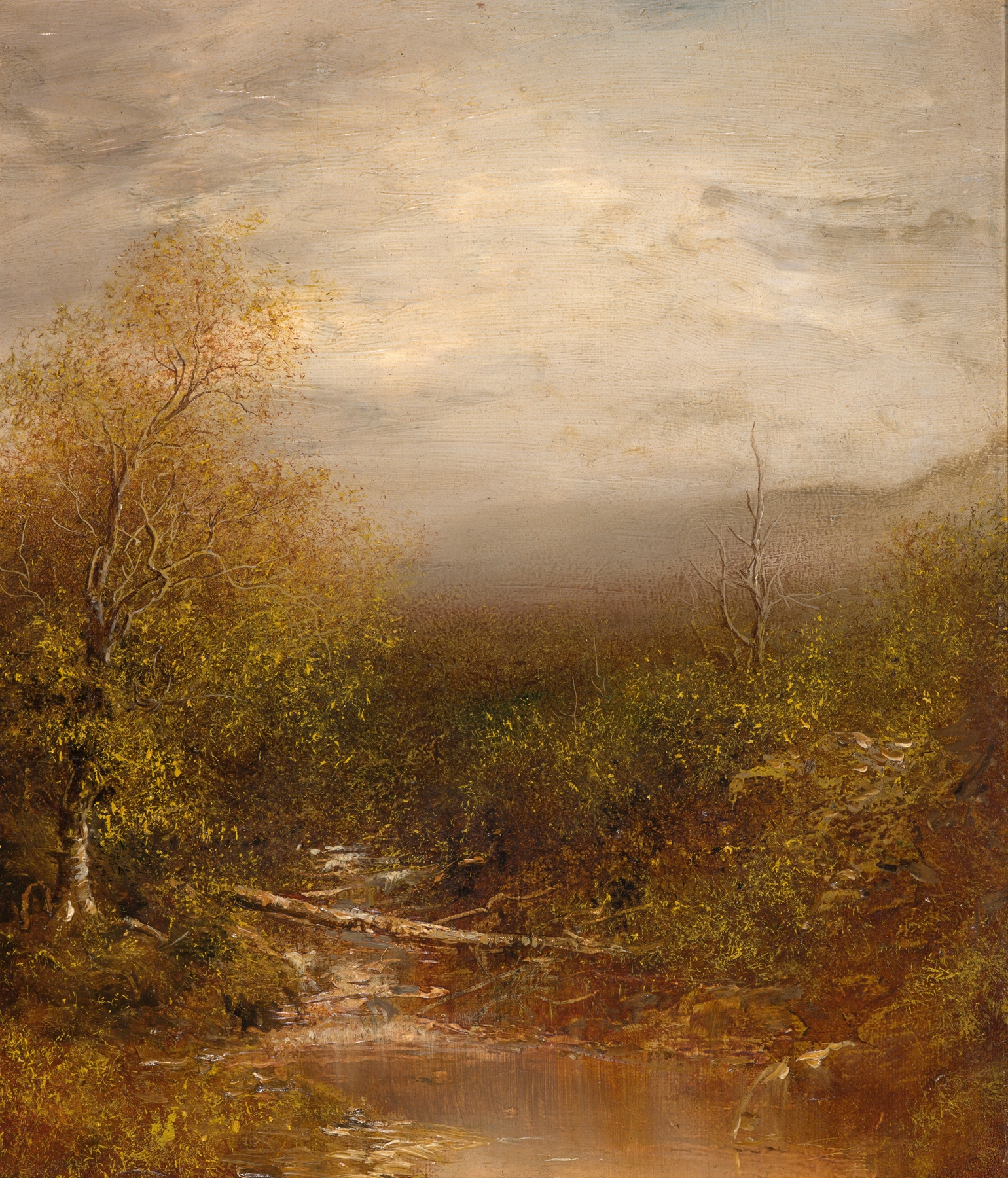
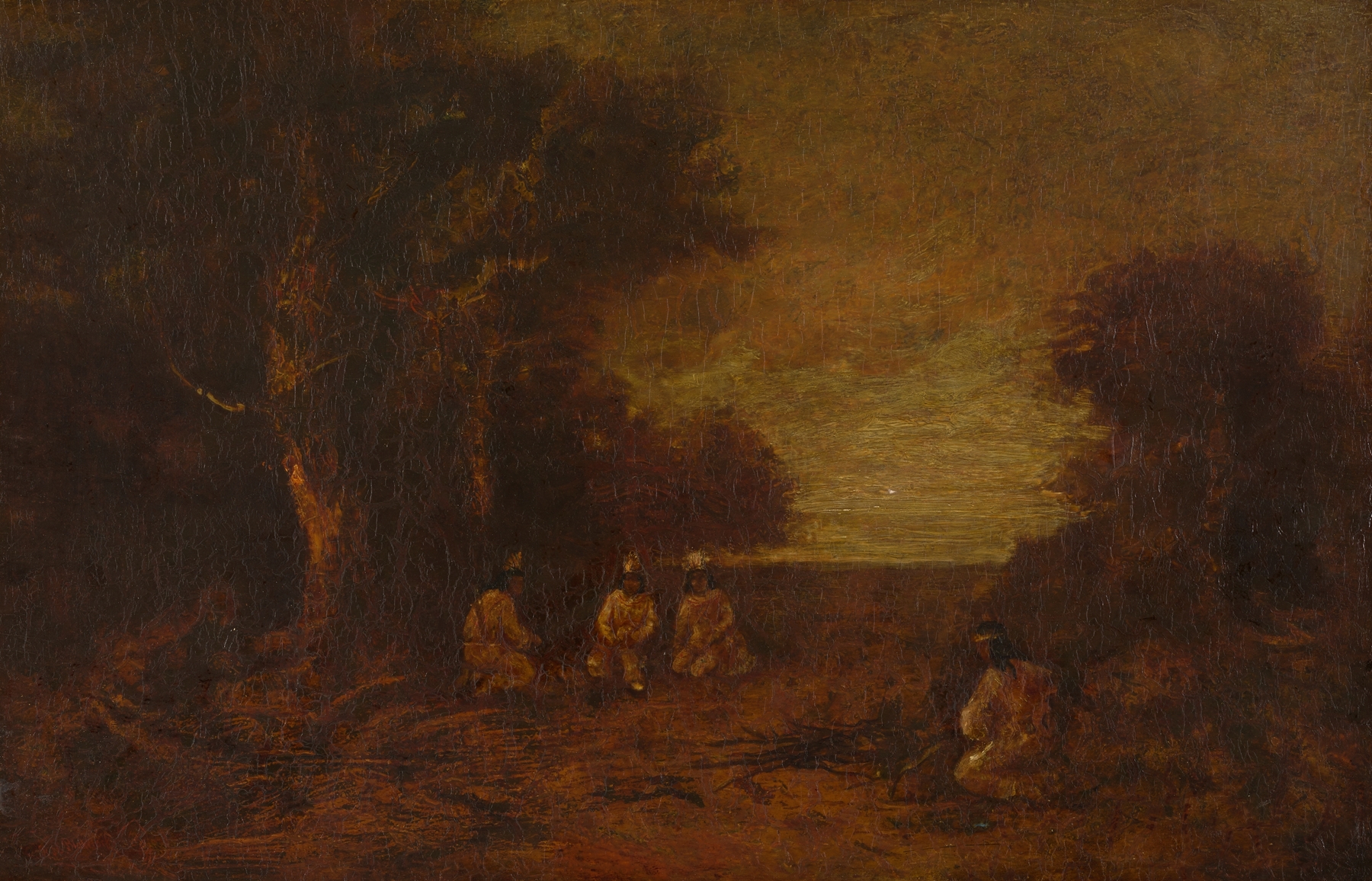
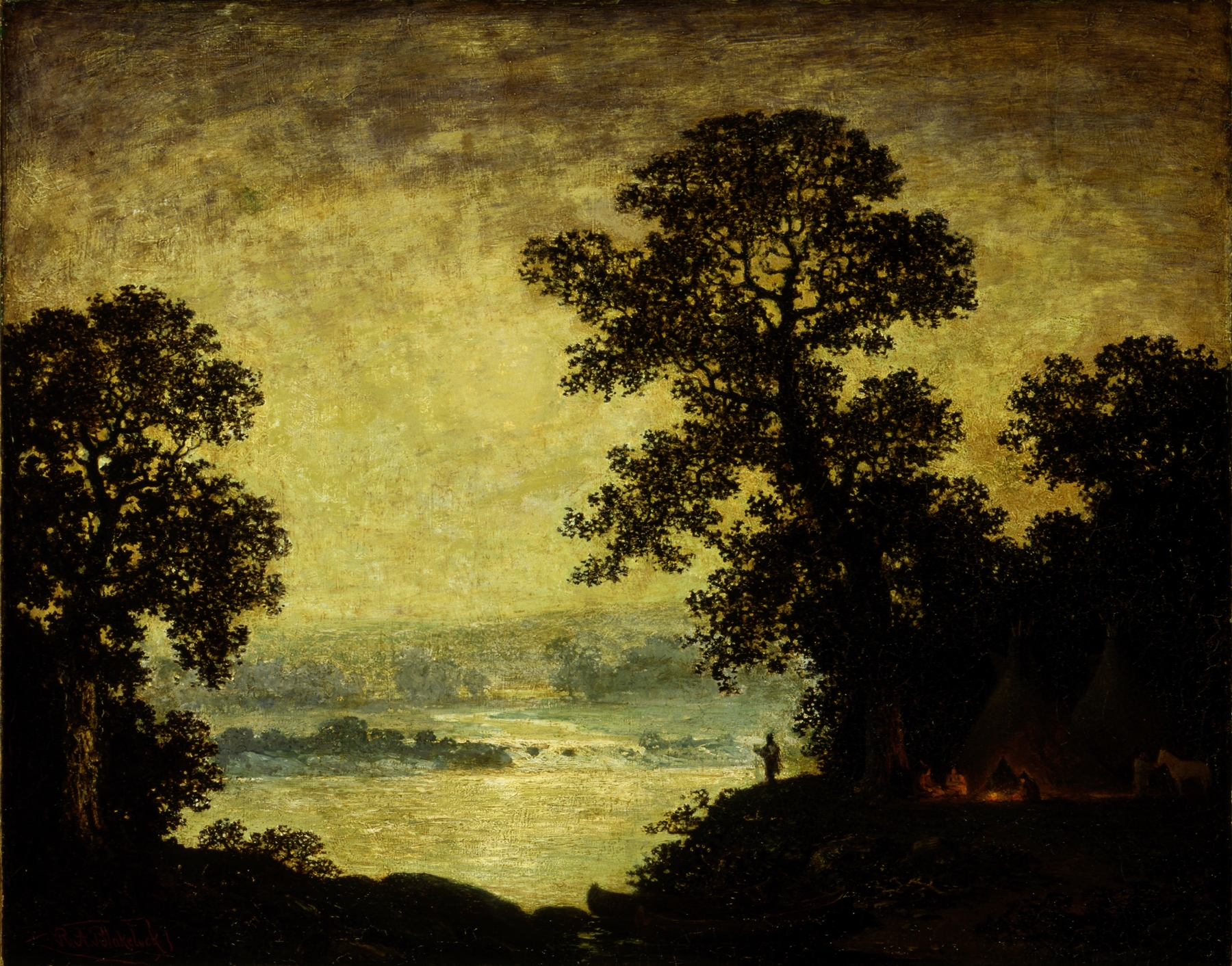
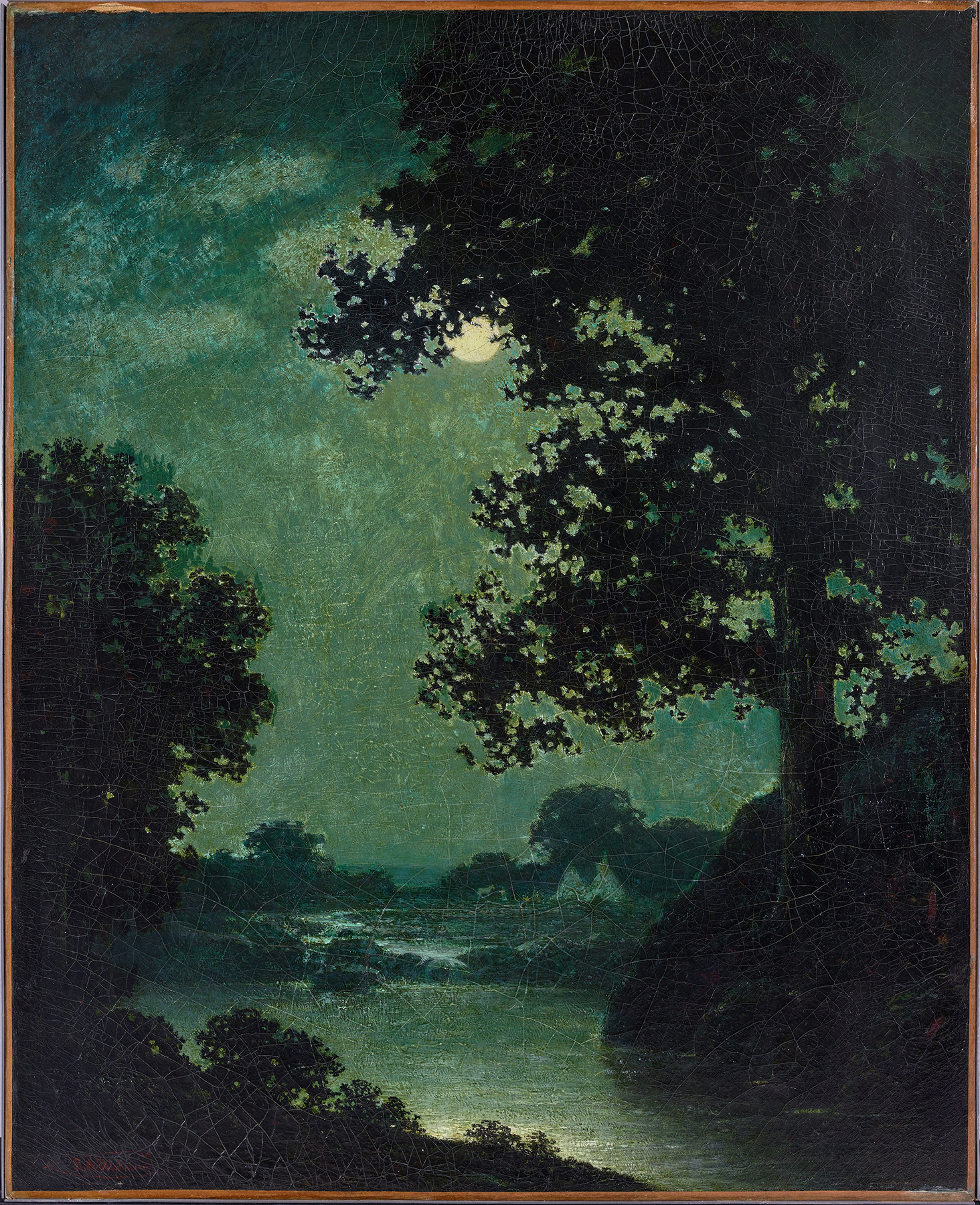
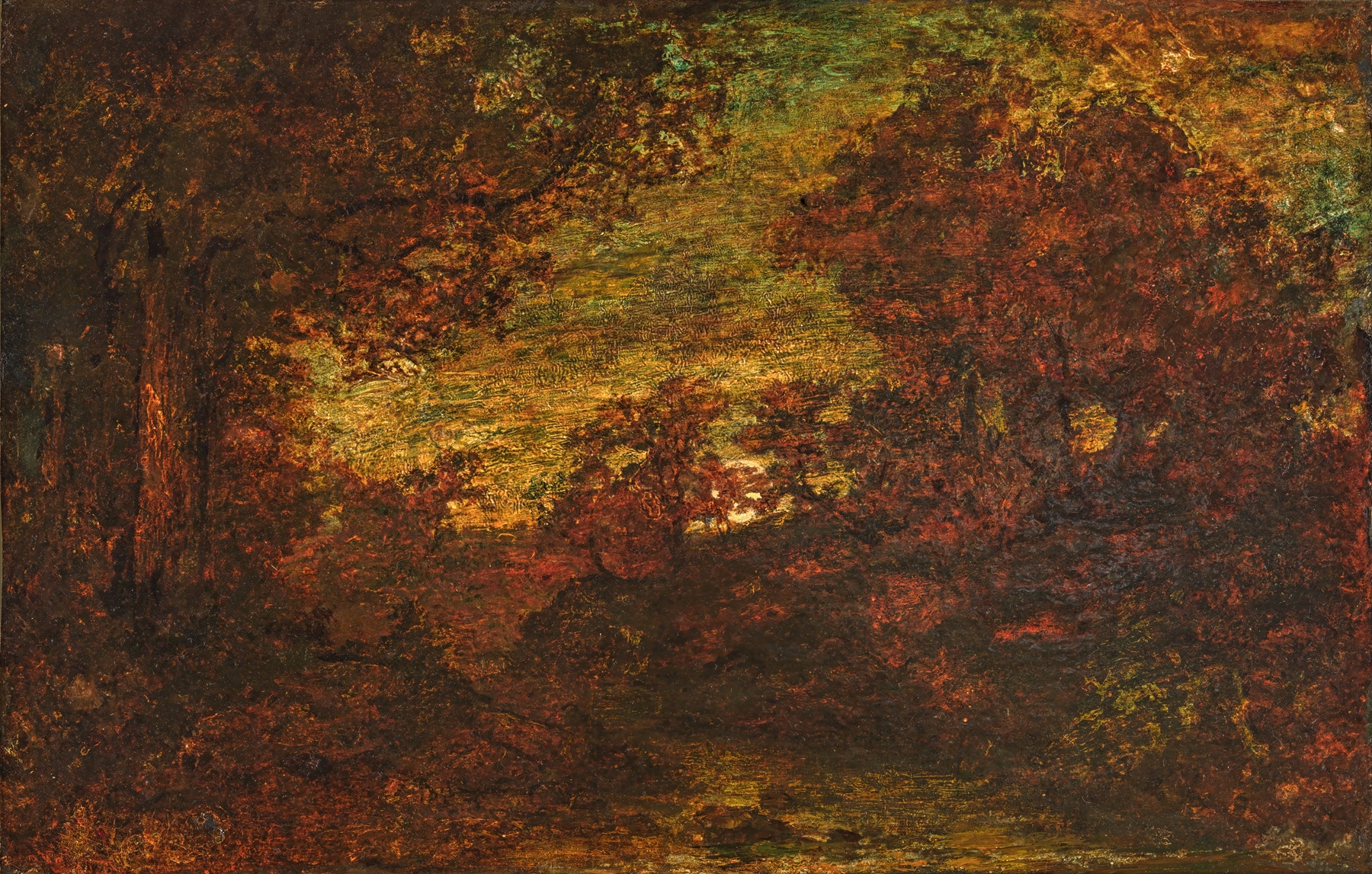
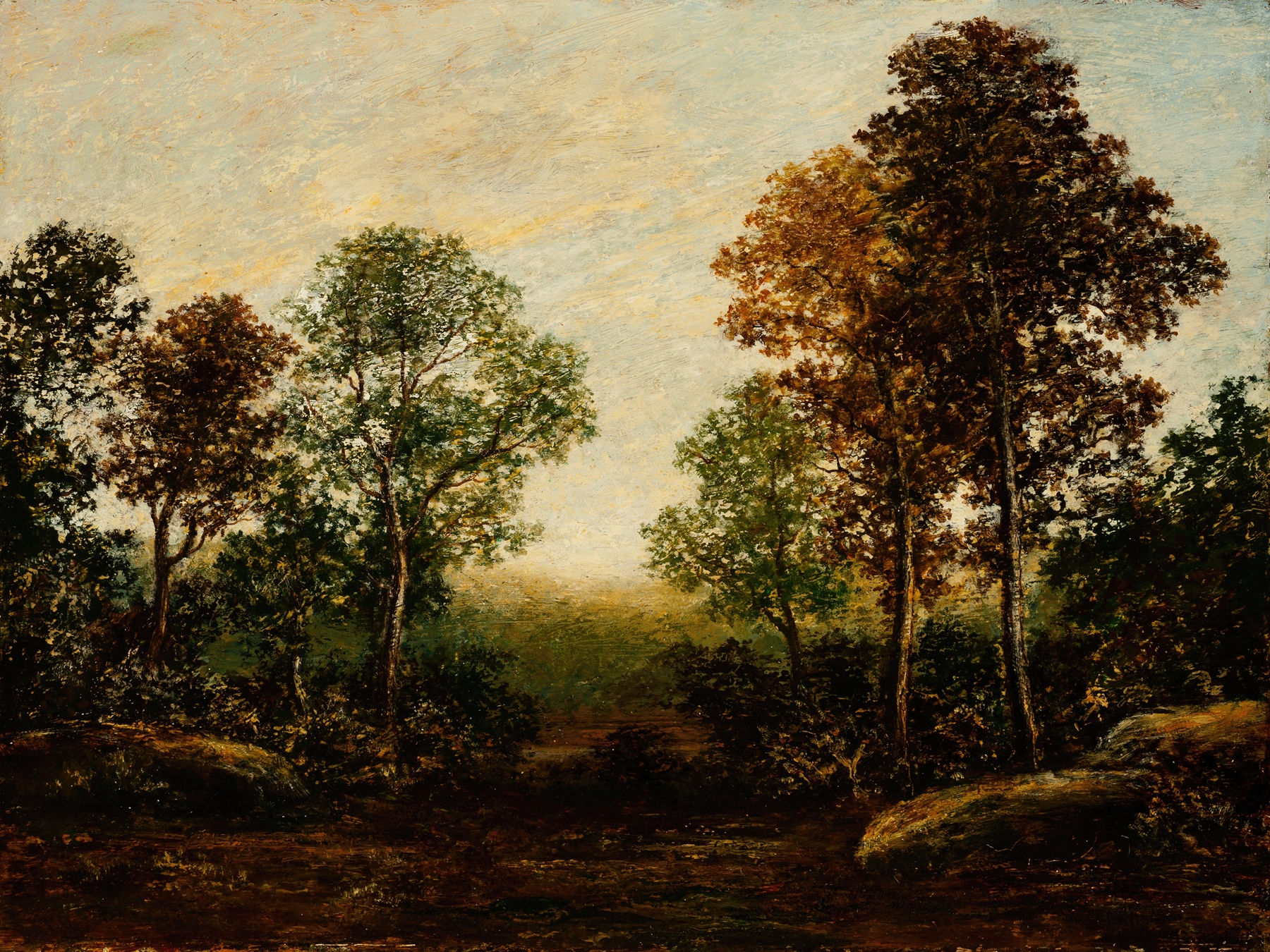
Who listens when art speaks of silence? In Golden Glow, the quiet resonance of memories unfolds before our eyes, inviting introspection and contemplation. Focus on the luminous expanse that dominates the canvas; the golden hues wash over a landscape that seems to pulsate with warmth. Note how the light filters through the trees, creating a soft, diffused glow that dances upon the surface of the water like a fleeting memory.
The brushwork is loose yet deliberate, capturing the essence of a moment suspended in time, urging us to linger in its embrace. As you delve deeper, consider the interplay between light and shadow, which symbolizes the contrast of joy and sorrow intertwined in our recollections. The solitary figure in the foreground, almost lost in the vastness, evokes a sense of longing and solitude. This emotional tension amplifies the theme of memory, suggesting that what we hold dear is often tinged with both beauty and melancholy.
Ralph Albert Blakelock painted Golden Glow during a period of personal and professional struggle, likely in the late 19th century. Living in New York, he faced a tumultuous life marked by financial difficulties and mental health issues, yet he sought solace in nature's quiet beauty. At this time, American art was evolving, with artists increasingly embracing the romantic and the sublime, allowing Blakelock’s reflective landscapes to emerge as poignant articulations of the human experience amidst the shifting tides of modernity.