Grand Canal, Amsterdam: Nocturne — History & Analysis
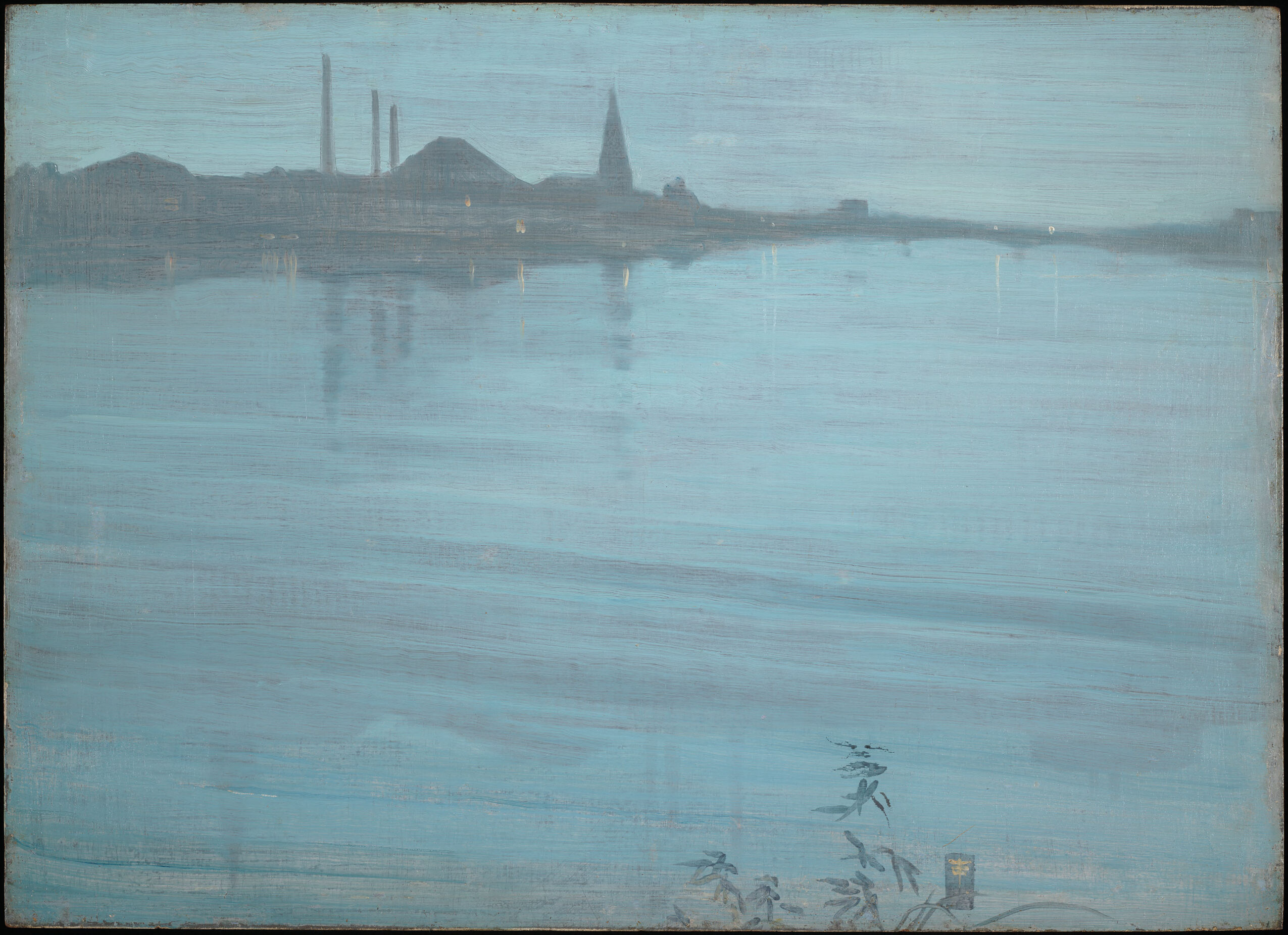
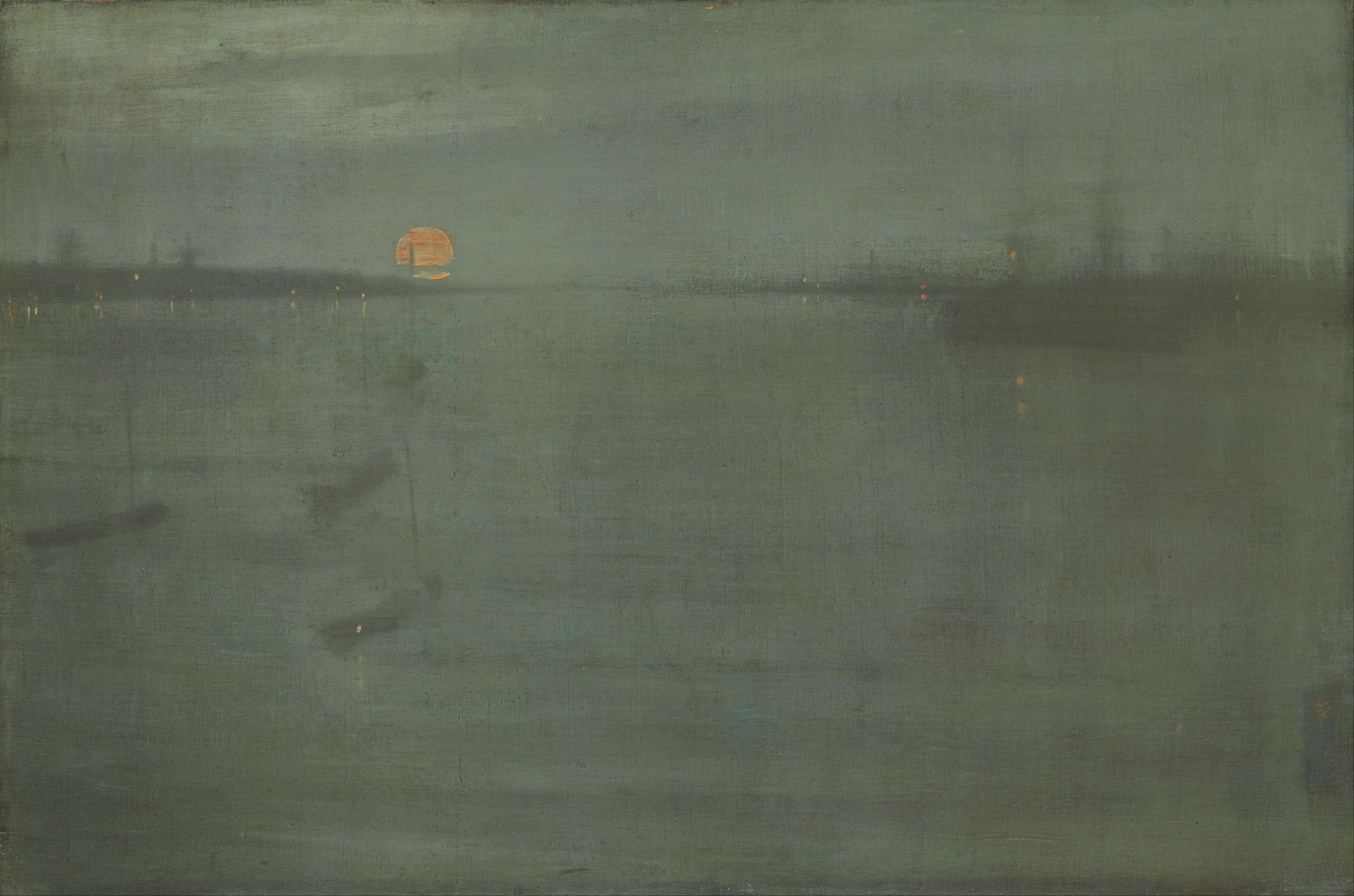
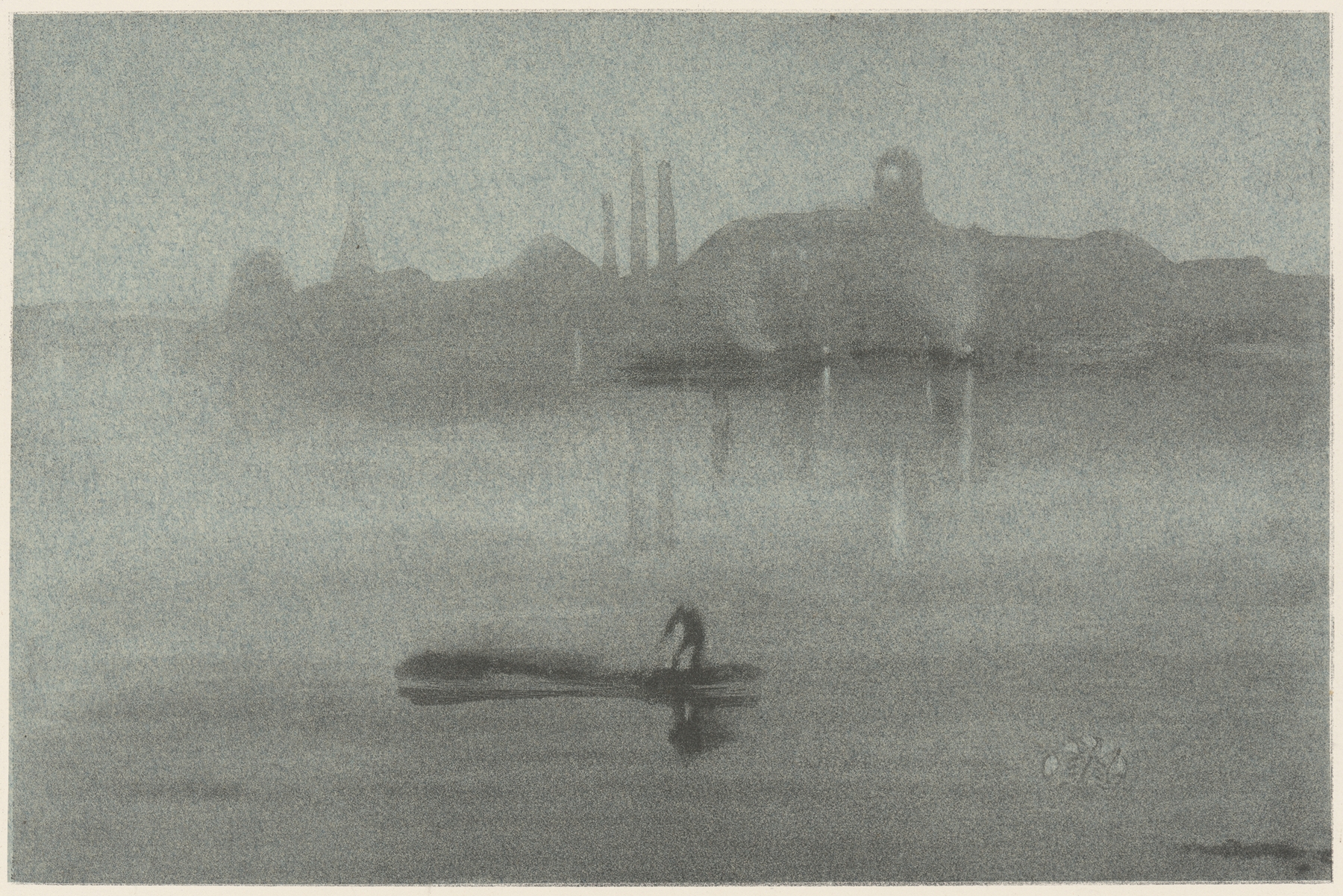
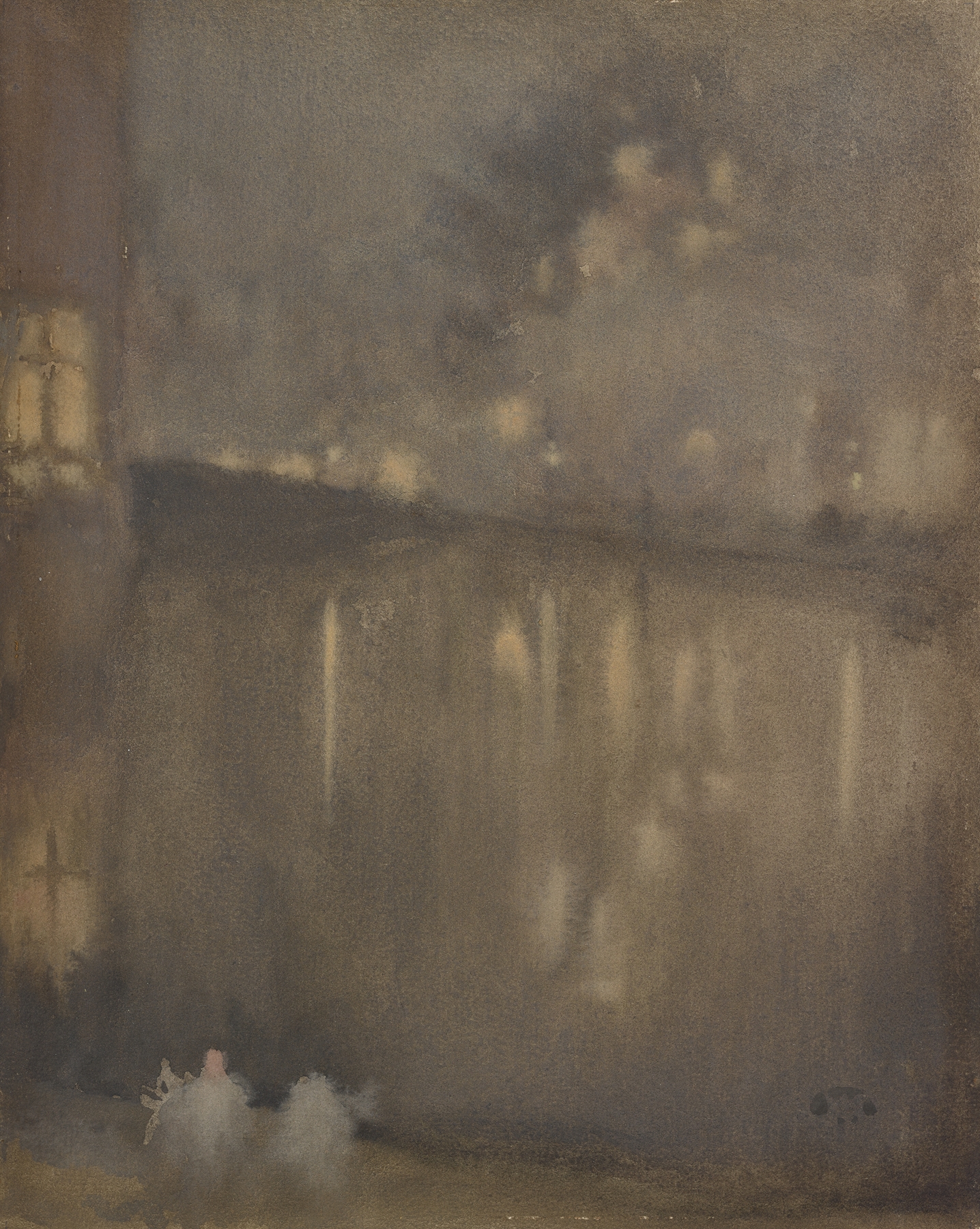
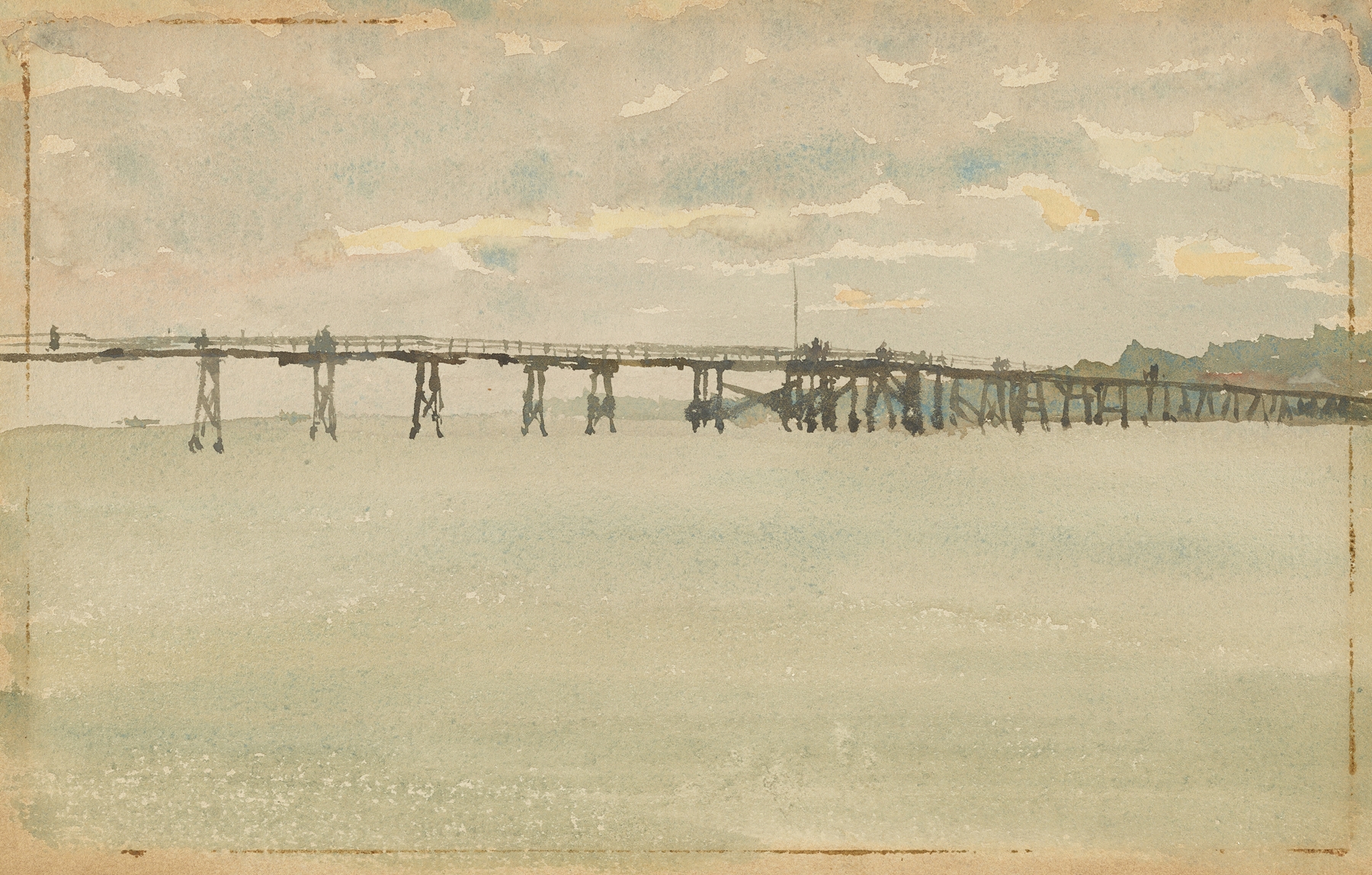
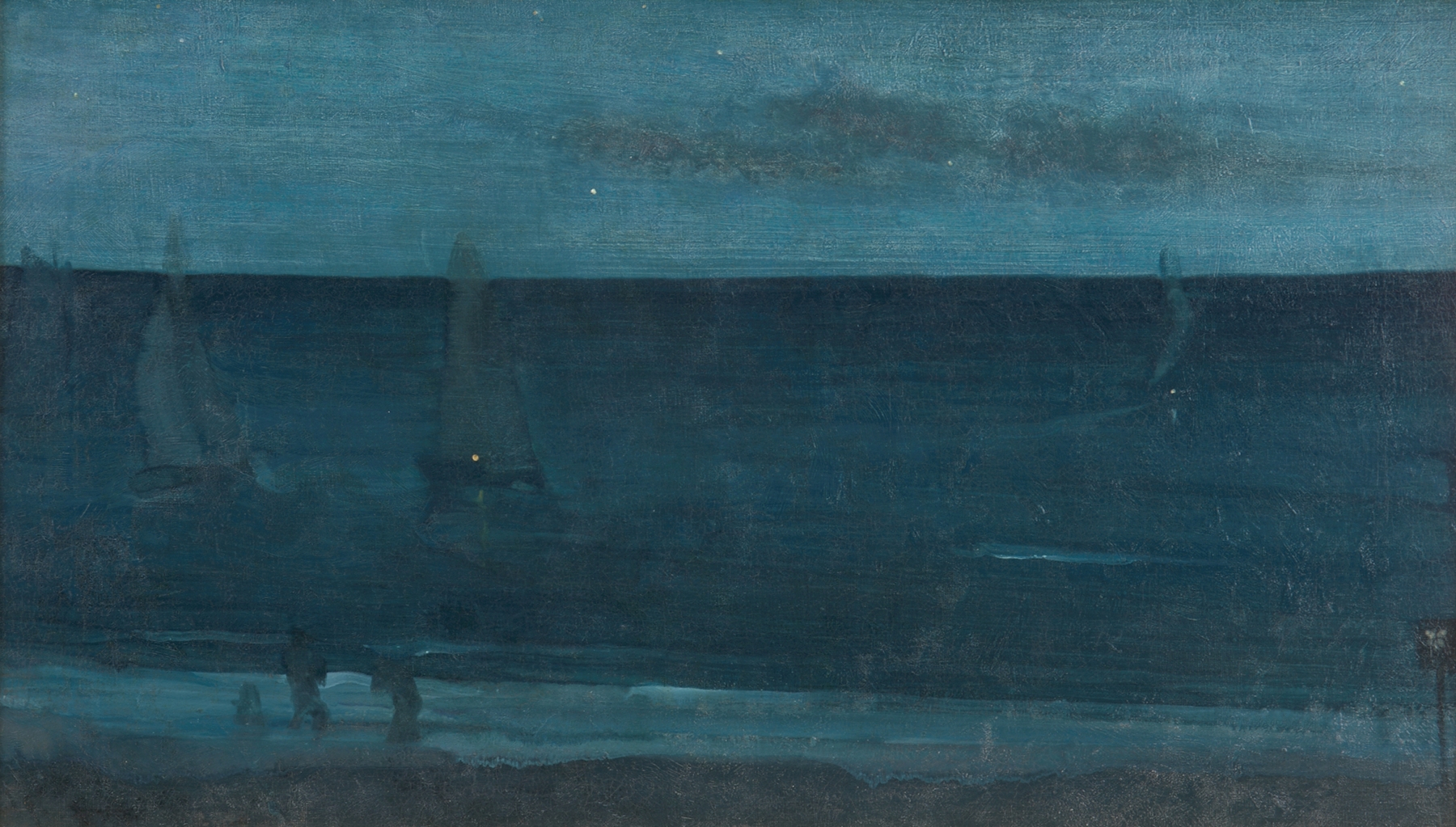
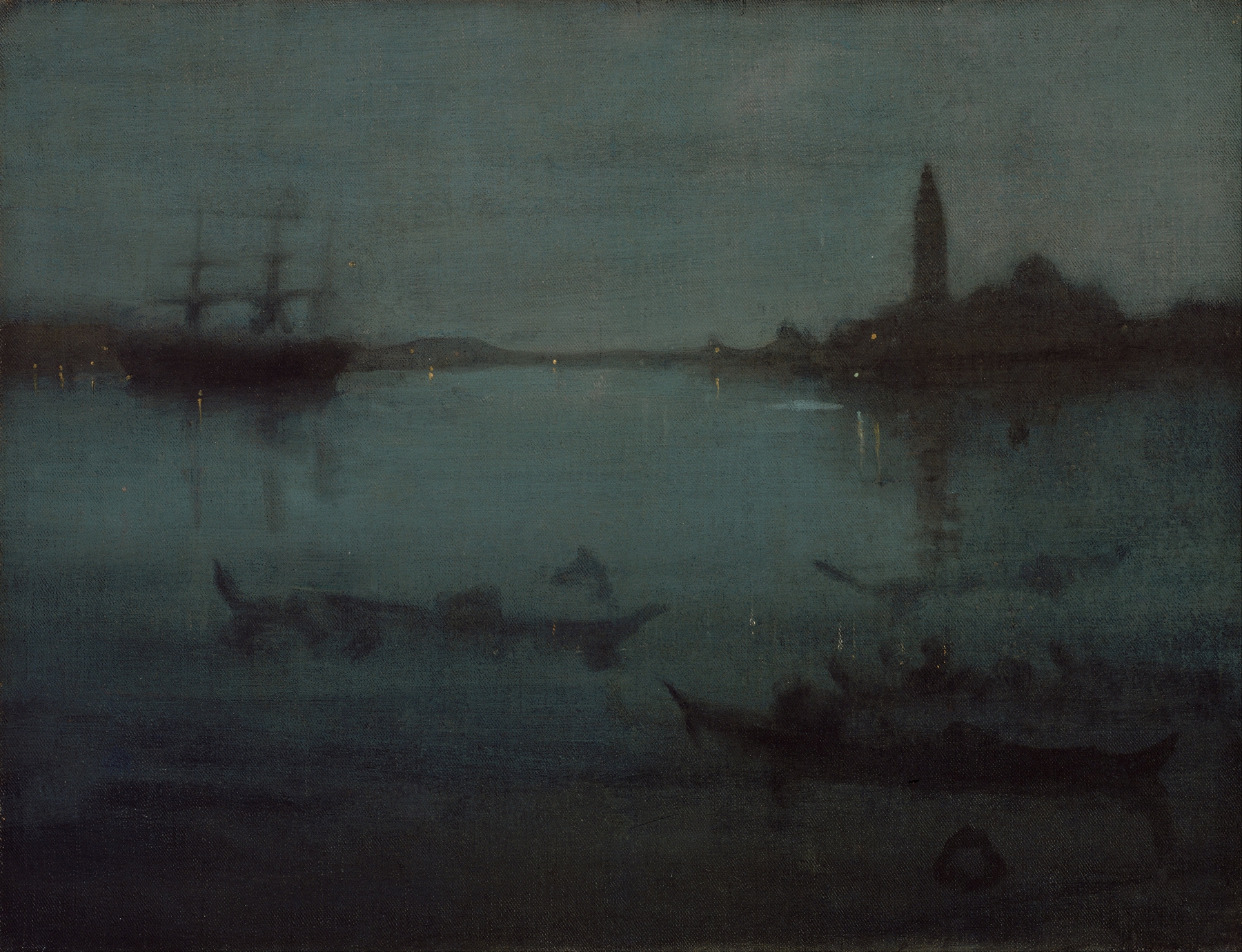
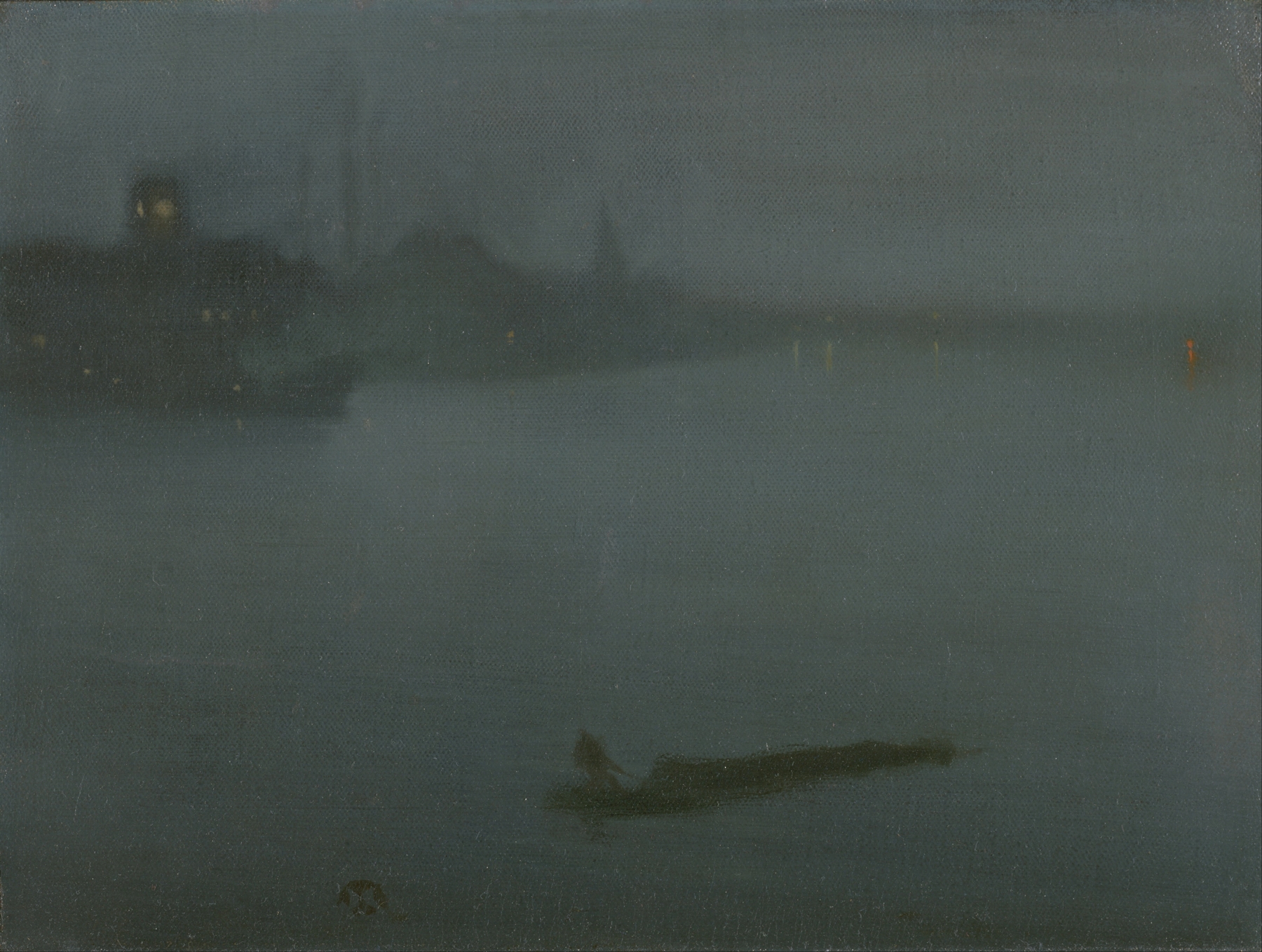
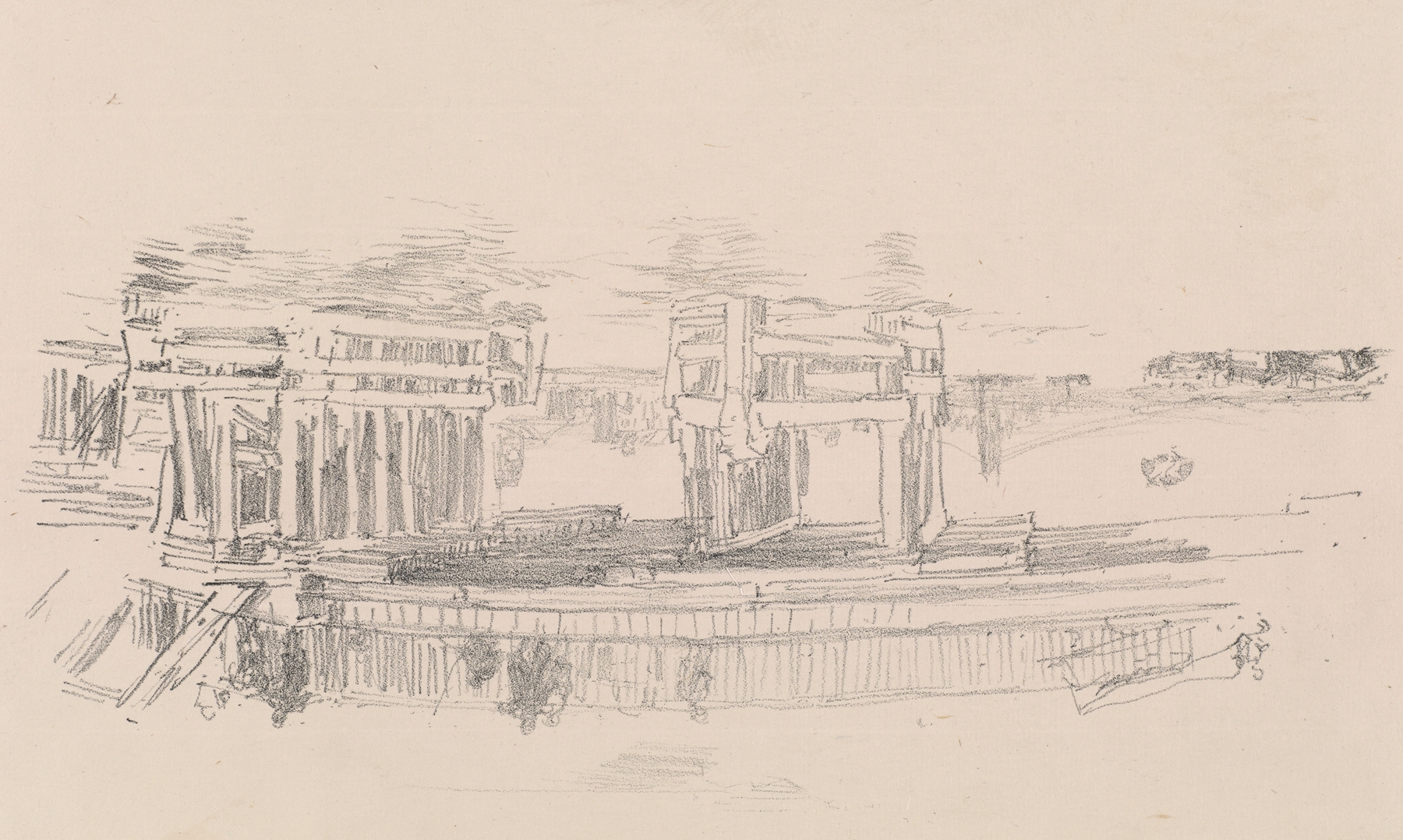
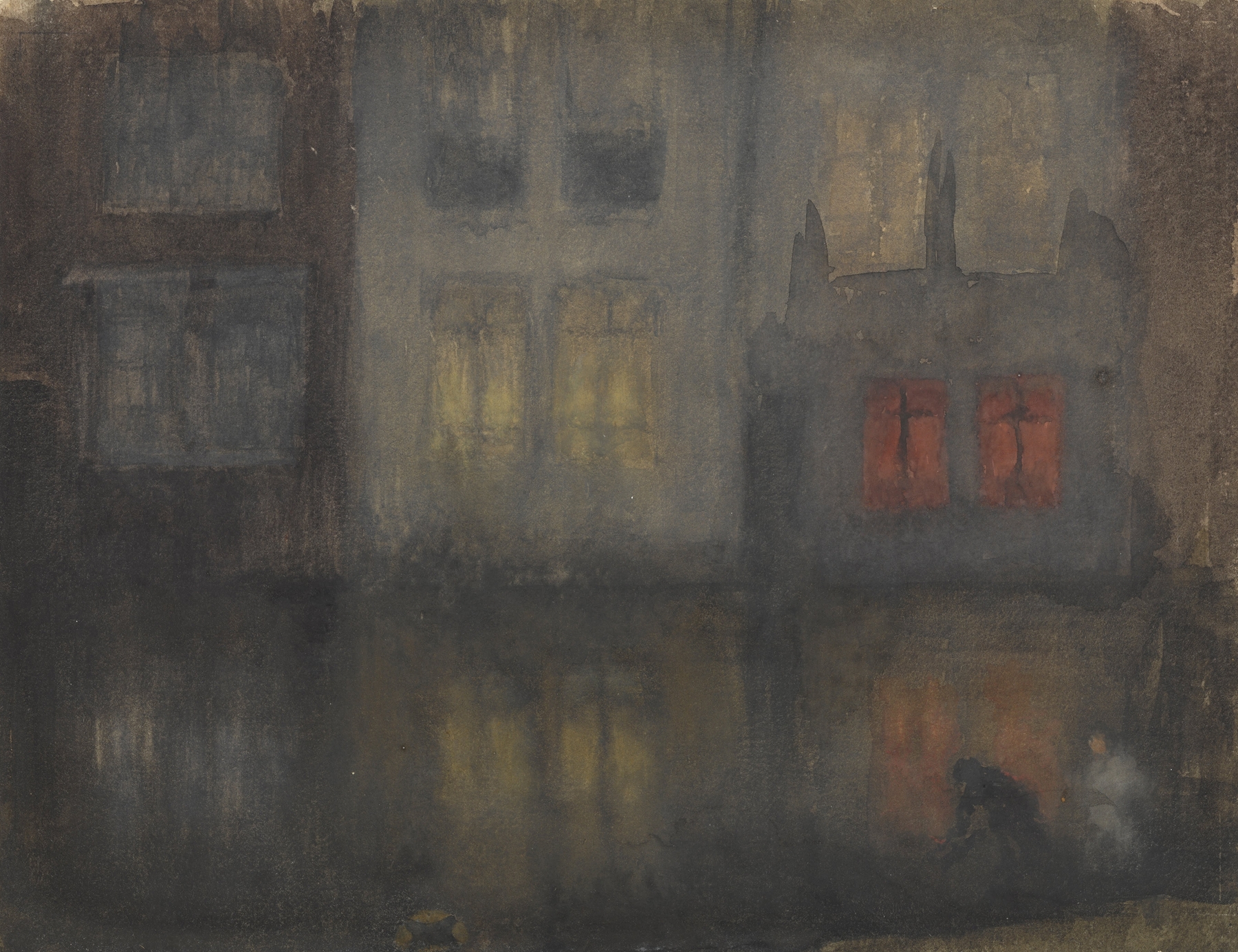
“Art reveals the soul when the world turns away.” In the stillness of a moonlit night, a quiet intimacy unfolds. Beneath the surface of the water, reflections dance and shimmer, whispering secrets of innocence lost yet found. Look to the left at the gentle curve of the canal, where soft strokes of blue and gray meld into one another. The delicate interplay of lighter and darker hues suggests a fleeting moment, as the city seemingly breathes with life.
Notice how the light glints off the water, illuminating the silhouettes of boats like fleeting memories, urging you to explore the depths of this nocturnal reverie. In this nocturne, contrasts abound—between the serene stillness of the water and the vibrant life that thrives just beyond the canvas. The quietude invites contemplation, creating a space where innocence can be rediscovered amidst the bustling sounds of a city. Whistler captures a moment that reflects the essence of human experience: the tension between solitude and connection, the beauty of both presence and absence.
Completed in 1882 while Whistler lived in London, Grand Canal, Amsterdam: Nocturne emerged during a pivotal time in his career, marked by his exploration of tonal harmony and atmospheric effects. The artist navigated a complex art world where he was both celebrated and challenged, pushing boundaries of aesthetics. This piece, rooted in the tradition of nocturne painting, is a testament to his innovative spirit and the captivating power of light and color.