Grotte im Park Weimar — History & Analysis
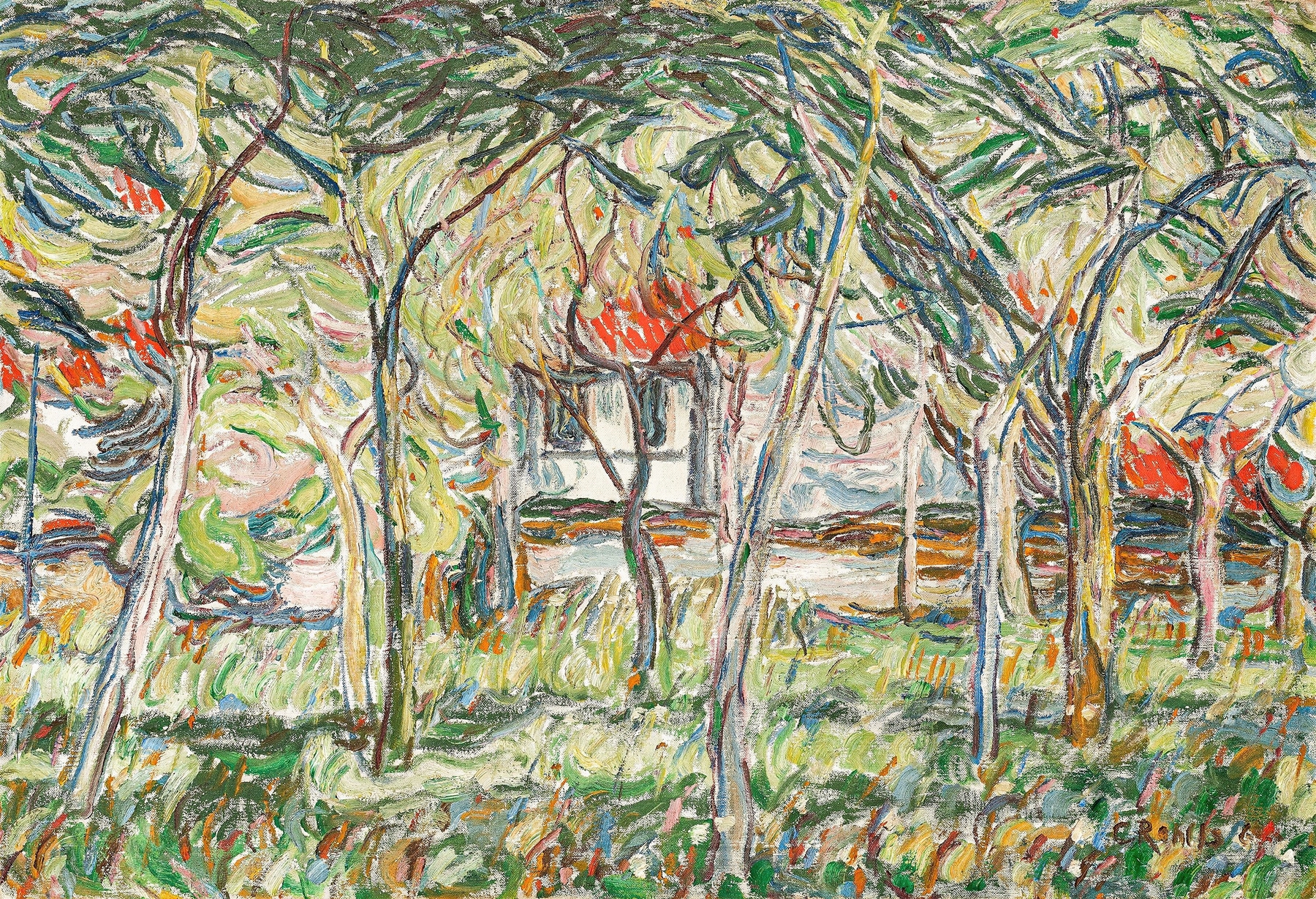
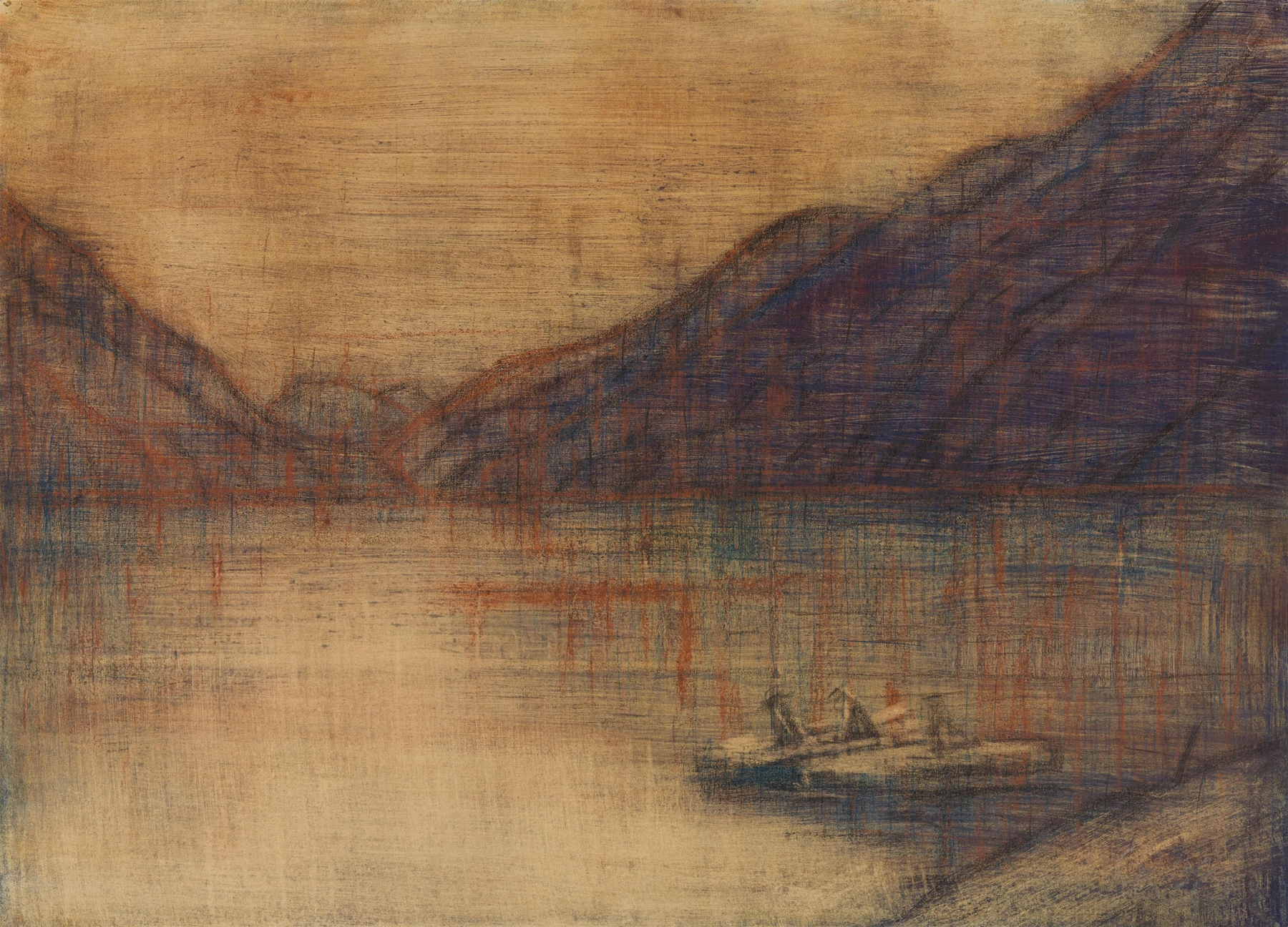
“Sometimes beauty is just pain, disguised in gold.” In the realm of art, movement transcends mere motion, becoming an emotional pulse that resonates deep within us. Look to the left at the intricately layered textures of the rock formations, where a subtle interplay of light and shadow invites you into a hidden cave. The rich, earthy tones of browns and greens envelop the canvas, while flecks of vibrant gold suggest hidden treasures waiting to be discovered. This masterful layering not only evokes the raw beauty of nature but also draws the viewer into the intimate space of the grotto, inviting contemplation.
As your gaze shifts, notice the contrasting elements within the composition—the dark, craggy edges of the cave juxtaposed against the luminous glow that spills from within. This duality hints at the tension between confinement and liberation, creating a dialogue between the visible and the concealed. The rhythmic movement of the brushstrokes embodies a sense of life, suggesting that even in darkness, there is an undercurrent of vibrancy and hope.
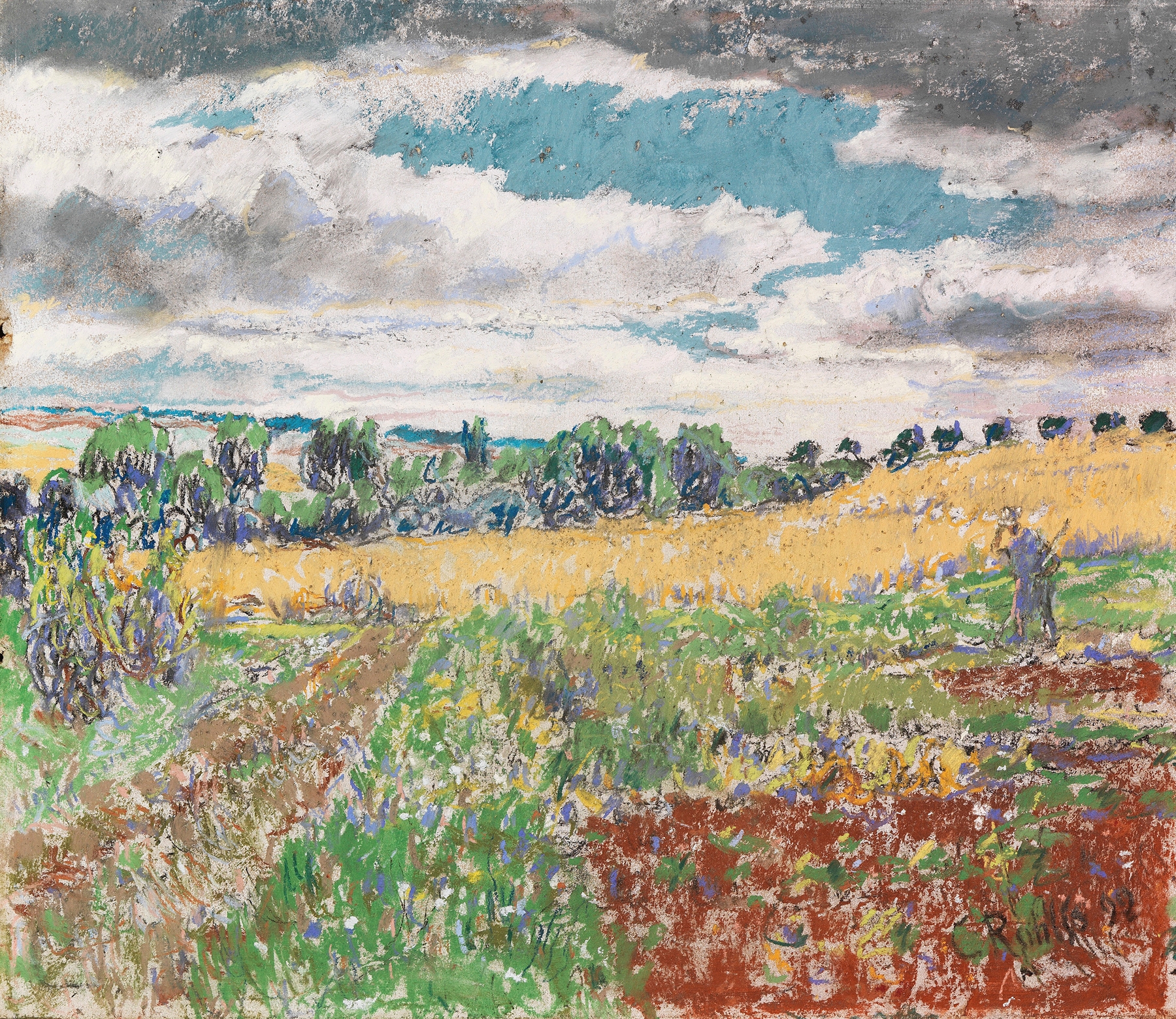
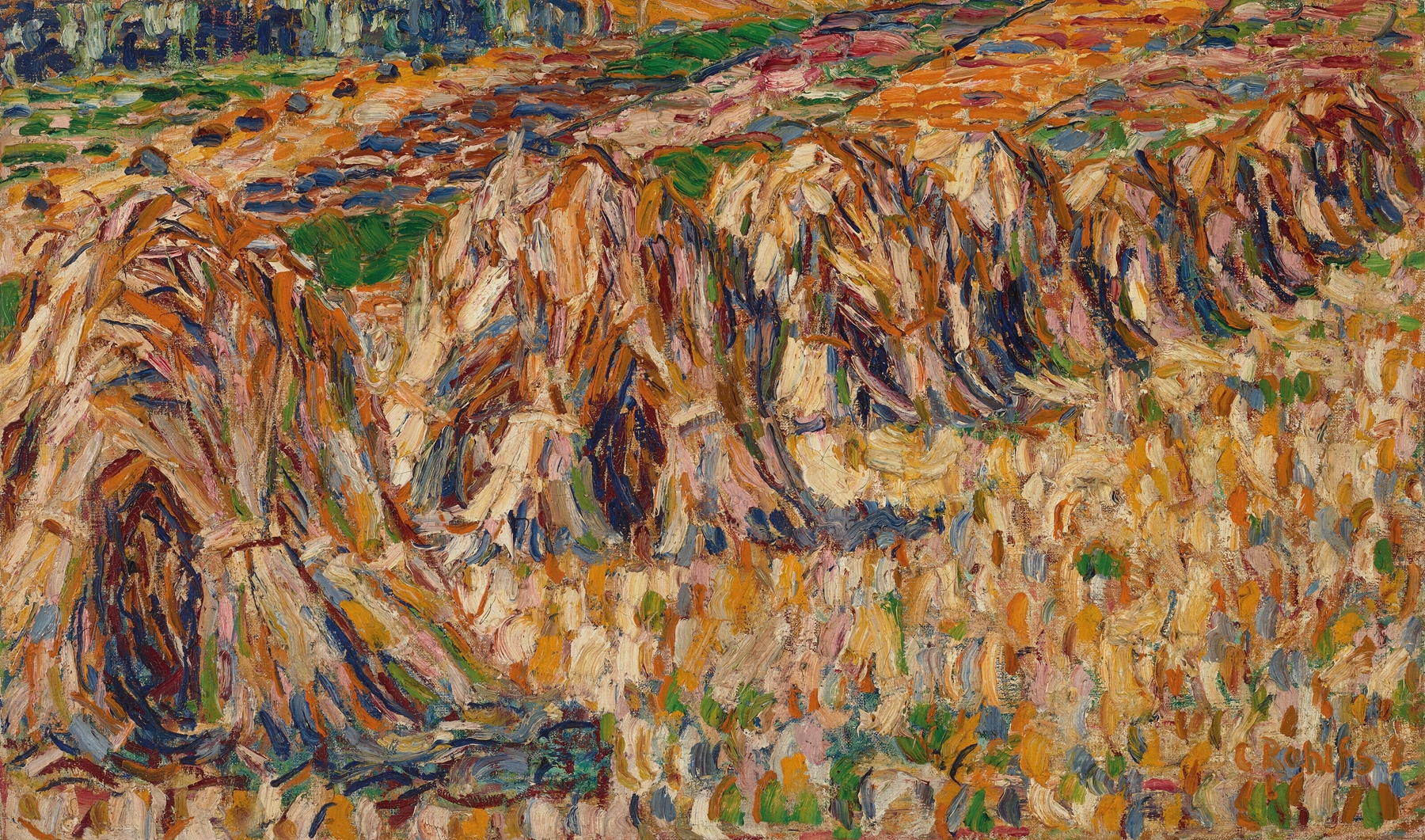
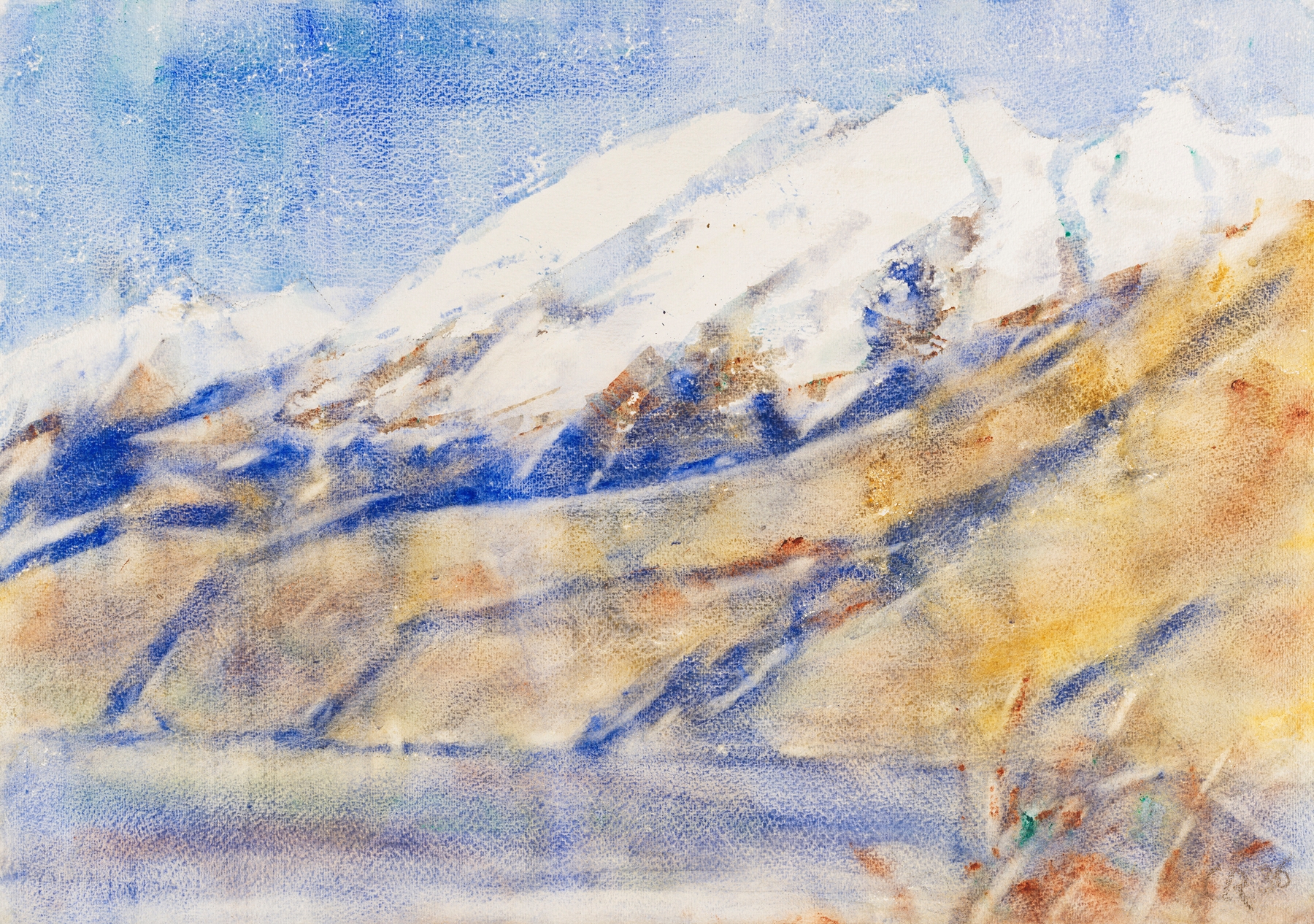
In 1894, Christian Rohlfs created this piece during a pivotal time in the German art scene, marked by a shift towards expressionism and a growing emphasis on emotional authenticity. As he settled in Weimar, Rohlfs was exploring the boundaries of form and color, reflecting his personal journey amidst the changing tides of modernity. His connection to nature and deep appreciation for its complexities are vividly encapsulated in this work, where movement and stillness coalesce, revealing the profound beauty hidden within the shadows.