Grove of Trees — History & Analysis
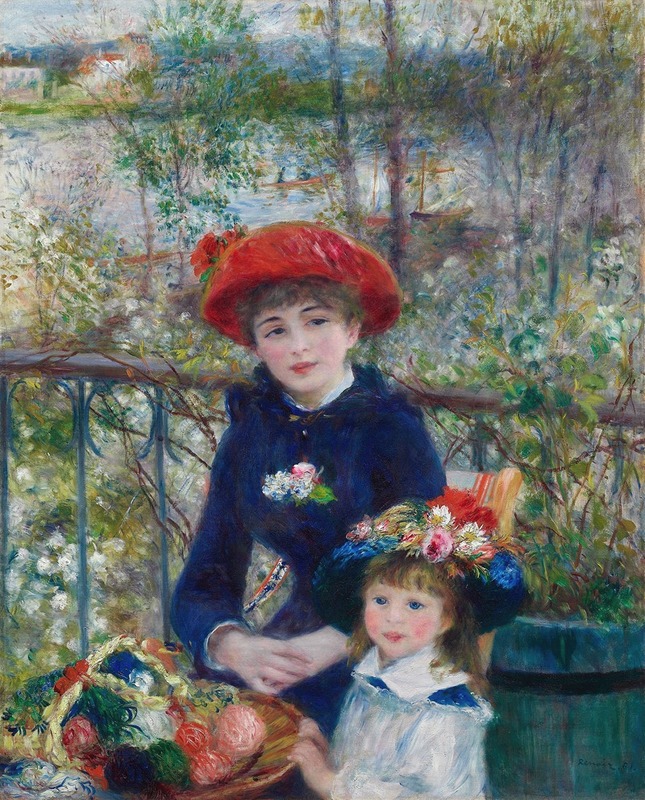
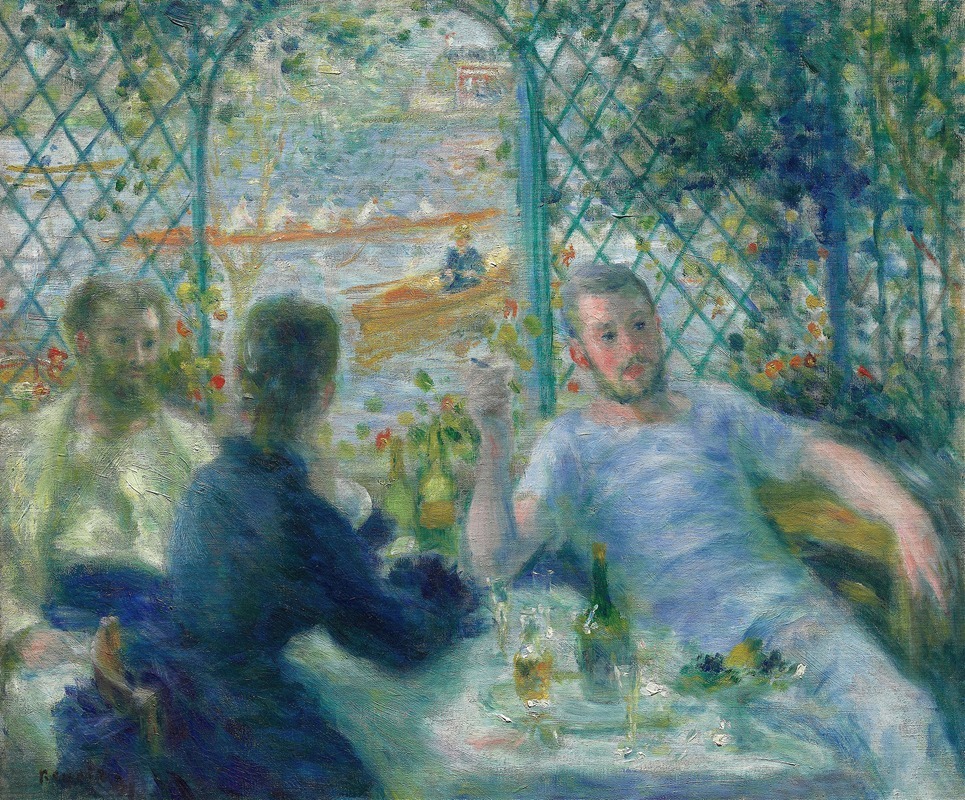
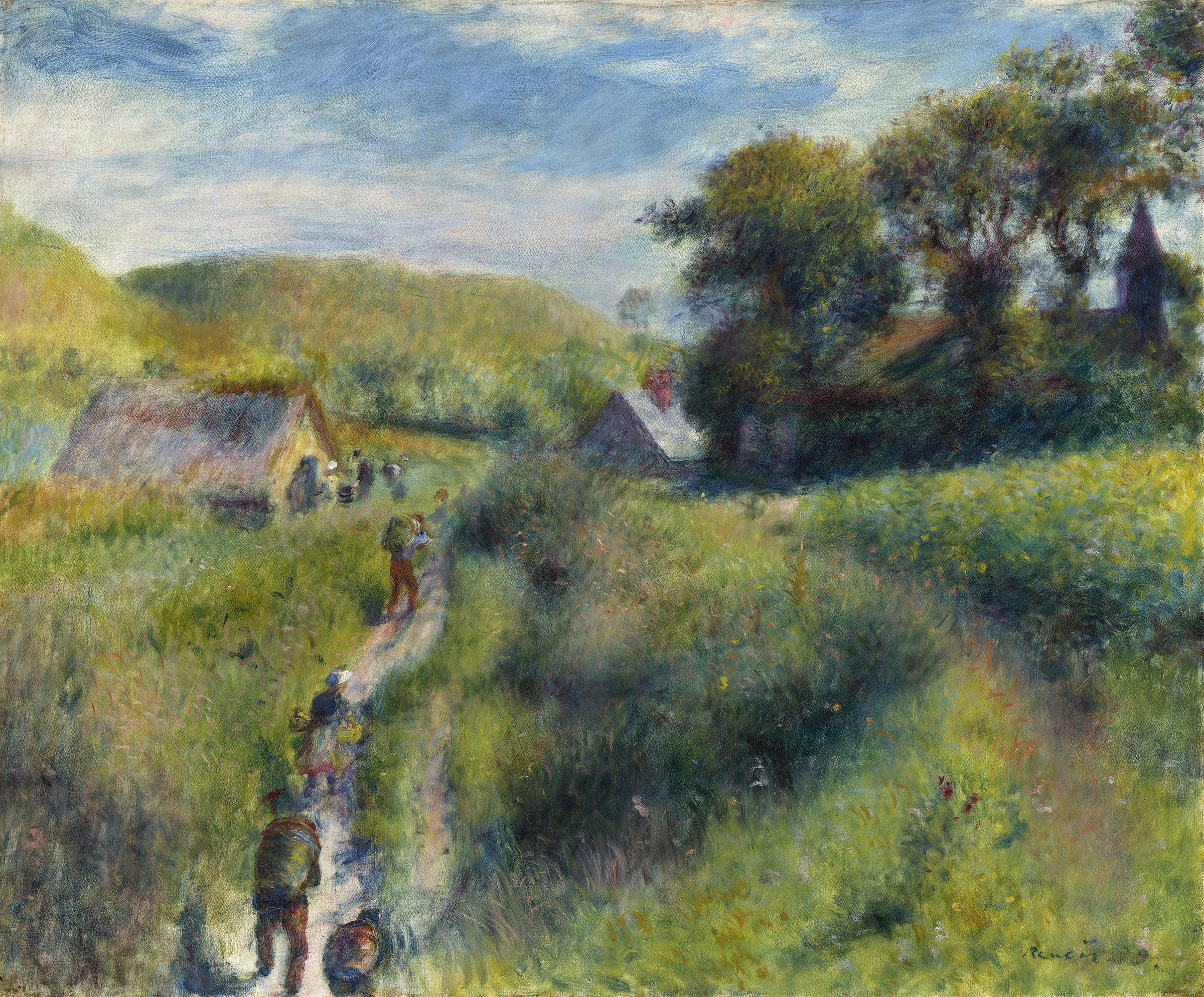
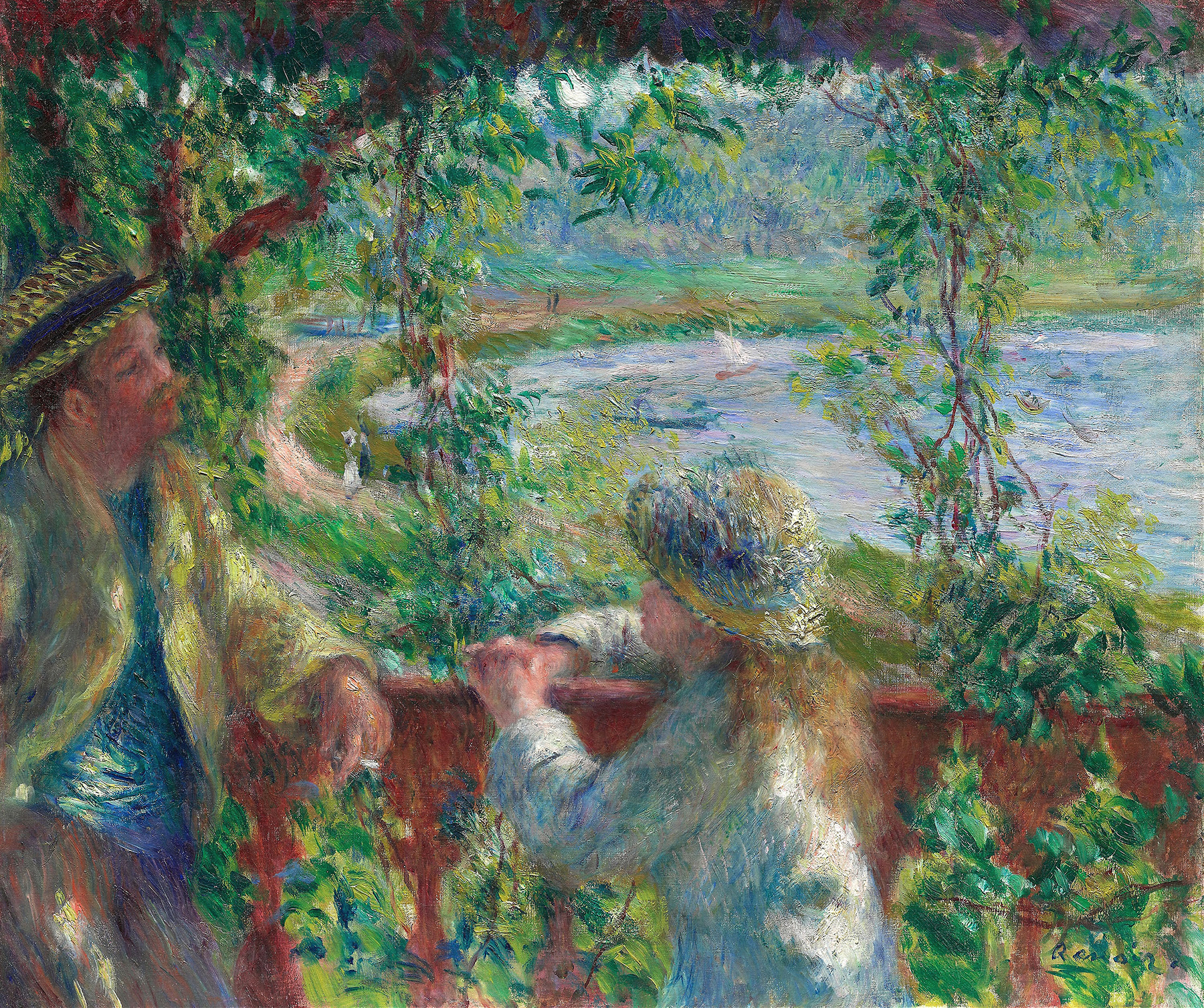
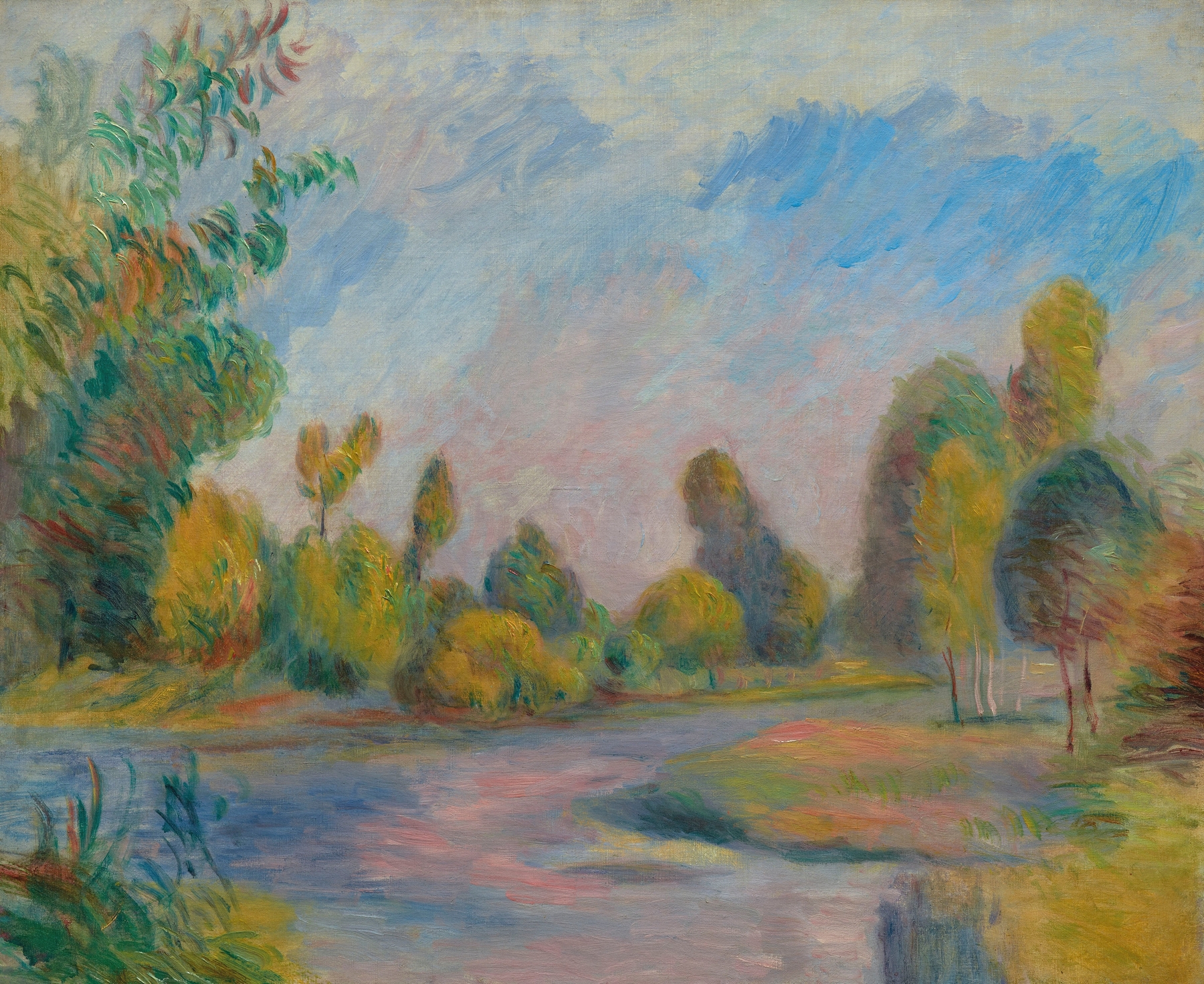
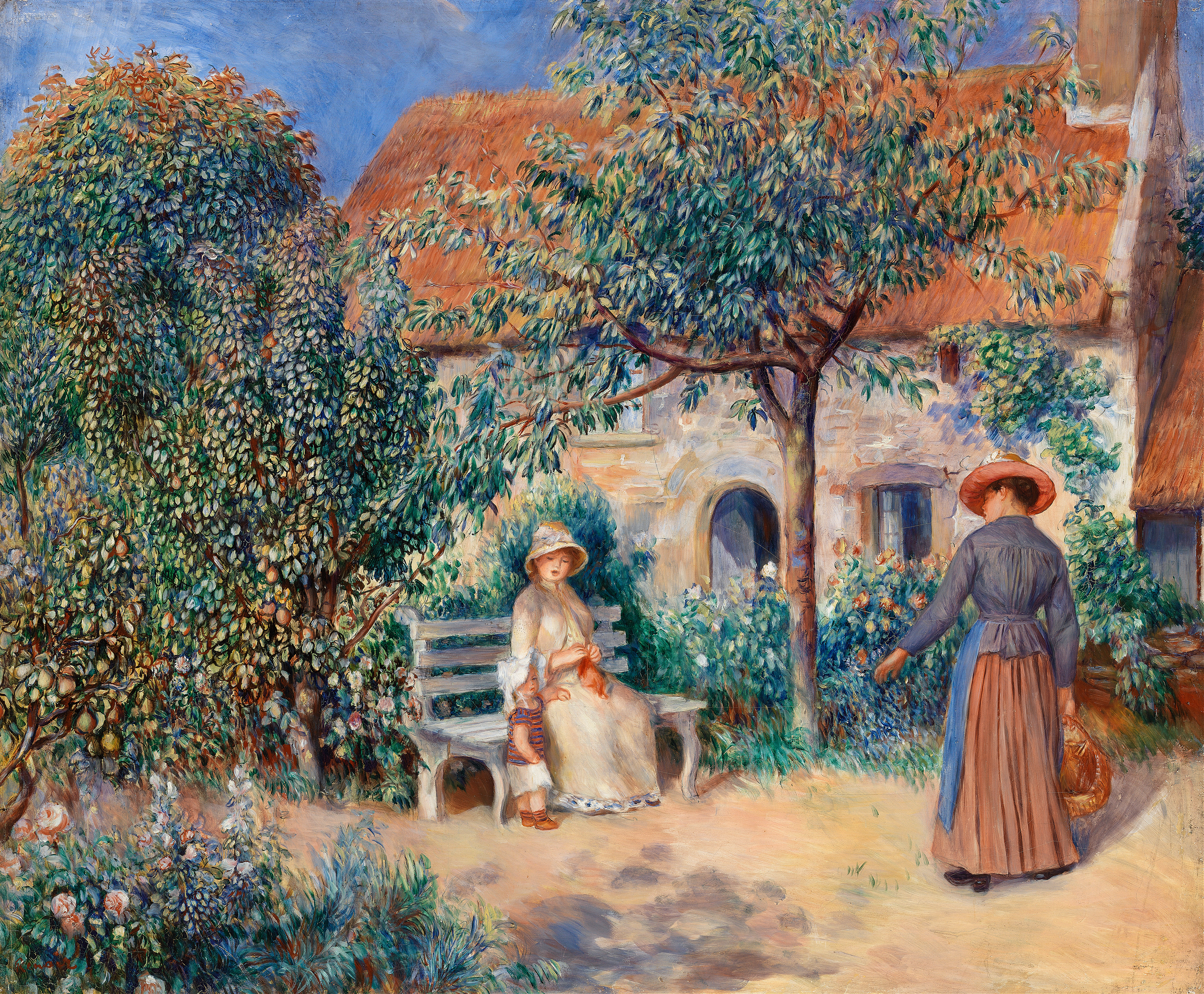
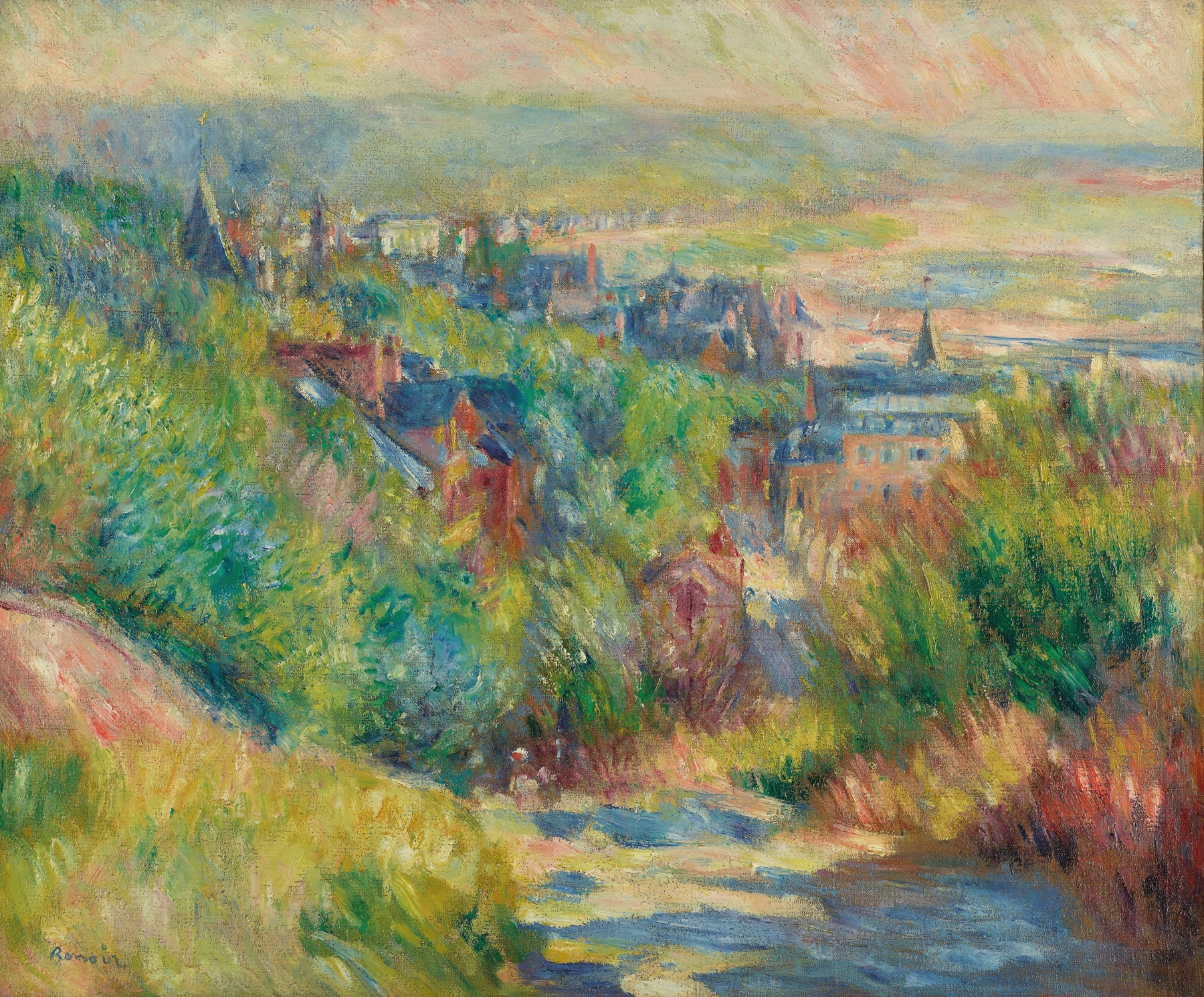
“To paint is to remember what time wants us to forget.” In Grove of Trees, the inevitability of change contrasts with the beauty of a moment captured, evoking a deep sense of yearning. Here, nature stands as a testament to time, embracing both the ephemeral and the eternal. Look to the left at the vibrant greens interspersed with dappled sunlight filtering through the leaves. Renoir's brushwork creates a soft, almost tactile quality that invites you to step into this serene woodland.
The interplay of light and shadow reveals the artist's mastery over color, each stroke alive with movement, breathing life into the stillness of the trees. Hidden within the lush foliage are layers of meaning; the trees symbolize resilience, standing firm amidst the passage of time. There’s a profound contrast between the vibrant life of nature and the silent passage of years that can wear down even the sturdiest of trunks. This duality invites viewers to reflect on their own experiences of change and the bittersweet nature of memory.
Created between 1888 and 1890, this piece reflects Renoir's exploration of landscape painting during a period of personal and artistic evolution. Living in the vibrant atmosphere of late 19th-century Paris, he was transitioning from the Impressionist movement towards a more classic style. This period was marked by a growing interest in capturing the emotional resonance of nature, resonating with the broader themes of change in art and society.