Half Dome and Royal Arches, Yosemite, from Glacier Point — History & Analysis
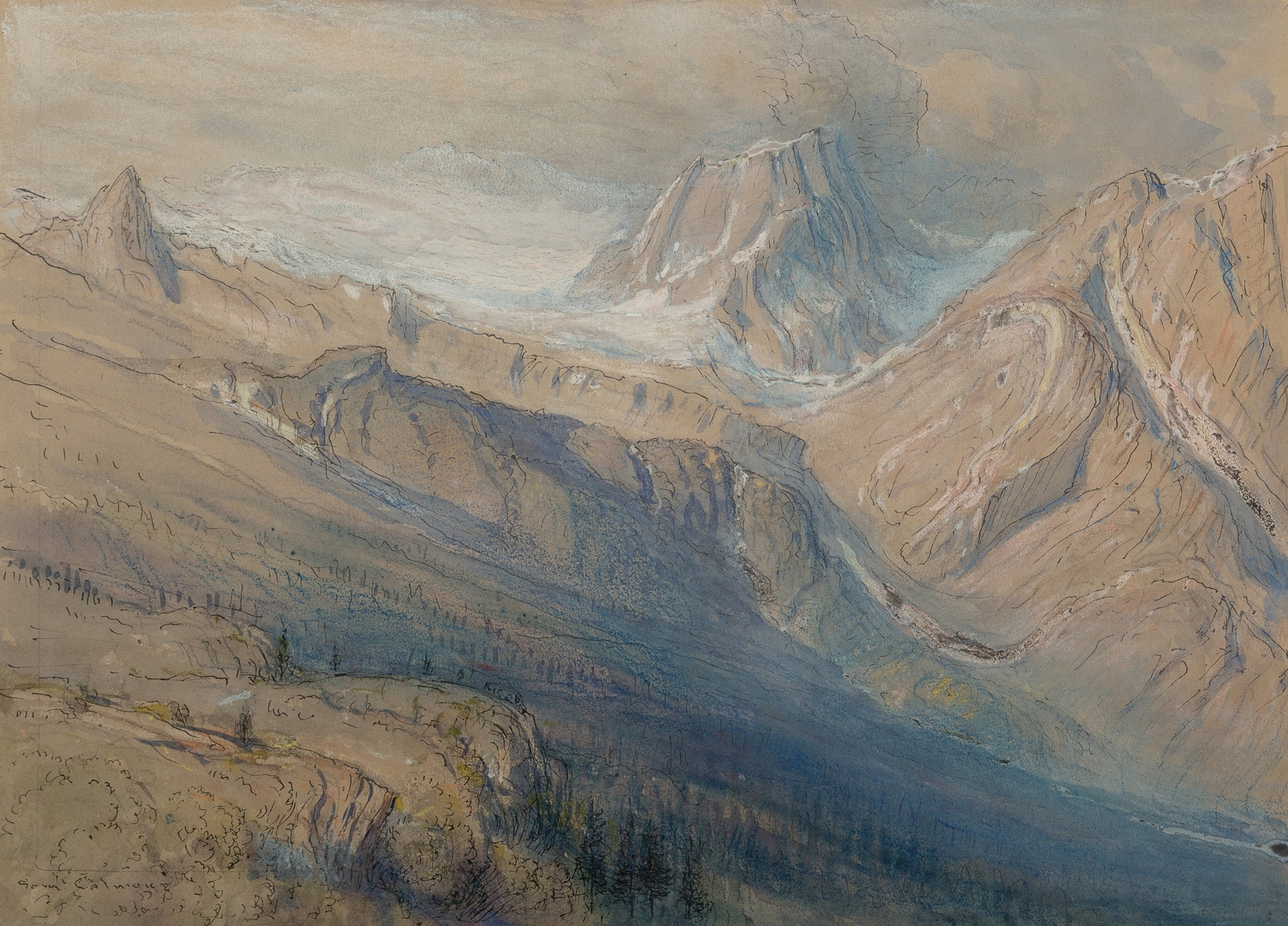
Can paint confess what words never could? In the sweeping grandeur of Half Dome and Royal Arches, the landscape evokes a fragile majesty that hints at nature’s impermanence and beauty. Focus first on the vibrant blues and greens that sweep across the canvas, inviting your gaze to dance along the shimmering river. Notice how the brilliant sunlight kisses the craggy peaks, illuminating their rugged forms and casting soft shadows that create a sense of depth and dimension.
The brushstrokes reveal a delicate tension between light and shadow, suggesting the fleeting moment when day meets night, capturing a harmony that resonates with the viewer's soul. As you explore further, consider the emotional contrasts present in the painting. The stately, unyielding granite formations stand in stark opposition to the ephemeral clouds that drift lazily overhead, embodying the tension between permanence and fragility. This duality seems to whisper of fleeting time, as the vibrant hues symbolize life and vitality while hinting at nature's inevitable change.
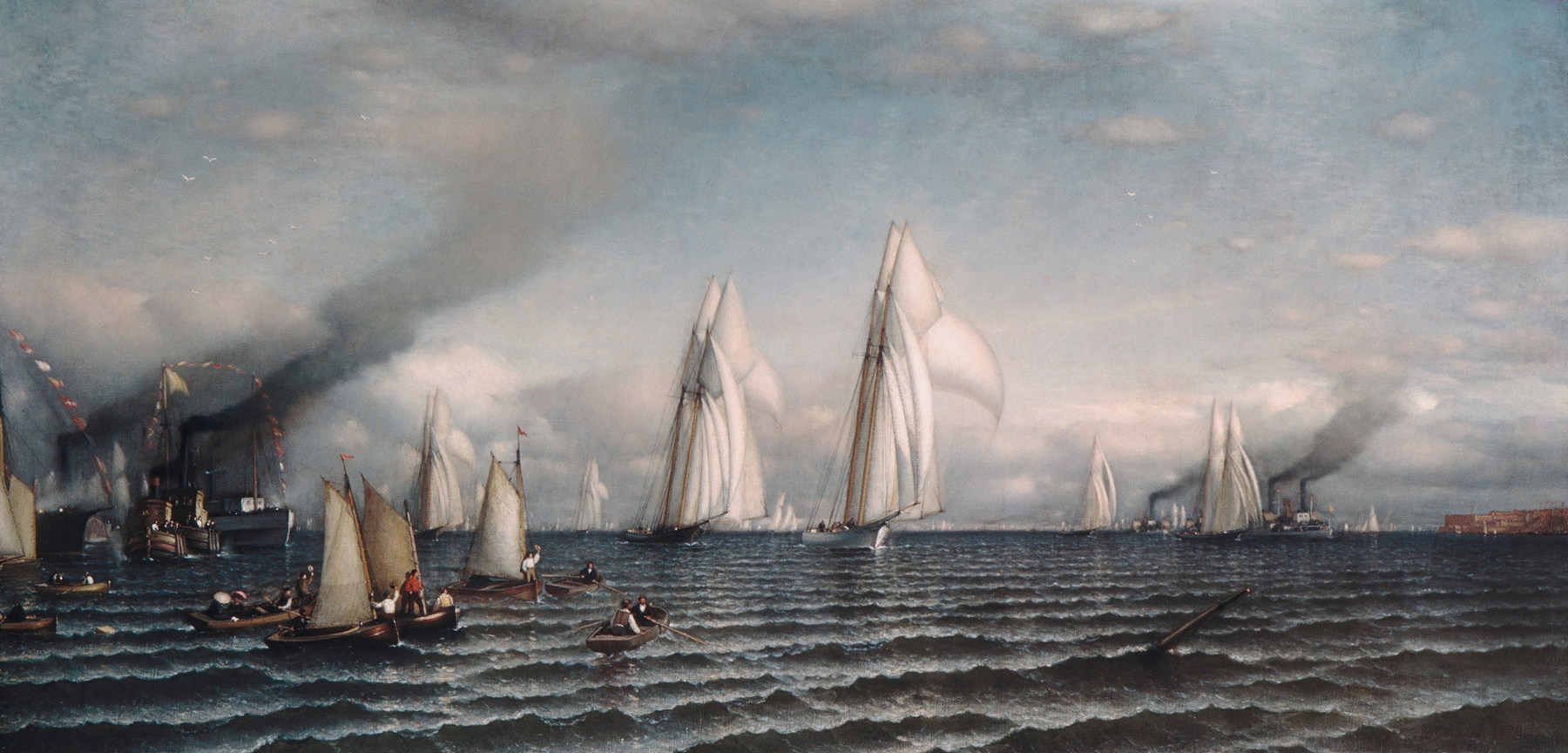
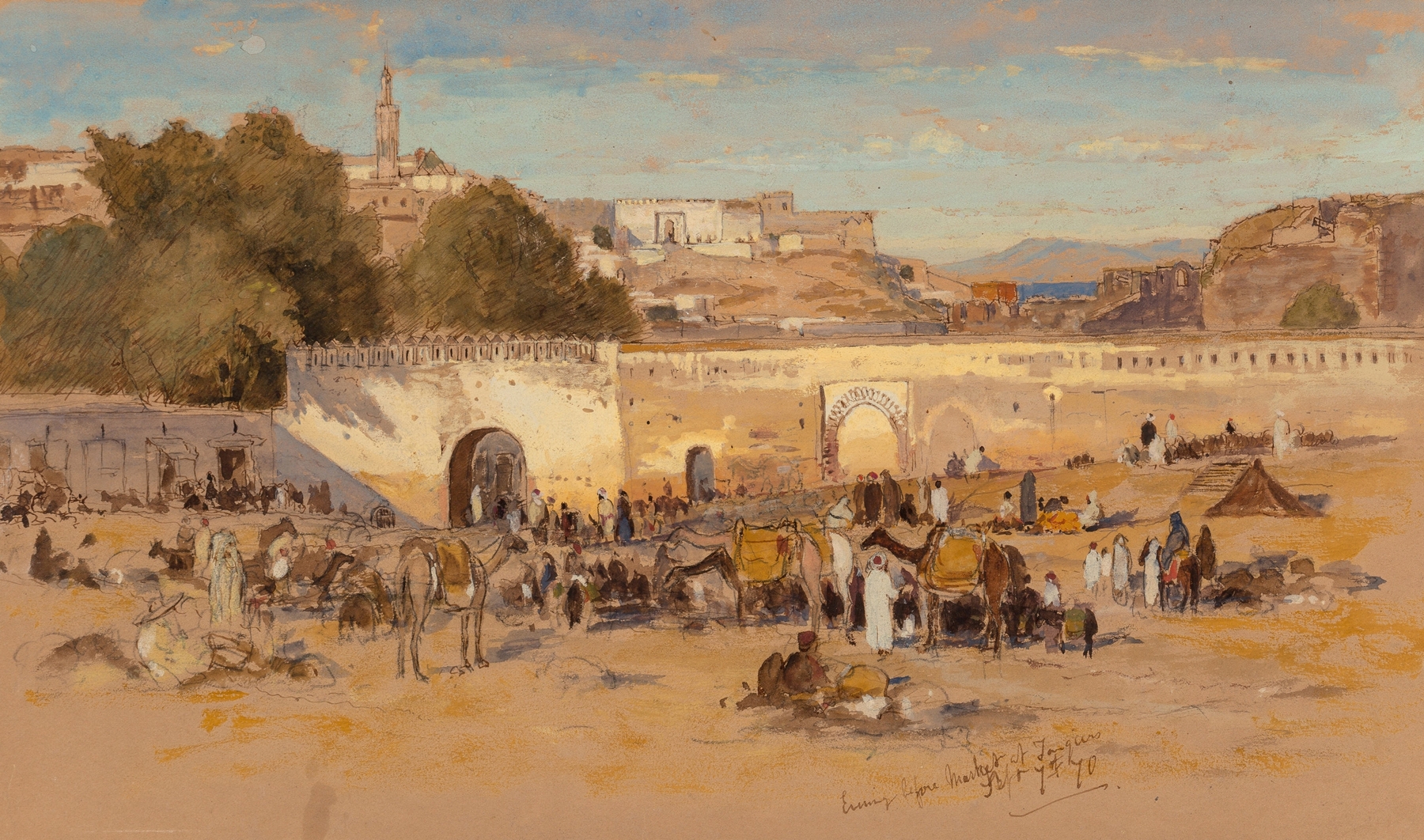
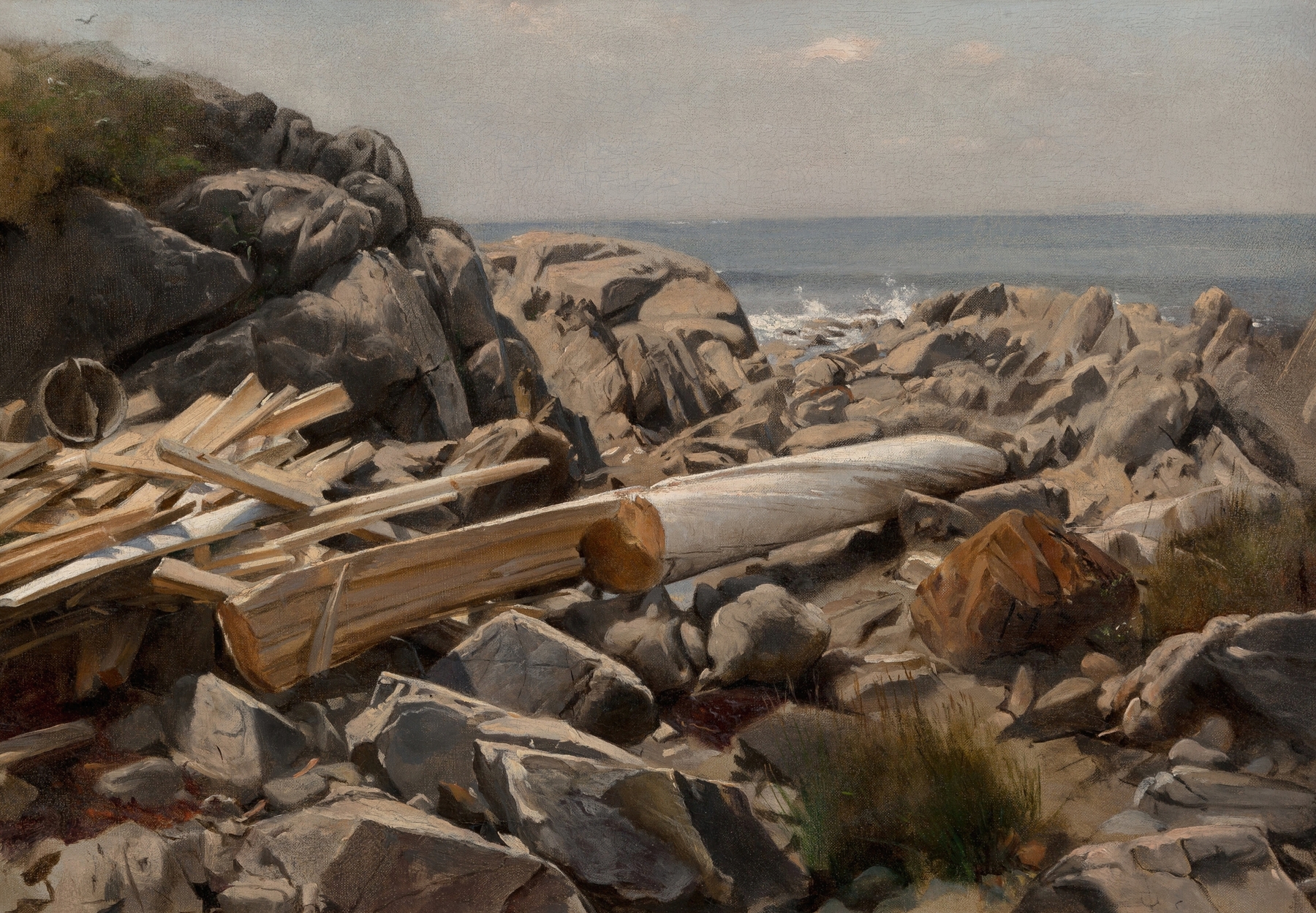
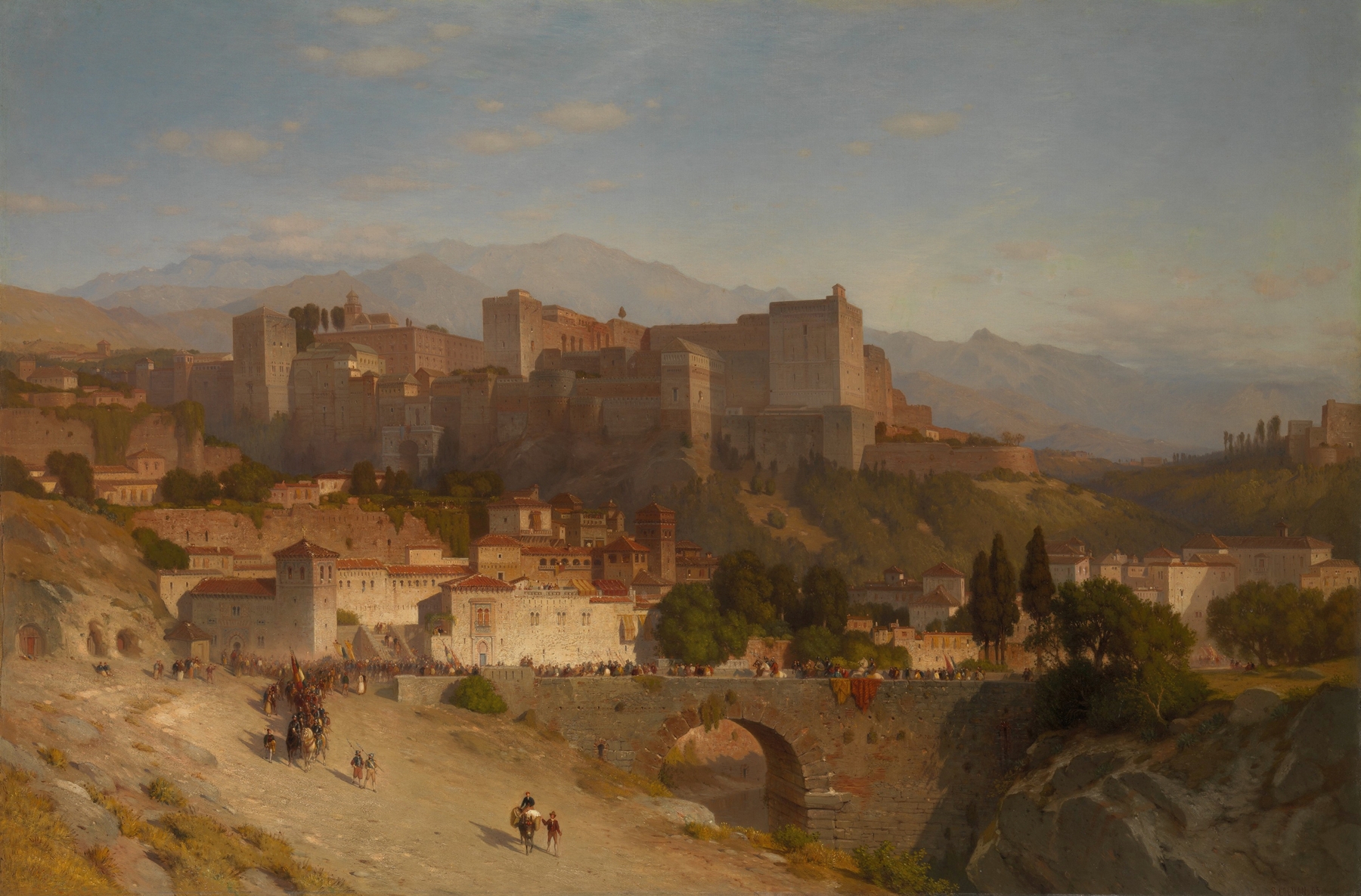
Each element reflects the artist’s reverence for the landscape, inviting contemplation of our place within such vastness. Created around 1870, this work emerged during a period when Samuel Colman was deeply influenced by the American Romantic movement and the exploration of the sublime in nature. Working in New York and frequently traveling, he sought to capture the majesty of the American landscape at a time when the country was experiencing rapid change due to industrialization. Colman's engagement with Yosemite's breathtaking vistas reflects a pivotal moment in art history, where the landscape became a profound subject for emotional and spiritual exploration.