Harlech Castle — History & Analysis
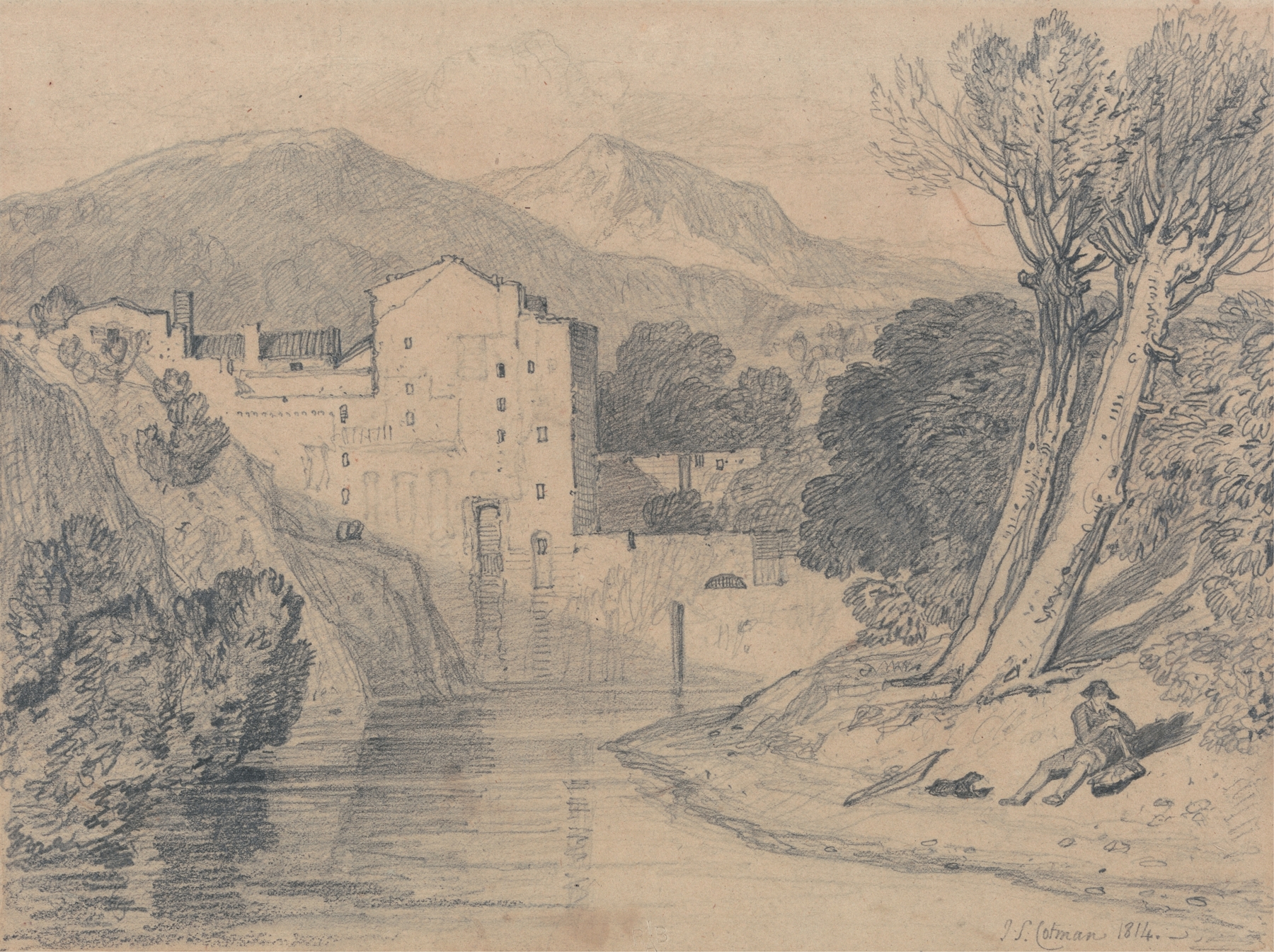
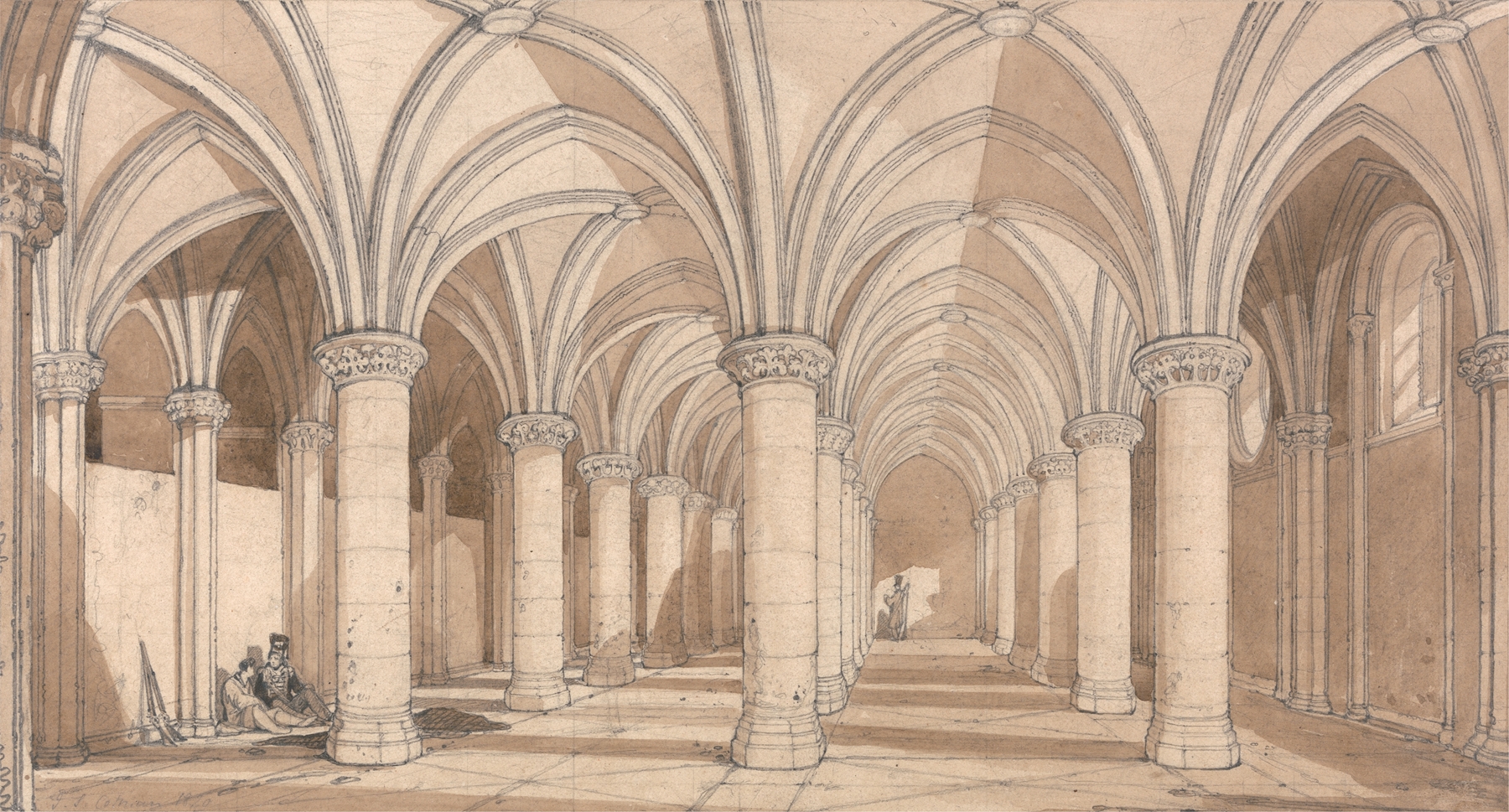
“Between color and silence, truth hides.” In the stillness of Harlech Castle, a fortress looms—its weathered stone walls whispering secrets of power and vulnerability alike. The air is thick with an unspoken tension, a fear that lingers like an unseen specter, reminding us of the fragility behind grandeur. Look to the center where the castle’s formidable towers pierce the sky, their dark silhouettes contrasting against a muted palette of grays and soft greens. The brushstrokes are deft yet gentle, capturing both the weight of the stone and the ethereal quality of the surrounding landscape. Notice how the light glimmers faintly on the craggy surface, illuminating the castle's edges while casting shadows that evoke a sense of foreboding.
This juxtaposition of light and dark reflects the duality of strength and fear, inviting the viewer to explore deeper narratives within the scene. Beneath the surface, there are layers of emotional complexity. The vastness of the landscape amplifies the isolation of the castle, suggesting not just a place of refuge but one of entrapment. The distant hills, although serene, seem to close in on the structure, intensifying the sense of looming dread.
The subtle variations in color hint at a history rife with conflict, while the structured lines of the castle present an imposing façade that falters under the weight of its own history. During the early 1830s, John Sell Cotman was deeply immersed in the Romantic movement, advocating for the beauty of the natural world while capturing the ruins of history. Working primarily in Wales, he sought to blend the dramatic scenery with architectural elements, creating a unique dialogue between man-made and natural beauty. This period marked a time of personal exploration for Cotman, as he grappled with his artistic identity amidst the broader evolution of landscape painting in the 19th century.