Harrow-on-the-Hill, Middlesex — History & Analysis
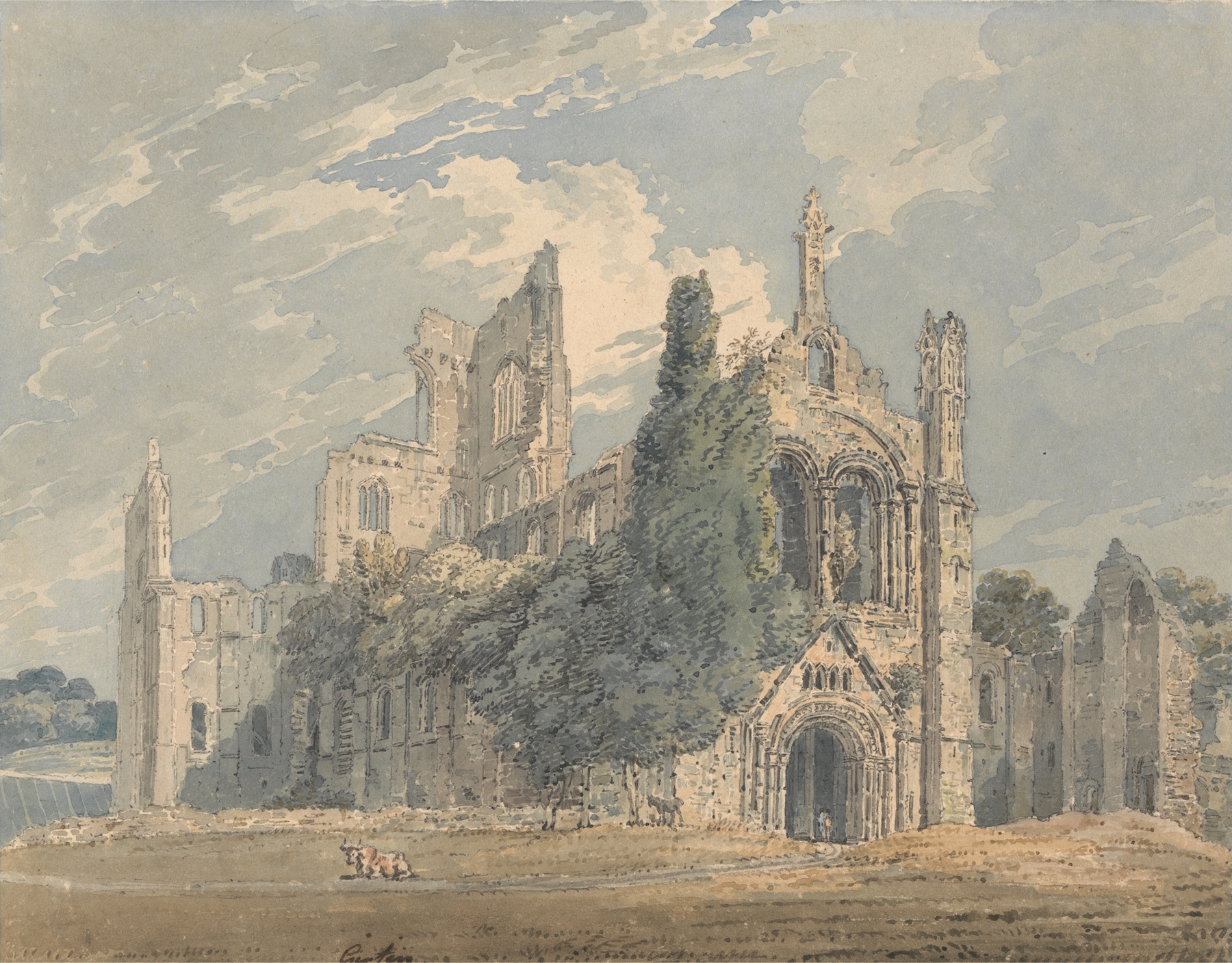
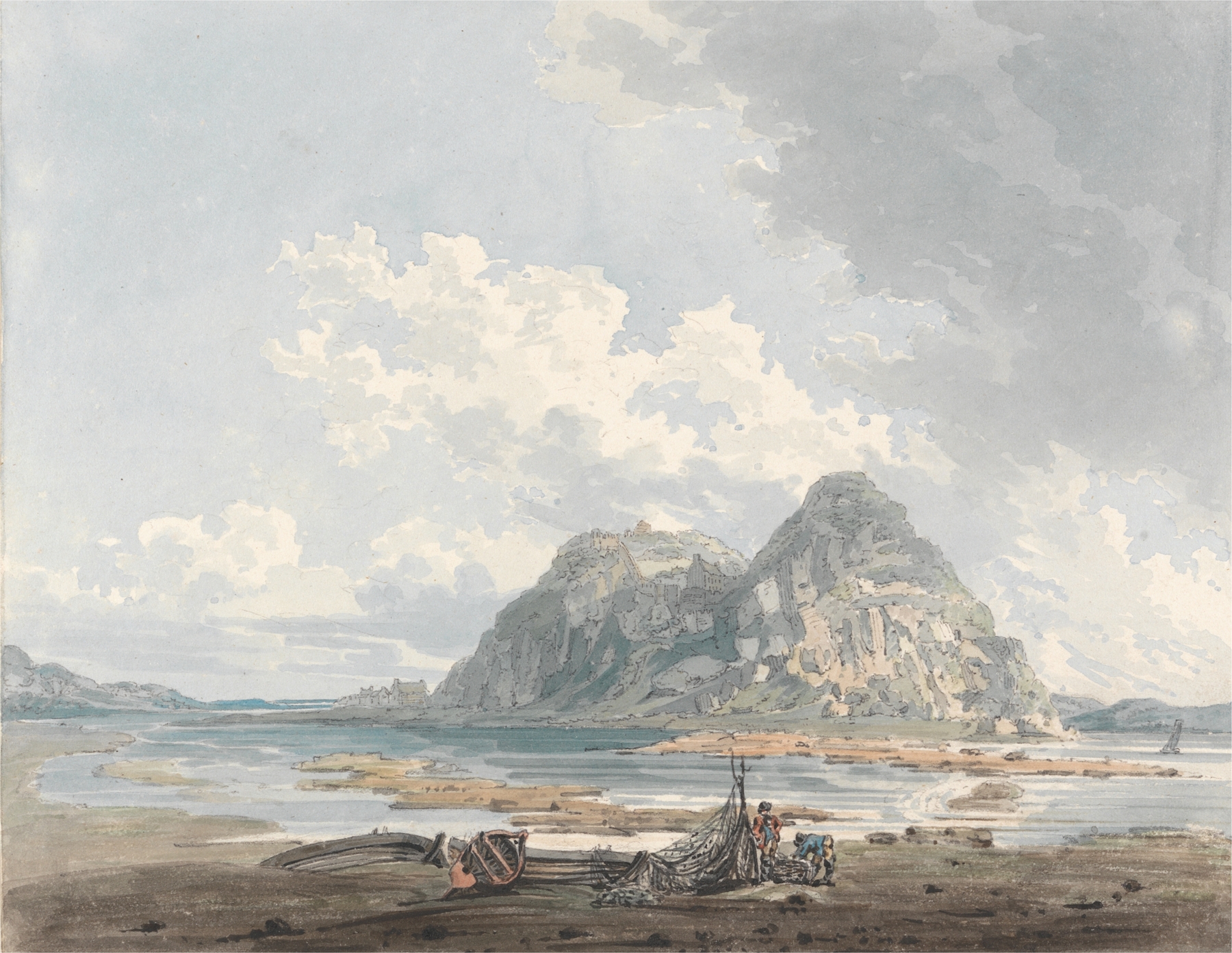
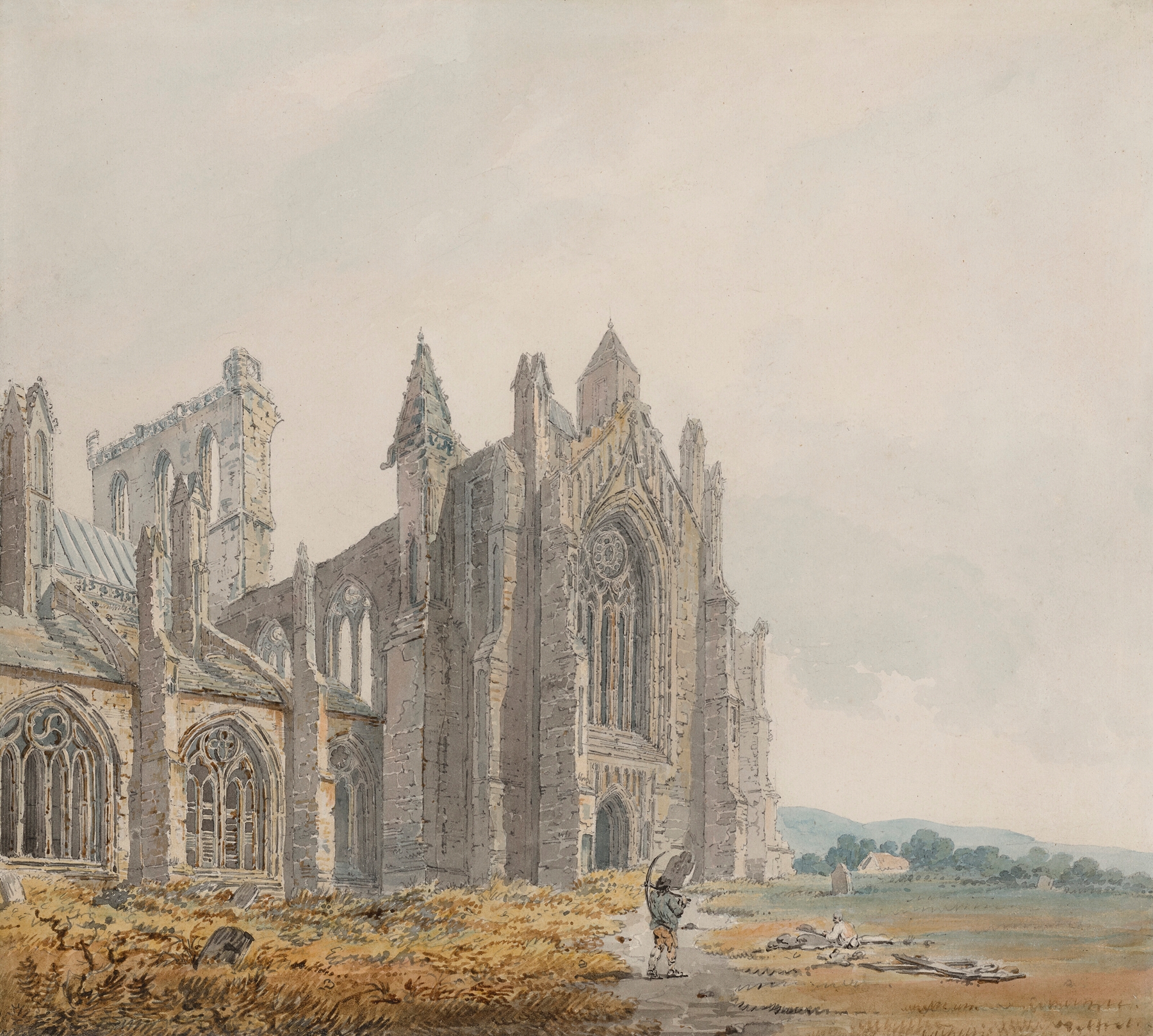
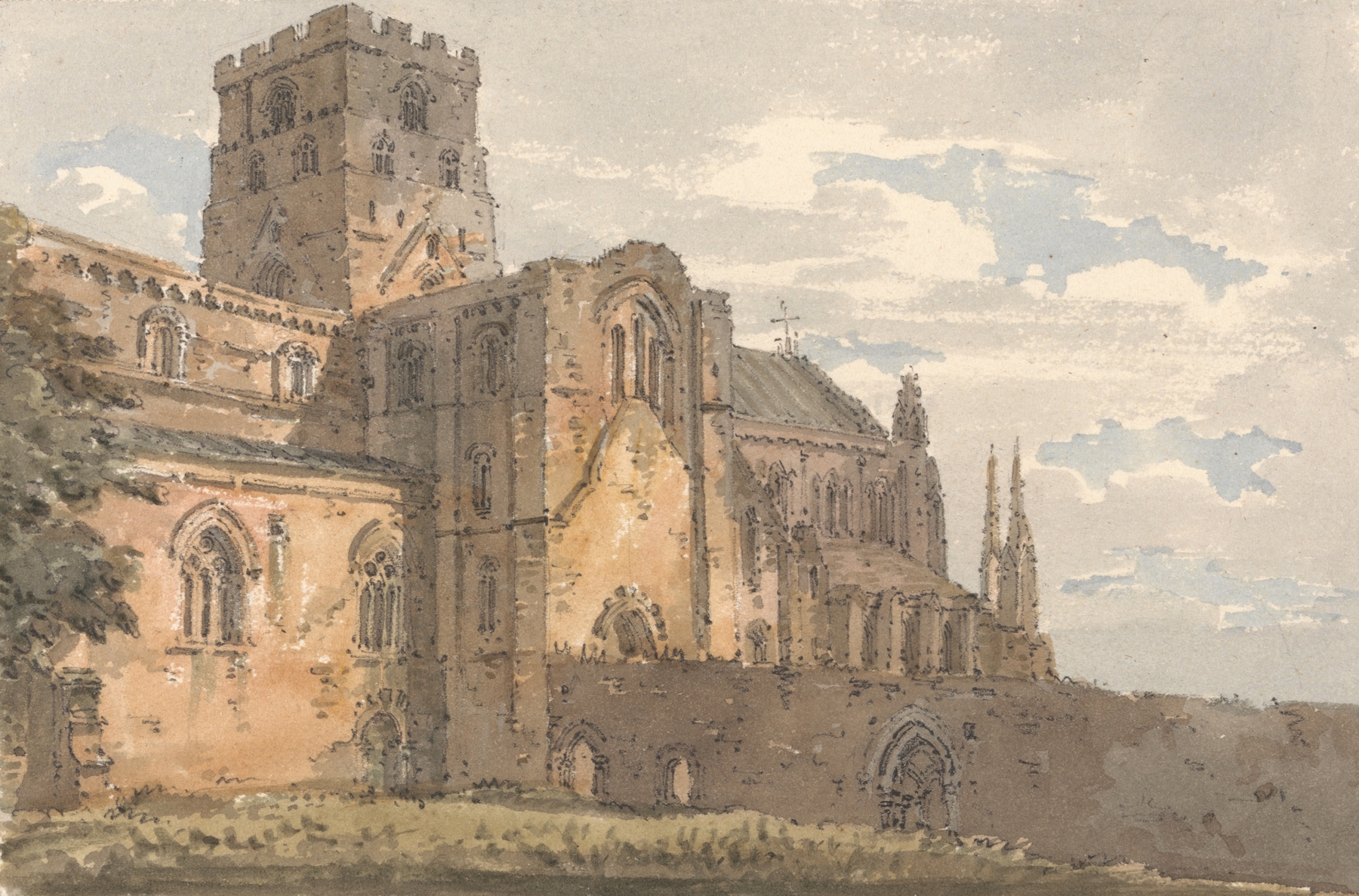
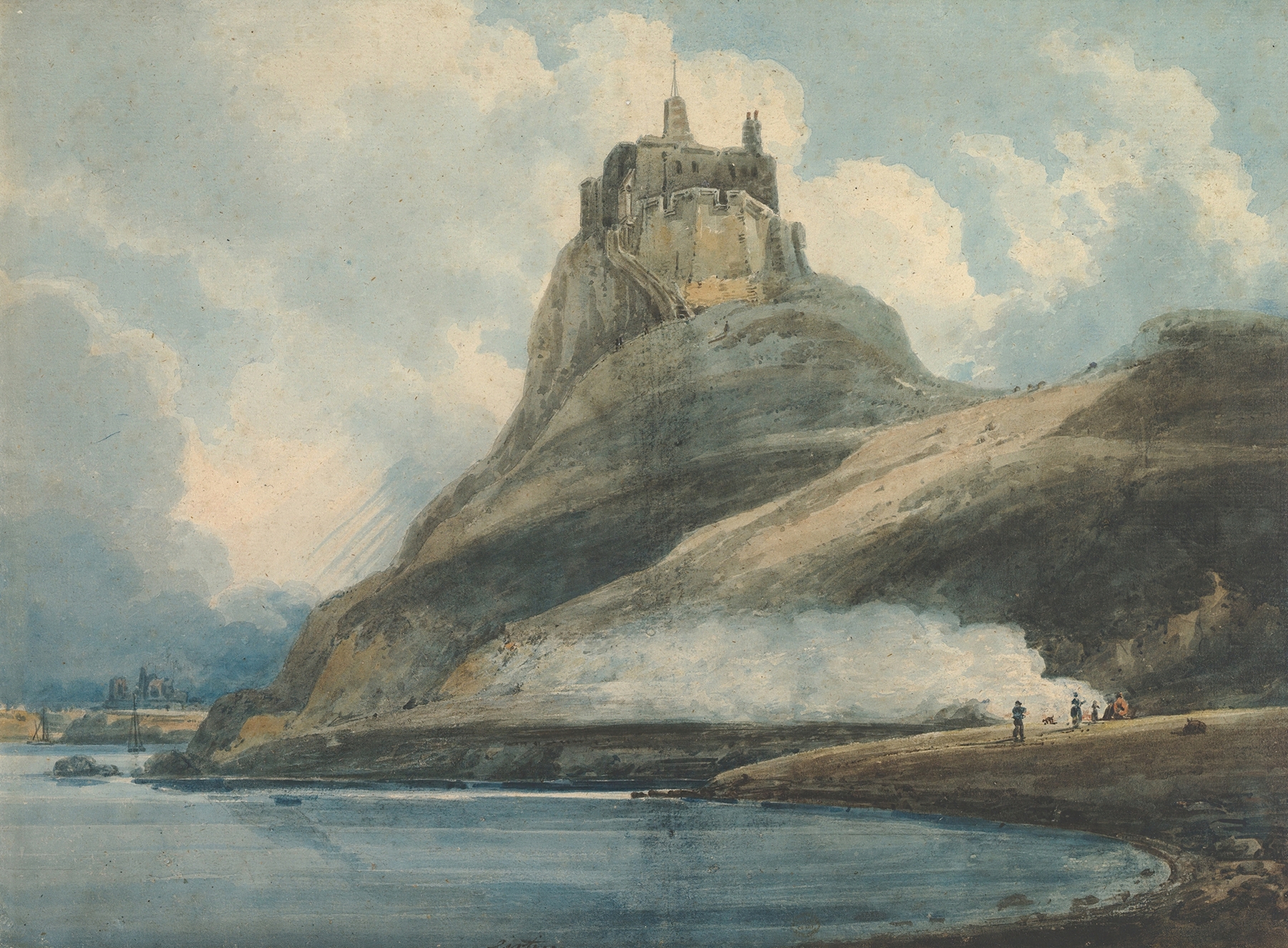
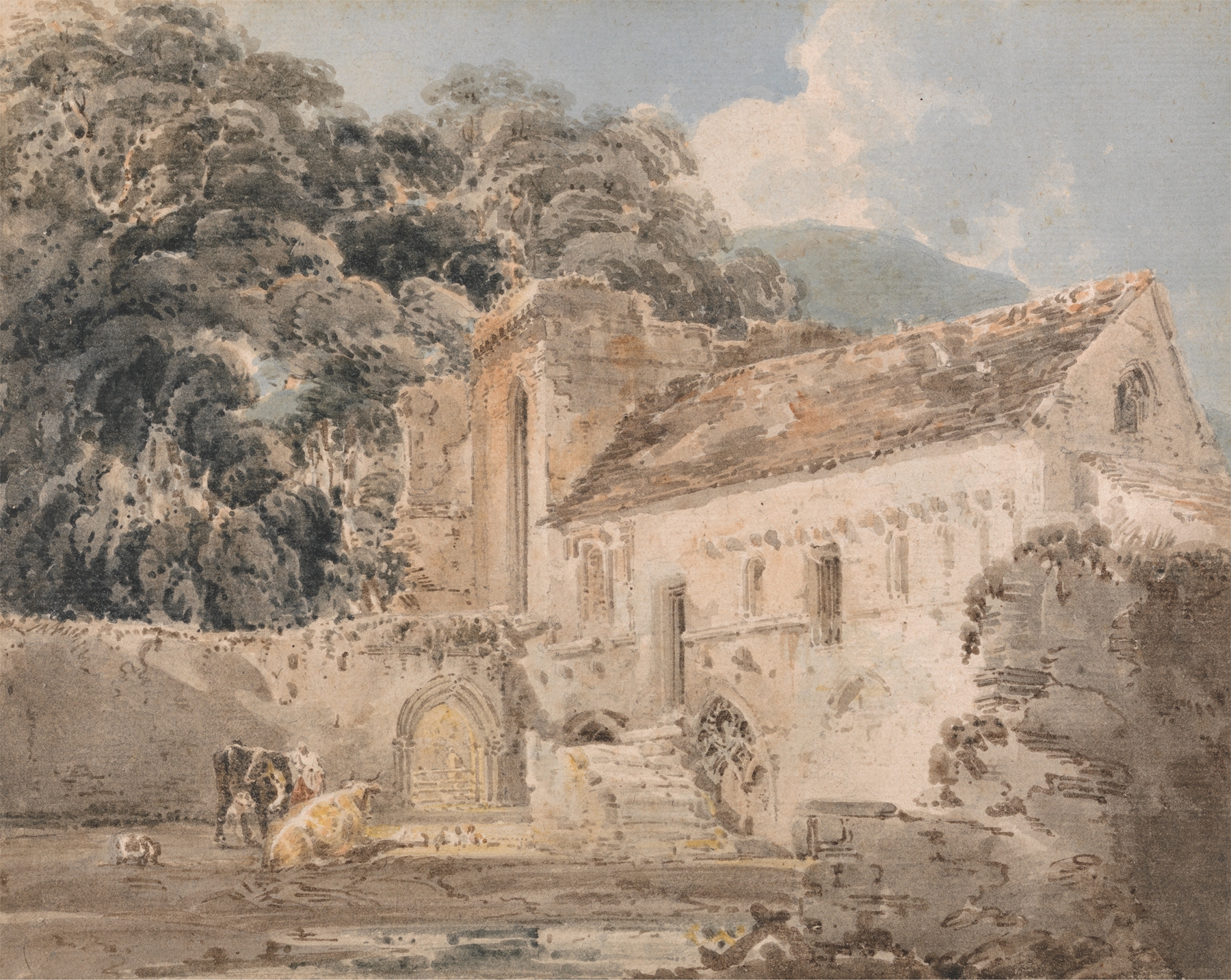
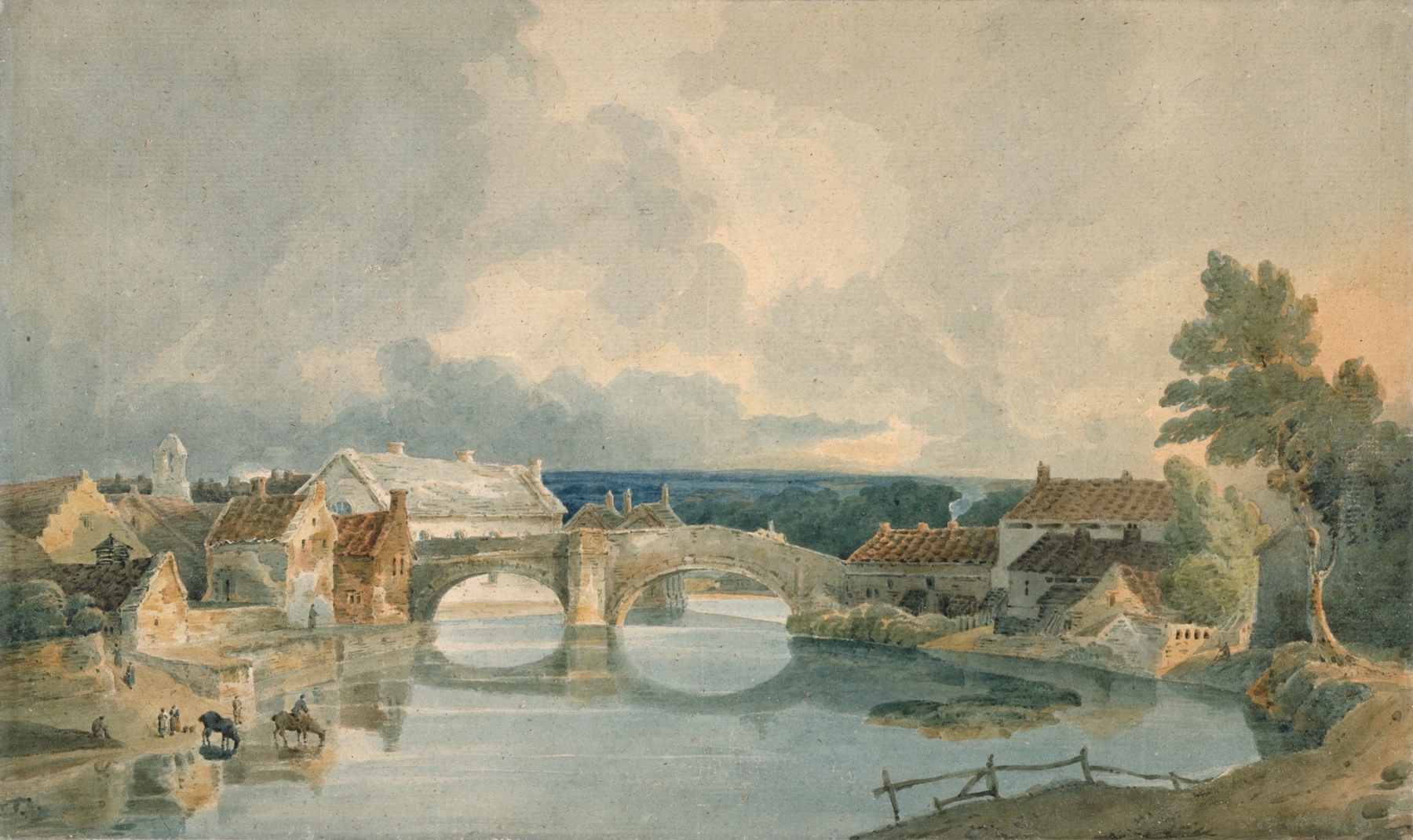
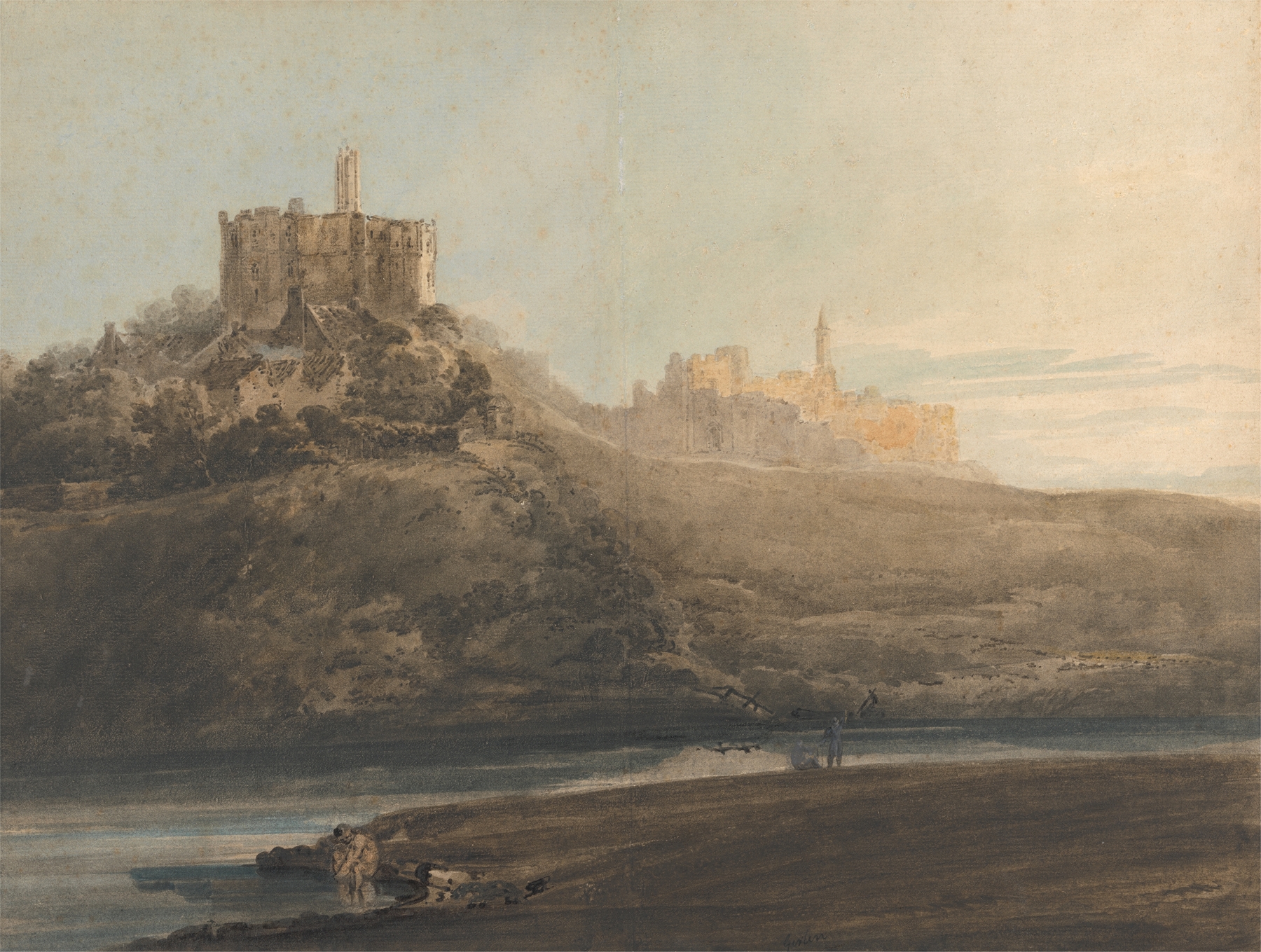
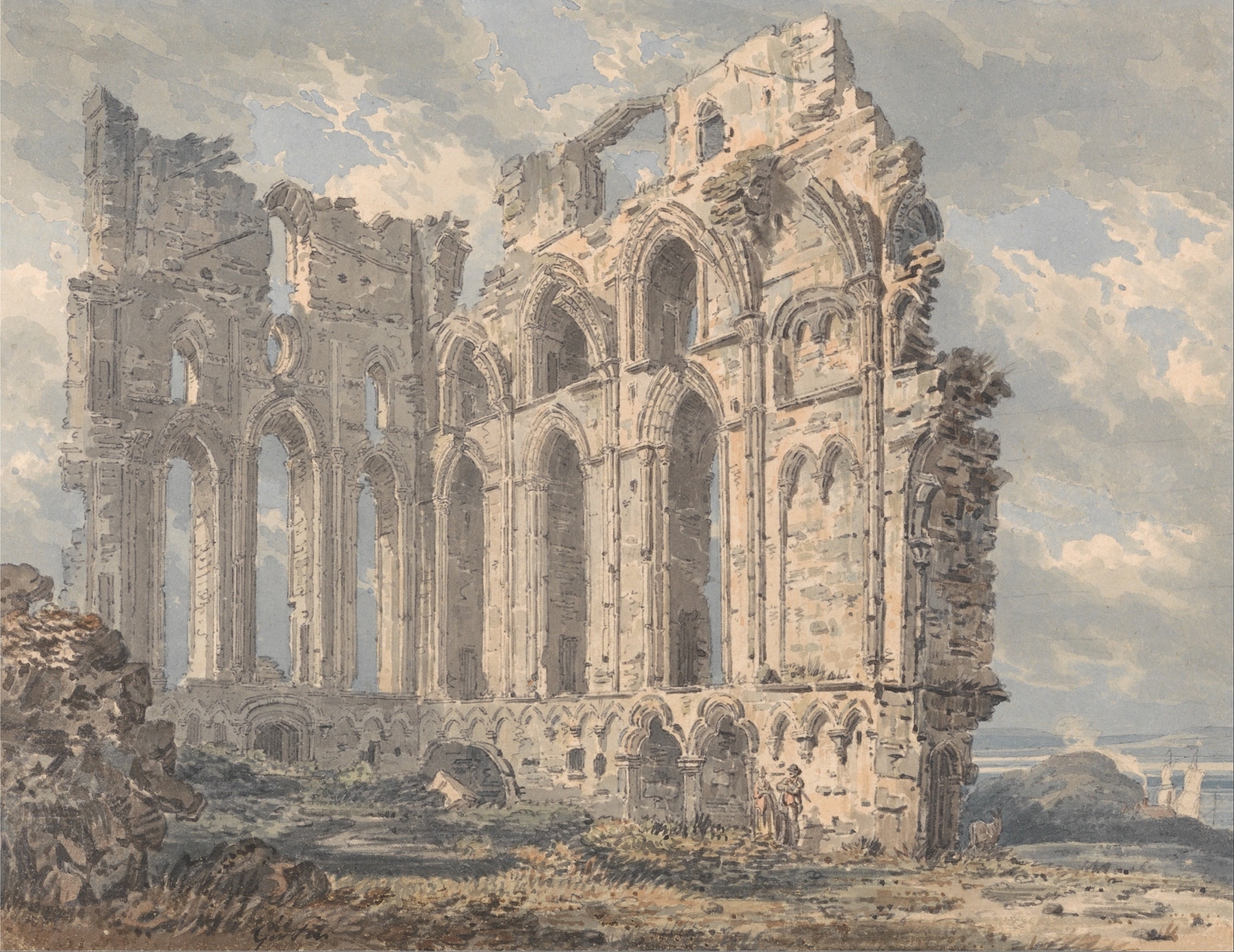
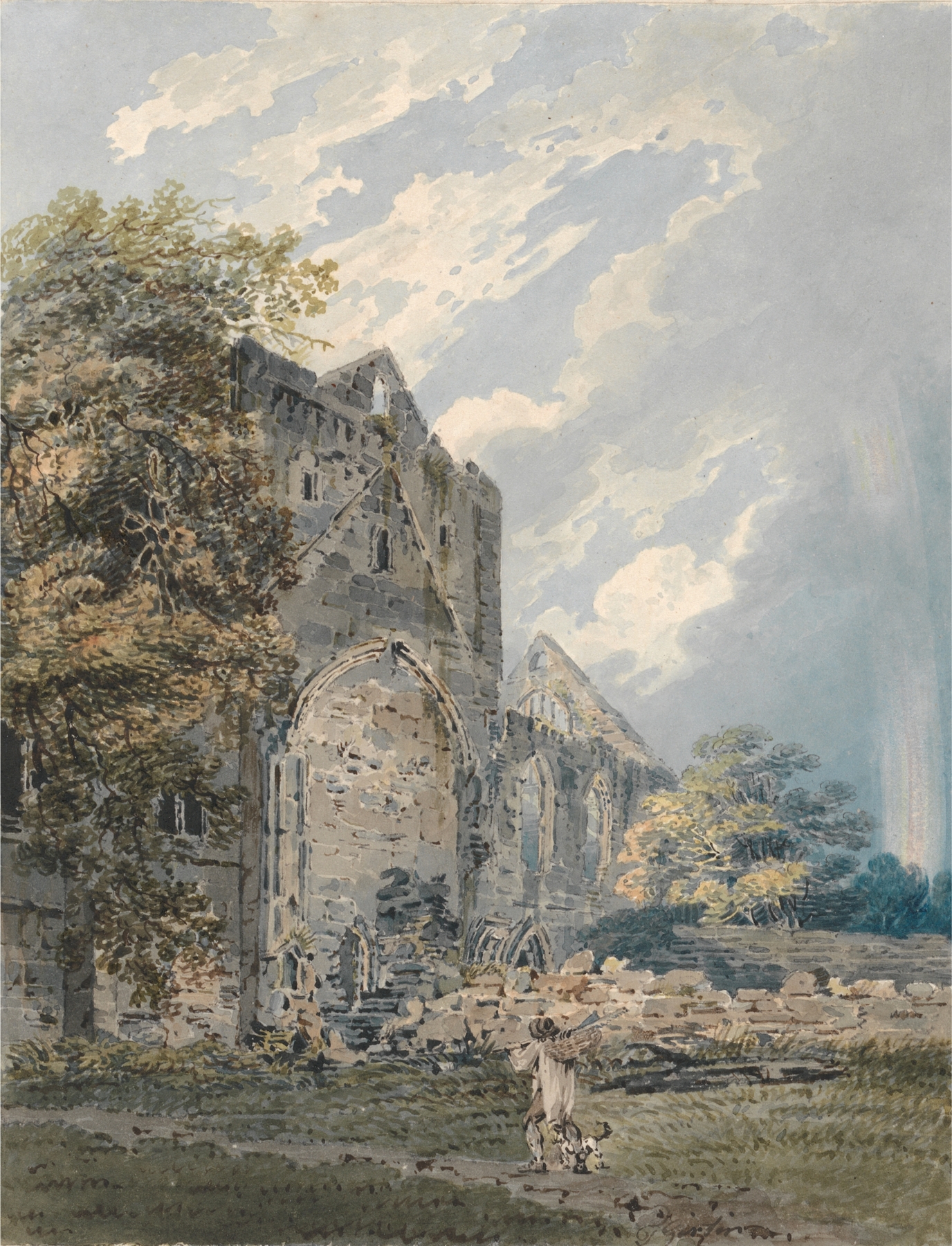
“Sometimes beauty is just pain, disguised in gold.” In the hands of Thomas Girtin, this truth captures a fleeting moment in Harrow-on-the-Hill, where faith in the landscape mingles with a subtle melancholy. Look to the foreground, where delicate strokes of green illustrate the lush meadows, inviting you to feel the soft caress of nature. The gentle rise of Harrow-on-the-Hill looms in the distance, painted in a palette of muted blues and grays, contrasting with the vibrancy of the fields below. Notice how the sun breaks through the clouds, casting a warm golden light that dances upon the landscape, suggesting a fleeting hope within a somber ambiance.
As you explore further, the juxtaposition of light and shadow becomes a metaphor for the human experience. The brightness of the fields symbolizes faith and possibility, while the darkening sky looms overhead, hinting at challenges and uncertainties. In this balance of contrasts, there exists an emotional tension that invites contemplation — can faith in beauty survive when the shadows of doubt linger?
In 1794, Girtin was entrenched in the burgeoning Romantic movement, painting landscapes that conveyed both the sublime and the intimate. Living in London, he was immersed in a vibrant art scene that sought to elevate nature as a subject worthy of reverence. This period was marked by a growing interest in the emotional power of the landscape, which Girtin expertly encapsulated in Harrow-on-the-Hill, Middlesex, reflecting his own aspirations and the collective yearnings of his time.