Haven in Bretagne — History & Analysis
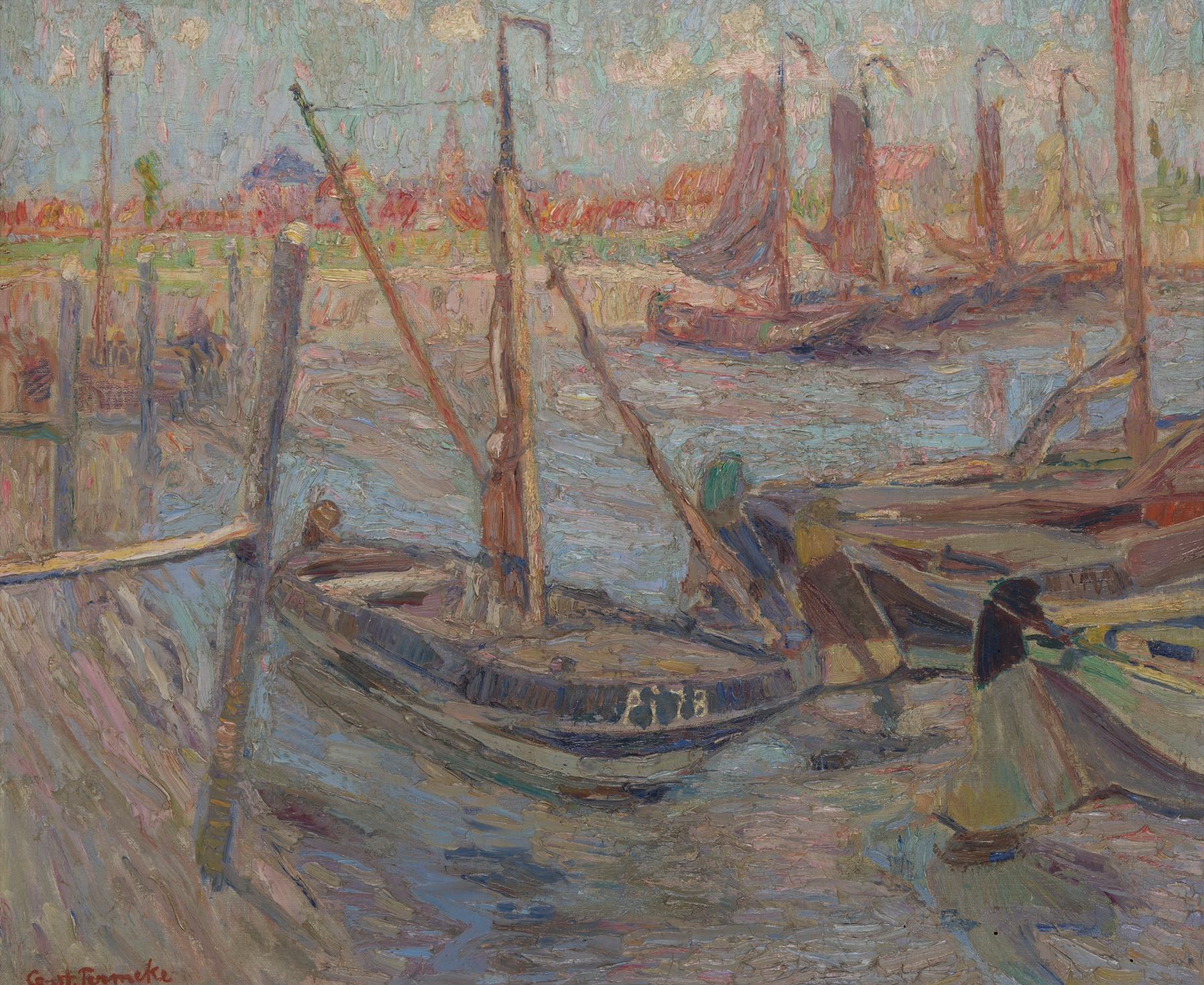
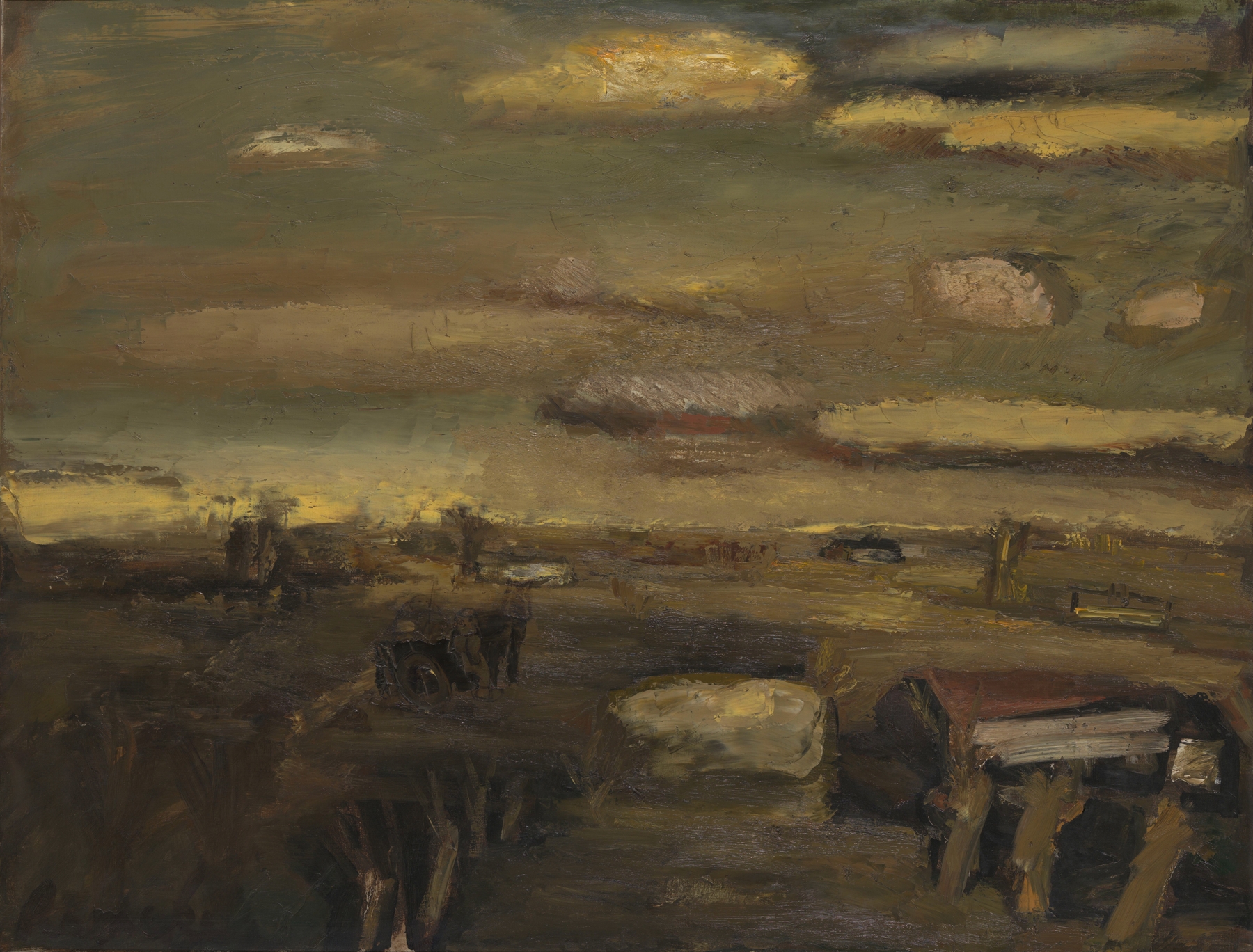
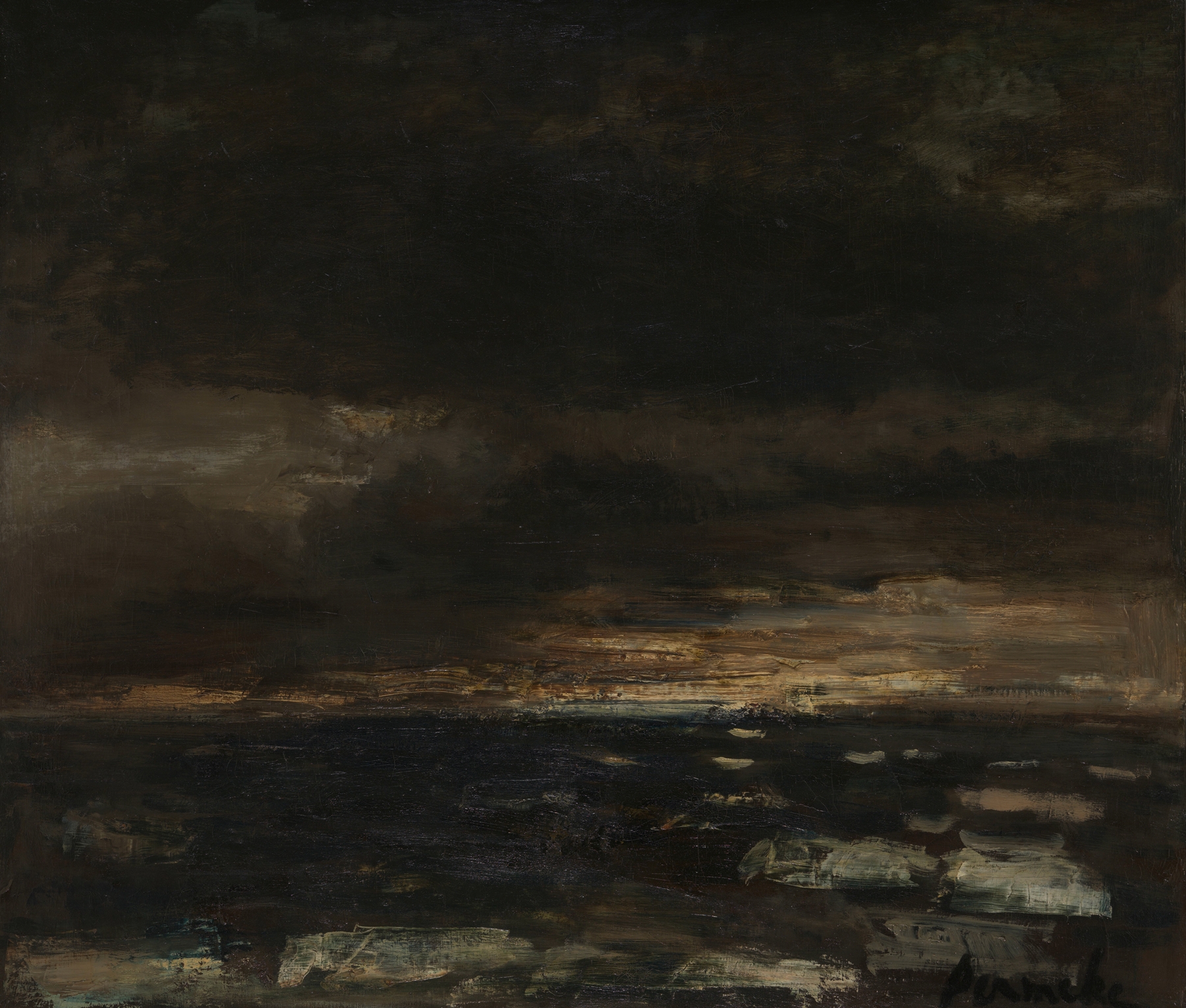
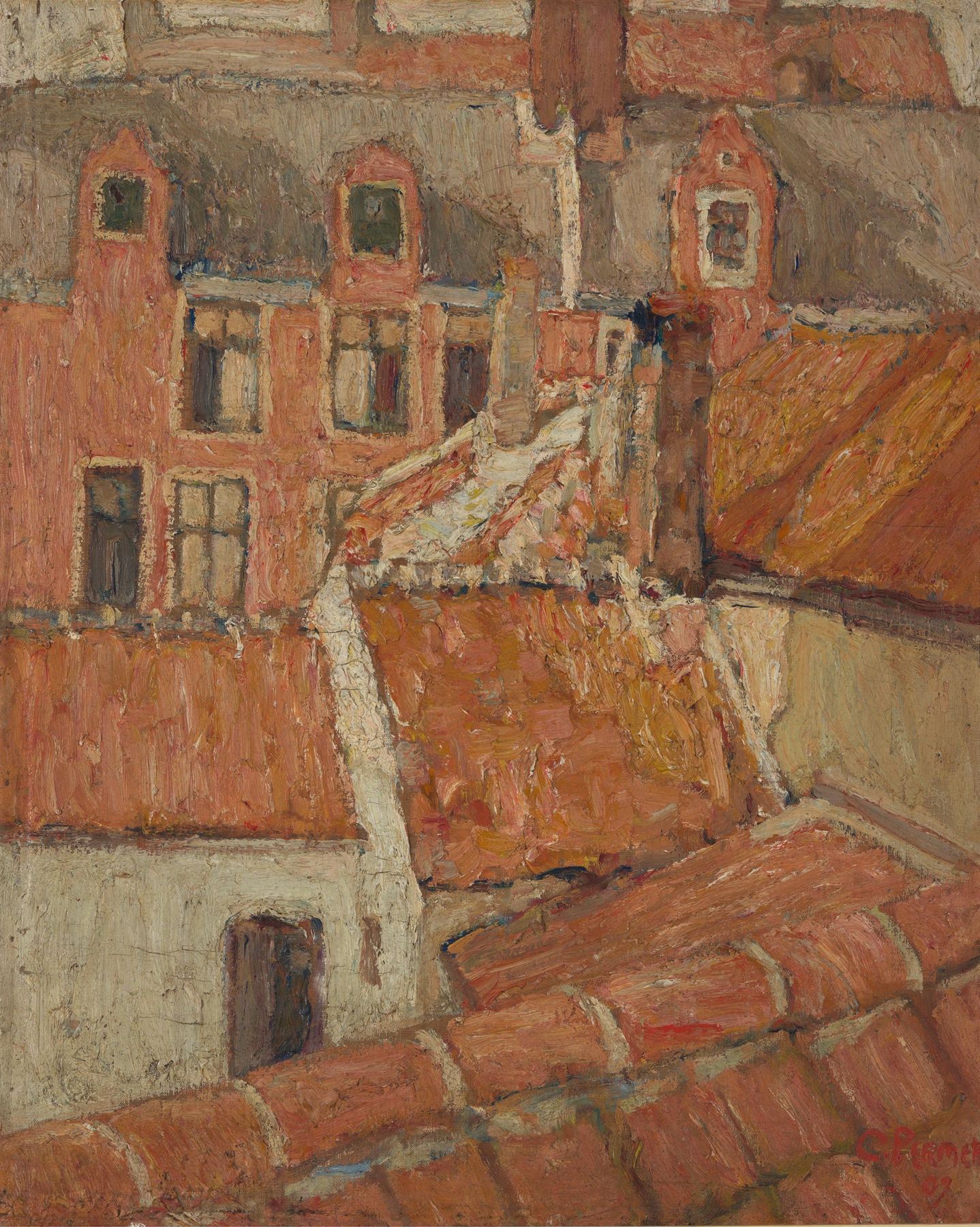
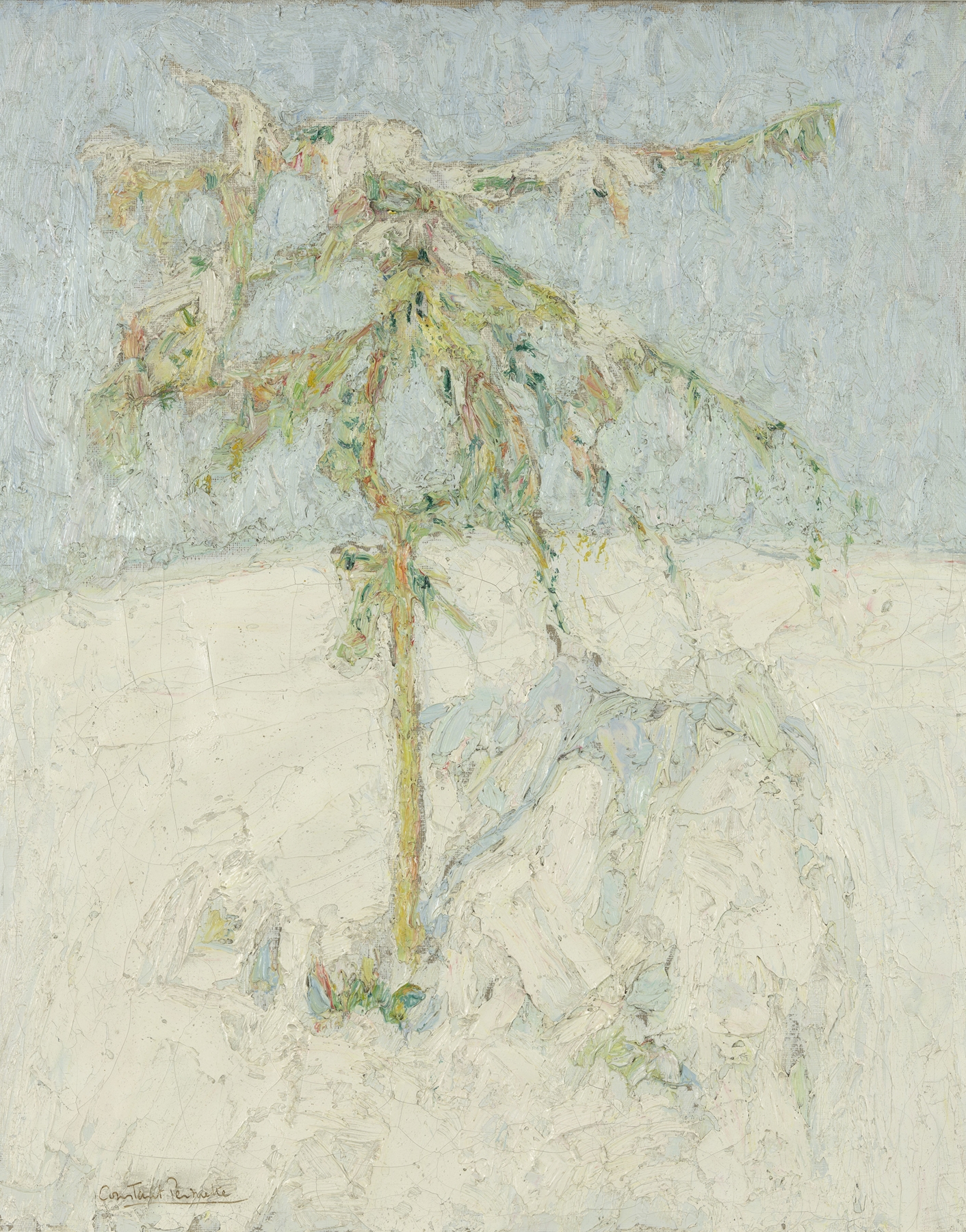
What if silence could speak through light? In Haven in Bretagne, a haunting stillness envelops the scene, whispering secrets of steadfast obsessions that bind the human spirit to the landscape. Look to the left at the rugged shoreline, where the interplay of shadows and light creates a tapestry of deep blues and earthy browns. The textured surface draws your eye, inviting you to trace the contours of the land, rugged and unyielding.
Notice how the light seems to emanate from within, illuminating certain areas while casting others into a contemplative gloom. The composition balances the expansive sky above with the intimate land below, suggesting an eternal dialogue between nature and the human condition. Beneath the calm surface lies a deeper tension; the stark contrast between the serene beauty of the seascape and the looming shadows evokes a sense of obsession—perhaps for solitude or the relentless pursuit of inner peace. The figures, though sparse, appear entrenched in their surroundings, hinting at their emotional ties to this haven.
Each brushstroke conveys a longing, as if the artist himself is captured in a moment where solitude and obsession intertwine. Constant Permeke created this evocative piece during a reflective period in his life, residing in Belgium after the tumult of World War II. By 1951, he was deeply engaged in a transformative exploration of form and color that emphasized the rawness of nature. This period marked a significant evolution in his work, as he sought to express the profound relationship between humanity and the landscapes that envelop them.