Heuvellandschap met een meer en een boot met twee figuren — History & Analysis
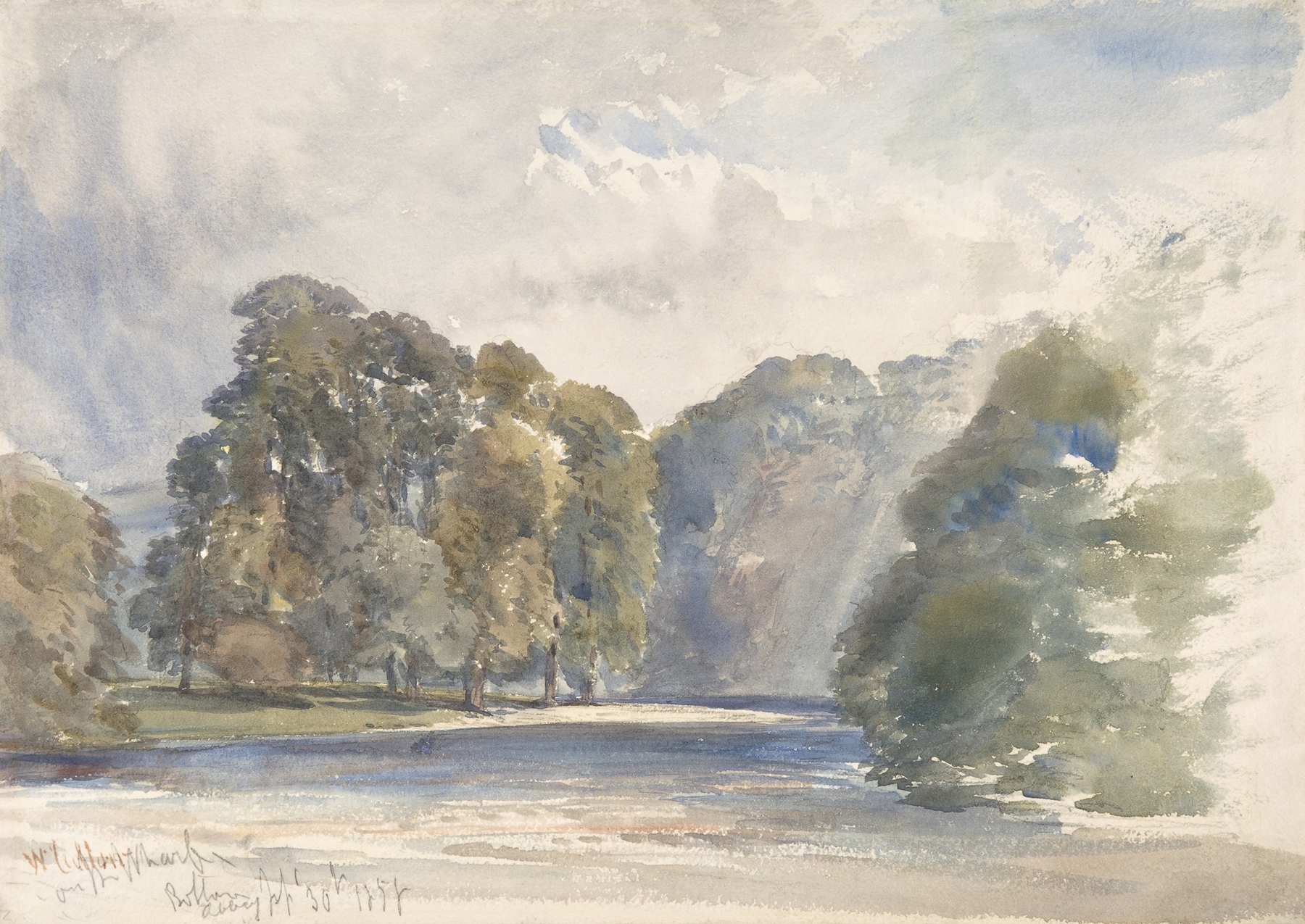
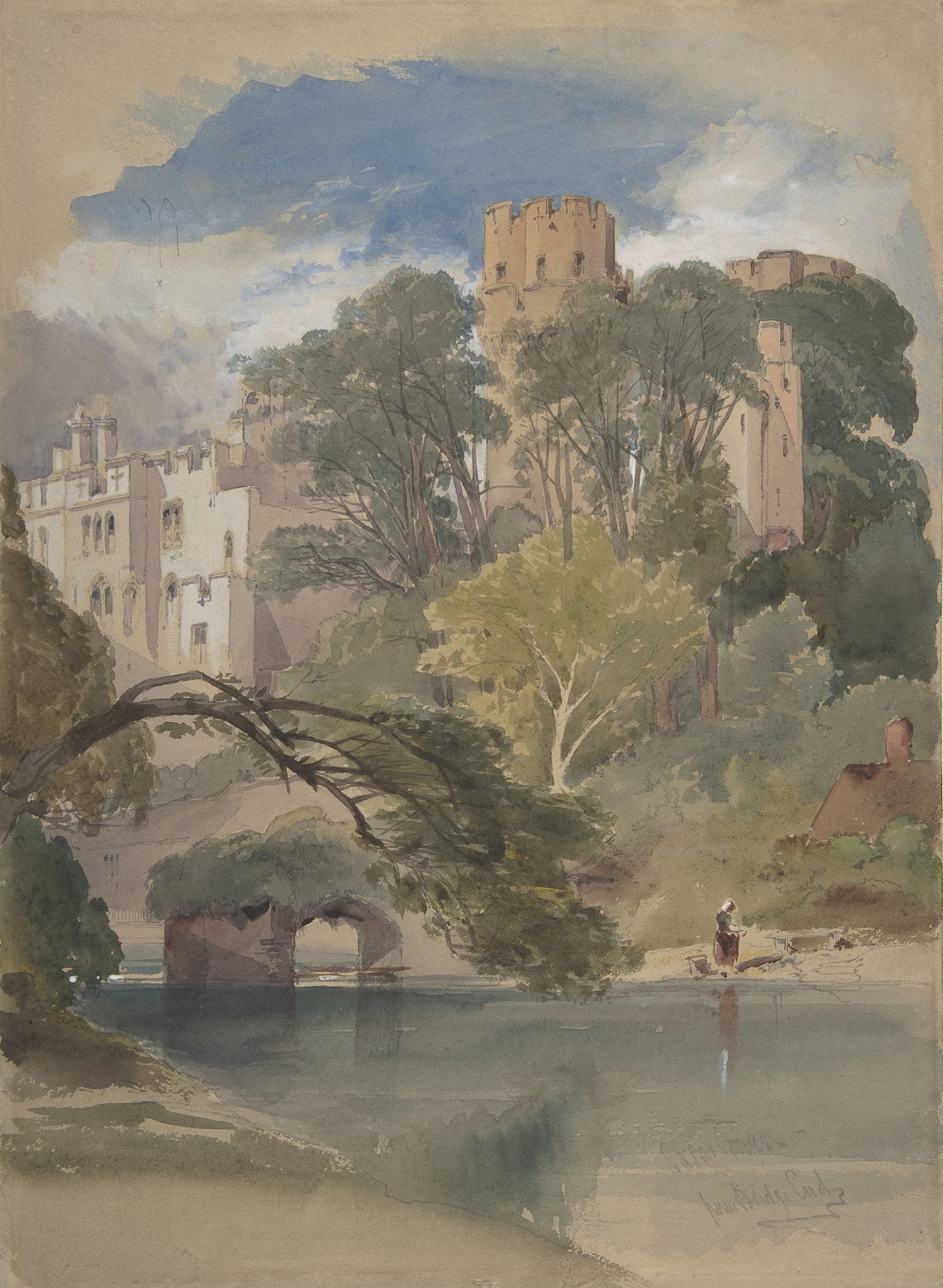
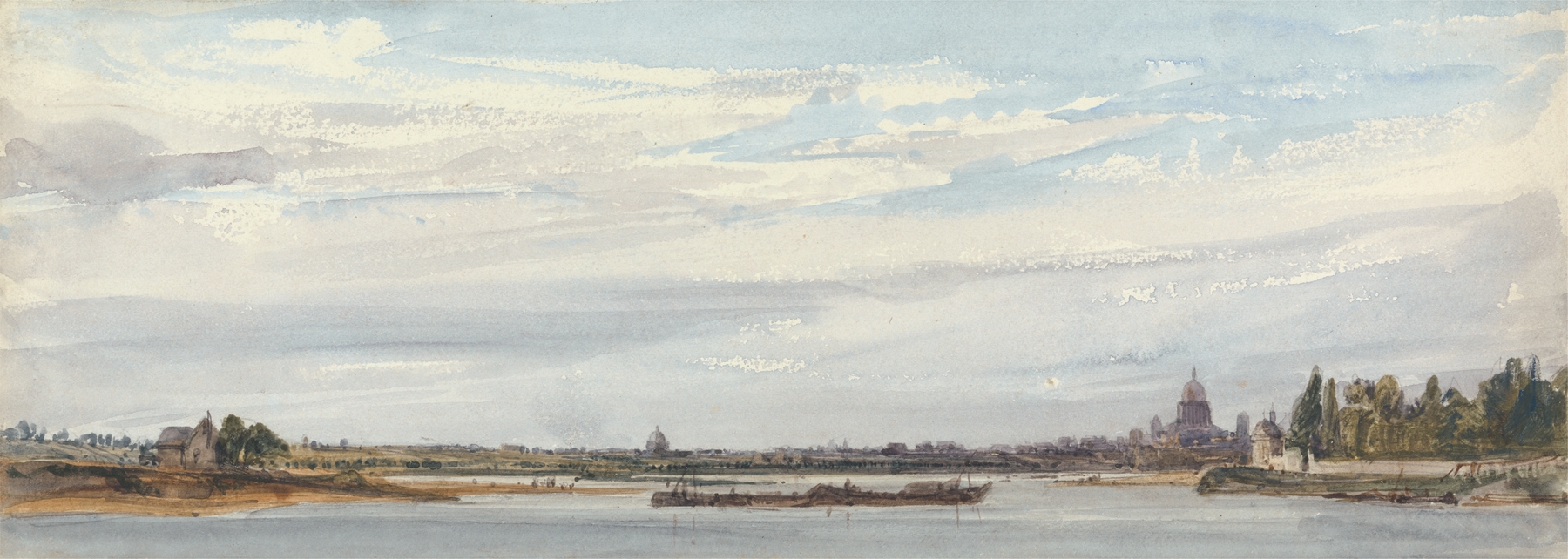
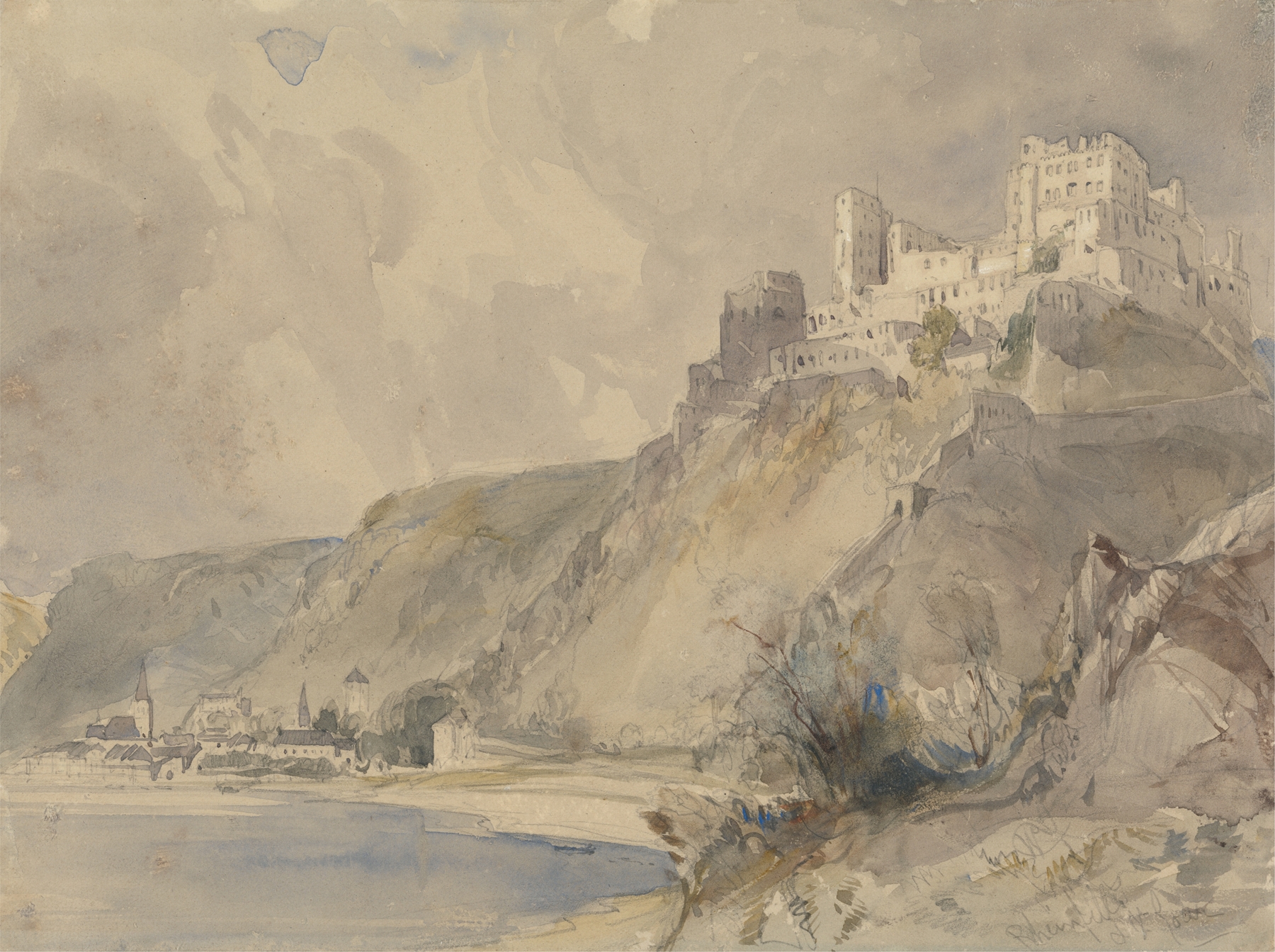
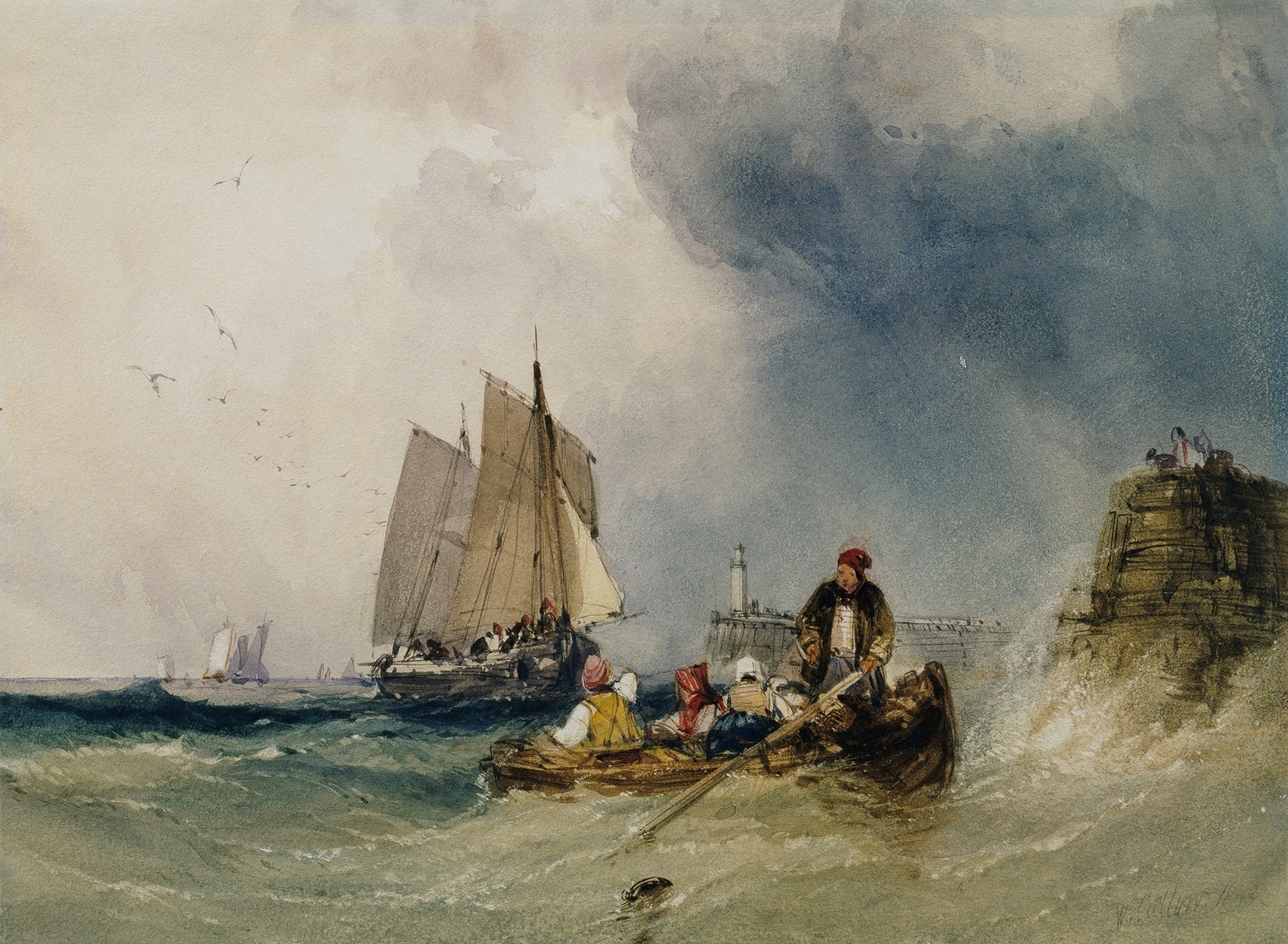
Who listens when art speaks of silence? In the tranquil embrace of nature, a stillness envelops the landscape, whispering the profound weight of unspoken emotions. Focus on the serene expanse of the lake, where gentle ripples reflect the surrounding hills, each brushstroke capturing the delicate interplay of light and shadow. Notice how the muted palette of greens and blues blends seamlessly, evoking a sense of calm yet hinting at an underlying melancholy.
The distant figures in the boat, barely discernible, draw the eye and create a poignant connection to the vastness around them. The composition suggests introspection, as if the two figures are absorbed in shared thoughts, their presence contrasting with the expansive solitude of the landscape. The still water serves as a mirror not just to the natural beauty but also to the emotional depth of loss and longing, inviting viewers to contemplate their own experiences of grief. The serene hills loom large, perhaps symbolizing the weight of memories that can overshadow even the most picturesque scenes.
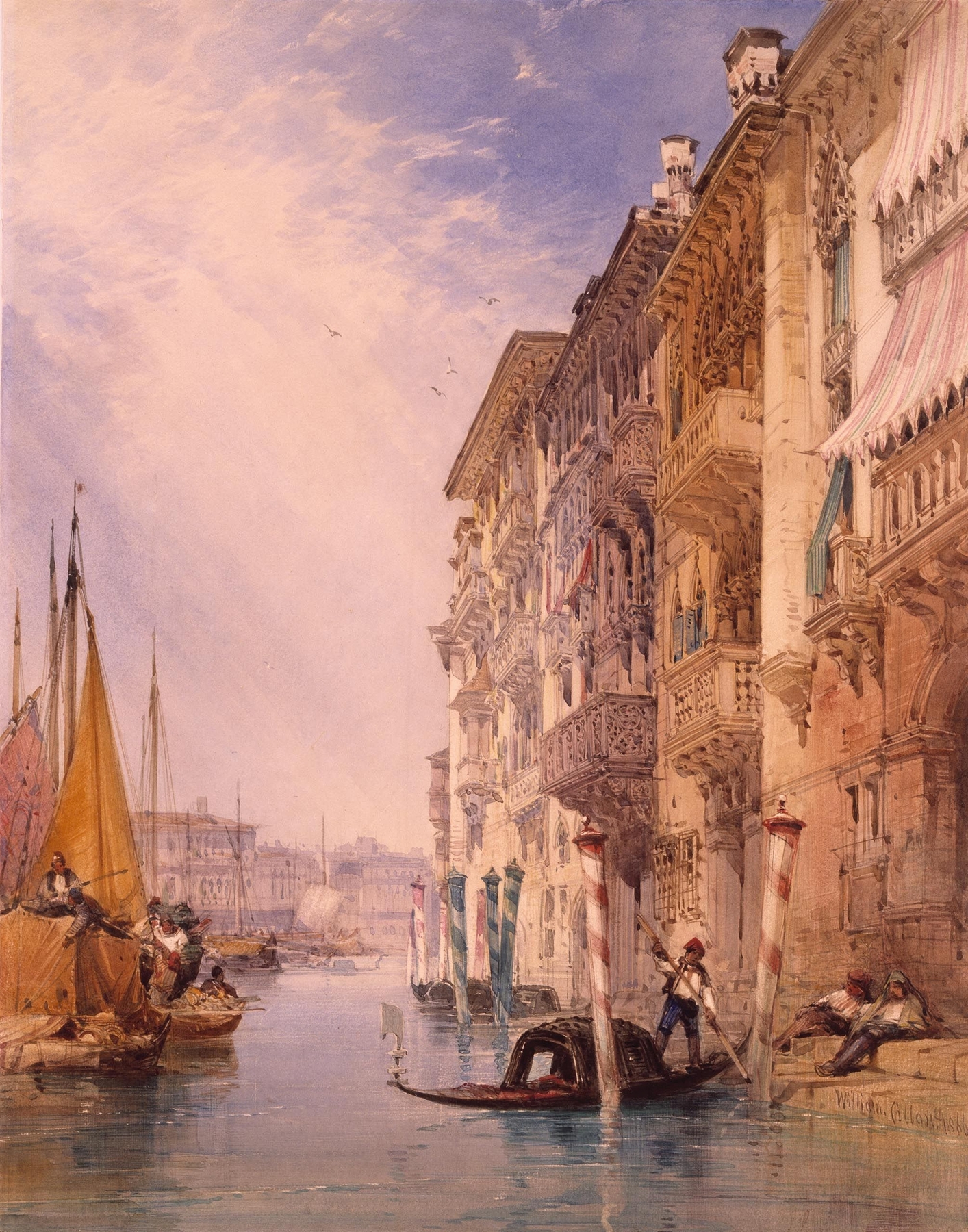
William Callow painted this landscape between 1822 and 1908 during a time marked by significant changes in the art world, as Romanticism gave way to Impressionism. Living in England, he became known for his landscapes that often reflect both the beauty and the ephemeral nature of life. This piece encapsulates a moment of quiet reflection, an invitation to pause and listen to the silence that art can evoke.