Heuvellandschap met figuren bij de oever van een rivier — History & Analysis
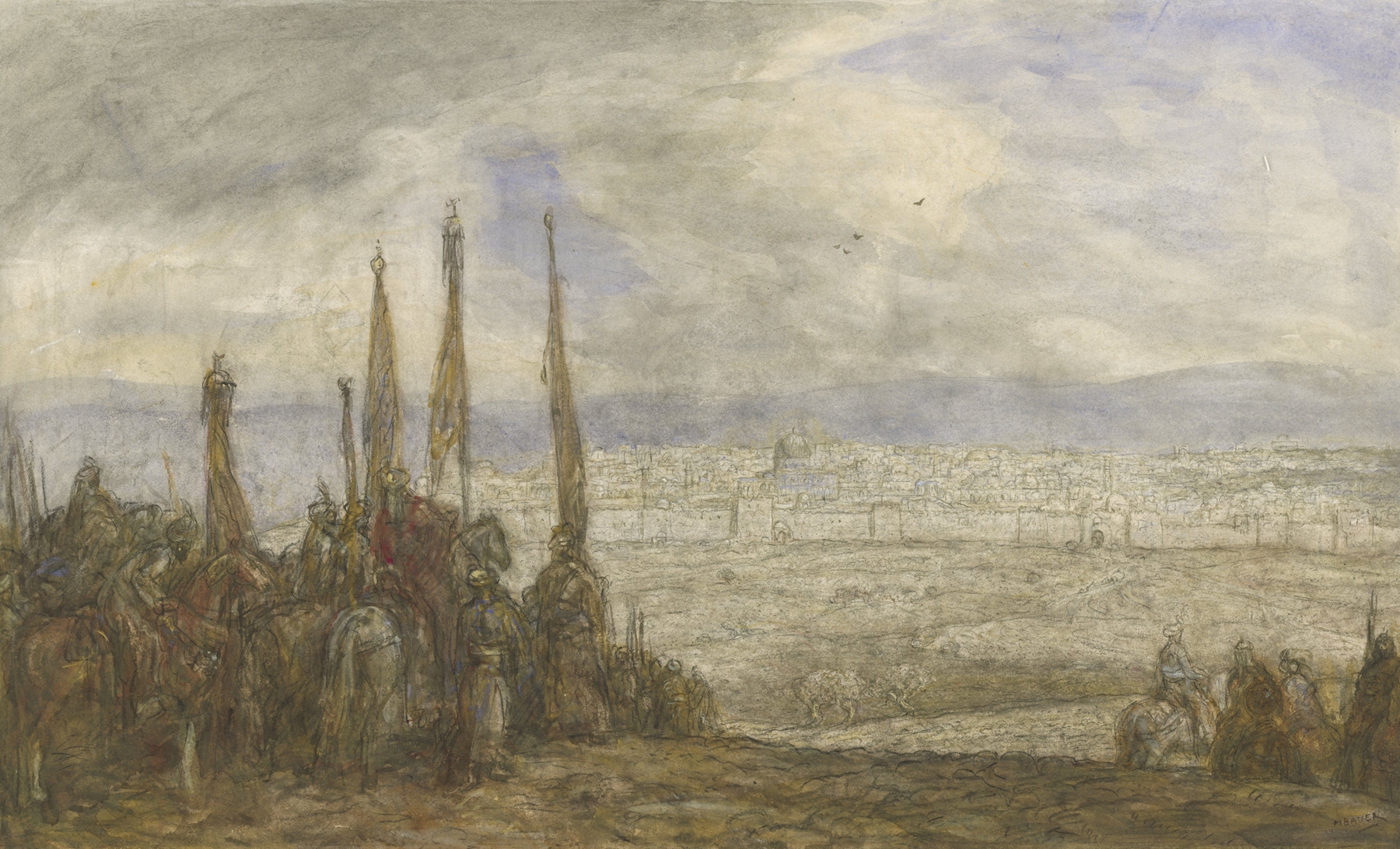
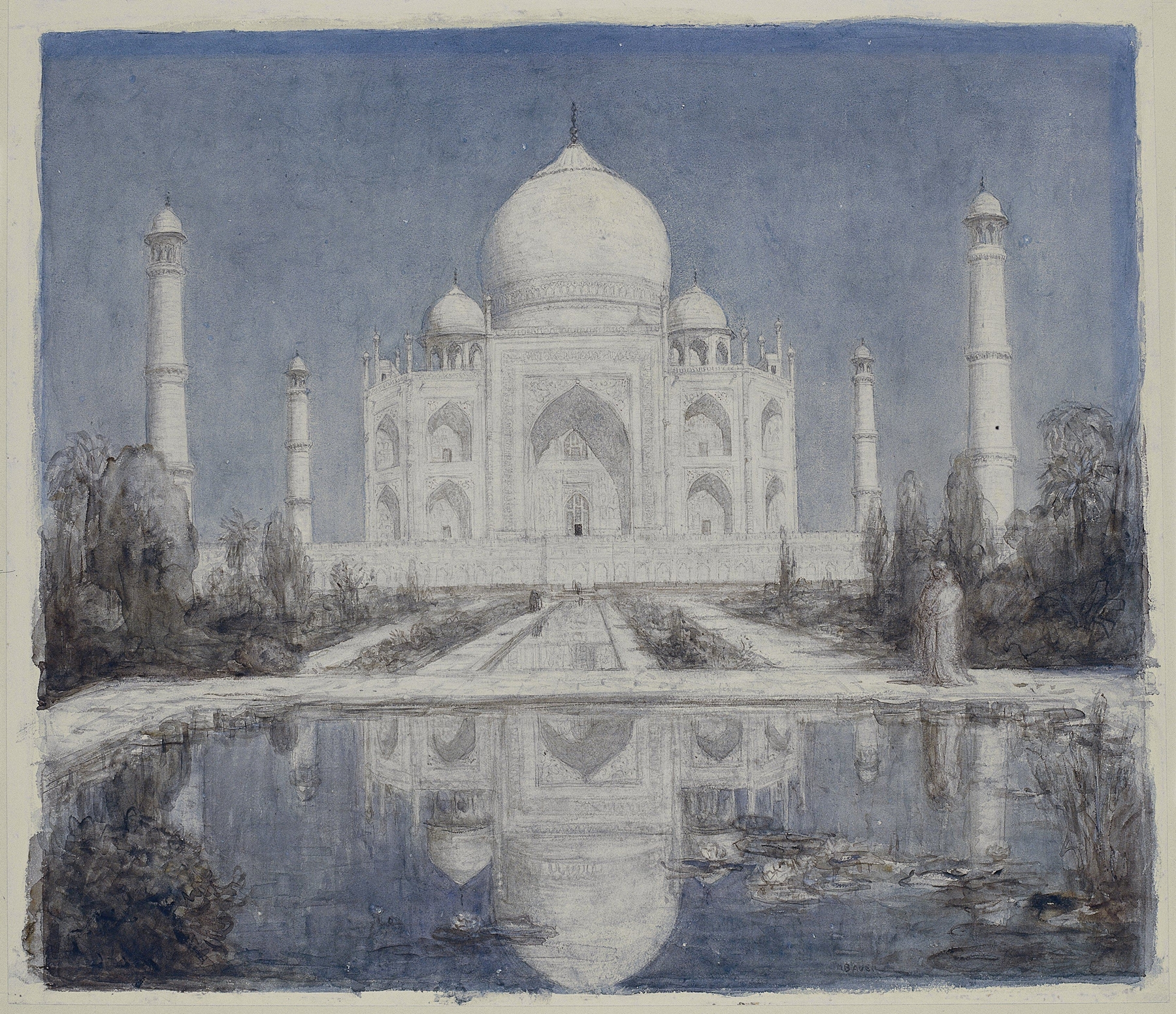
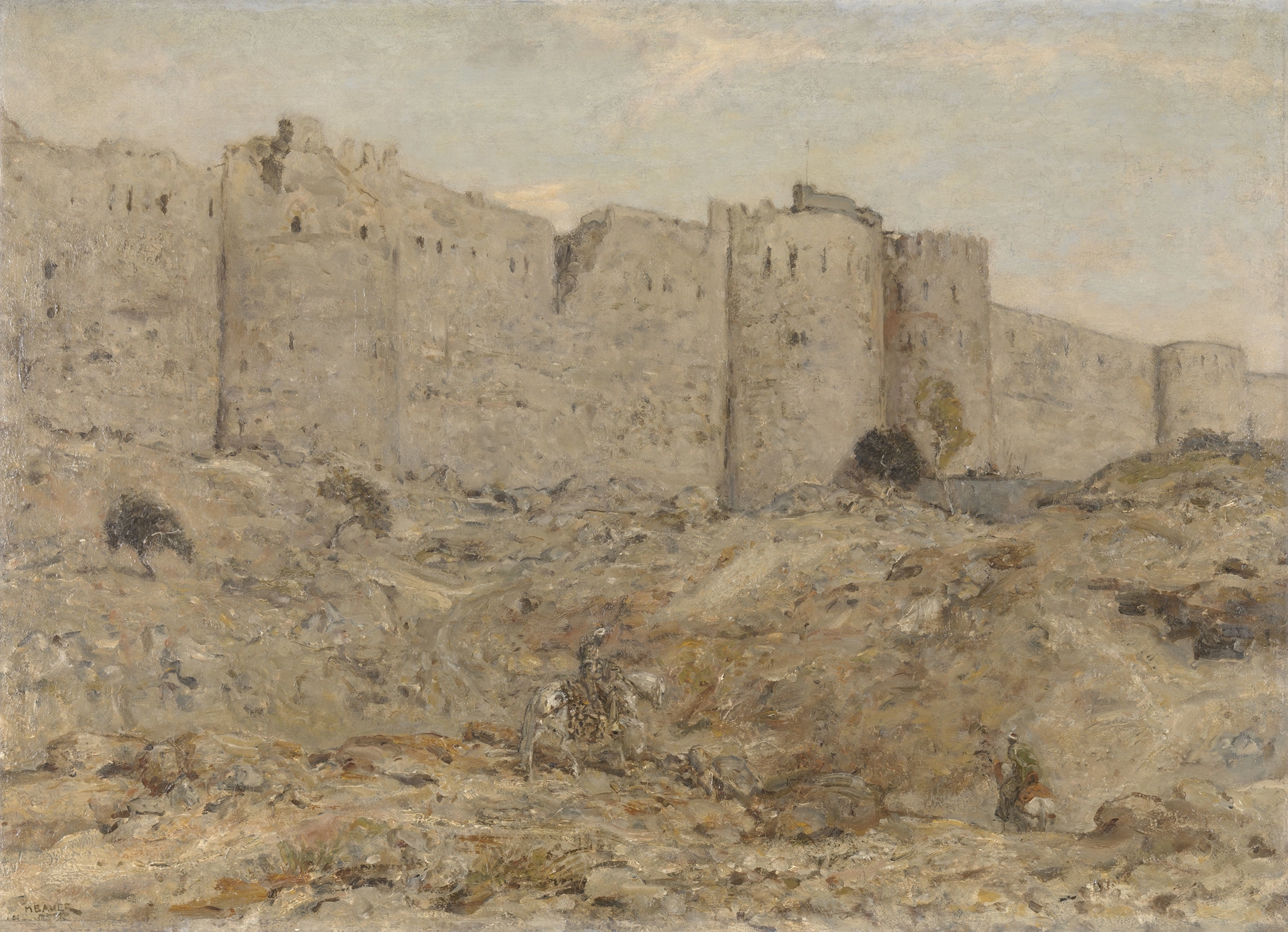
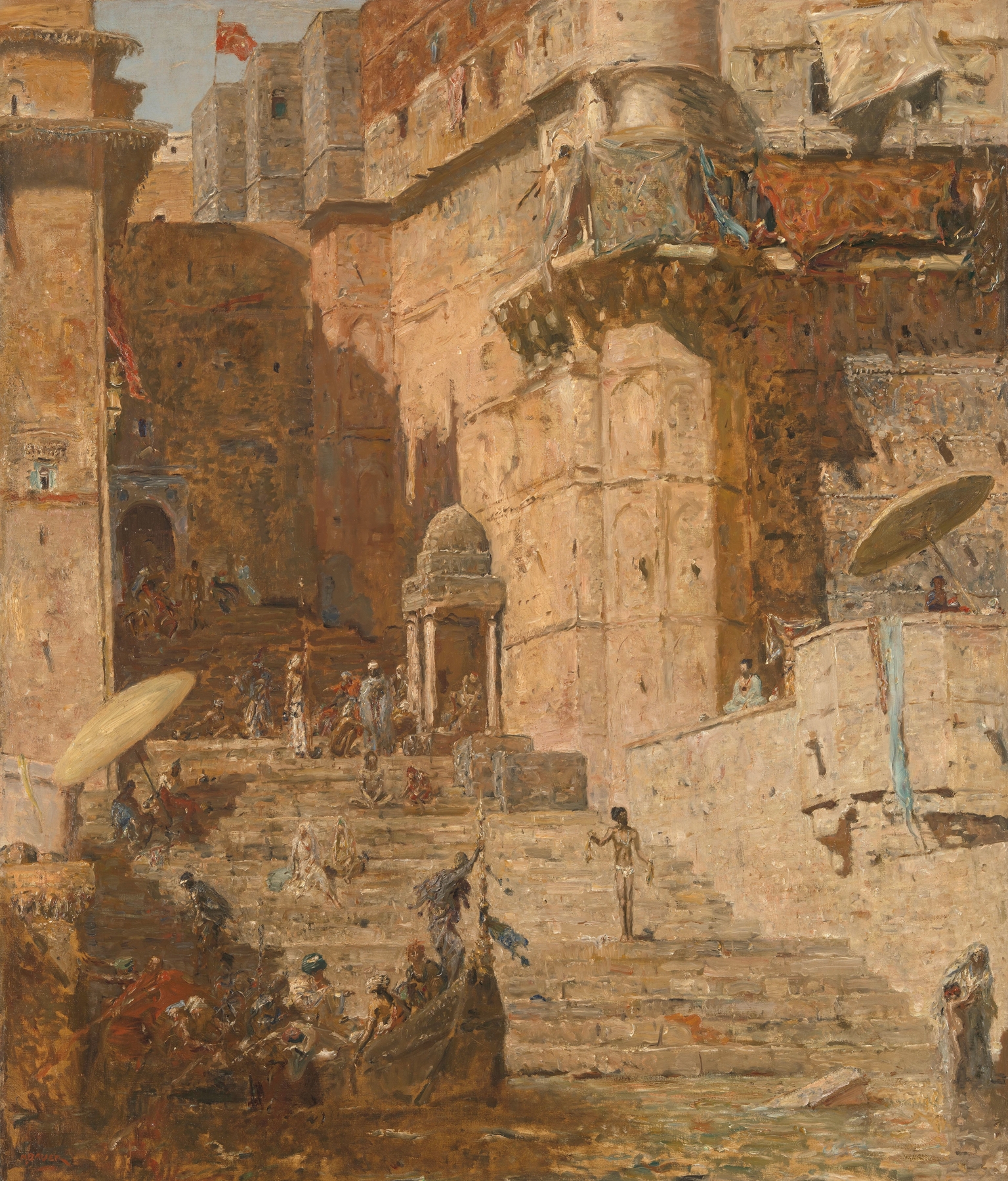
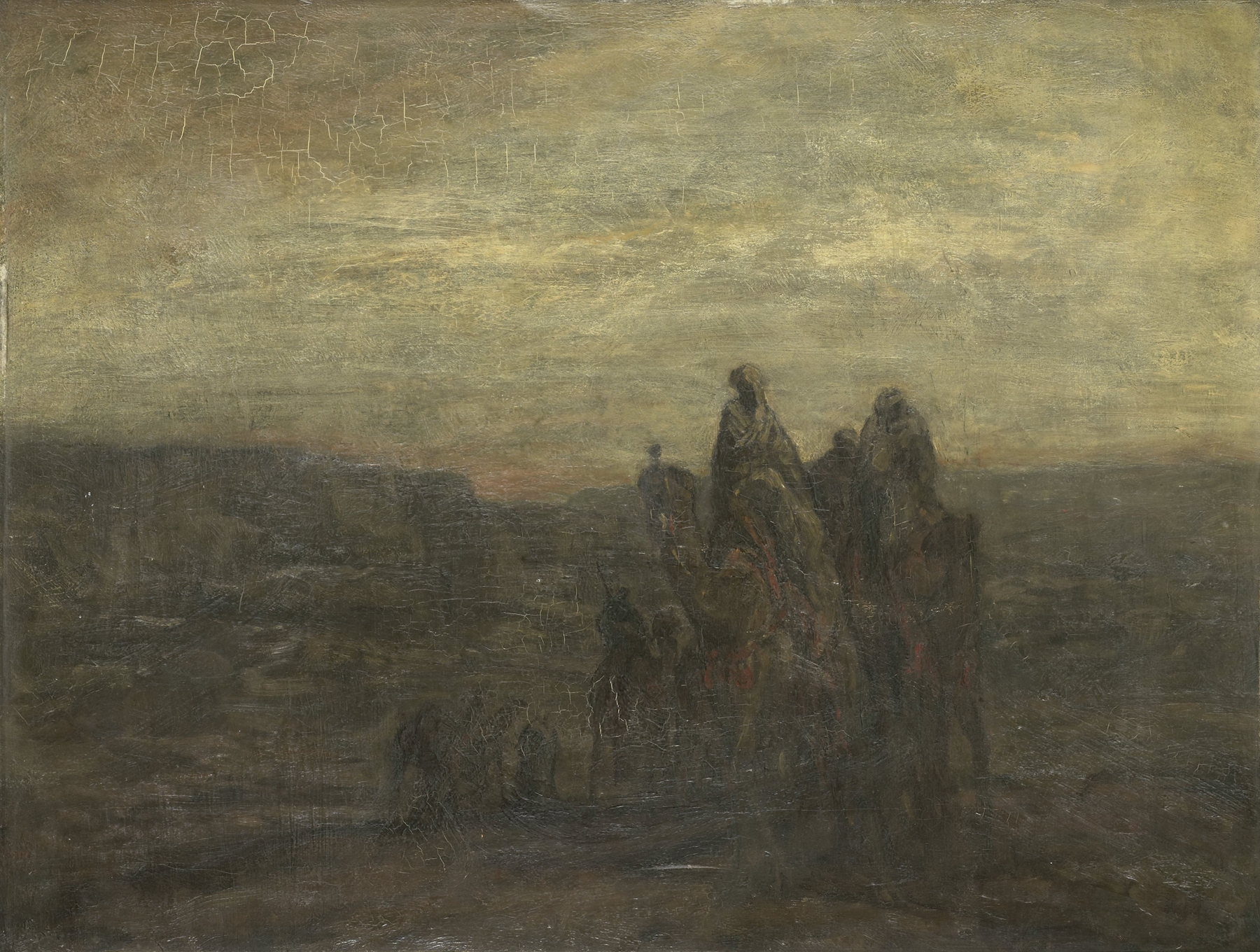
“To paint is to remember what time wants us to forget.” In the gentle embrace of memory, art becomes a vessel for legacy, capturing whispers of the past that might otherwise fade into the shadows of time. Look to the foreground where the figures stand, their silhouettes stark against the lush, rolling hills that lead your eye toward the serene riverbank. Notice how the soft greens and browns of the landscape mingle, each stroke a delicate balance of earth and life. The light cascades subtly, illuminating the figures and casting elongated shadows, inviting contemplation of their presence in this tranquil scene.
Within this composition lies a dynamic interplay of solitude and togetherness. The figures, though united by their space, convey a sense of individual stories, each lost in thought as they gaze toward the river. The contrast between the vibrant hues of nature and the muted tones of their clothing emphasizes the significance of legacy — a moment preserved against the relentless flow of time. The water’s reflective surface hints at deeper currents, both literal and metaphorical, suggesting that life is but a fleeting moment captured in a painting.
Created in 1931, this work by Marius Bauer reflects a time when he was deeply engaged in exploring landscapes infused with human presence. Living in the Netherlands during a period marked by social change and artistic evolution, Bauer sought to convey a sense of connection to the land and its history. This piece not only showcases his skill but also serves as a poignant reminder of the enduring nature of memory and the desire to hold onto what shapes us.