House in Provence — History & Analysis
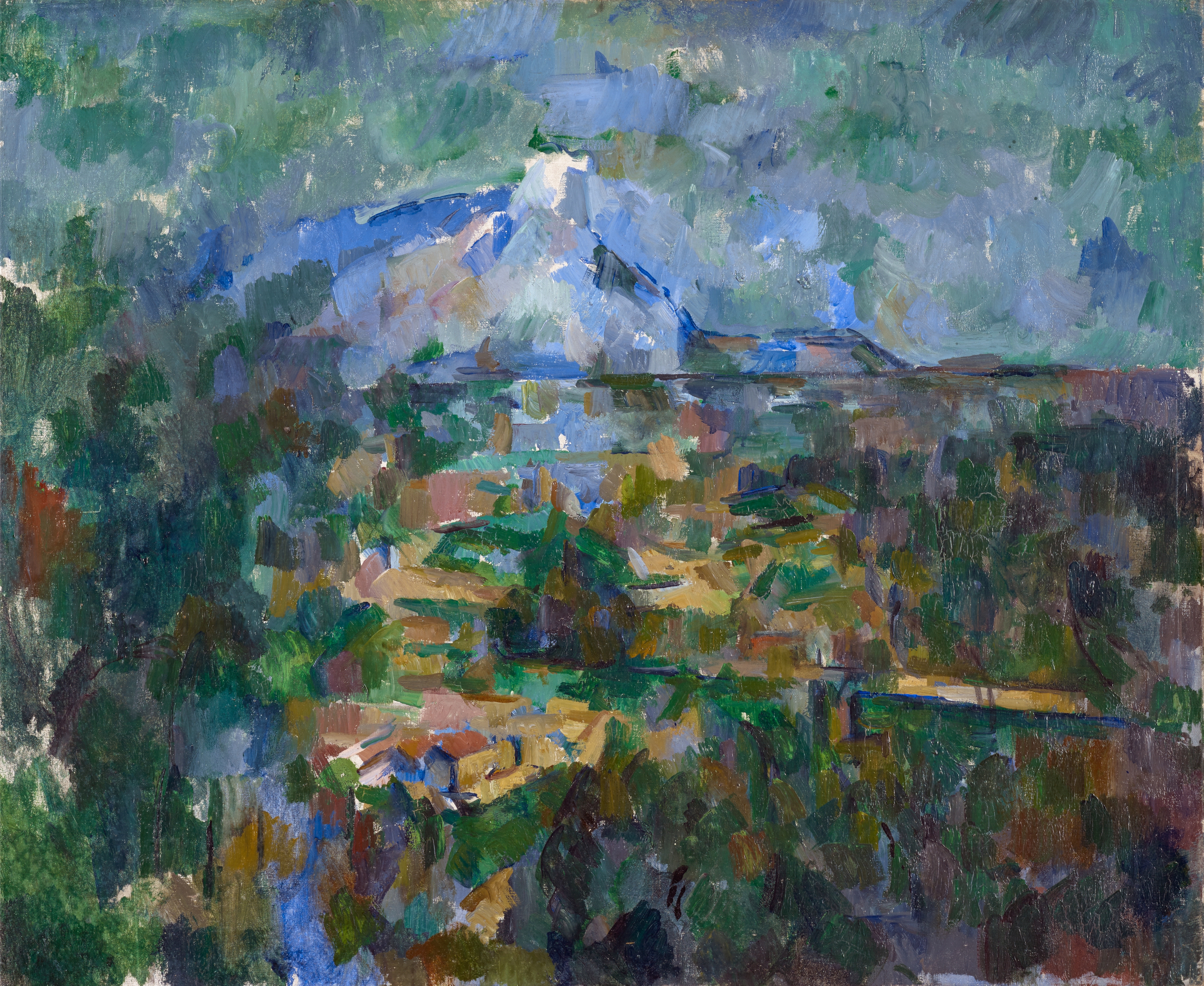
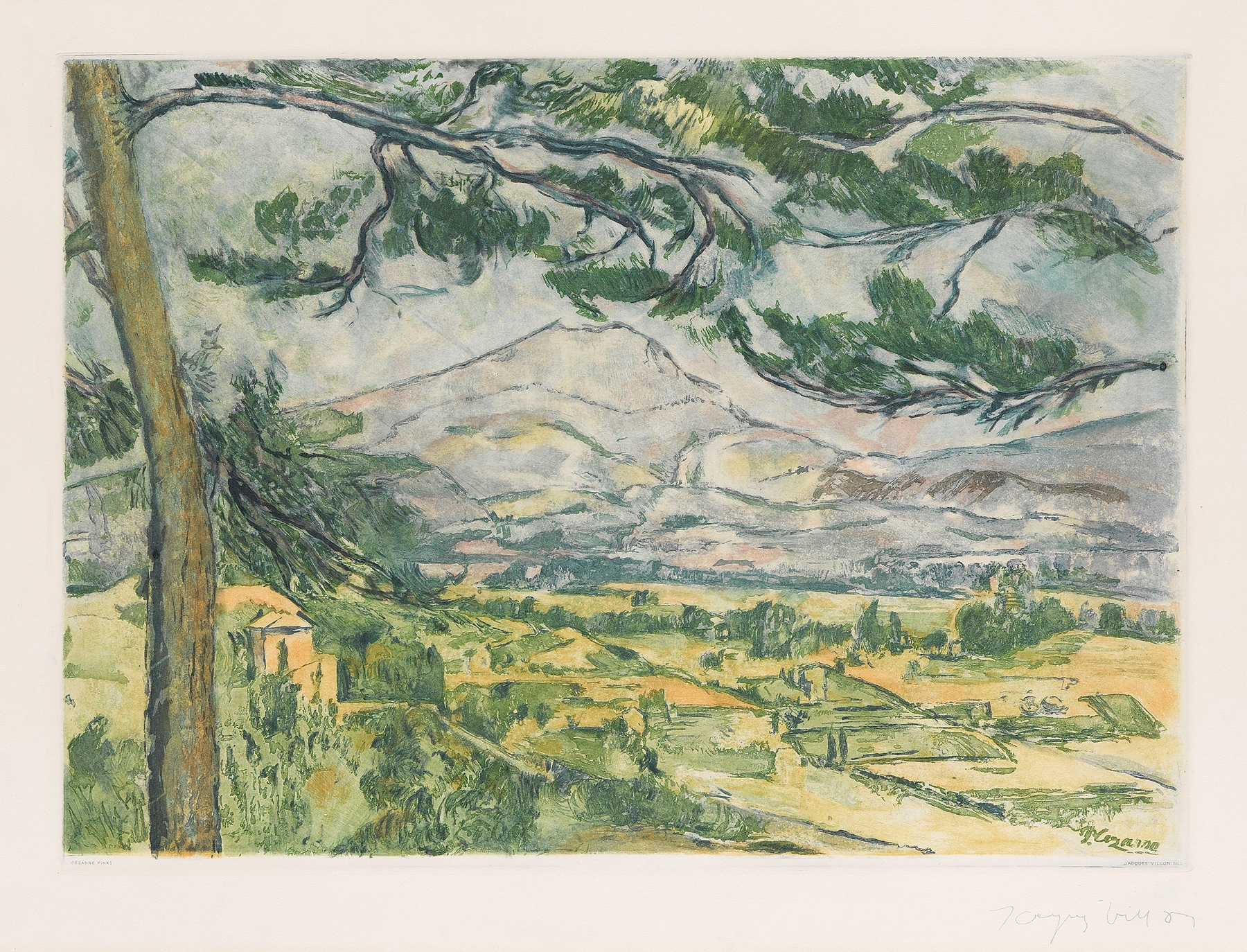
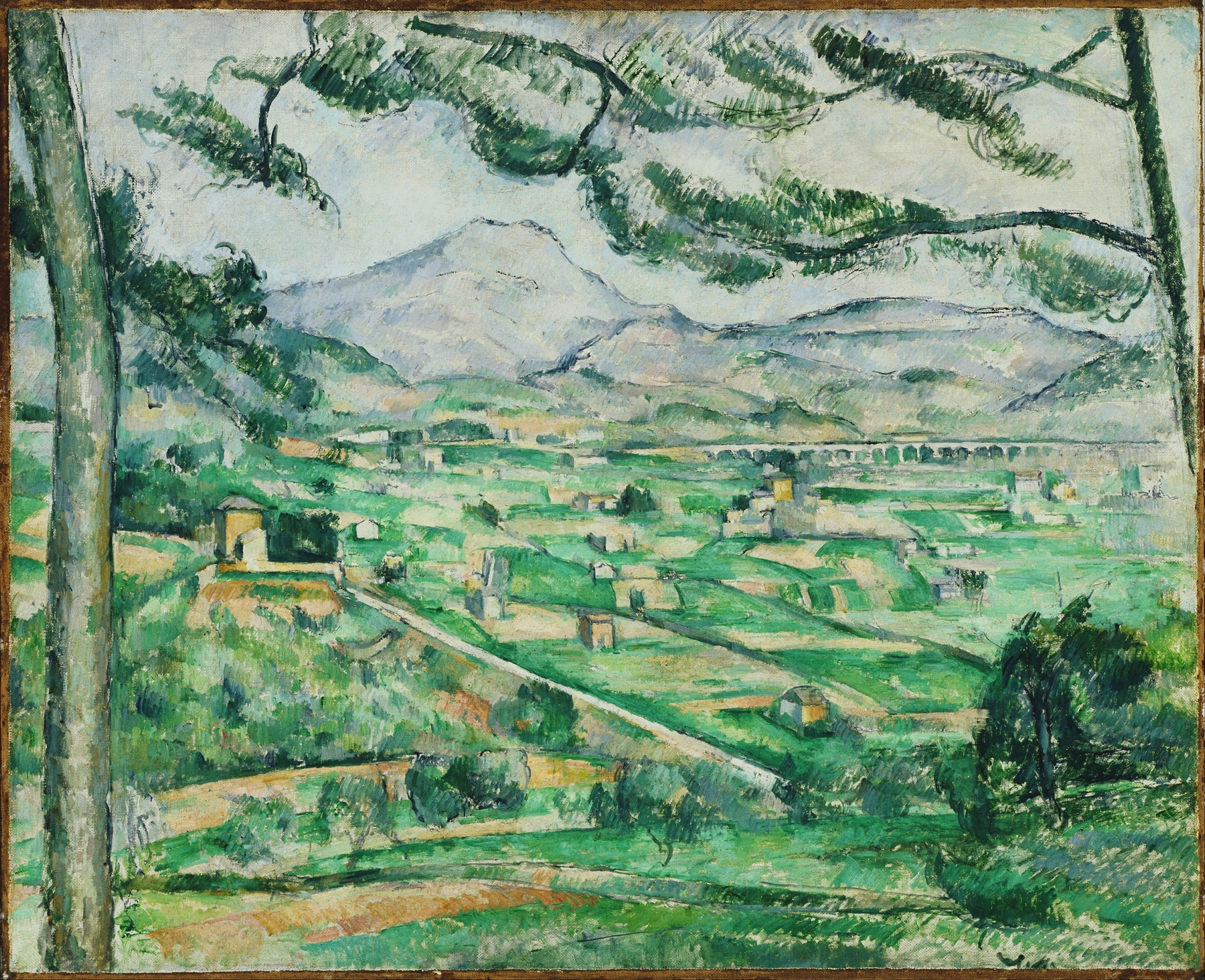
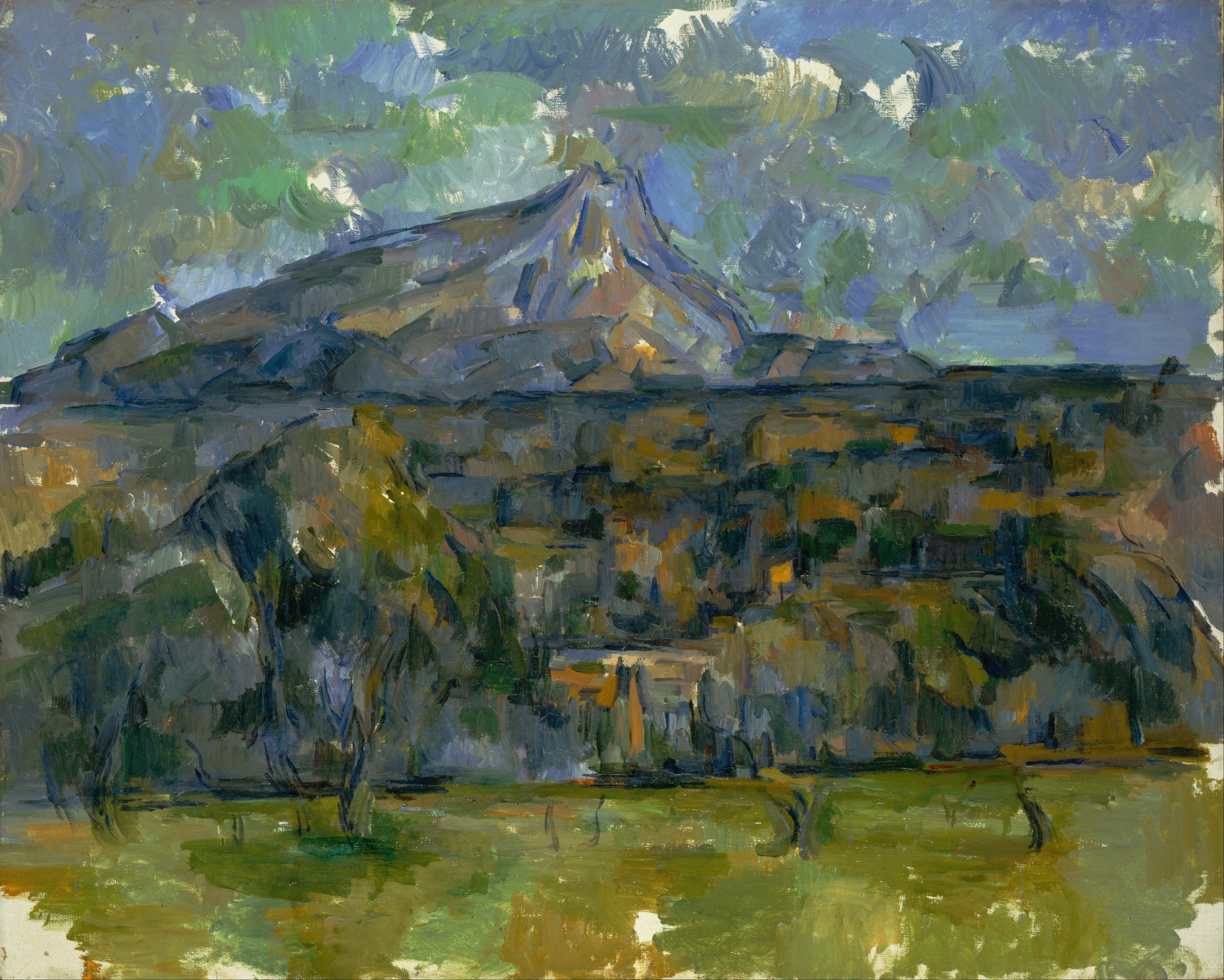
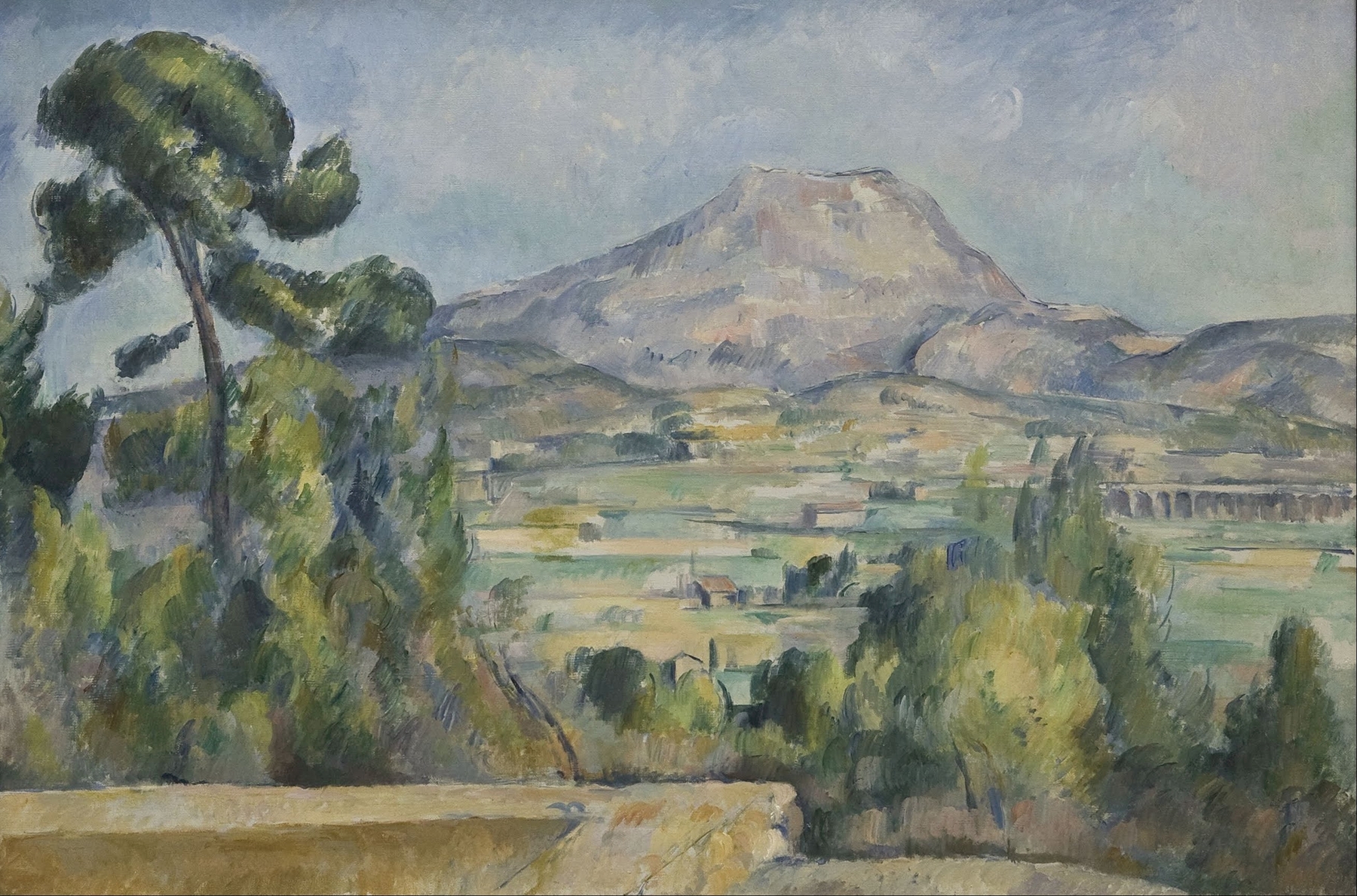
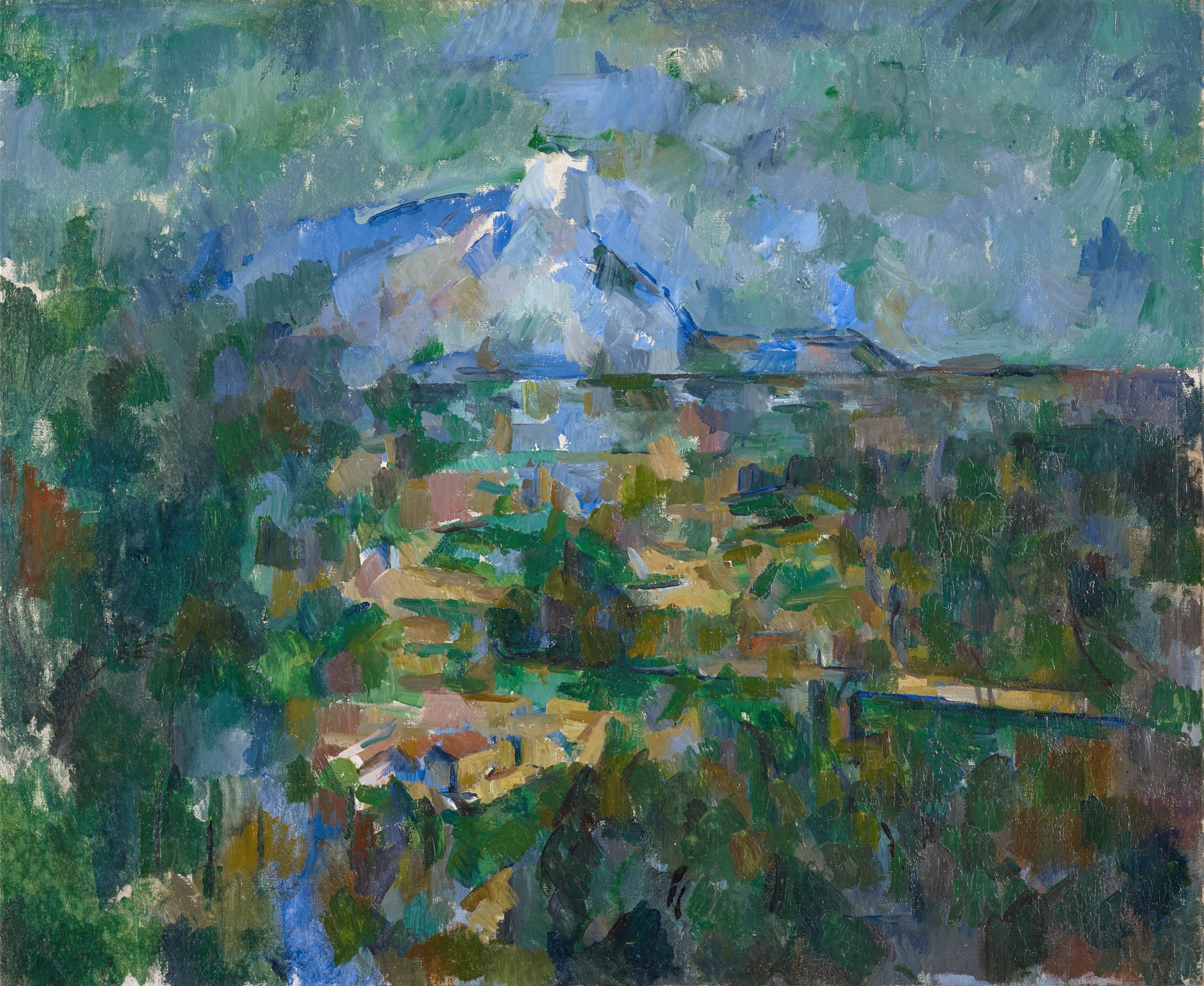
What secret hides in the quiet of the canvas? In House in Provence, a serene abode stands resolute against the backdrop of an idyllic landscape, whispering tales of warmth and hope. Focus first on the house, nestled comfortably in the lush greenery of the Provençal countryside. Notice how the earthy tones of ochre and sienna define its sturdy structure, distinct yet harmoniously blending with the surrounding nature. The soft, dappled light filters through the trees, creating a mosaic of shadow and illumination, guiding your gaze around the canvas.
Cézanne’s brushstrokes, both deliberate and spontaneous, evoke a sense of movement in the landscape, while the sky’s subtle gradation hints at the passage of time. Yet beneath the tranquil surface lies a tension between permanence and transience. The house, a symbol of stability, stands in stark contrast to the ever-changing sky, suggesting the ephemeral nature of life and hope. The trees, animated by the breeze, seem to dance with longing, inviting both the viewer and the inhabitants to engage in a dialogue about place and belonging.
Each element is a thread in a tapestry of emotional resonance, reminding us that even in stillness, life unfolds with a quiet intensity. Cézanne painted this piece in 1885 while living in the south of France, amidst a burgeoning movement toward Impressionism. The artist was grappling with his place in the evolving art world, striving to capture the essence of his surroundings while remaining true to his own vision. At this time, he would have been reflecting on the relationship between man and nature, exploring how they intertwine in a delicate balance.