Iceberg — History & Analysis
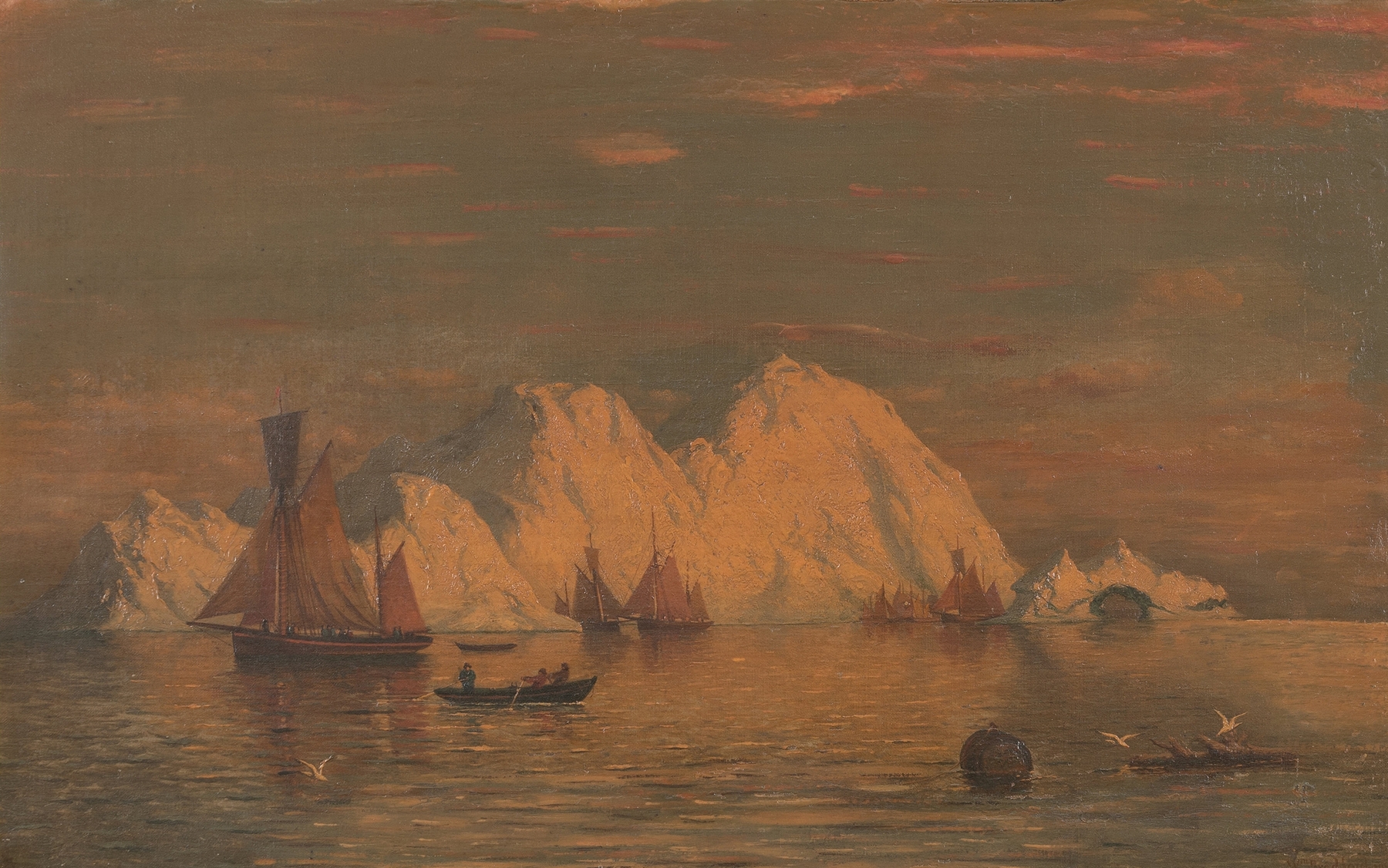
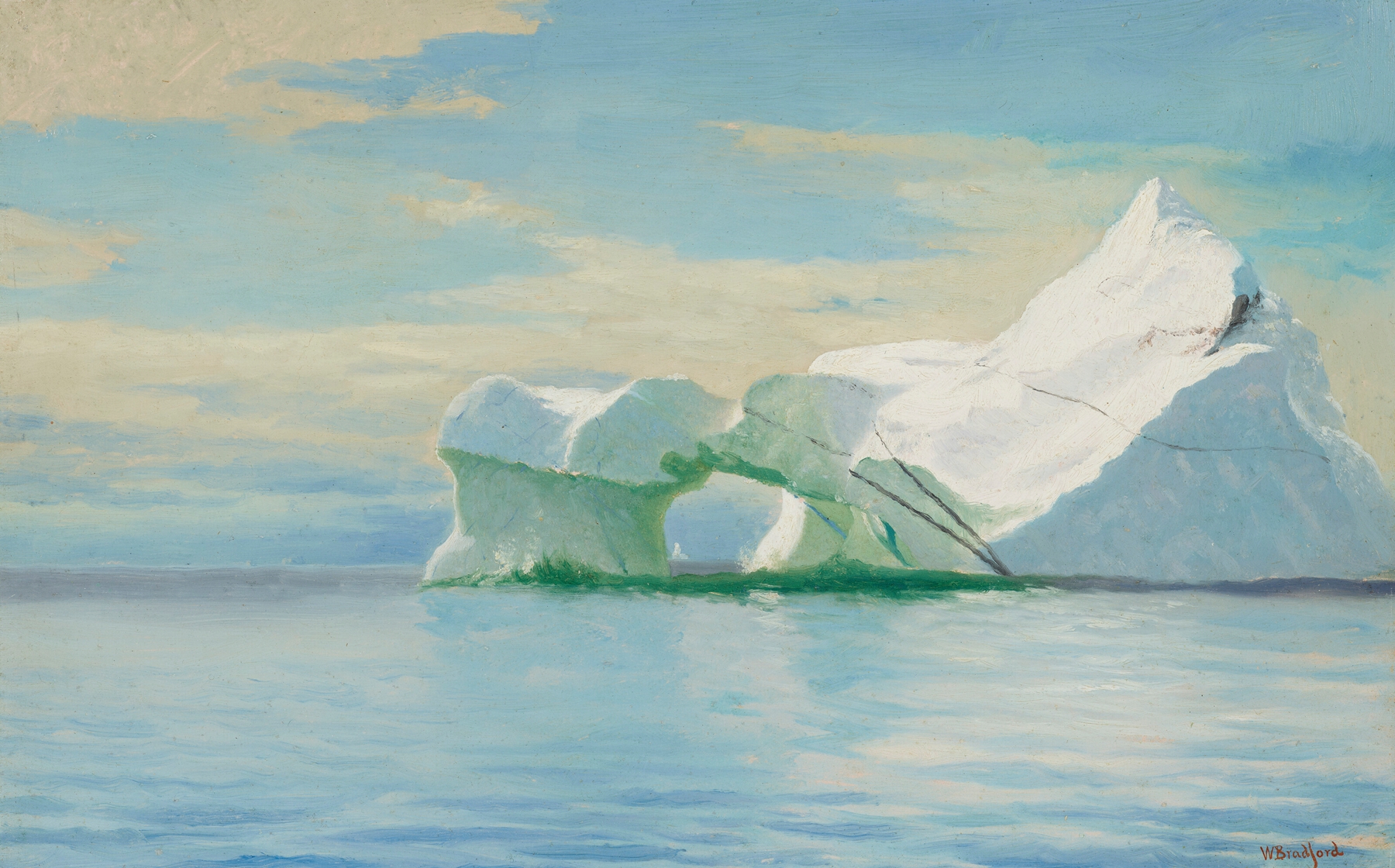
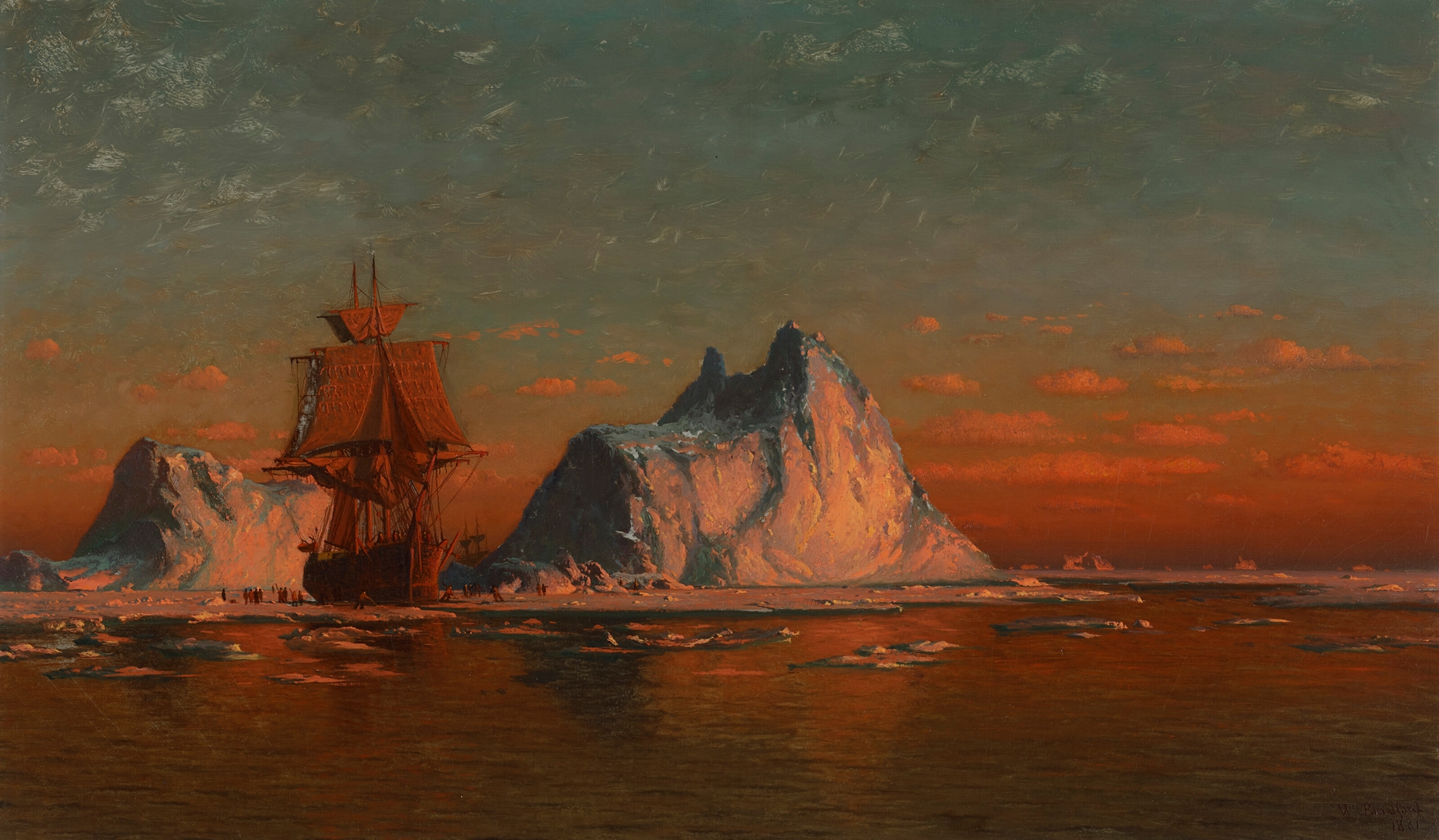
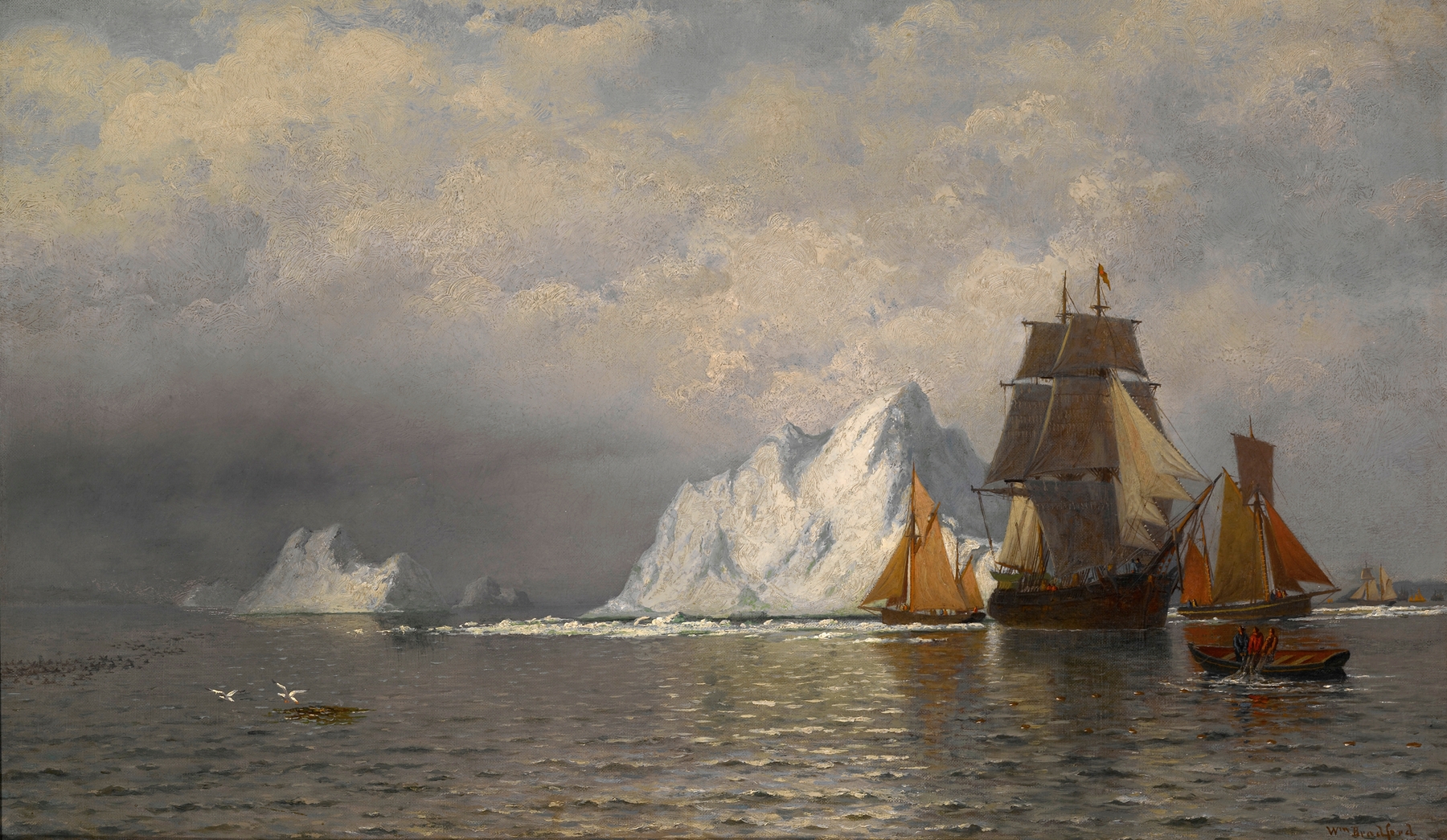
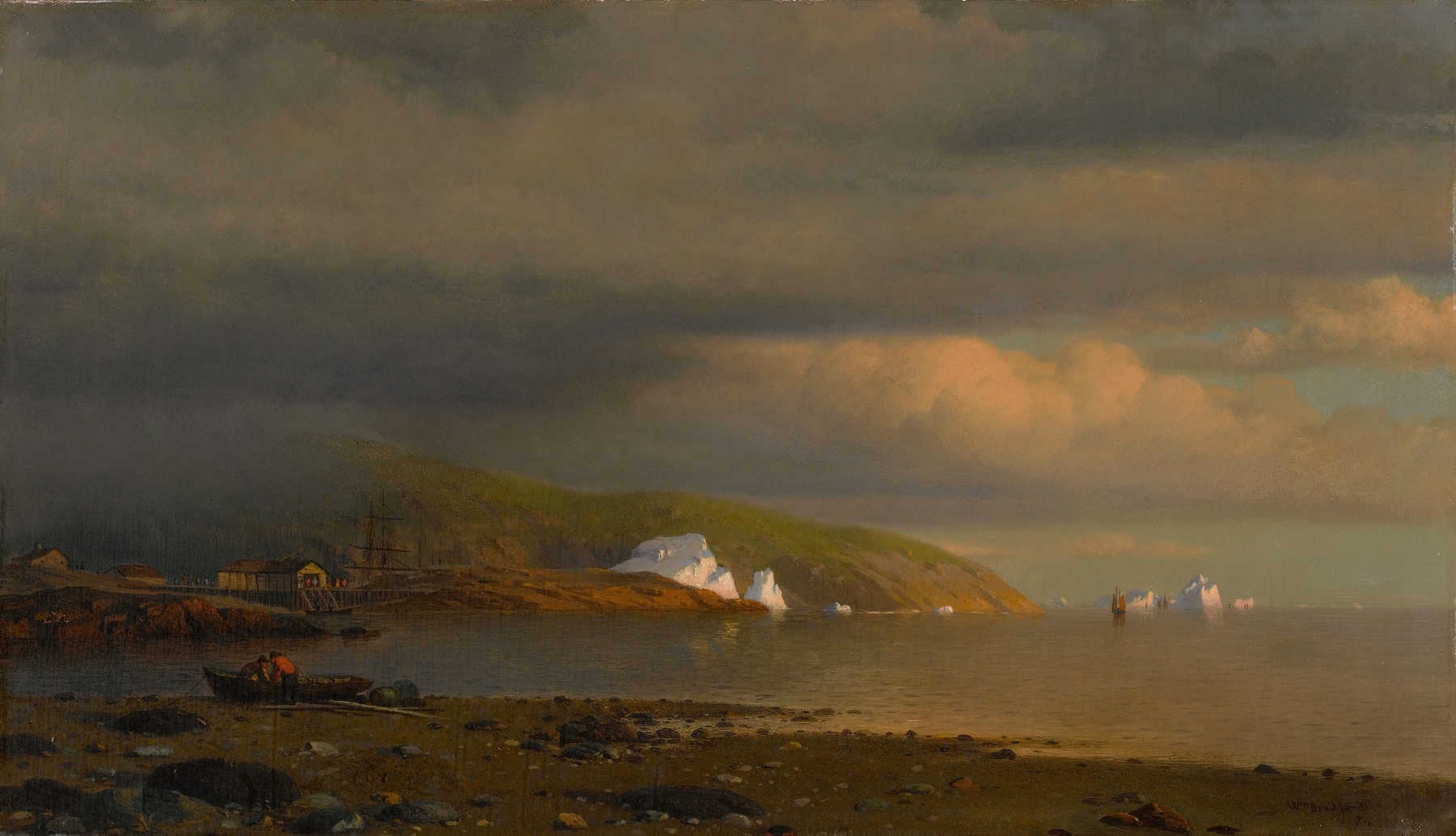
“The canvas doesn’t lie — it simply waits.” It beckons us to interrogate its depths, to explore the fragile boundary between reality and illusion, where perception bends under the weight of beauty. Focus on the majestic iceberg dominating the scene, its towering ice formations glistening with hues of blue and white. Look closely at the artist's brushwork: the delicate strokes create texture, evoking the chill of the Arctic air. Notice how the sunlight ignites the ice, casting a shimmering reflection on the water's surface, where the azure sea melds into a tranquil sky.
The composition pulls you into a dreamscape, a sublime moment frozen in time. The iceberg, a paradox of strength and vulnerability, embodies the transient nature of existence. Consider the contrast between the solidity of the ice and the fluidity of the water; this tension encapsulates the duality of beauty and danger. The artwork reveals a delicate balance, inviting contemplation on the impermanence of nature.
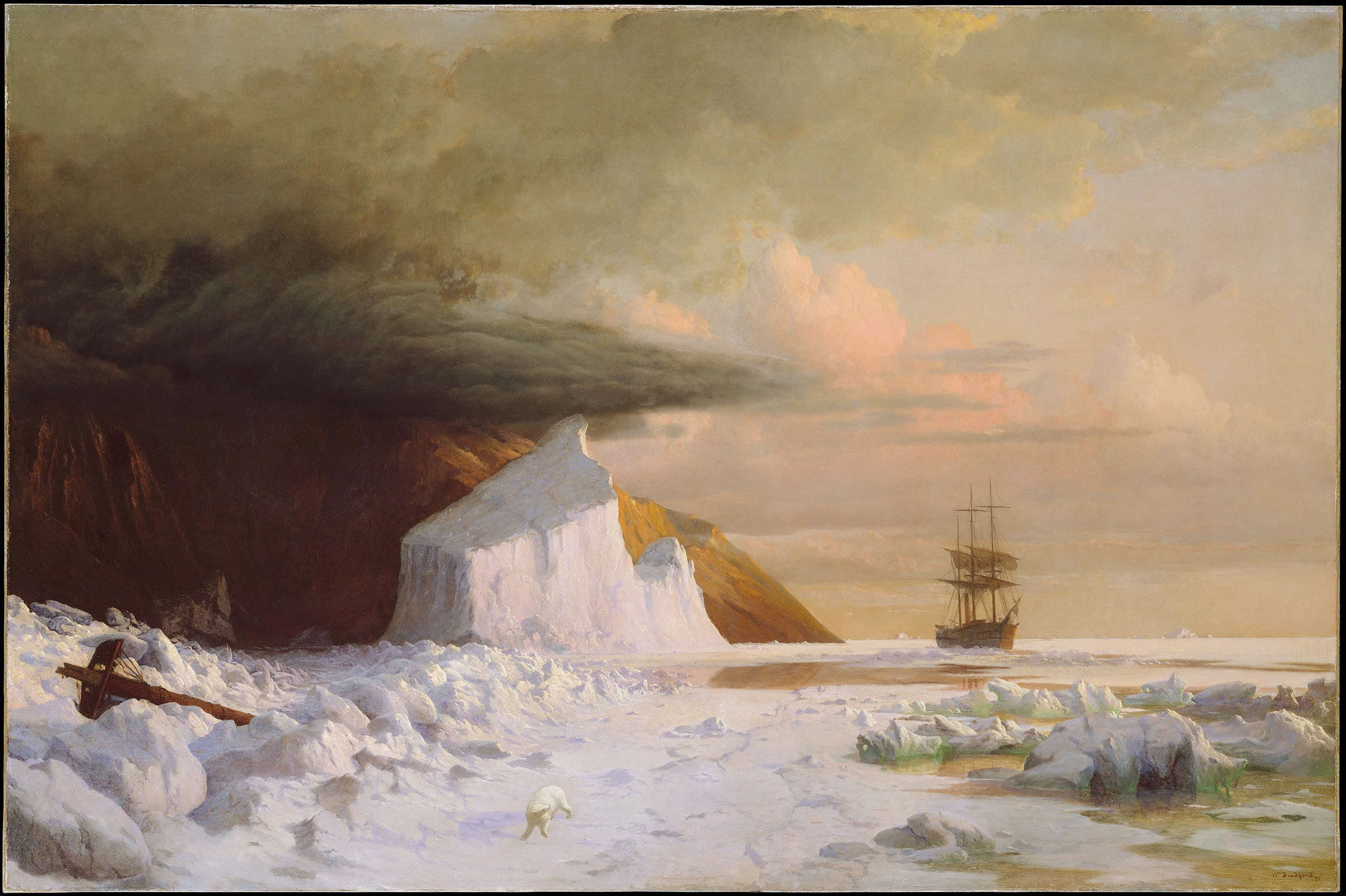
Each crack and crevice in the iceberg hints at a history deep beneath the surface, an unspoken narrative of time and transformation. In 1869, William Bradford meticulously crafted this piece while immersed in the exploration and documentation of the Arctic landscape. This period was marked by a growing fascination with nature’s grandeur, driven by advancements in travel and exploration. His work reflects not only his passion for the wilderness but also a broader cultural moment that sought to capture the sublime beauty of the Earth, even as industrialization loomed on the horizon.