Icebound — History & Analysis
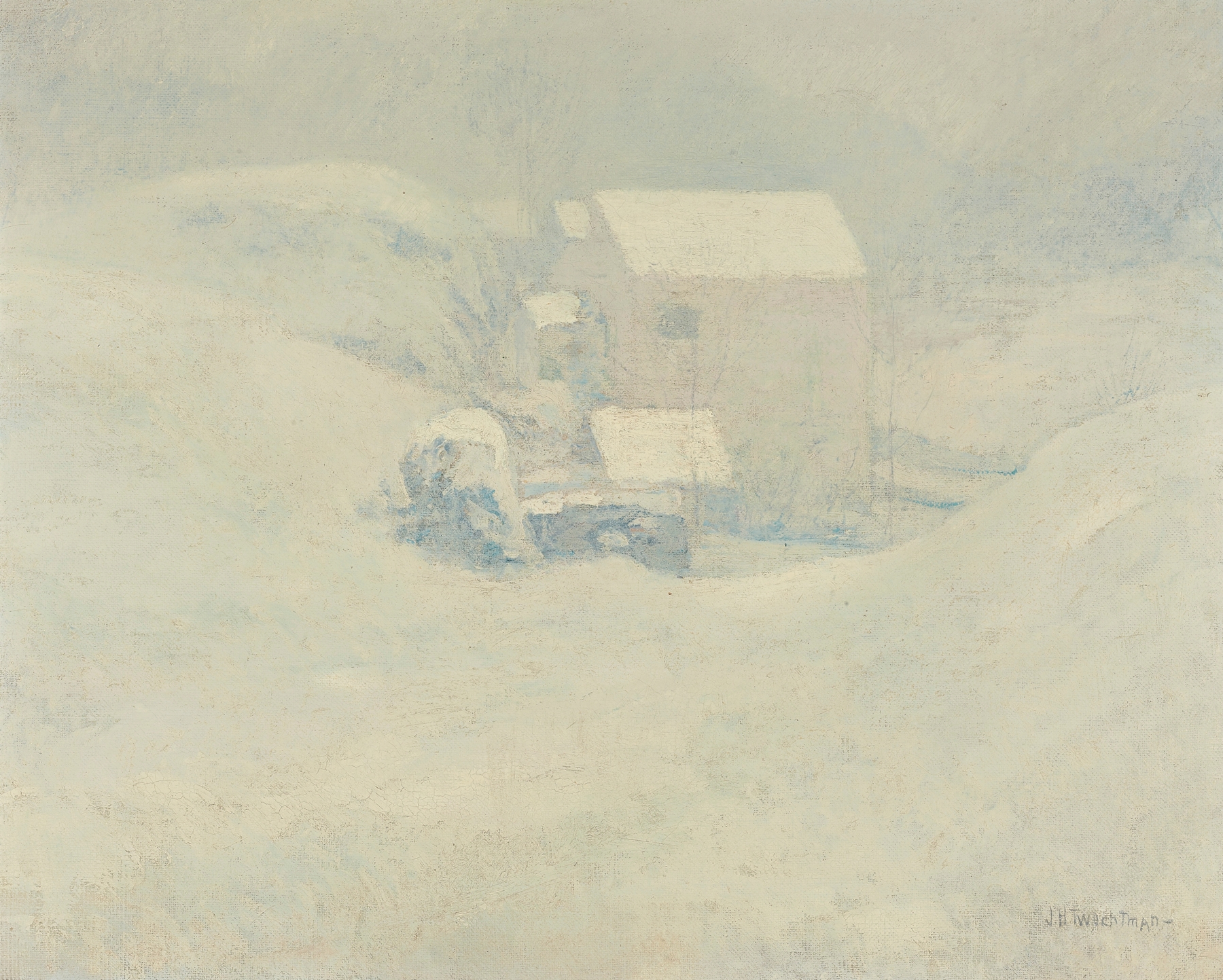
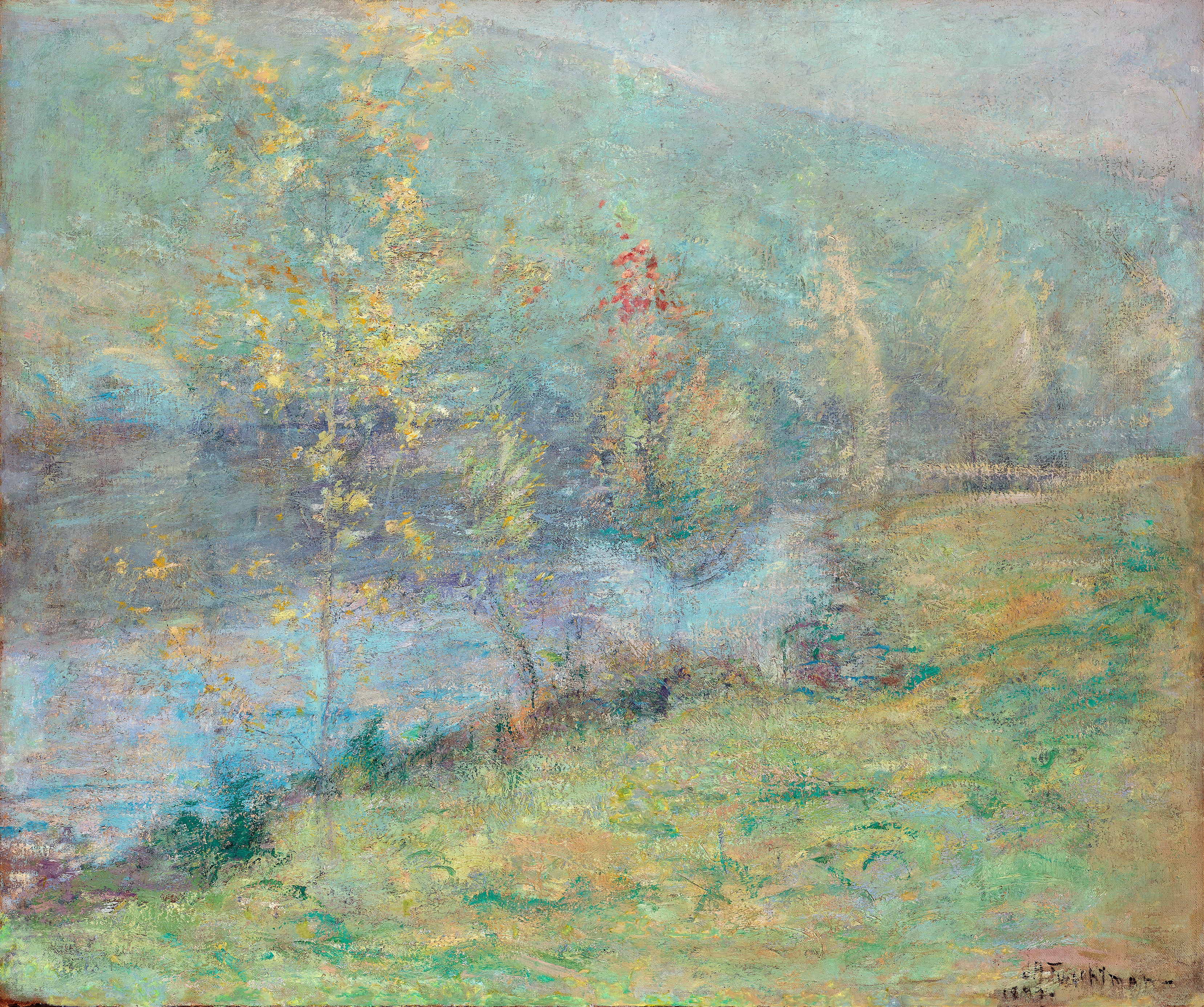
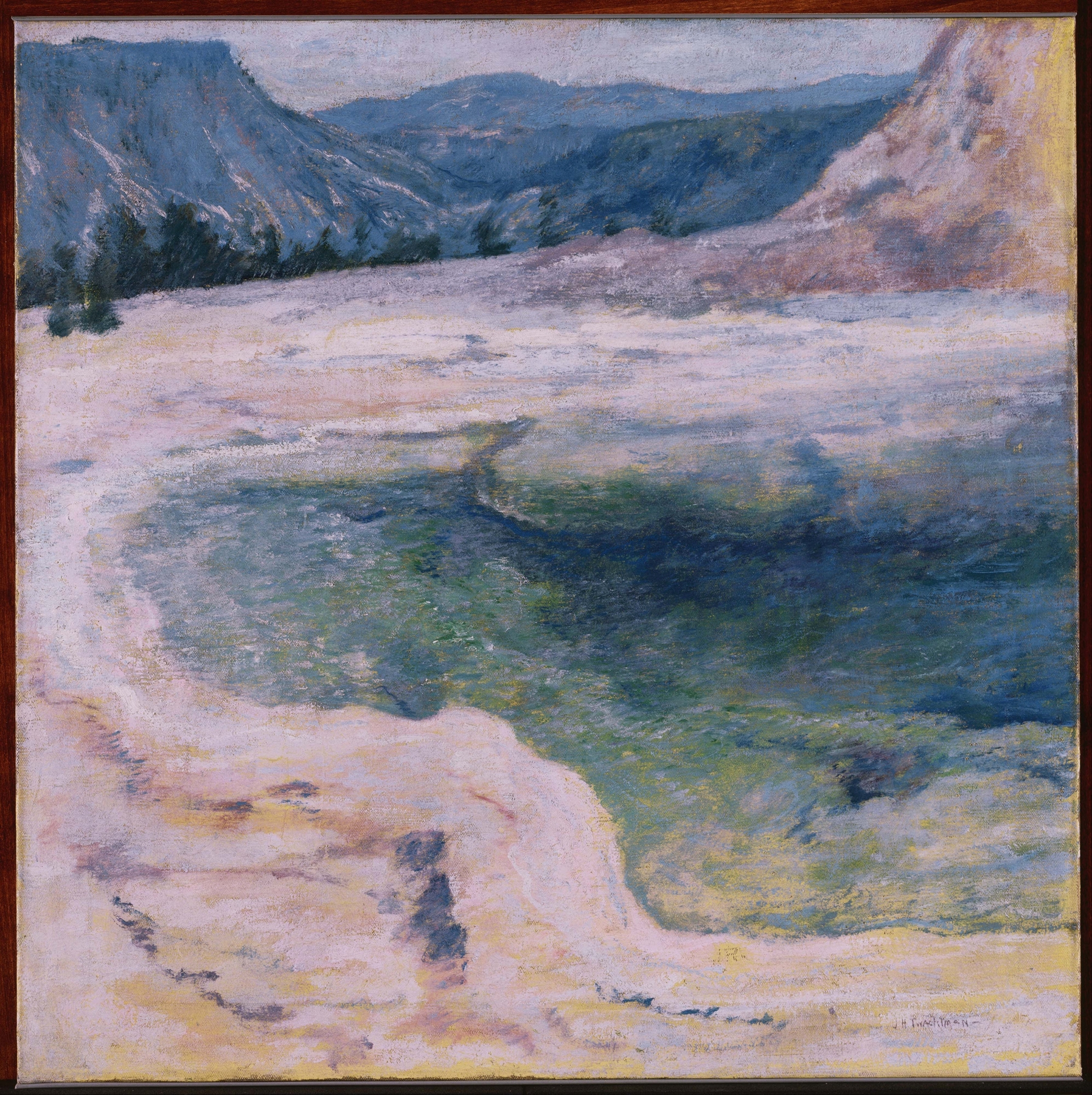
“Between color and silence, truth hides.” In a world often drowned in noise, how does one find beauty in stillness? Look closely at the soft strokes that create the wintry landscape. The muted palette of blues and whites draws you into the heart of the scene, where snow blankets the ground like a gentle shroud. Notice how the icy hues blend seamlessly, giving a sense of depth and tranquility while inviting you to explore the quiet majesty of the frozen world.
As your gaze travels through the painting, the hazy outline of bare trees emerges from the background, their delicate branches reaching skyward like silent prayers. Yet, beneath the serene surface lies a tension between fragility and resilience. The stillness evokes a sense of introspection, as if the landscape holds its breath, awaiting transformation. The intricate details—the glimmer of ice on twigs and the hush of snowflakes—speak to the inescapable cycle of nature, the promise of renewal lying dormant in the cold.
Here, life and death coexist in a fragile harmony, reminding us that within stillness, change is inevitable. Created around 1889, during a time when Twachtman was deeply immersed in the Impressionist movement, Icebound reflects both personal and artistic evolution. Living in Connecticut, the artist captured the essence of the American landscape, embracing the changing seasons and the profound quiet they evoke. This period in his life was marked by a quest for a distinctive voice, striving to translate the ephemeral beauty of nature into timeless art.