A Mountain Gorge — History & Analysis
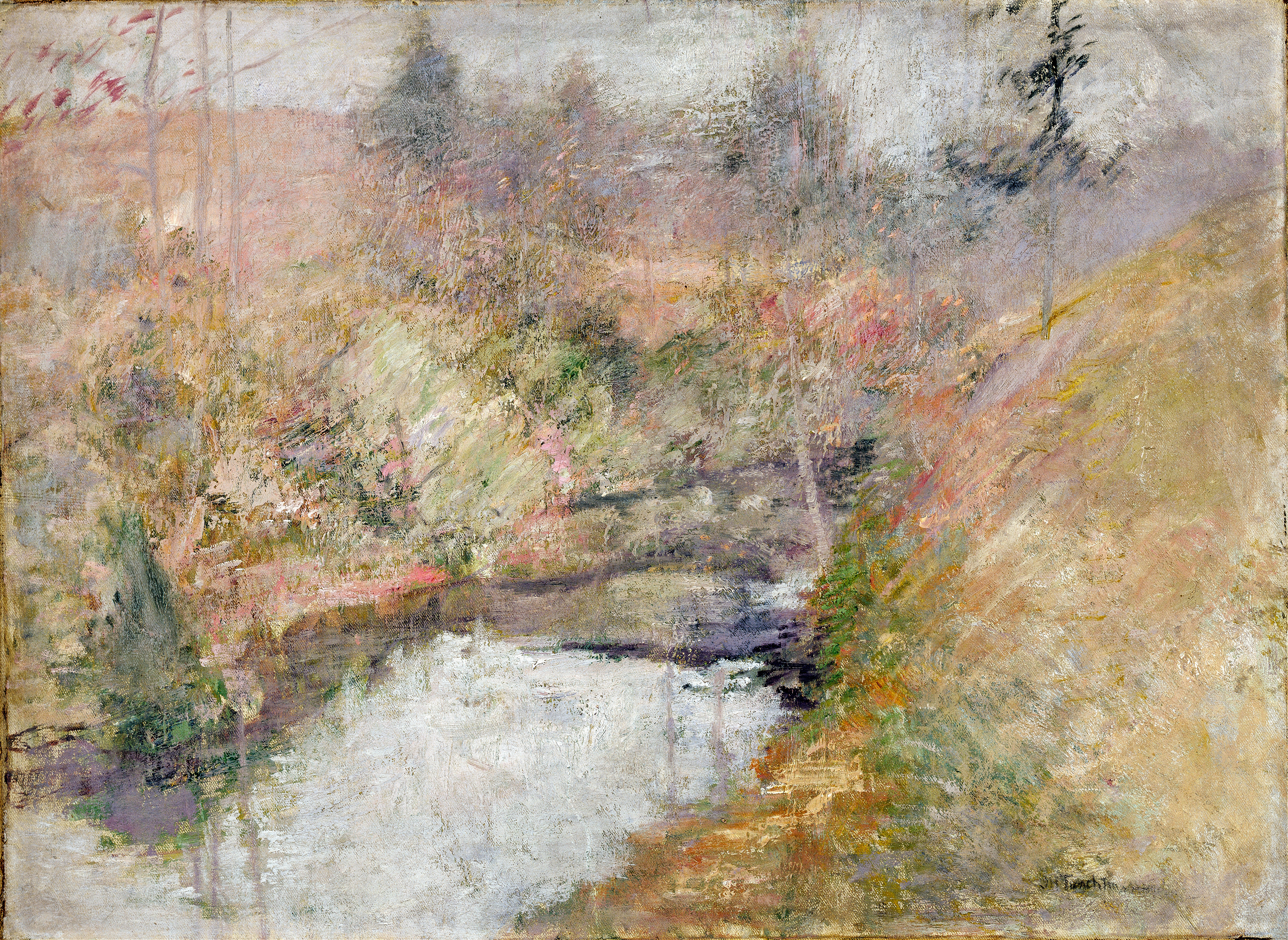
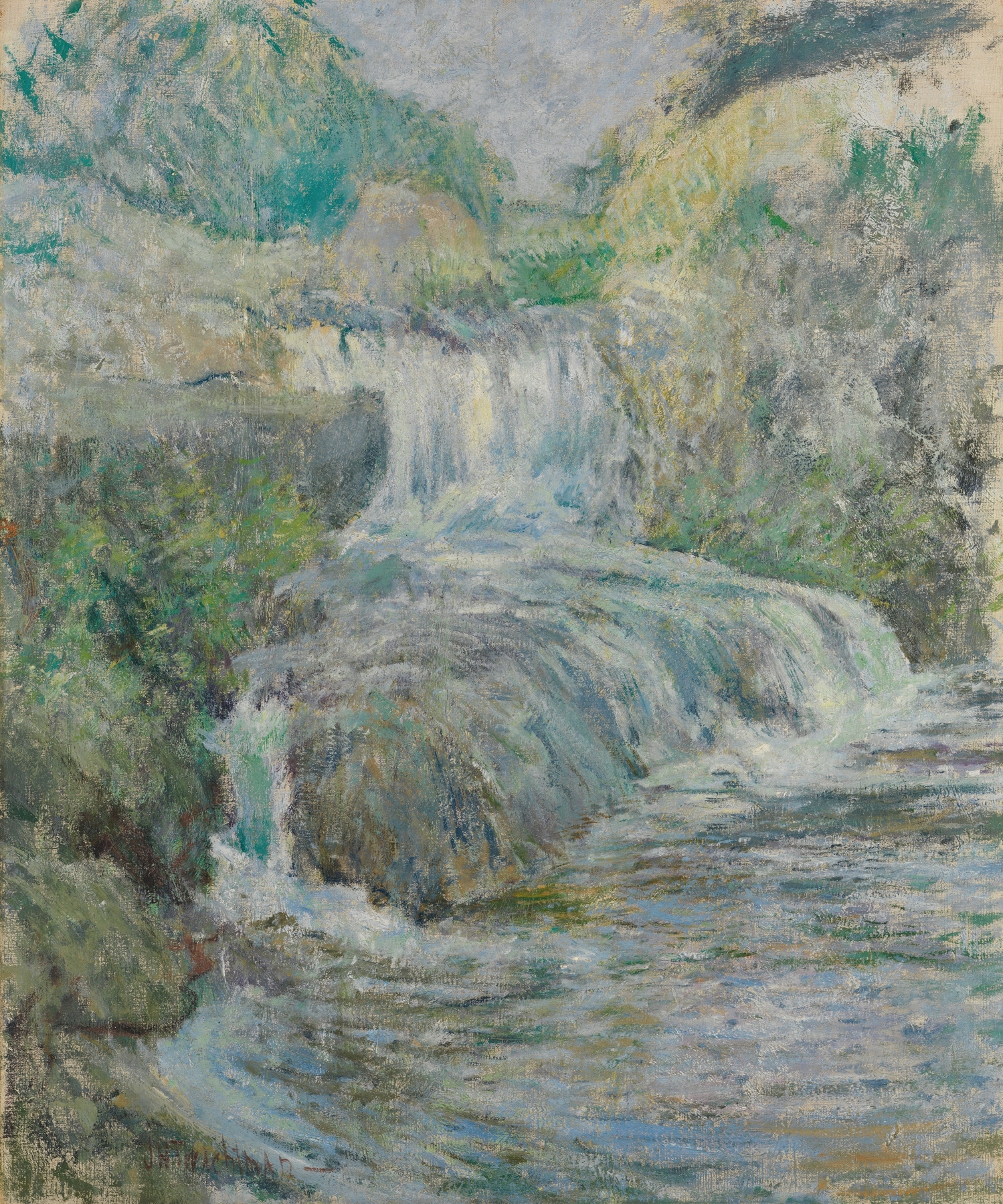
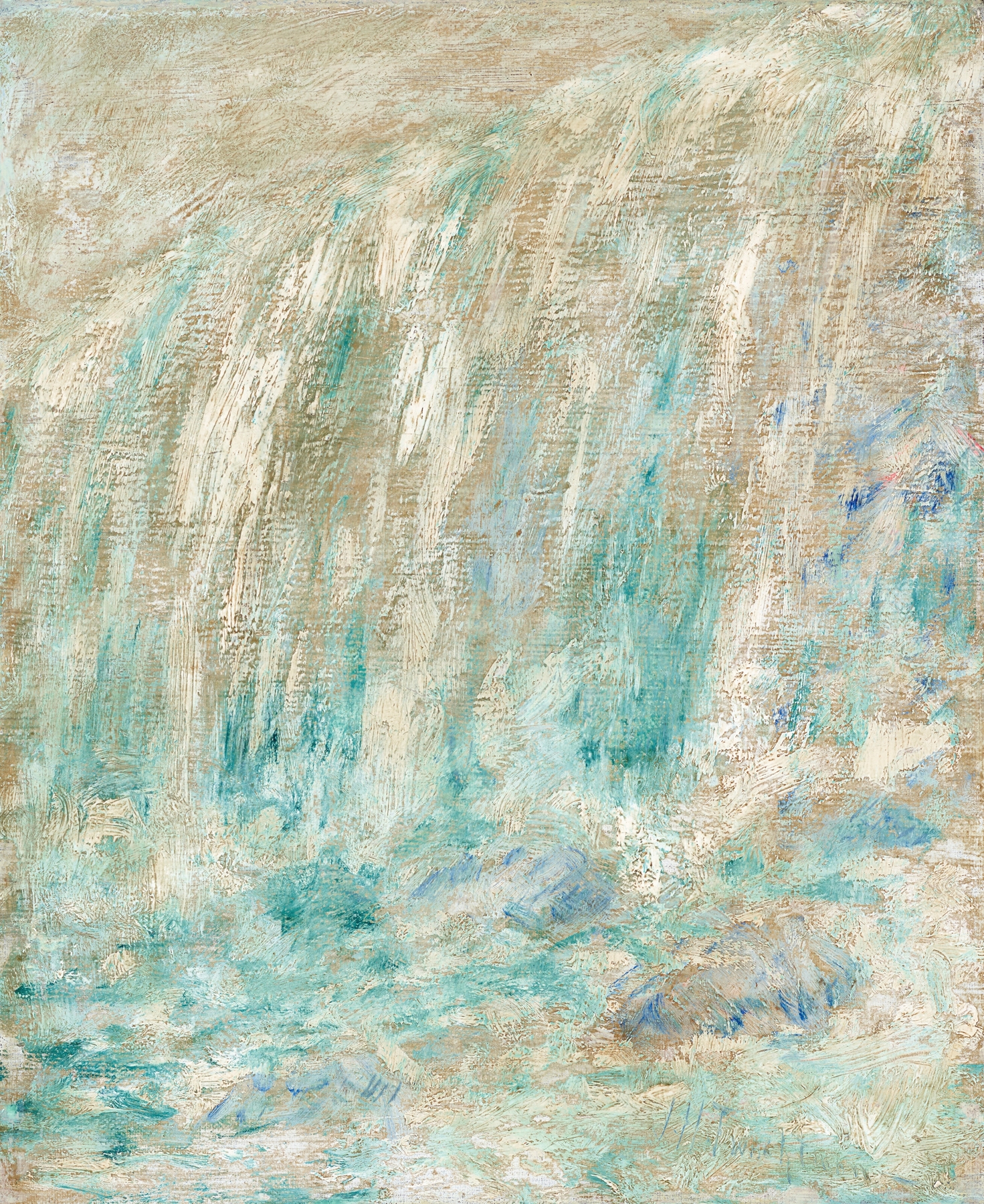
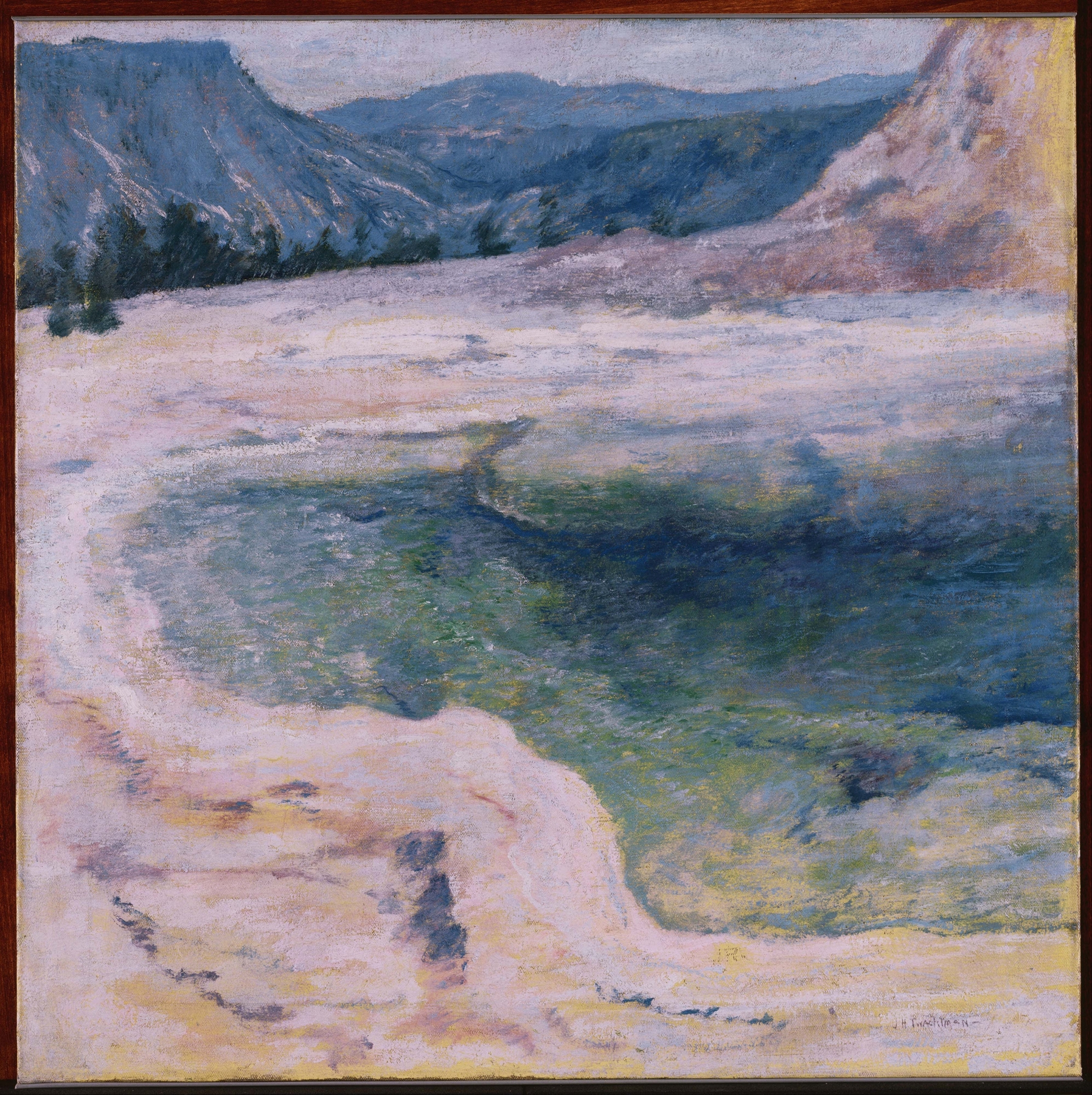
“Every brushstroke is a heartbeat remembered.” In the quiet embrace of nature, loss finds a voice through color and form. The echoes of what once was ripple through the canvas, inviting us to reflect on the silence that follows absence. Look to the left at the rugged cliffs, their jagged edges softened by a wash of misty blues and greens. The way the light diffuses across these surfaces gives life to the underlying texture, creating an almost tangible atmosphere. Notice how the painter's delicate brushwork captures the interplay between shadow and light, transforming the gorge into a sanctuary of both beauty and melancholy.
The subtle hues whisper stories of the past, wrapped in the embrace of the mountains. Hidden within the layers of paint are the emotional tensions of longing and remembrance. The winding waterway at the bottom flows with a gentle yet persistent force, symbolizing the relentless passage of time and the journey through grief. Each blade of grass, each rock, carries the weight of memories, inviting contemplation on what remains after loss has settled in.
The contrast between vibrant life and the somber undertone of the gorge creates a poignant dialogue about nature's resilience and the fragility of human connection. The artist created this piece during a time of transition in his life, around the late 19th century. Amidst personal struggles and the changing landscape of American art, he sought solace in nature. His approach marked a departure from realism toward a more emotive and impressionistic style, reflecting both his inner turmoil and the broader artistic movement towards expressionism in a rapidly evolving world.