The White Bridge — History & Analysis
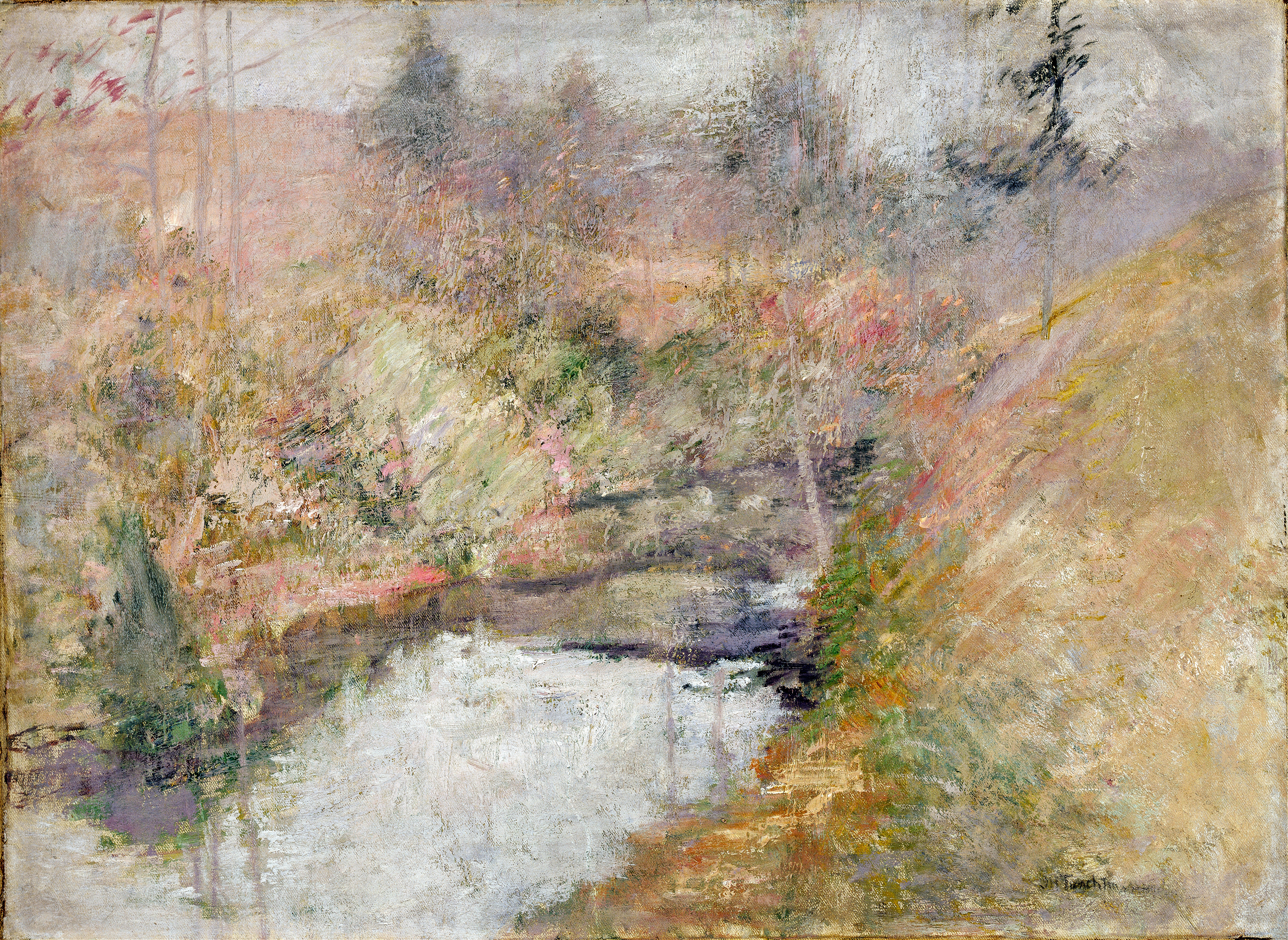
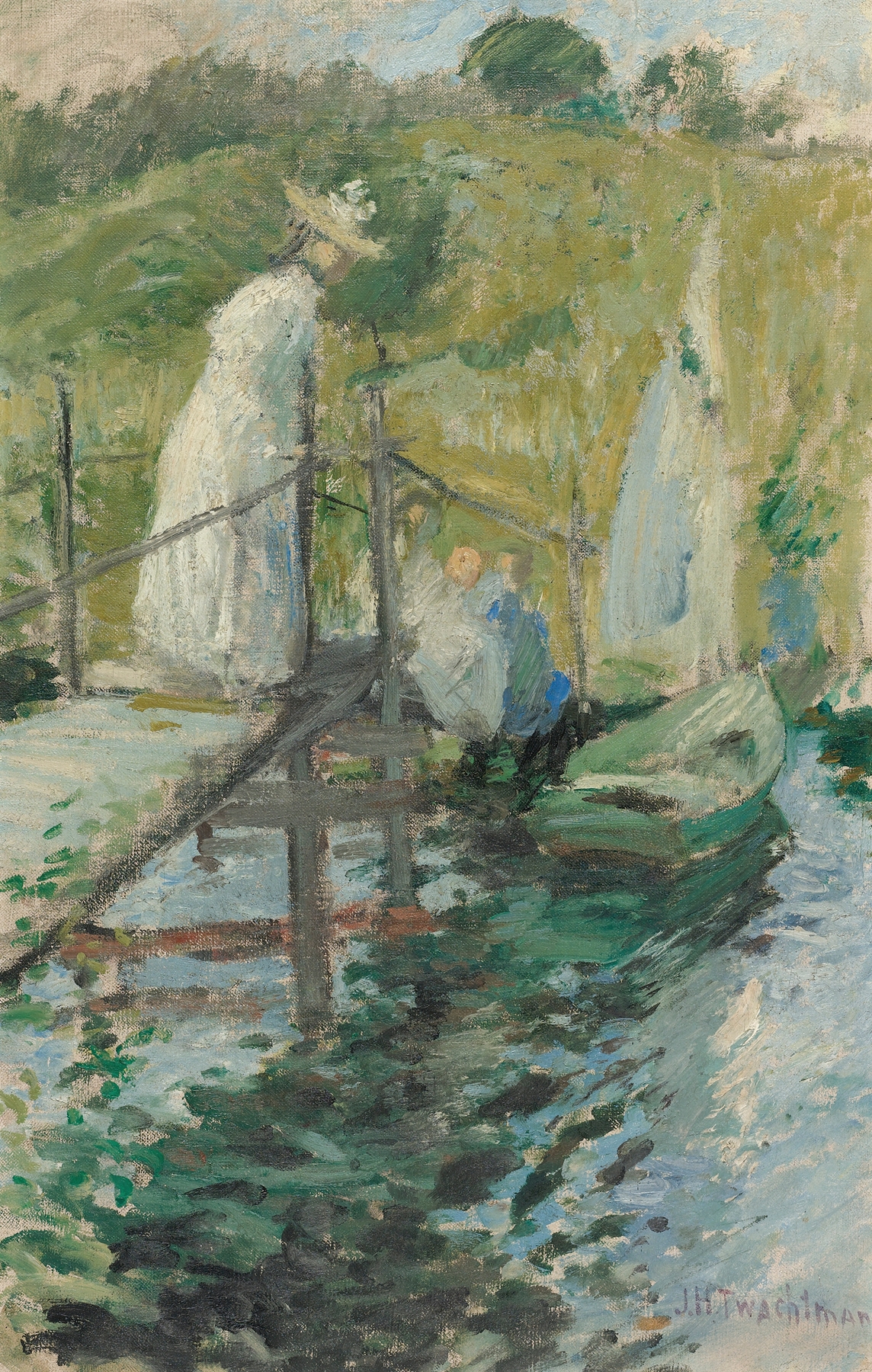
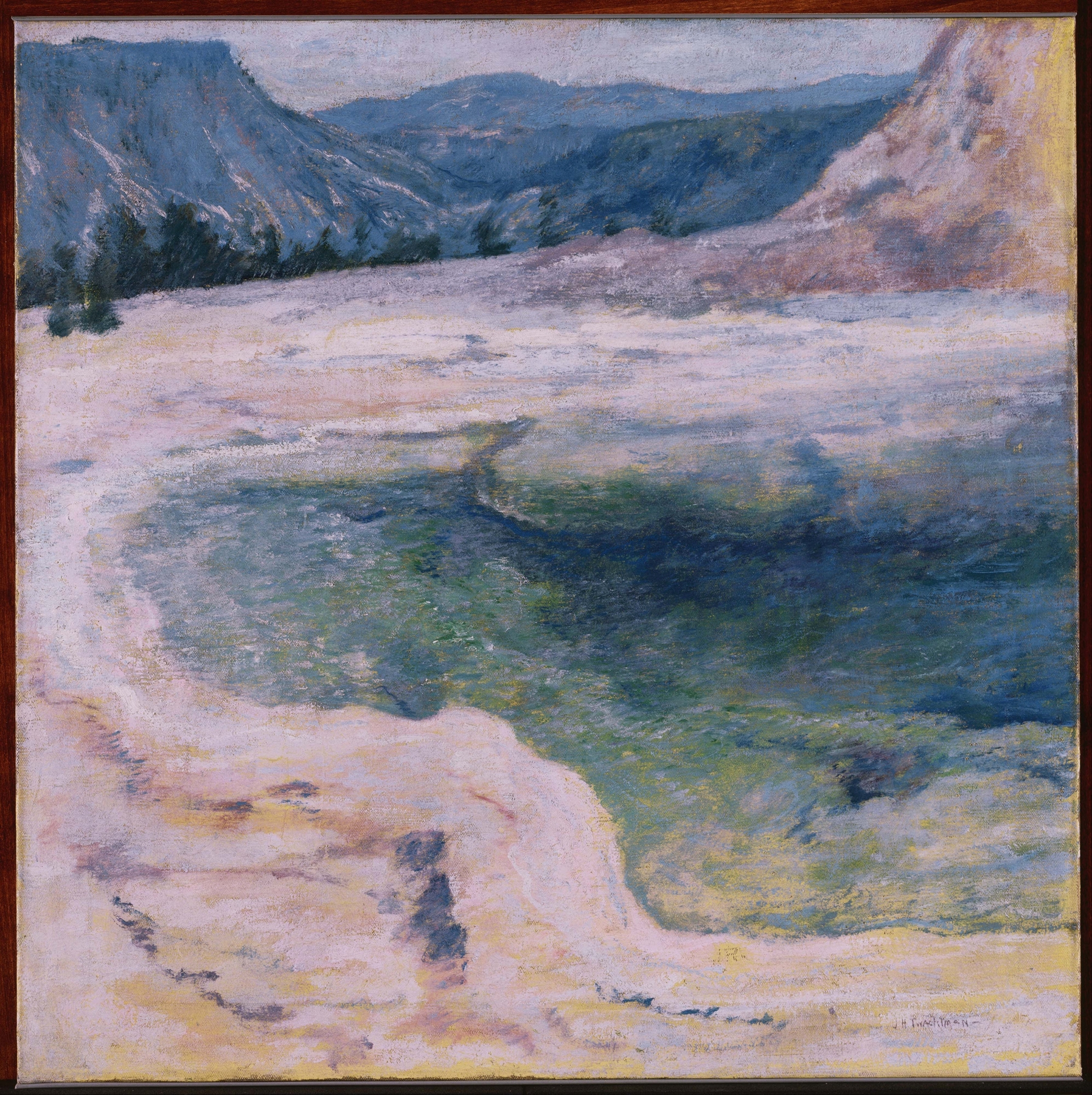
Did the painter know this moment would outlive them? Amidst the chaos of life, a serene bridge emerges, allowing us to transcend the tumultuous waters below. Look to the left where the bridge stands, elegantly arched and cloaked in a soft haze. The interplay of cool blues and gentle whites invites you to linger, while the lush greenery surrounding it pulses with life. Notice how the brushwork simulates movement, suggesting an unseen breeze and the rustling leaves that frame the structure.
The light filters through the foliage, casting dappled shadows that dance along the water's surface, drawing your gaze across the idyllic scene. Beneath the tranquil surface lies a potent contrast: the stillness of the bridge juxtaposed against the chaotic flow of the river below. This tension speaks to the duality of existence—how moments of peace can exist within the tumult of nature and life. The bridge is a symbol of connection, yet it also highlights the fragility of stability amid the unpredictability of the world.
Each brushstroke carries the weight of emotion, urging the viewer to reflect on their own moments of calm within chaos. Created after 1895, this piece reflects the artist’s deepening engagement with Impressionism while living in Cos Cob, Connecticut. At this time, the American art scene was experiencing a shift, with artists moving away from strict realism towards a more expressive approach that emphasized color and atmosphere. Twachtman's work captures this pivotal moment in art history, merging technique with emotional depth, as he sought to convey the ephemeral beauty of nature in this enduring image.