Misty May Morn — History & Analysis
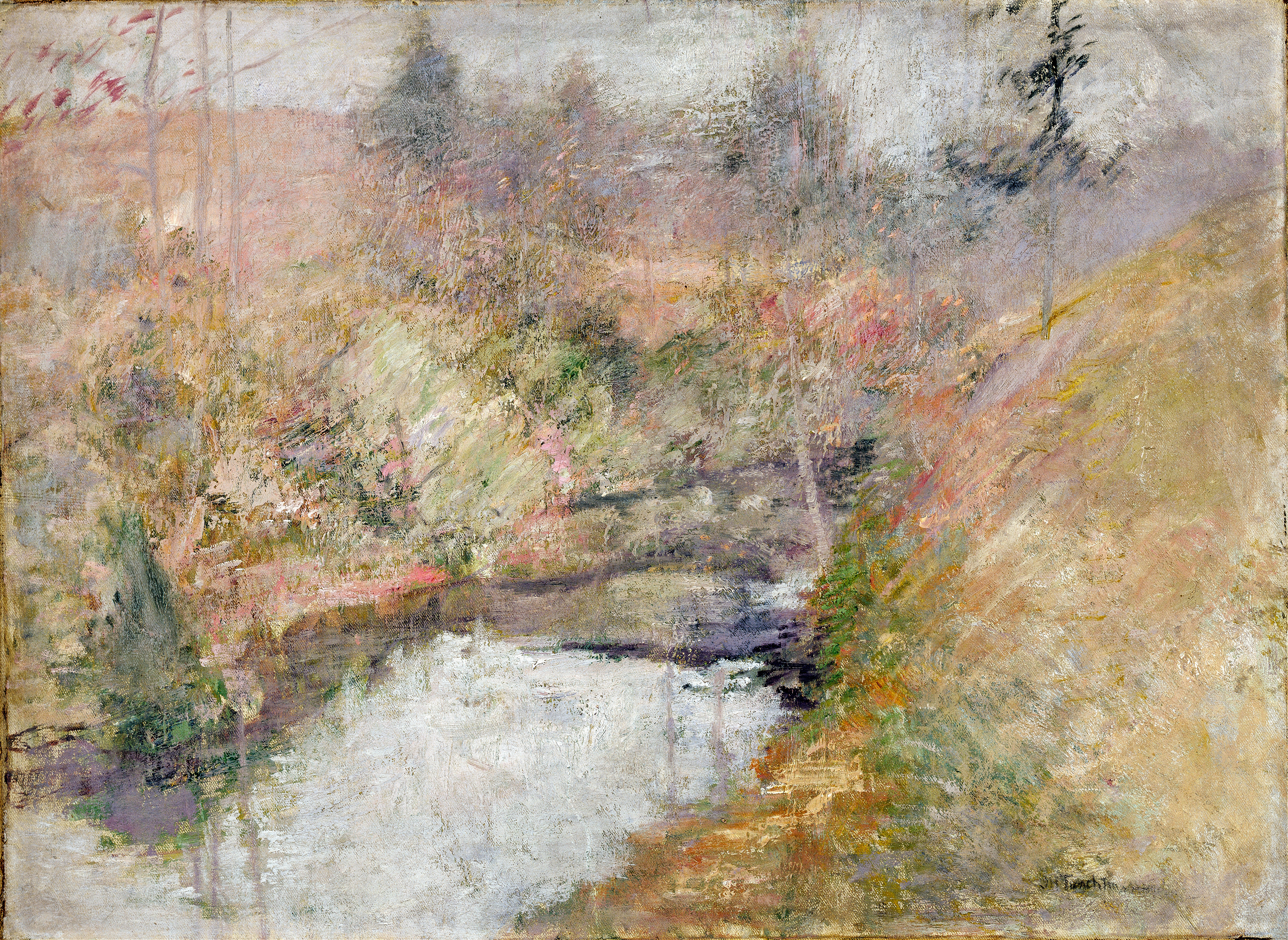
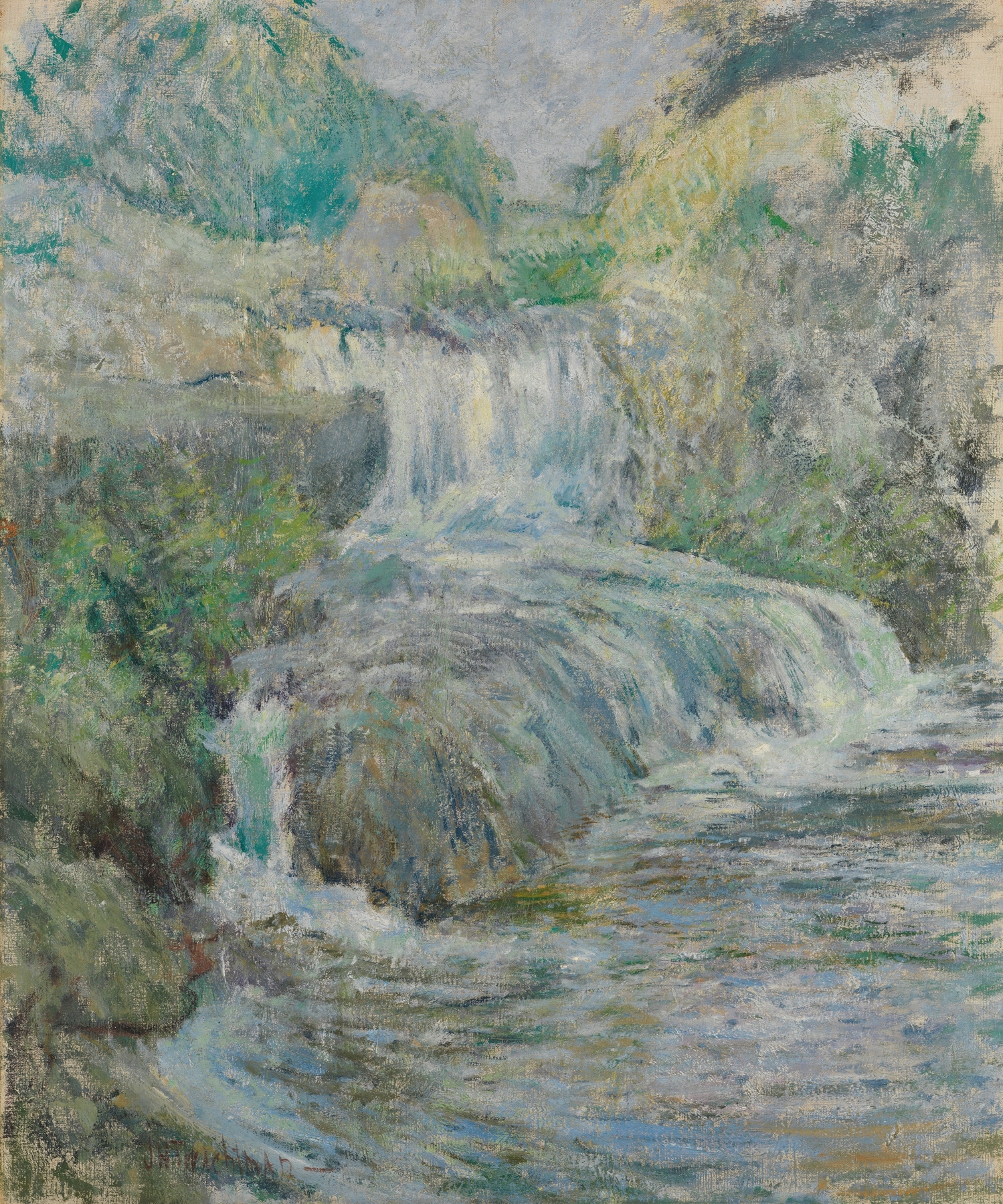
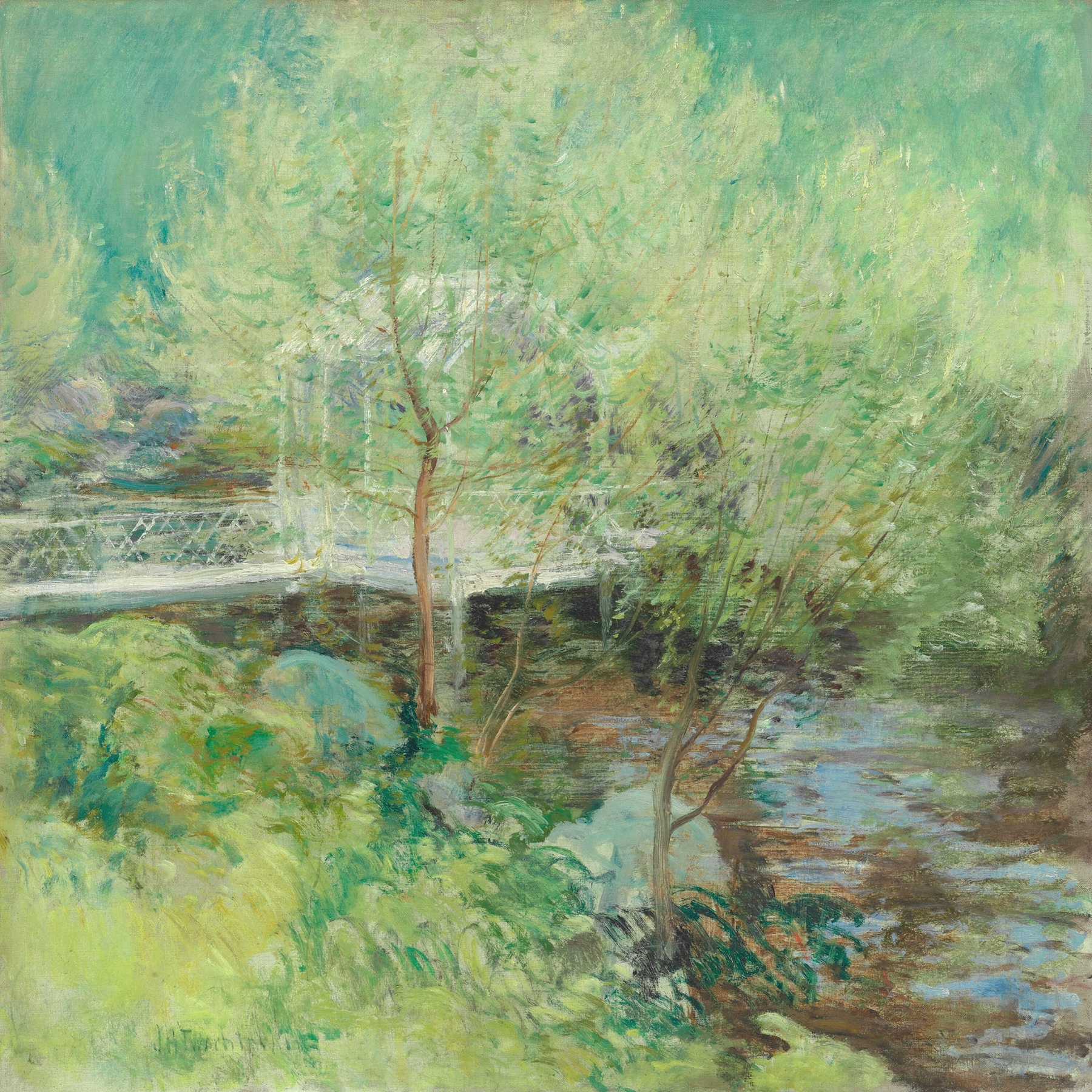
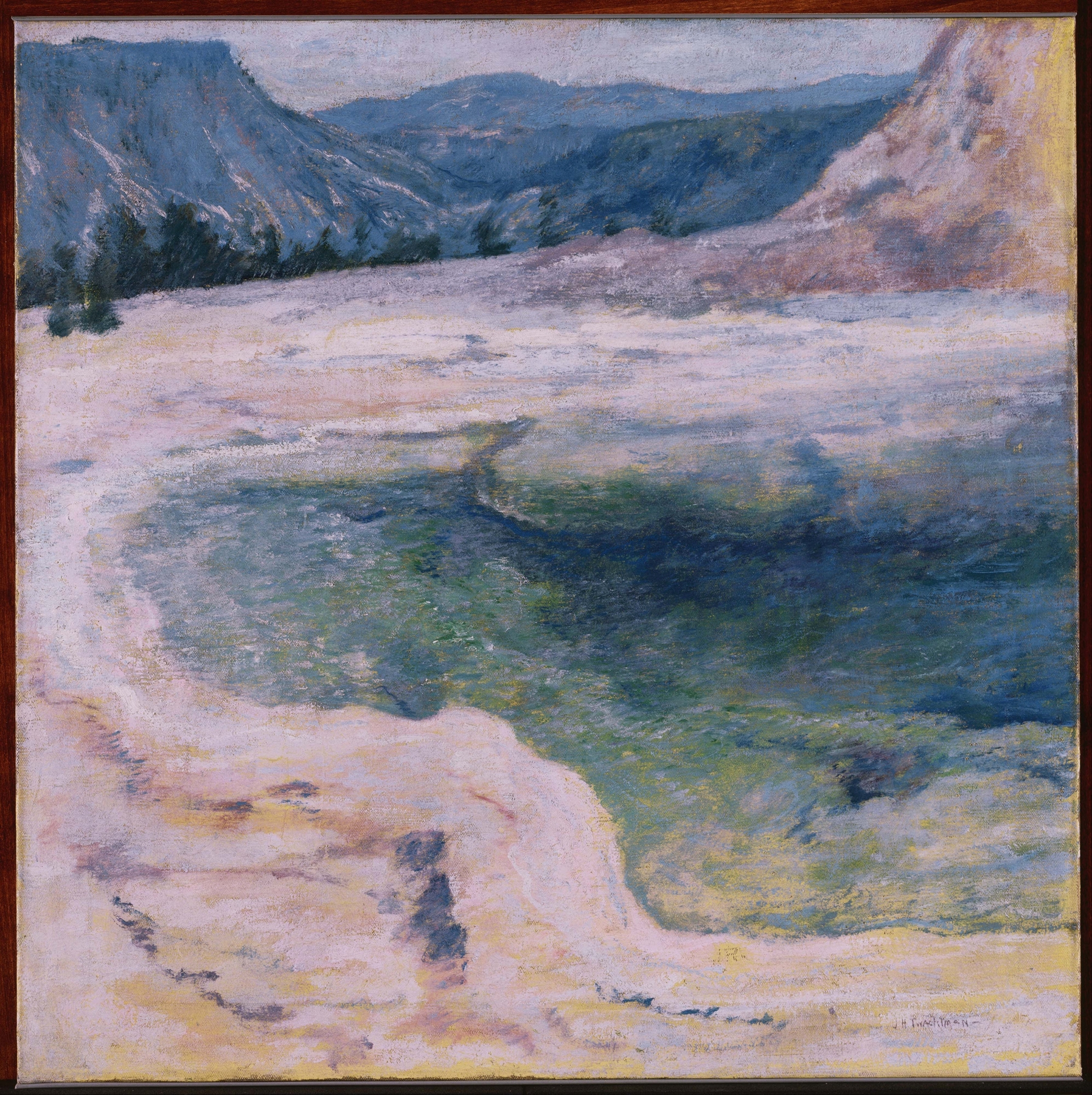
What if silence could speak through light? In Misty May Morn, the ethereal quality of dawn is captured in a delicate dance between hues and forms, offering a glimpse into a world that feels both familiar and otherworldly. Focus on the gentle interplay of soft greens and pale grays that dominate the scene, inviting the eye to wander through the mist-laden landscape. Notice how the light filters through the trees, creating an almost ghostly illumination that seems to pulse with quiet energy.
The brushwork is loose yet intentional, conveying movement while also emphasizing stillness, drawing you into the tranquility of this morning moment. Beneath the surface, this work reveals a profound exploration of transcendence. The hazy atmosphere suggests a realm beyond ordinary perception, where time appears suspended, and the mundane gives way to the sublime. This duality—a tangible landscape softened by mist—mirrors the artist's own journey toward capturing the ineffable beauty of nature, a theme deeply rooted in both his life and artistic vision.
Created in 1899, during a time of profound experimentation in the American Impressionist movement, the artist was living in Connecticut, amidst a vibrant community of like-minded creatives. In this period, Twachtman sought to express the intimacy of nature, reflecting the broader shift in art toward capturing ephemeral moments and sensations. This painting serves as a testament to his dedication to exploring the transformative power of light in a world that often seems shrouded in mystery.