Snow — History & Analysis
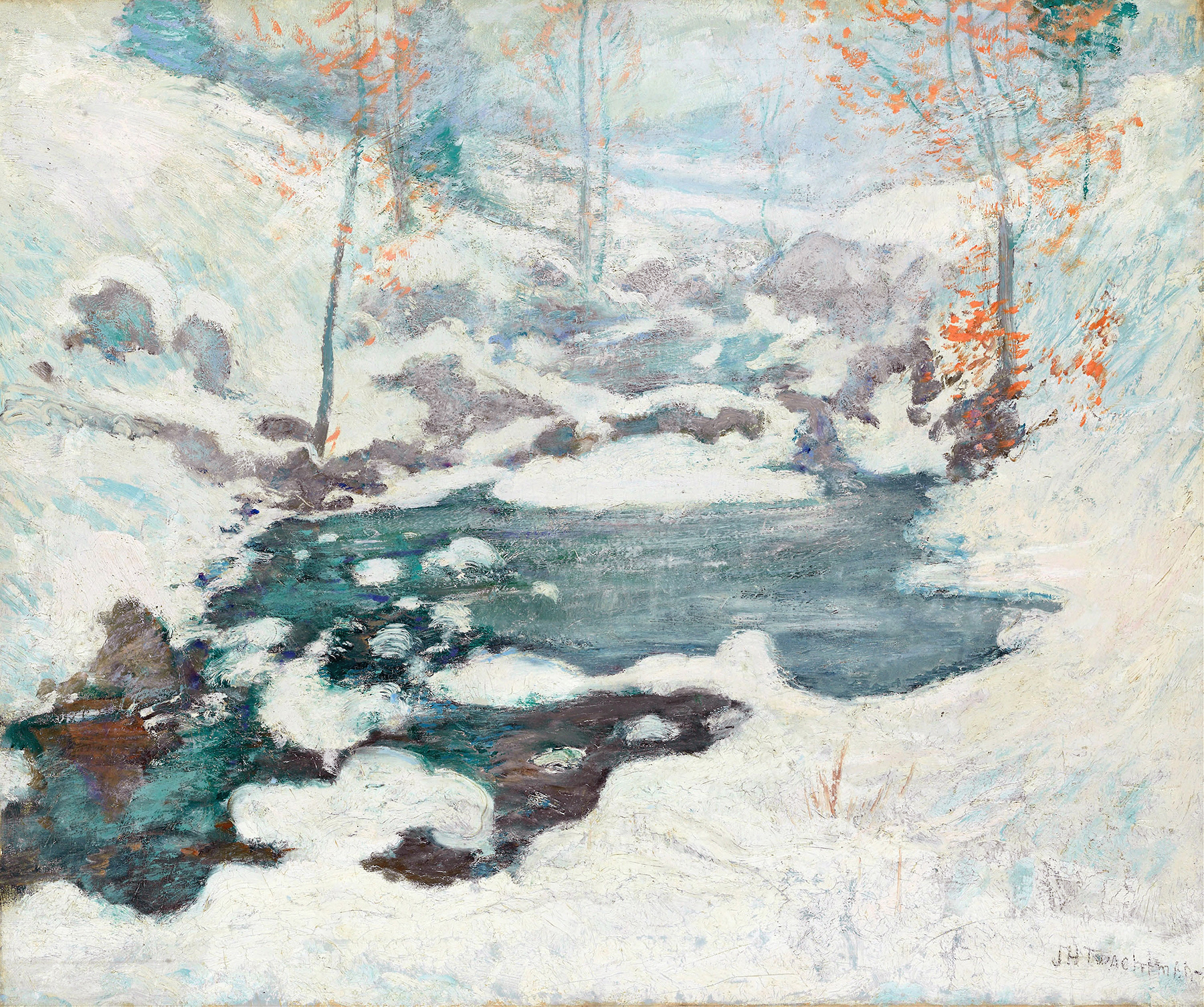
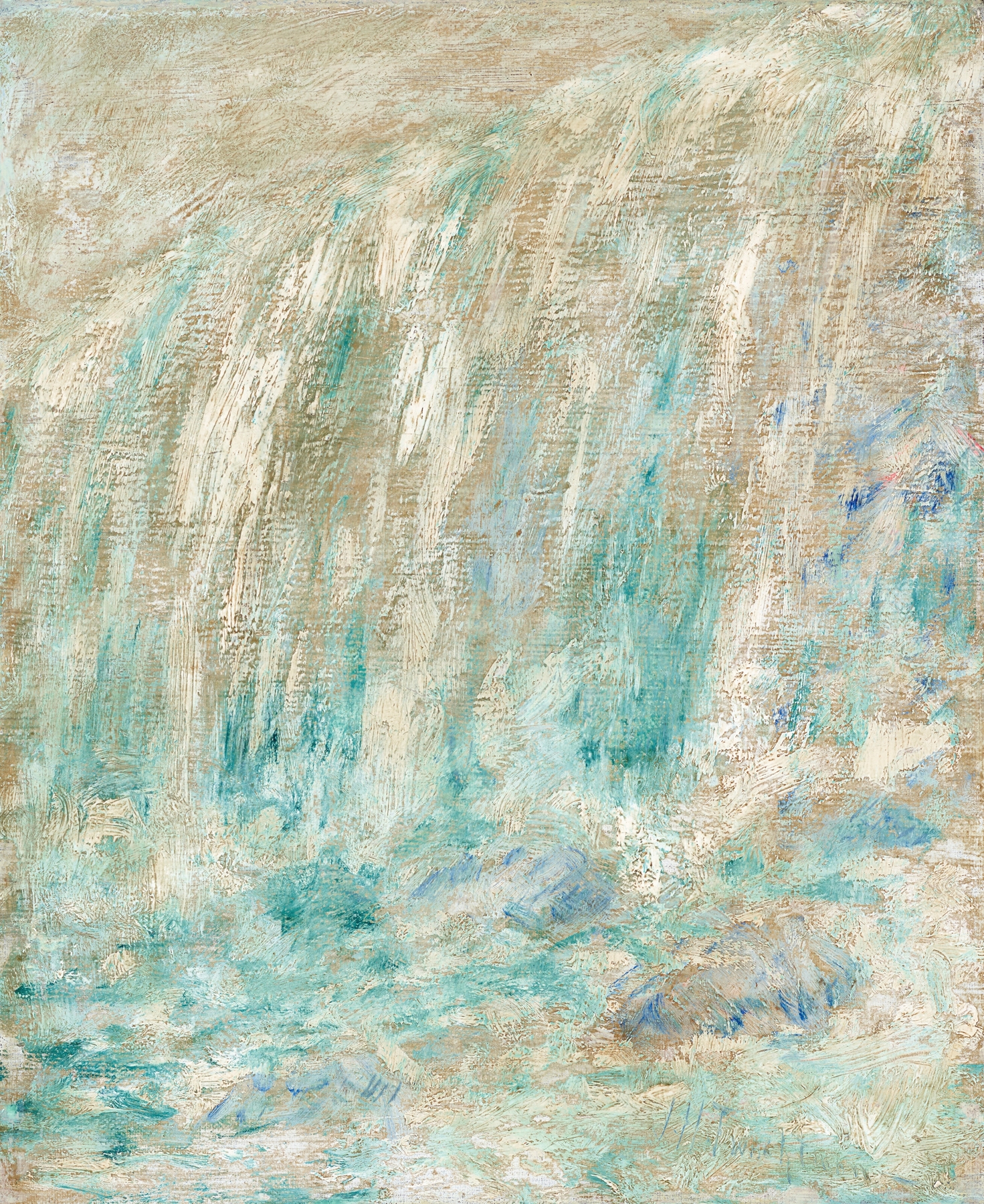
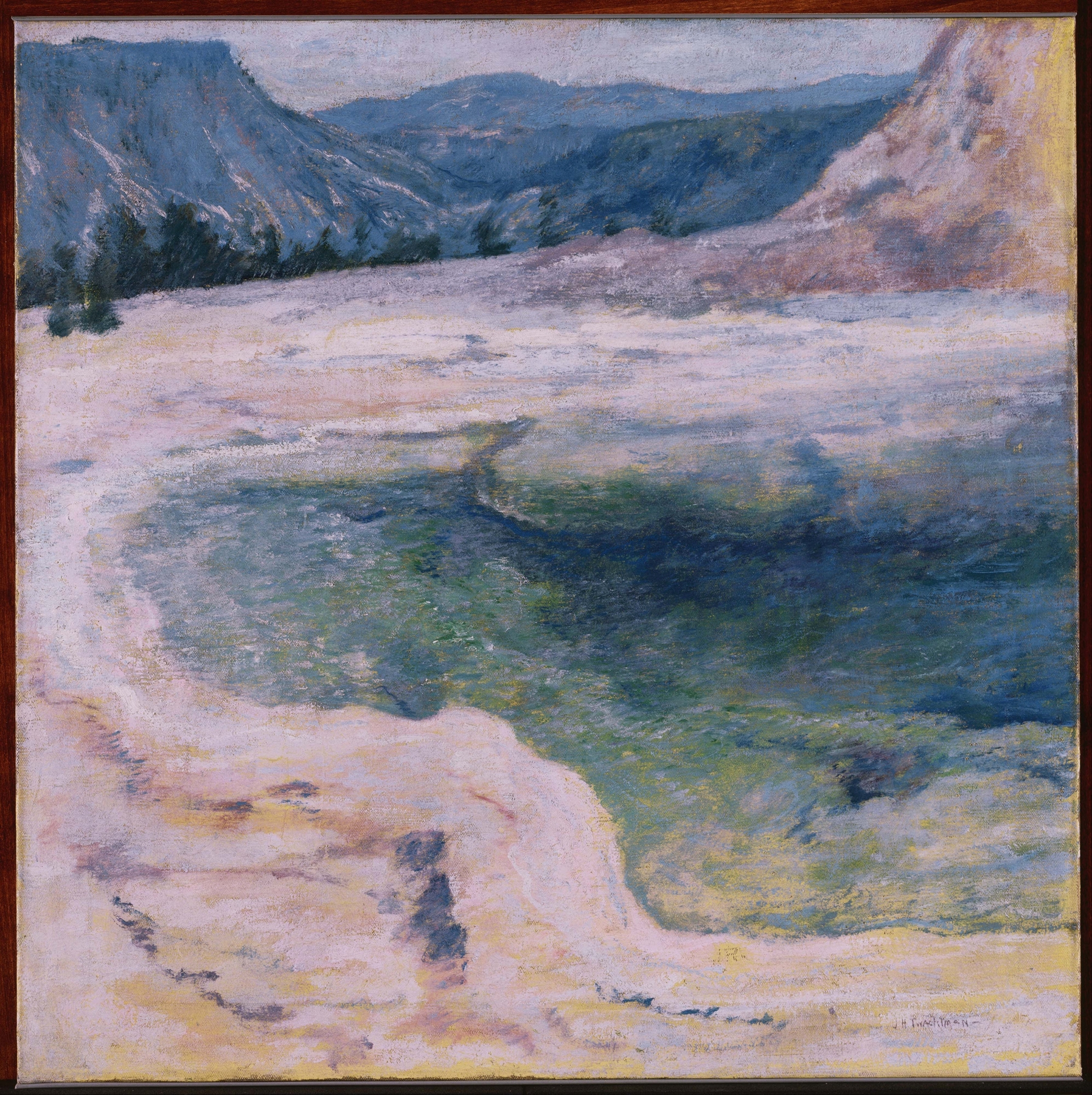
Can beauty exist without sorrow? In the quiet embrace of winter, a landscape unfolds — serene yet heavy with an unspoken weight. Focus on the soft, swirling snow that blankets the ground, its delicate white hue mingling with shades of muted blues and grays. The brushstrokes are loose and impressionistic, evoking a sense of movement, as if the scene breathes with every gust of cold air.
Light dances across the surface, revealing the hidden contours of the snowdrifts, while the trees stand sentinel in their starkness, limbs heavy with icy accumulation. Here lies an intricate tension: the ethereal beauty of the snow invites contemplation, yet it also evokes a poignant sense of isolation. The intricate patterns formed by the snowflakes hint at fleeting moments of joy, overshadowed by the silent reminder of nature’s unforgiving grasp. Each stroke conveys not just the visual splendor of winter, but also an emotional depth that resonates with human experience — the juxtaposition of fleeting beauty and the impermanence of joy.
Twachtman created this work during a pivotal time in the late 19th century when he was exploring the nuances of light and atmosphere in American Impressionism. His life in Connecticut was a backdrop of personal loss and artistic evolution, with the natural world serving as both muse and refuge. As he painted, he sought to capture not just the visual, but the emotional interplay between beauty and the void, a theme that permeated much of his work.