Niagara Falls — History & Analysis
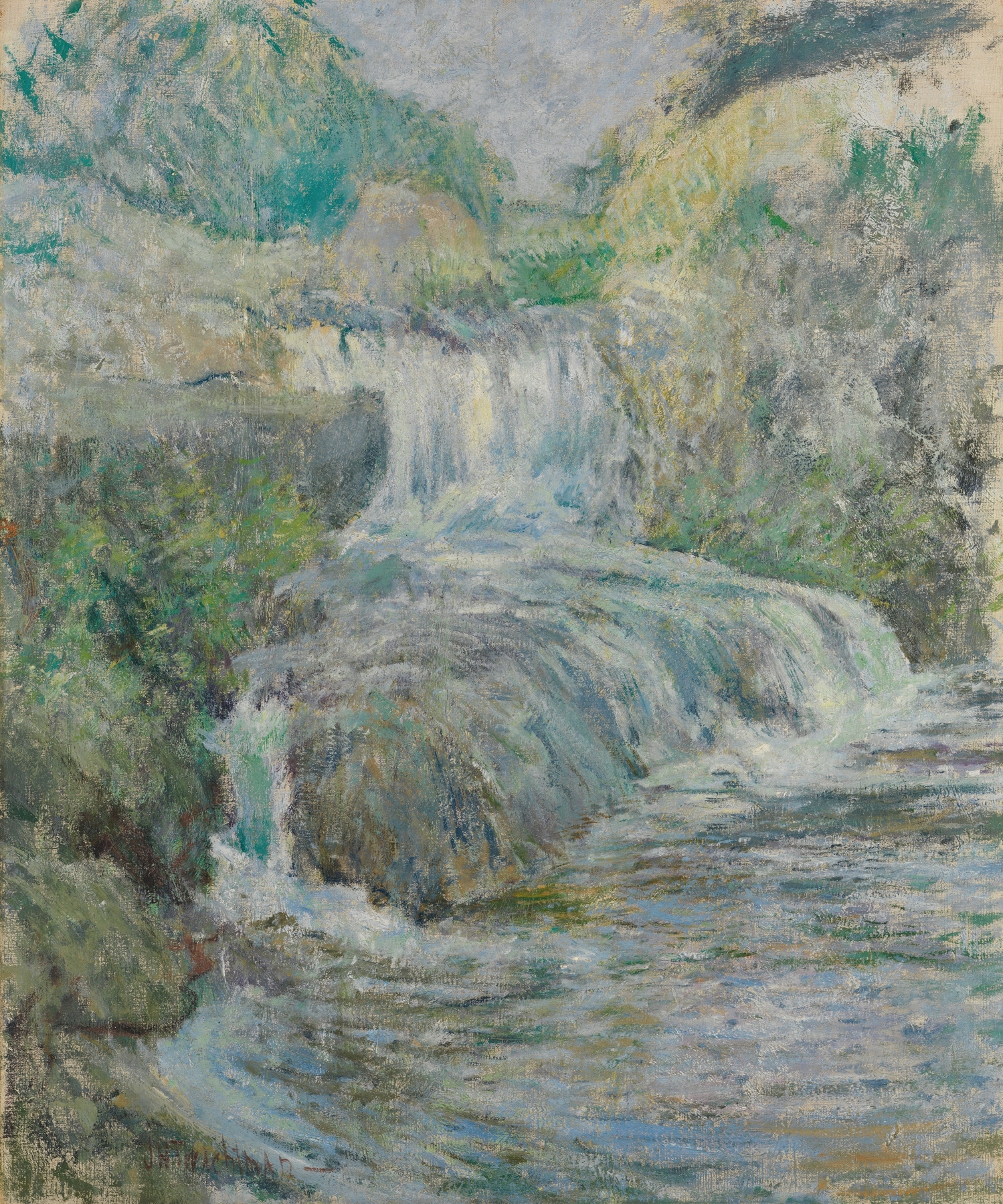
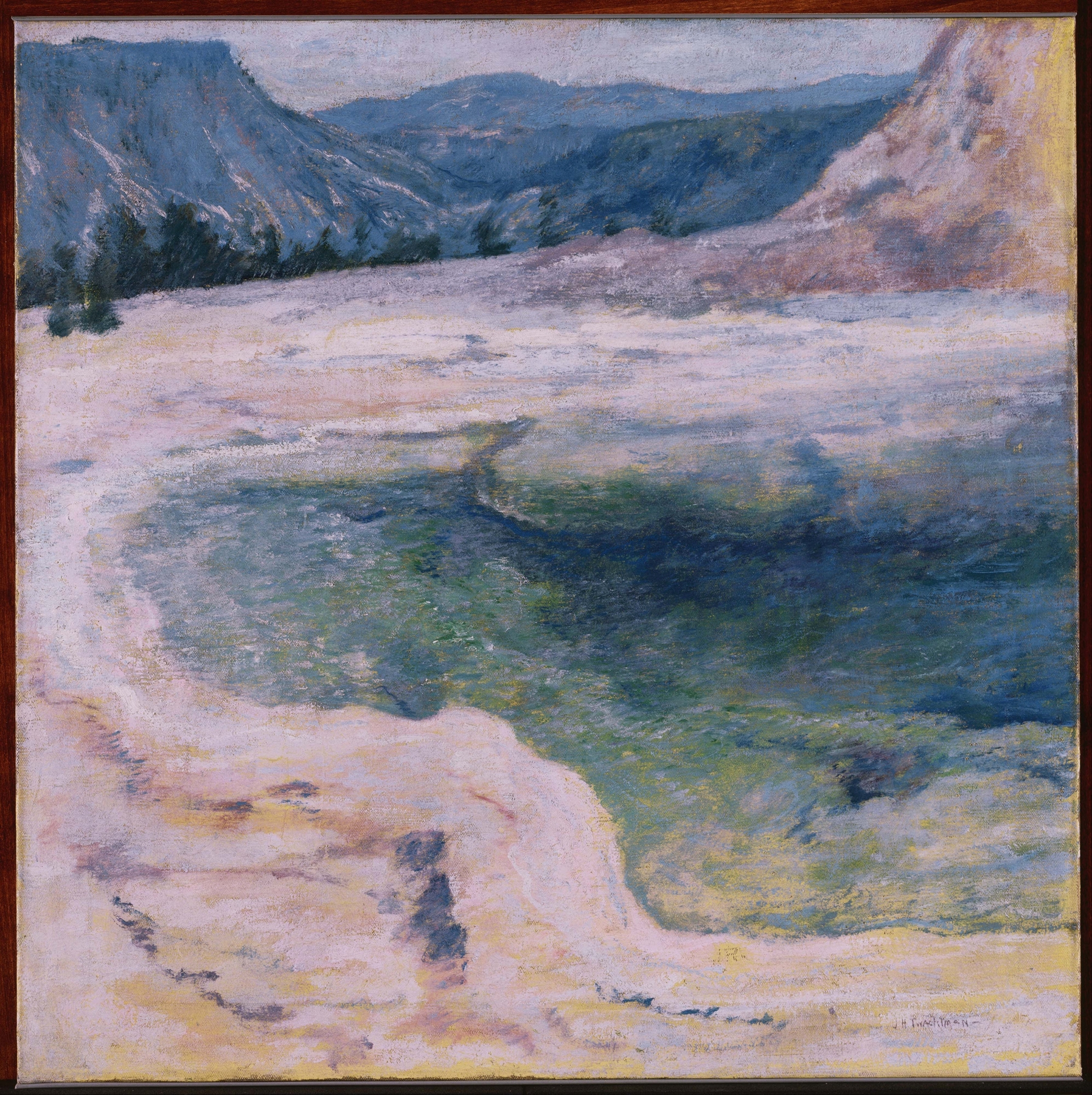
“To paint is to remember what time wants us to forget.” In Niagara Falls, the cascading waters whisper a silent hymn to nature's relentless power, inviting viewers to pause and reflect on the moment's profound awe. Look to the center of the canvas where the water rushes downward, its movement captured with strokes that blur the boundaries between paint and reality. The vibrant blues and whites create a luminous contrast, drawing the eye into the tumultuous flow, while the mist rises, softening the edges of the landscape.
Notice how the light bathes the scene, illuminating the greenery that frames the falls, adding depth and vitality to the composition, as if nature itself is rejoicing in this sacred act of creation. Delve deeper into the intricate layering of textures in the water, each stroke holding the weight of emotion and the passage of time. The play of light not only showcases the beauty of the falls but also evokes a sense of nostalgia, hinting at the transitory nature of life.
There is a delicate balance between the raw power of the falls and the tranquil serenity of the surrounding landscape, revealing a tension that resonates with humanity's own struggles against nature's grandeur. John Henry Twachtman created this masterpiece between 1893 and 1894, during a period when American artists were increasingly drawn to natural landscapes. Working in a time of burgeoning Impressionism, Twachtman sought to express both the beauty and the emotional resonance of the American wilderness, capturing the essence of Niagara Falls as a symbol of nature's sublime force in a rapidly changing world.