Waterfall — History & Analysis
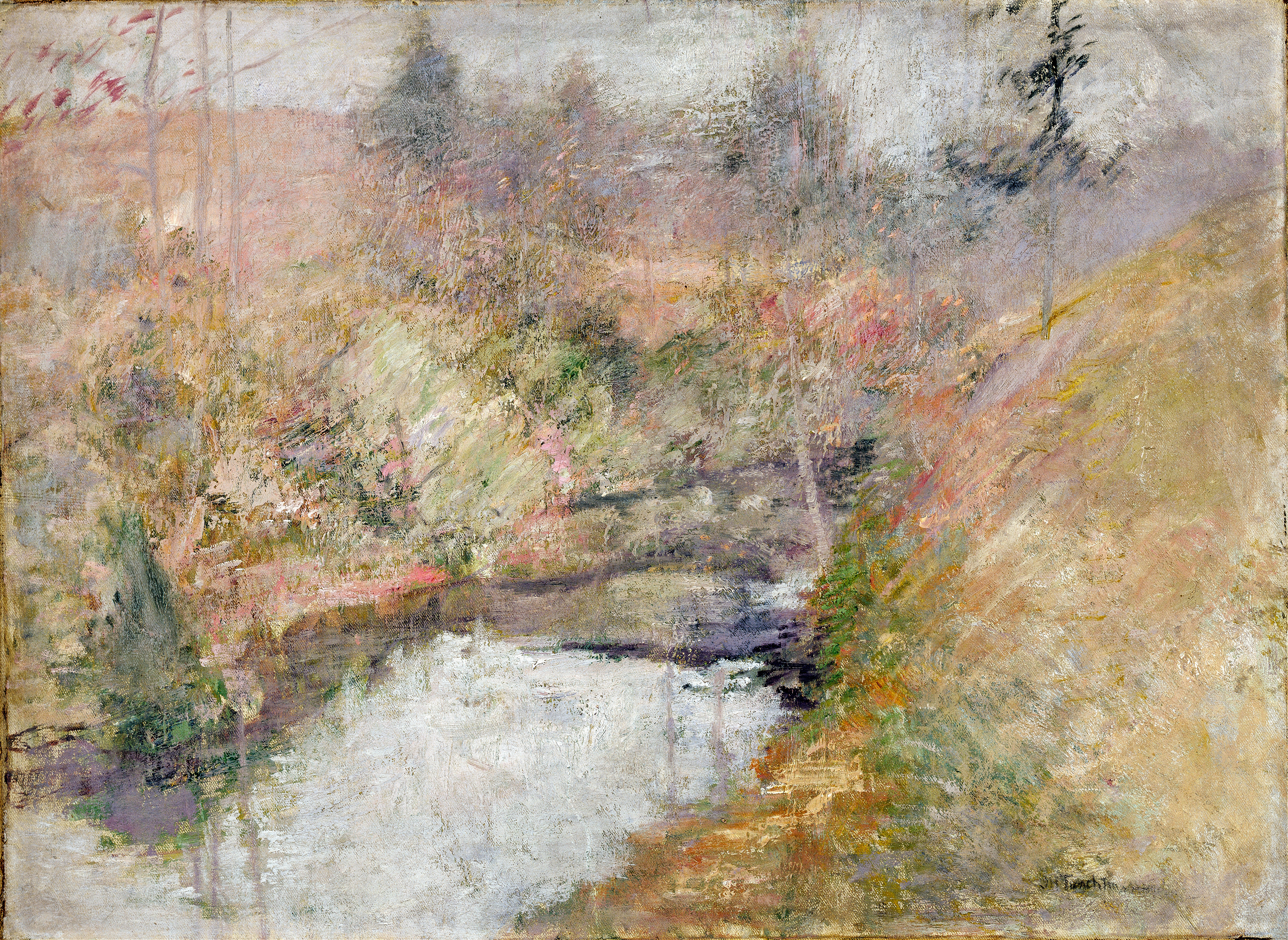
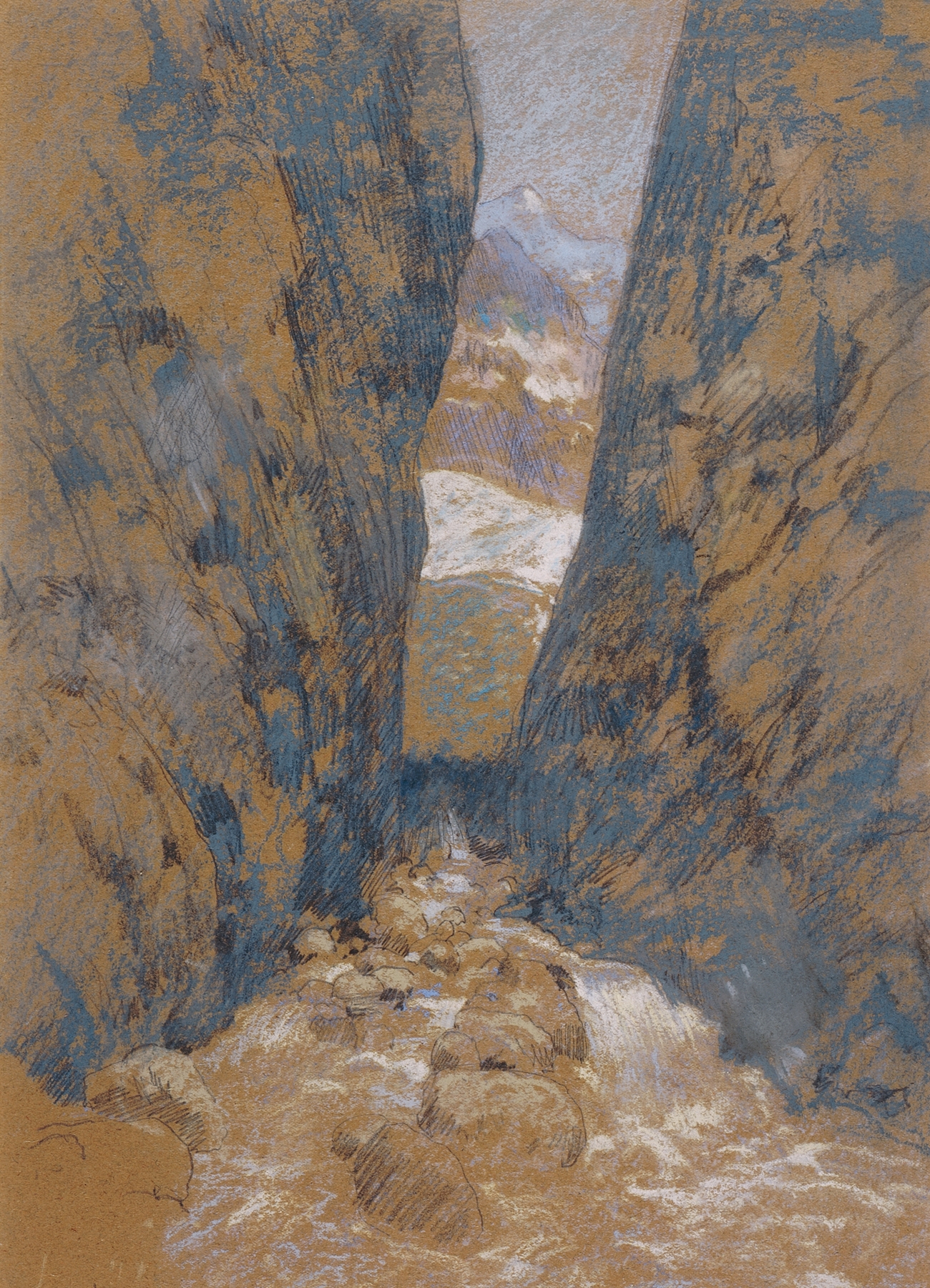
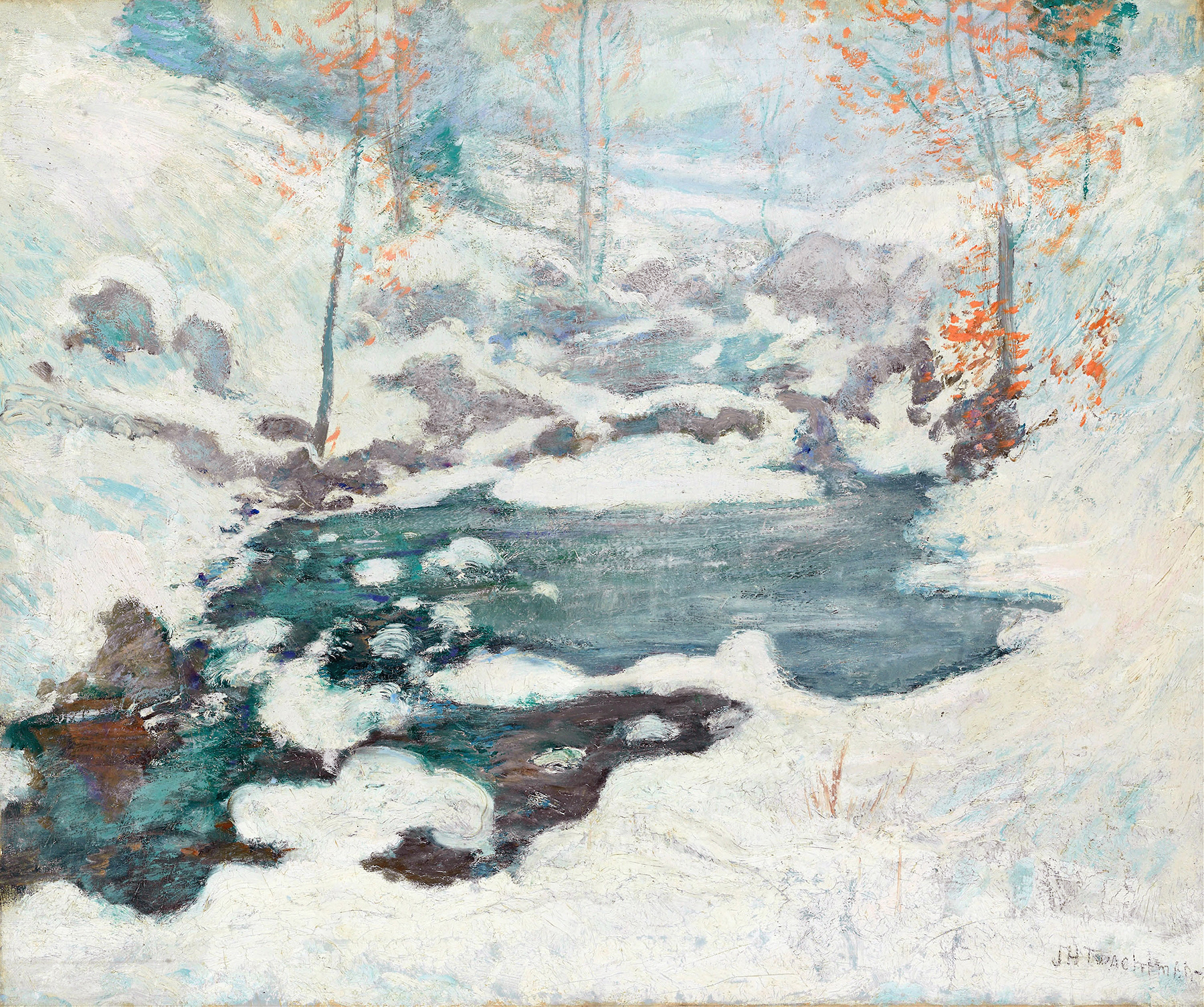
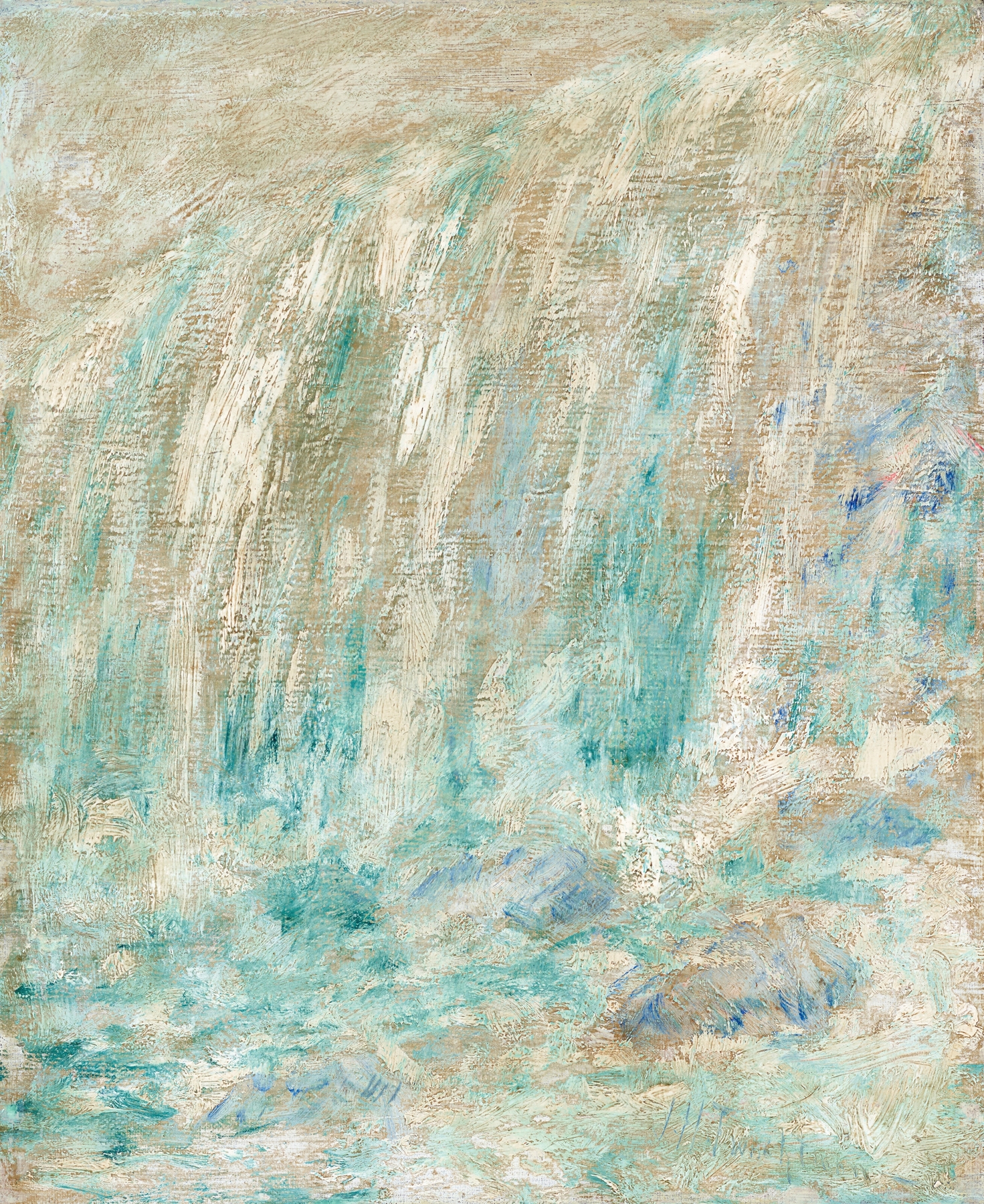
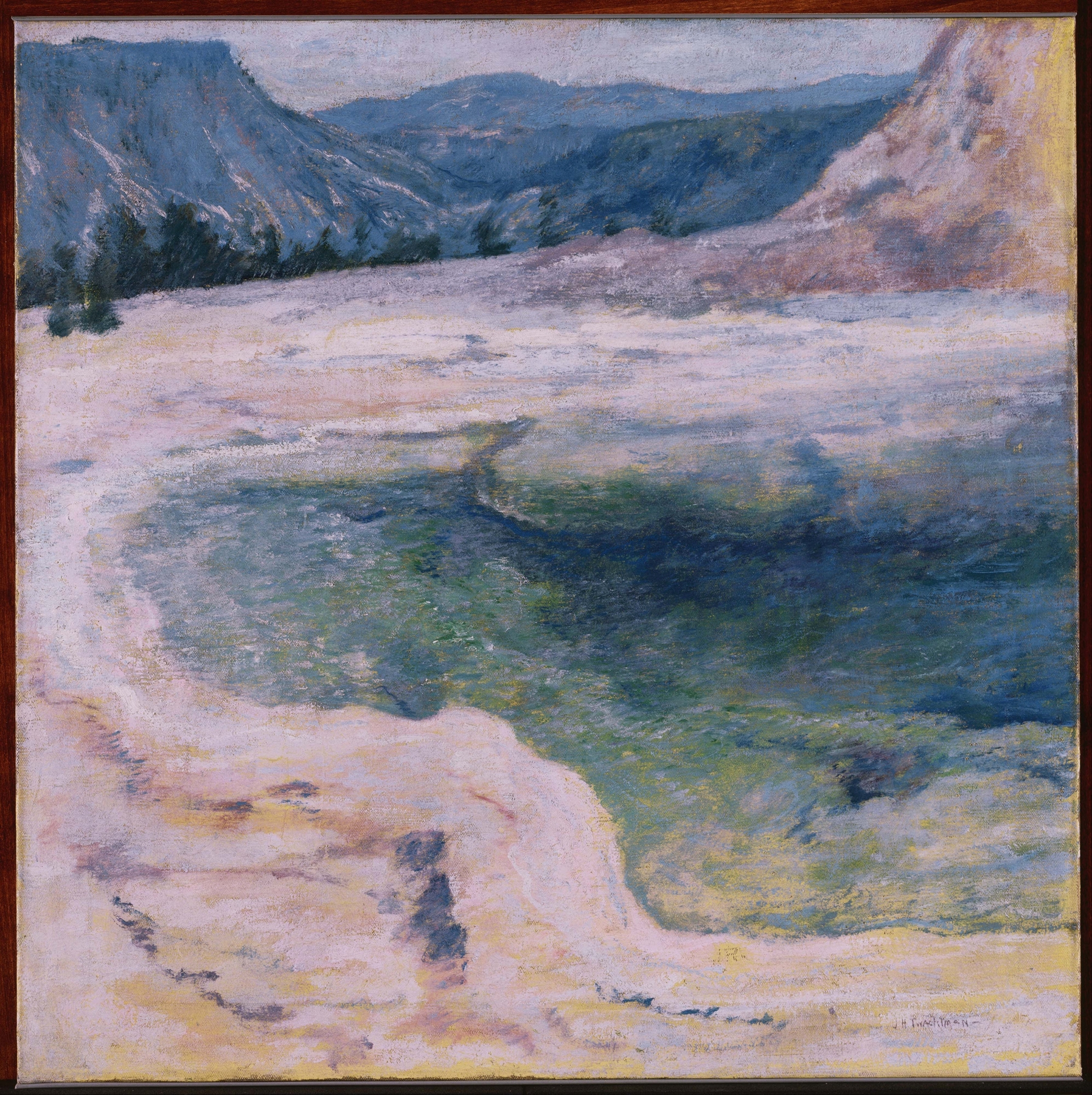
Where does light end, and longing begin? In the gentle cascade of a waterfall, we find a serene dance between nature's power and the quietude of the soul. Look to the center of the canvas, where the rushing water flows down rocky ledges, its movement captured with swirling strokes that suggest both motion and tranquility. Notice how the interplay of soft greens and blues envelops the scene, infusing it with a soothing atmosphere.
Twachtman’s masterful brushwork creates a sense of depth, drawing the eye toward the shaded rocks that cradle the water, while dappled sunlight peeks through the foliage, illuminating the water's surface in glistening patterns. The harmony of this painting lies in the delicate balance between chaos and calm. The waterfall's energy contrasts with the stillness of the surrounding forest, symbolizing the push and pull of nature itself. Tiny details, like the mist rising gently from the water, evoke a sense of quiet yearning, inviting viewers to reflect on their own emotions.
Each brushstroke breathes life into the scene, suggesting a moment frozen in time where serenity reigns despite the tumult of the flowing water. John Henry Twachtman painted Waterfall between 1889 and 1891 during a period when he was immersed in the American Impressionist movement. Living in Greenwich, Connecticut, he was influenced by the natural beauty around him, seeking to capture the essence of light and emotion in his landscapes. This work reflects both his personal artistic journey and the broader shifts in the art world, where capturing fleeting moments of beauty became a central focus.