The White Bridge — History & Analysis
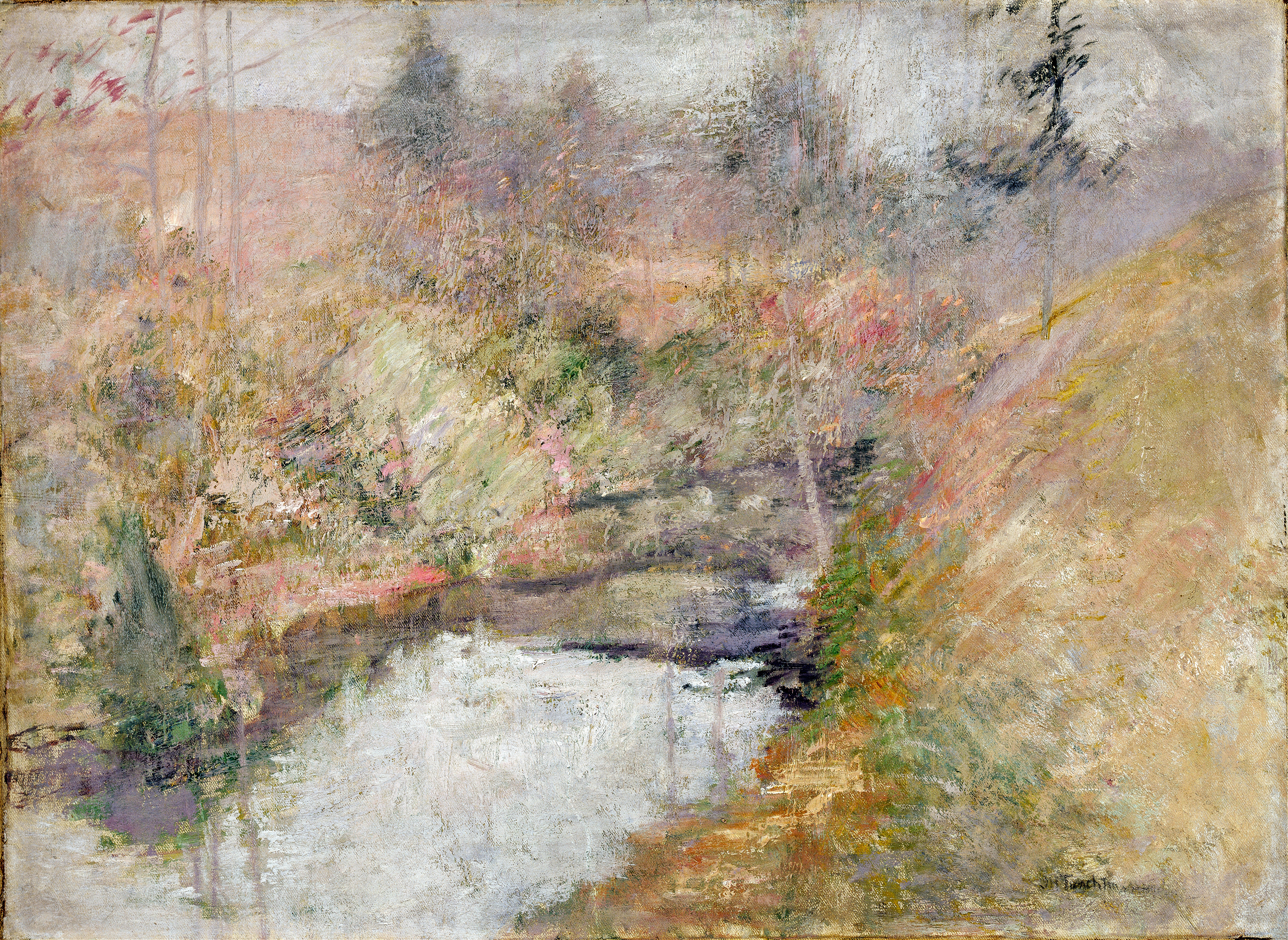
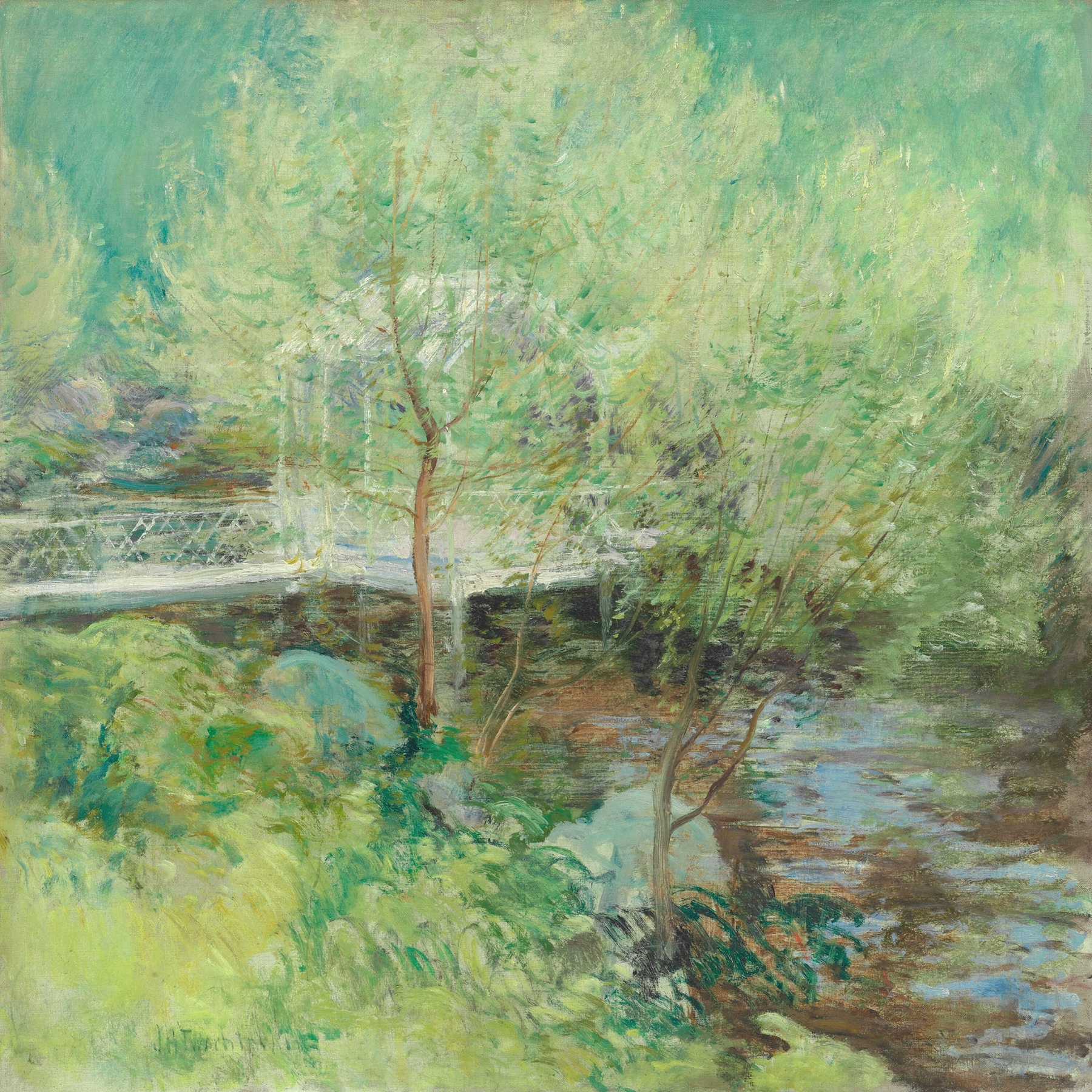
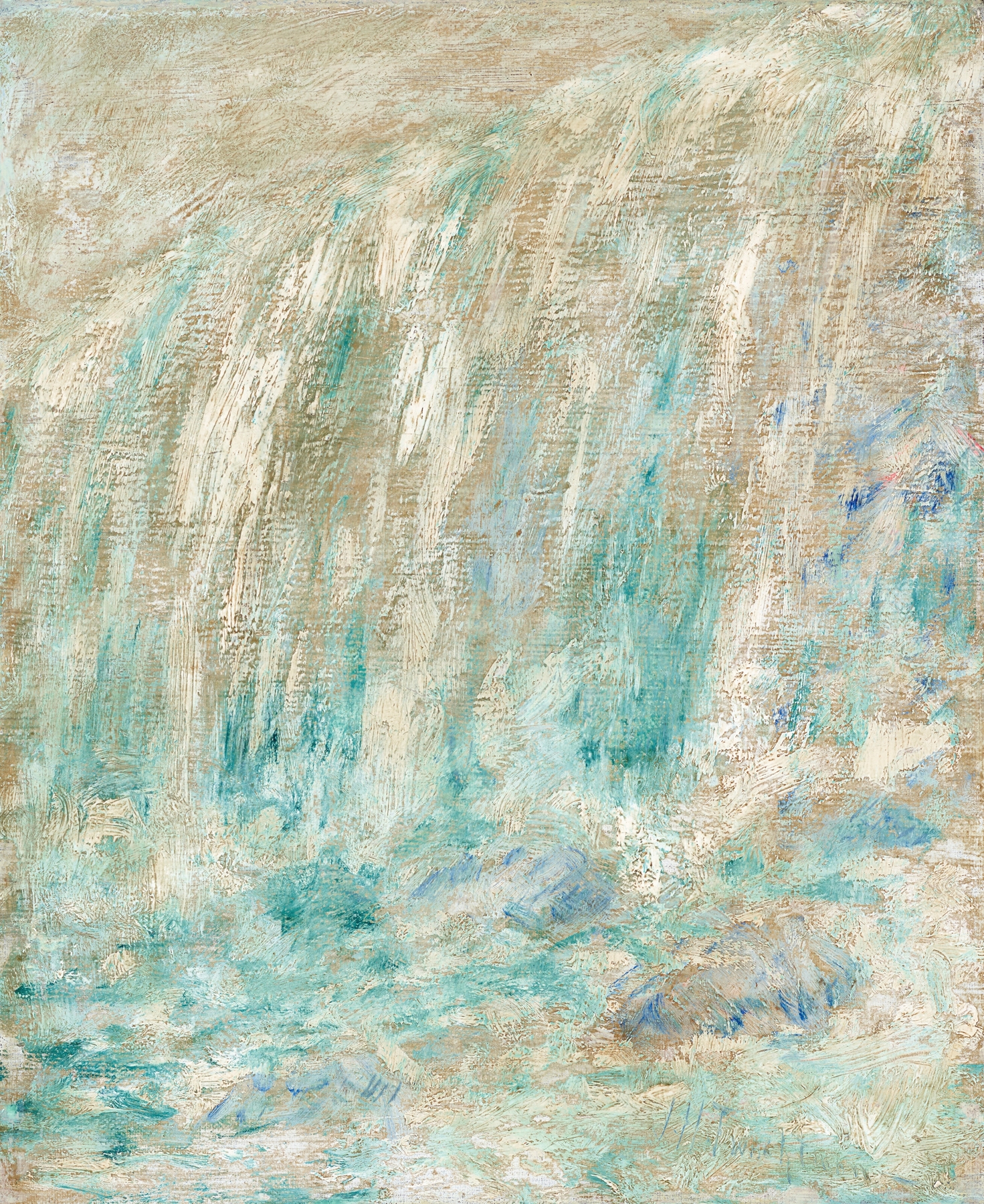
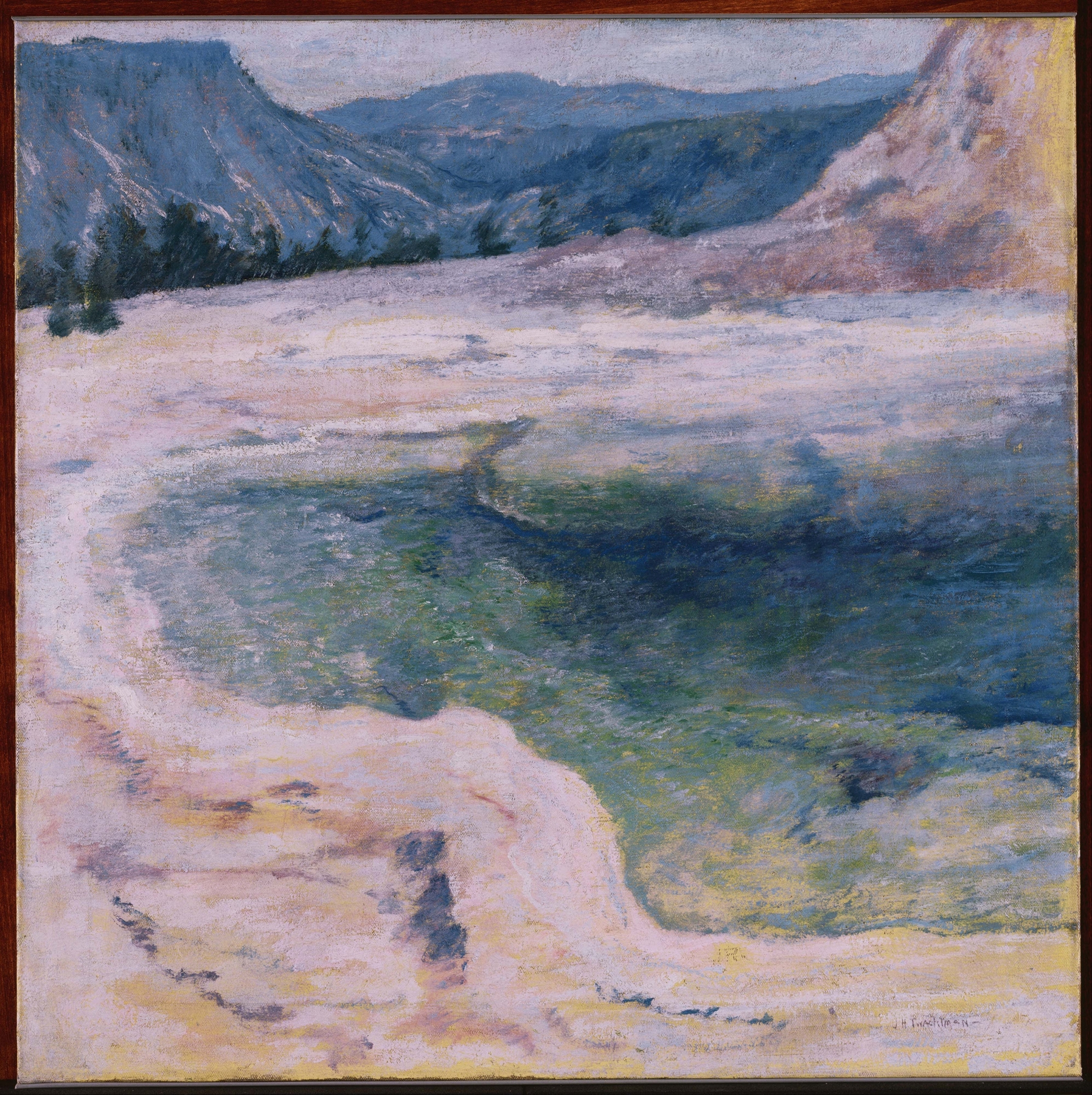
“To paint is to remember what time wants us to forget.” In this moment, we are invited not only to observe but to confront the quiet ache of remembrance and loss. Look to the left of the canvas, where the delicate arch of the white bridge emerges, its surface dappled with soft brushstrokes that suggest the gentle touch of both nature and memory. The muted colors—subtle greens and blues—create a serene backdrop, while the bridge stands as a poignant focal point, symbolizing the passage between worlds. Notice how the light filters through the trees, illuminating the scene with a soft glow that evokes both nostalgia and melancholy.
Beneath this tranquil exterior lies a tension between the ephemeral and the eternal. The flowing water beneath the bridge reflects not just the serenity of the landscape, but also the emotional currents of grief woven into the fabric of the painting. The delicate balance between light and shadow serves to remind viewers of the fragility of existence and the fleeting moments we often take for granted, imbuing the scene with a profound sense of longing.
John Henry Twachtman created this work after 1895, during a period of personal struggle and transition in his life. Having recently experienced the loss of a beloved family member, Twachtman channeled his grief into his art. At this time, he had also returned to America after time spent in Europe, grappling with the evolving art movements and seeking his own voice amidst a changing cultural landscape.