Summer Afternoon — History & Analysis
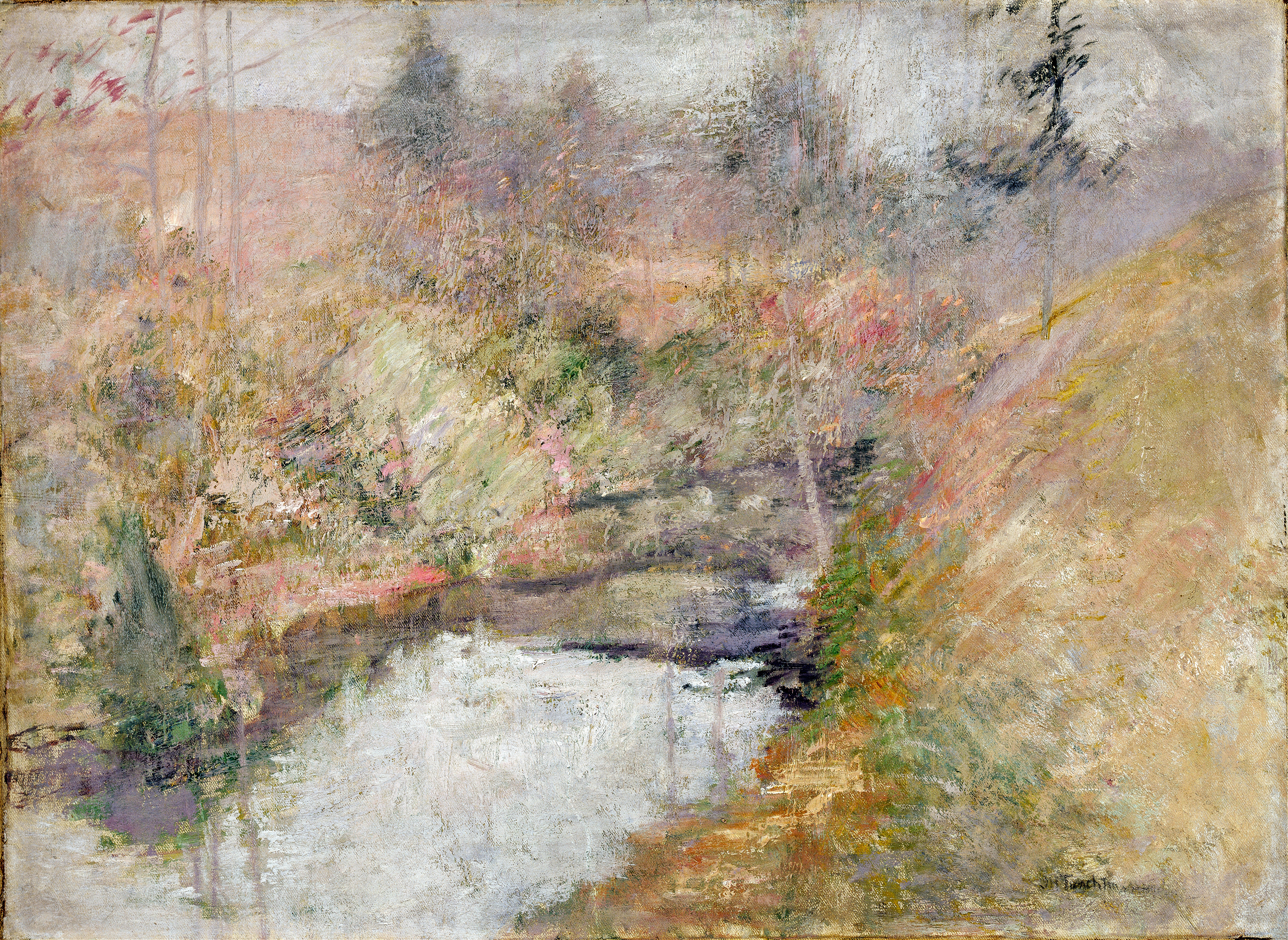
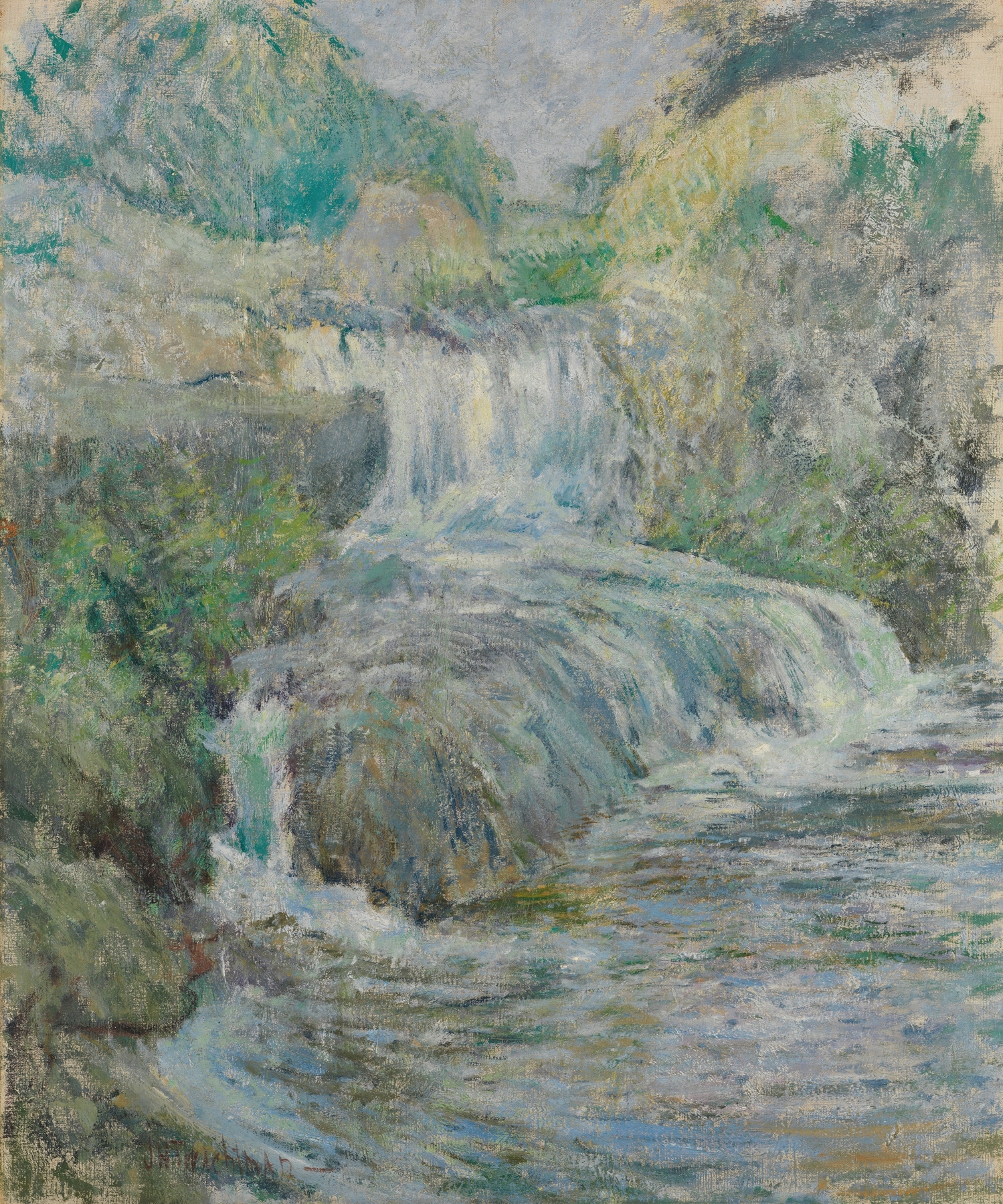
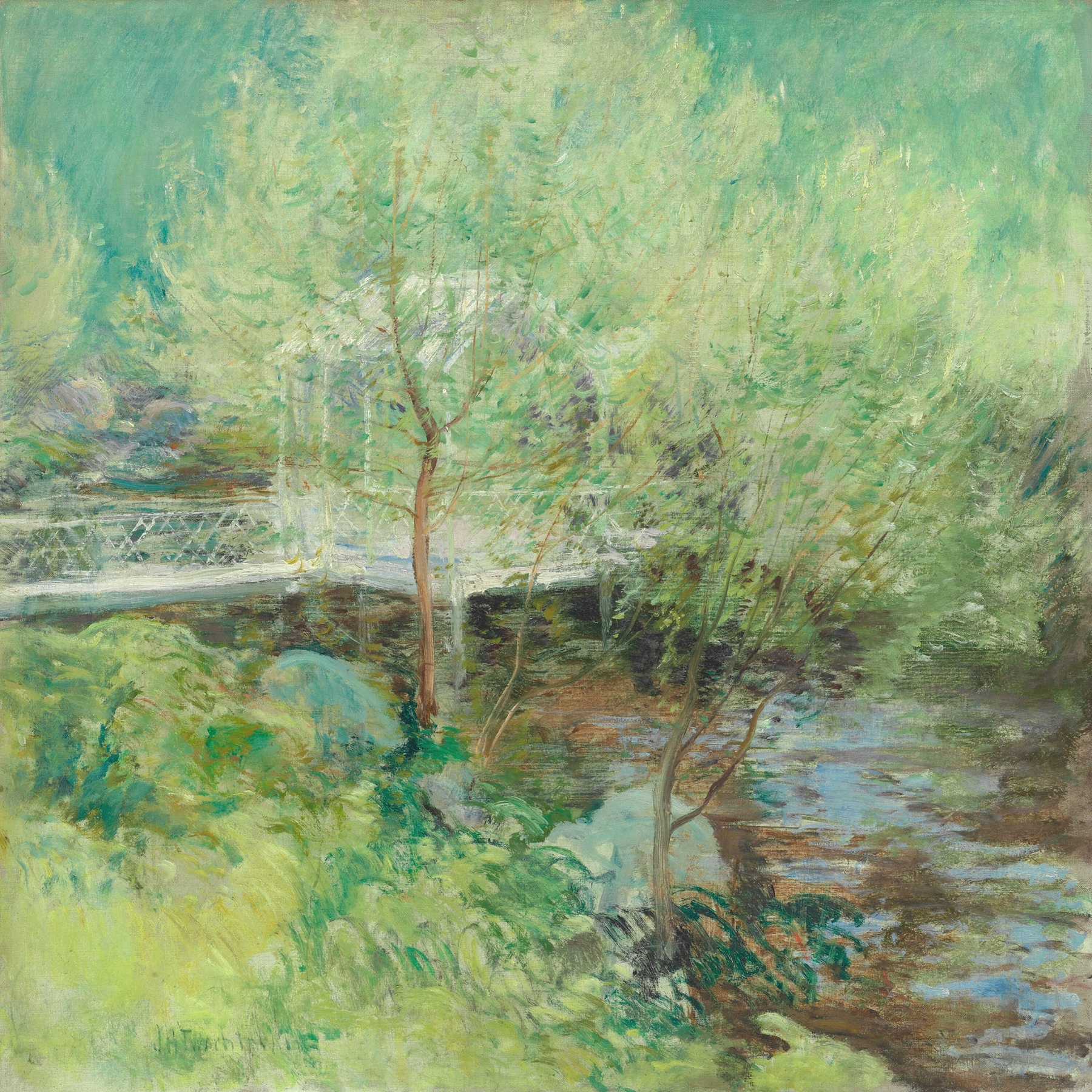
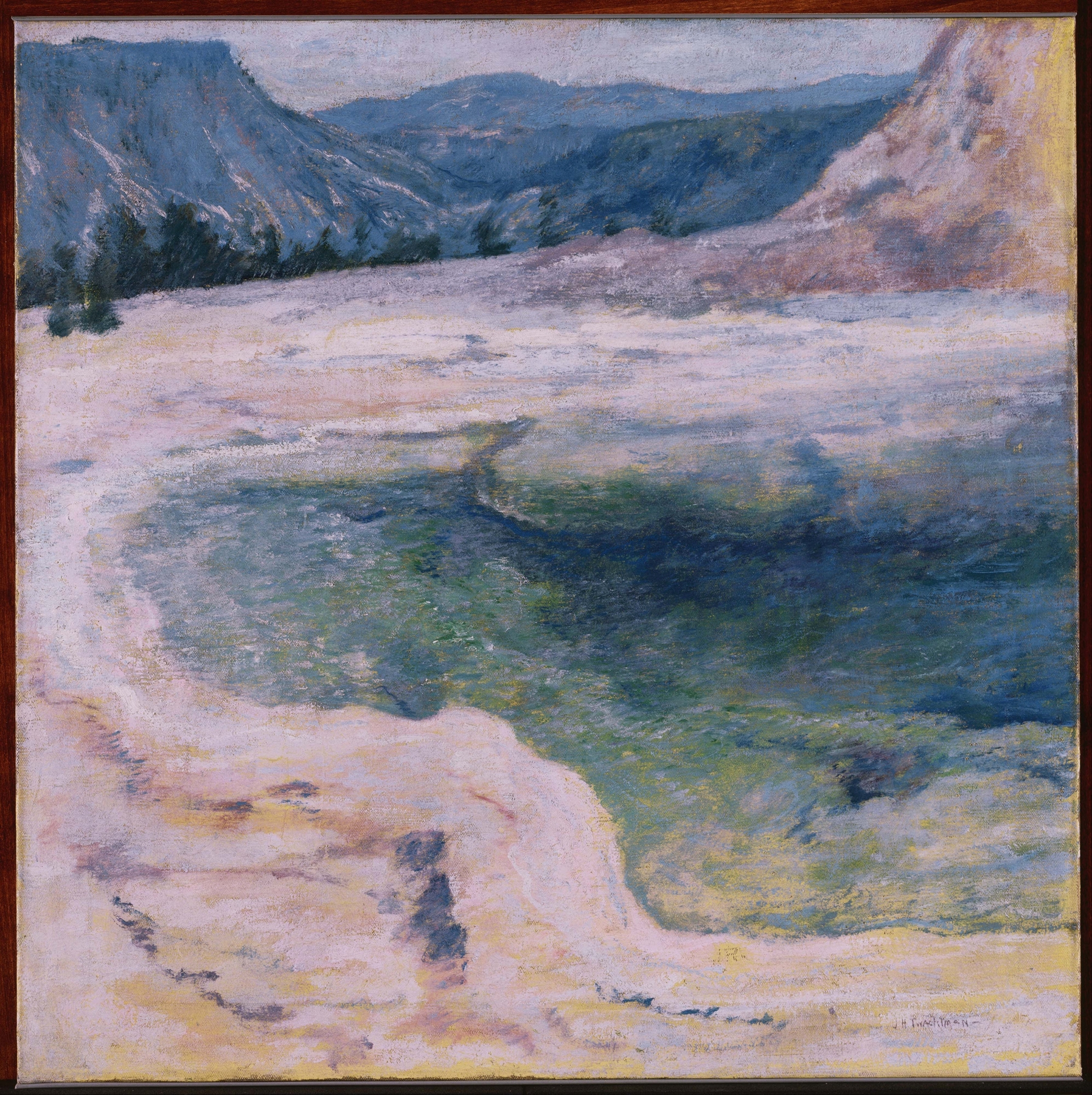
“The canvas doesn’t lie — it simply waits.” In the stillness of a sun-drenched afternoon, reflections ripple across a water's surface, inviting introspection and contemplation. Each brushstroke captures the essence of summer, merging reality with the fleeting nature of time. Look to the bottom left, where the shimmering water holds delicate echoes of the sky above. The gentle blues and greens blend seamlessly, creating a mirror that reflects not just the scene, but the mood of the moment.
Notice how the light dances across the canvas, playing with the forms of figures on the bridge, their postures hinting at stories untold. The composition draws the eye to the horizon, where the intensity of color hints at both warmth and an impending stillness. Beneath the vibrant surface, tensions emerge between the vibrancy of life above the water and the quiet depths below. The juxtaposition of lively figures against the tranquil reflection evokes a sense of duality — joy and contemplation coexist in this summer tableau.
Each figure, seemingly lost in their own world, emphasizes the isolation that can exist even in communal spaces, inviting viewers to ponder their own connections. Twachtman painted this work in the late 19th century, during a time when Impressionism was blossoming, reshaping perceptions of light and color in art. Living in Cos Cob, Connecticut, he was part of a vibrant community of artists who sought to capture the beauty of nature in innovative ways. This piece reflects both his personal exploration of landscape painting and the broader movement towards capturing ephemeral moments in time.