Ile de Philae — History & Analysis
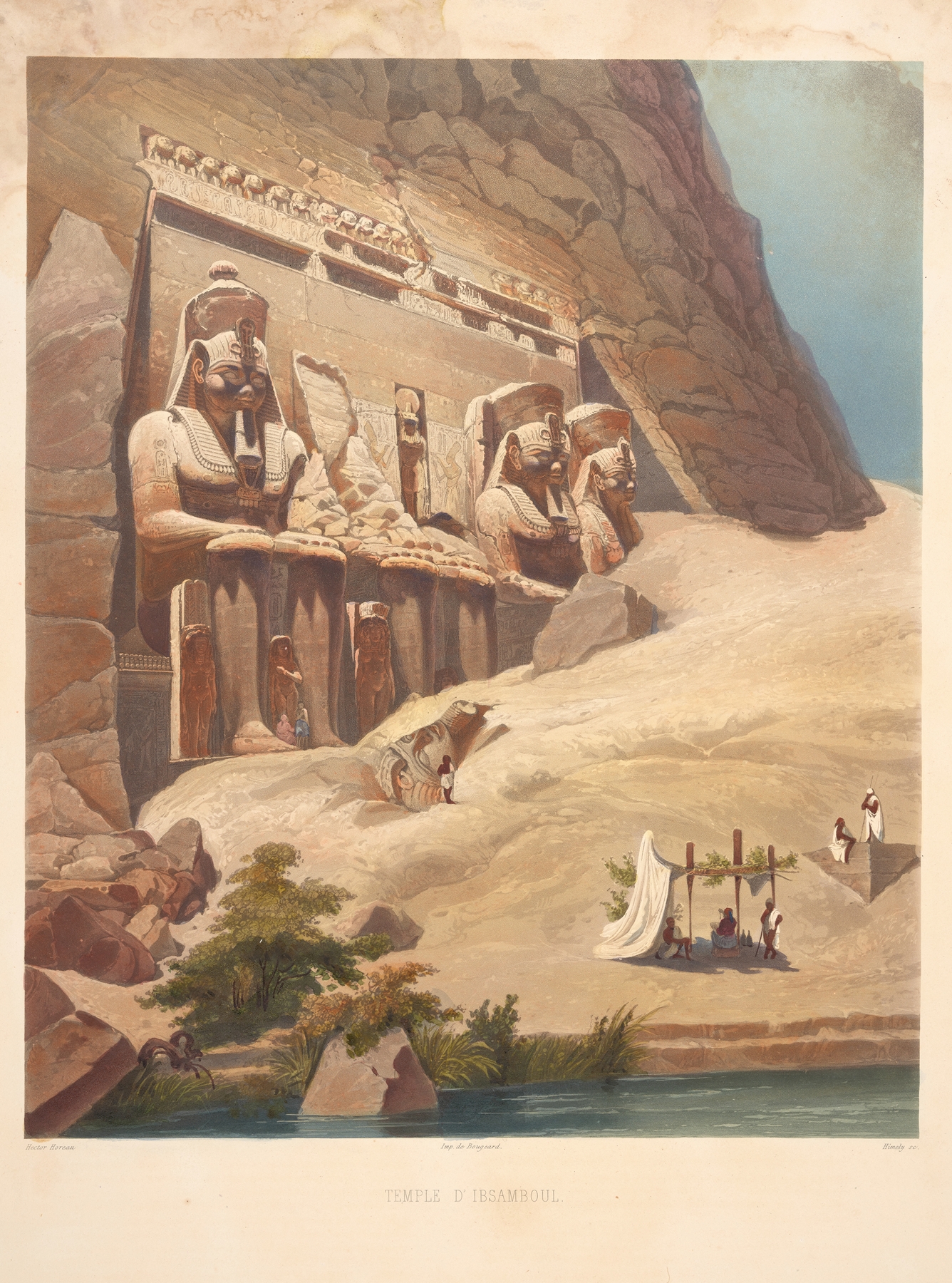
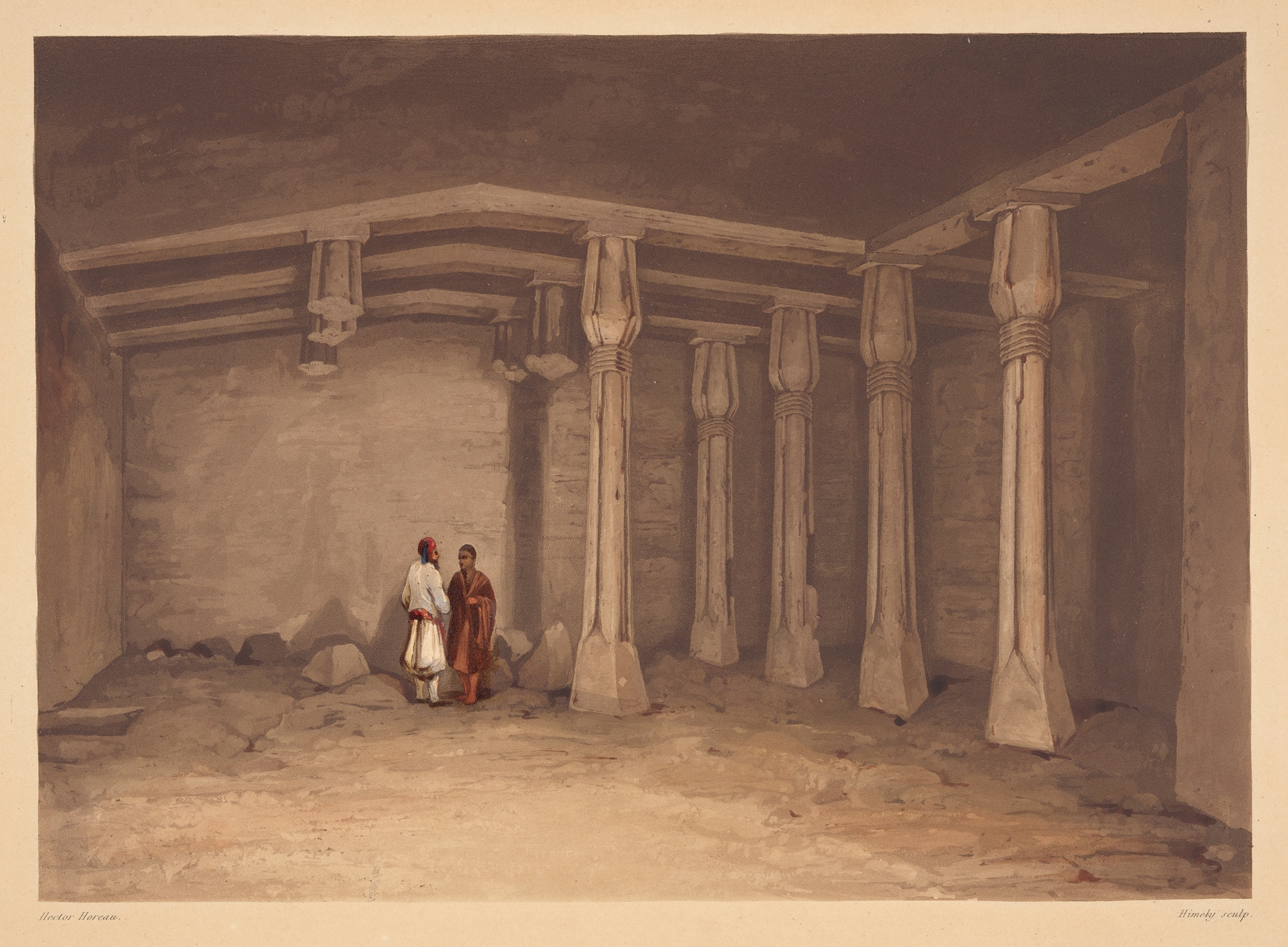
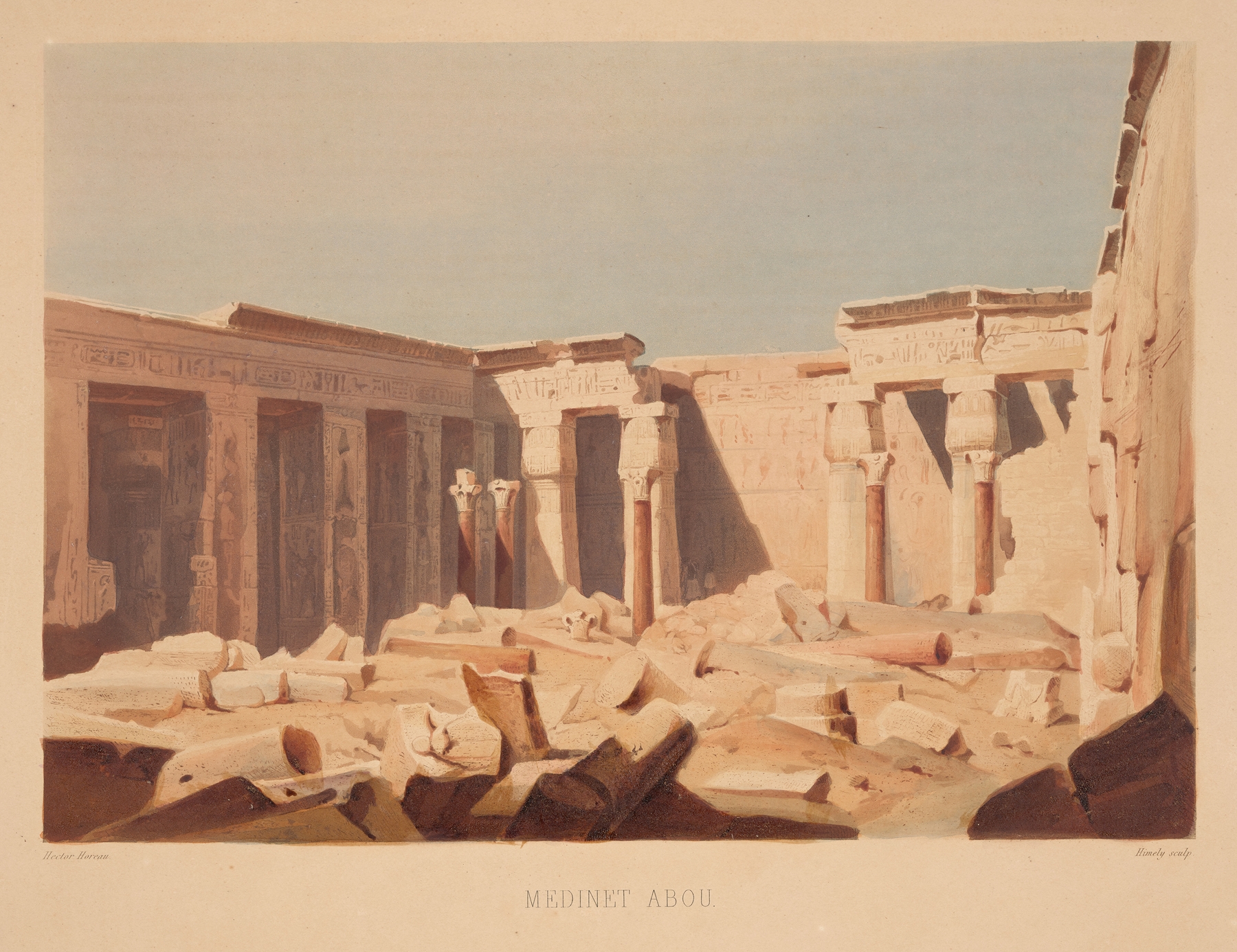
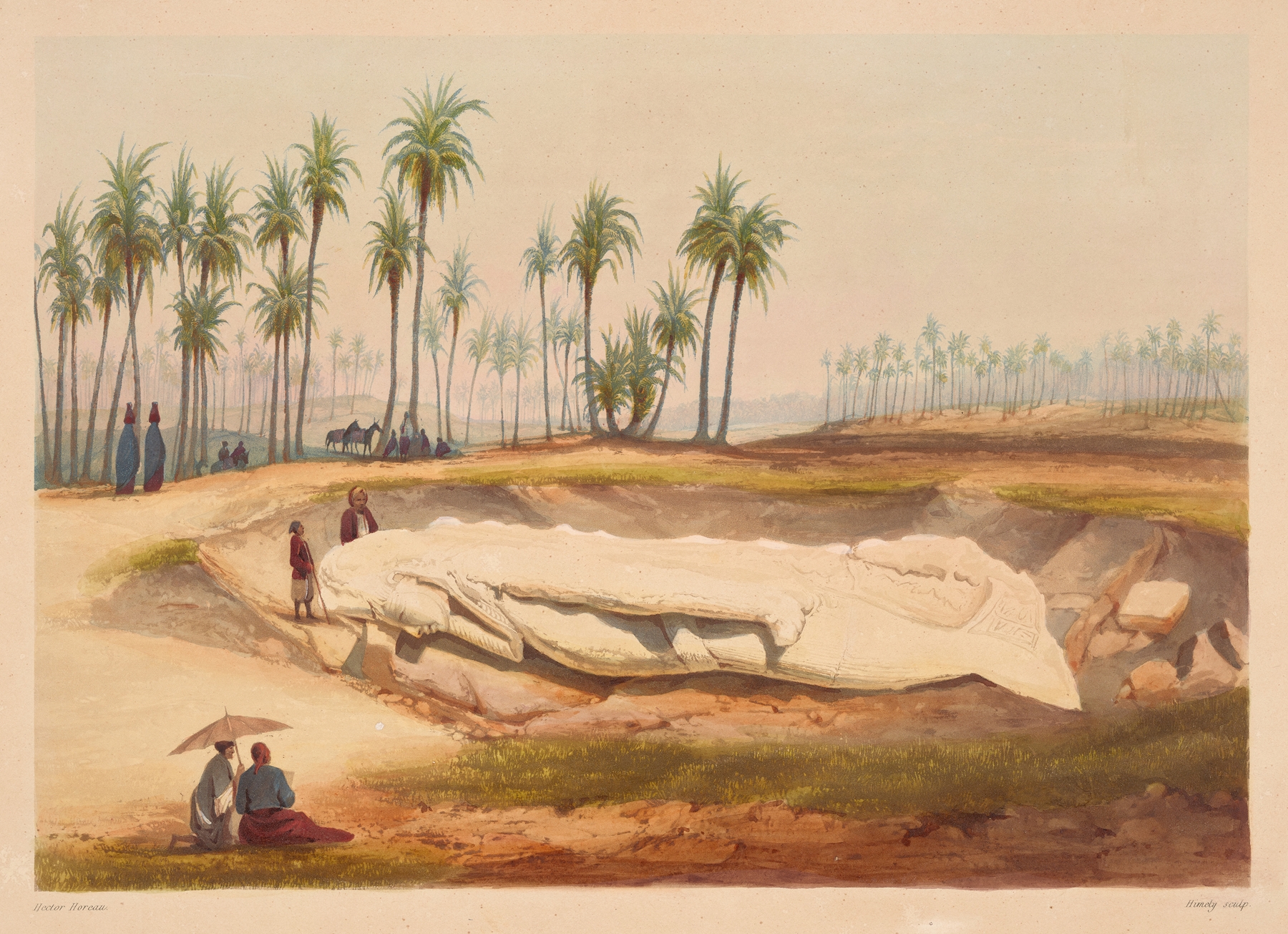
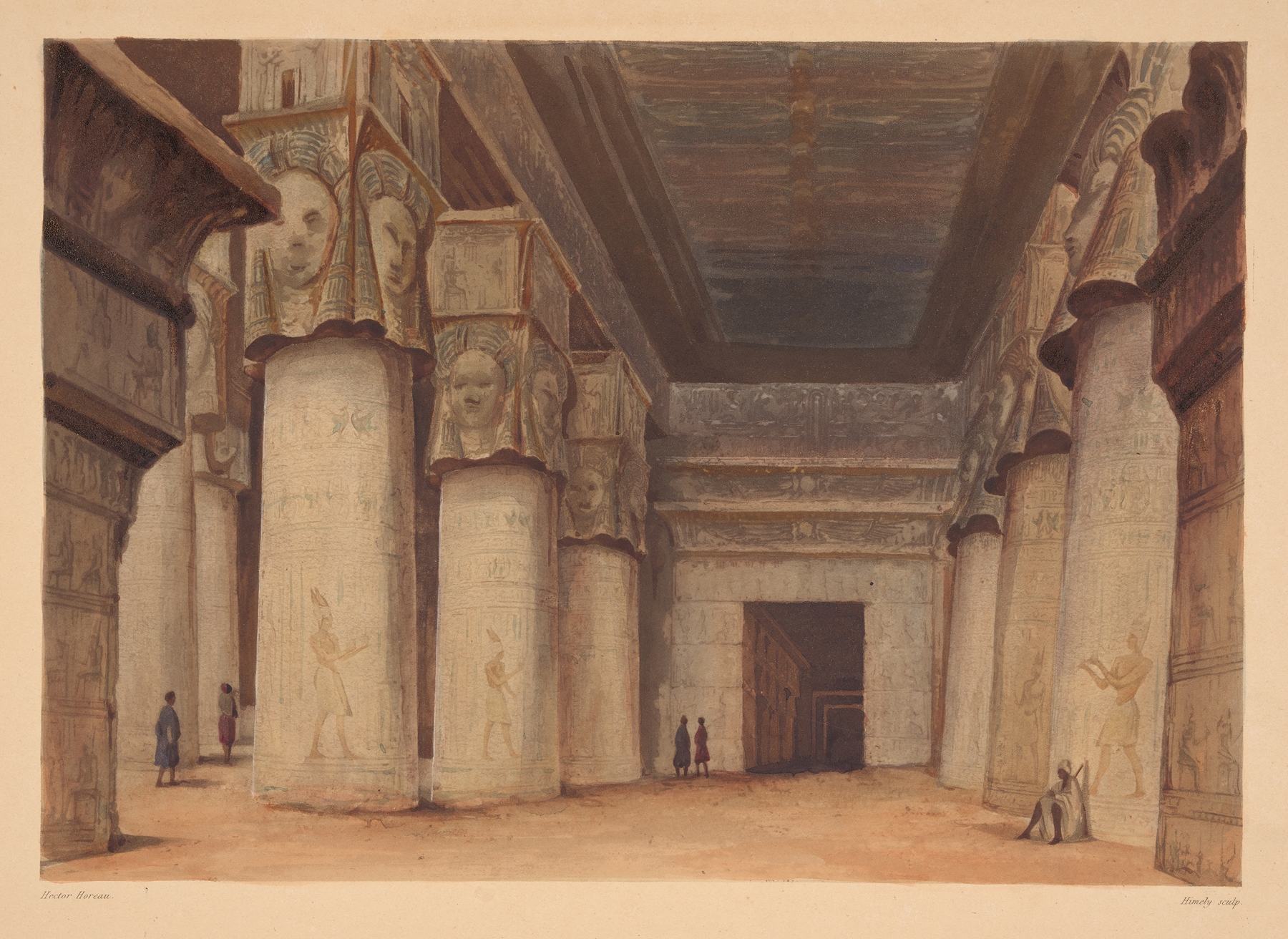
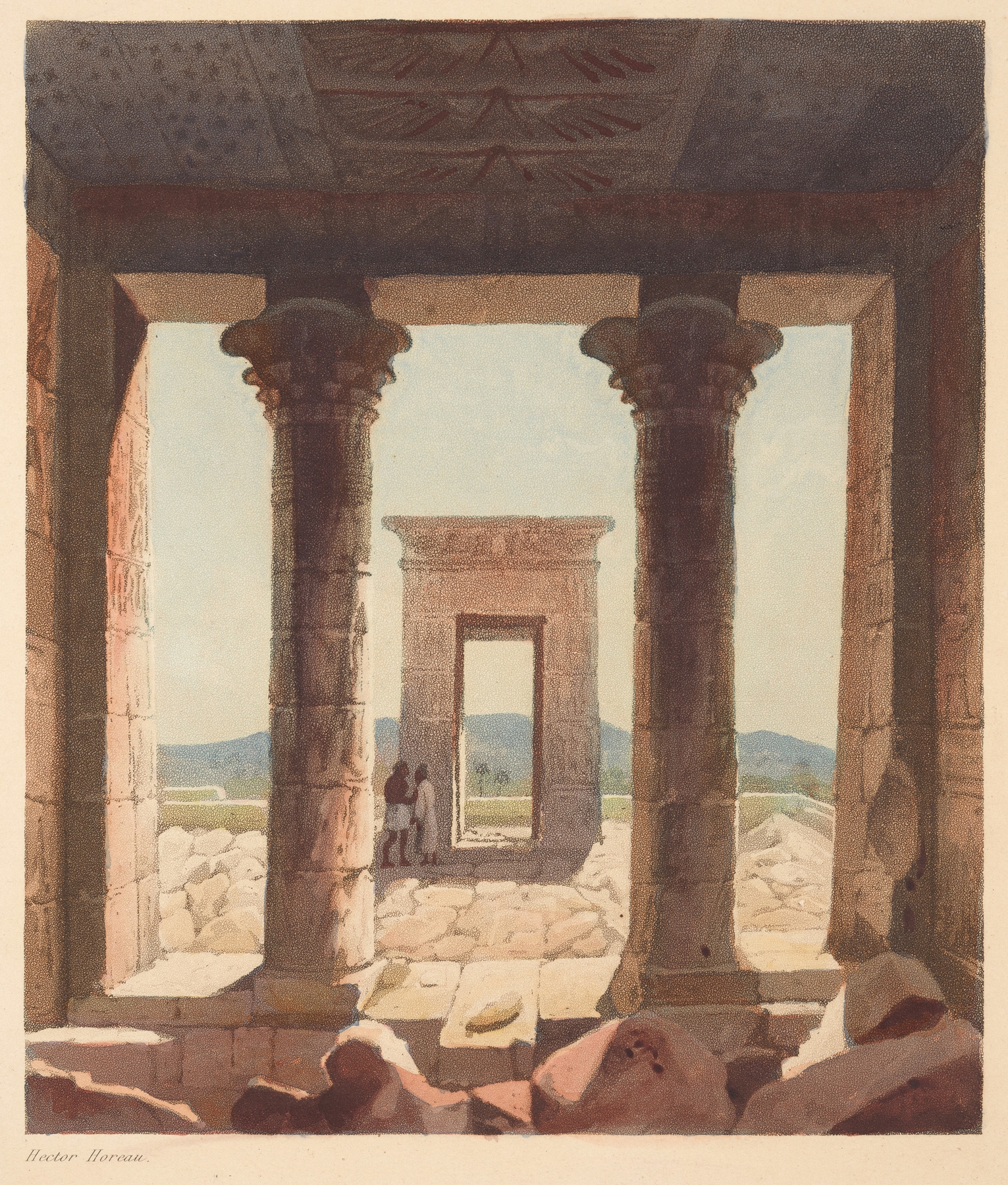
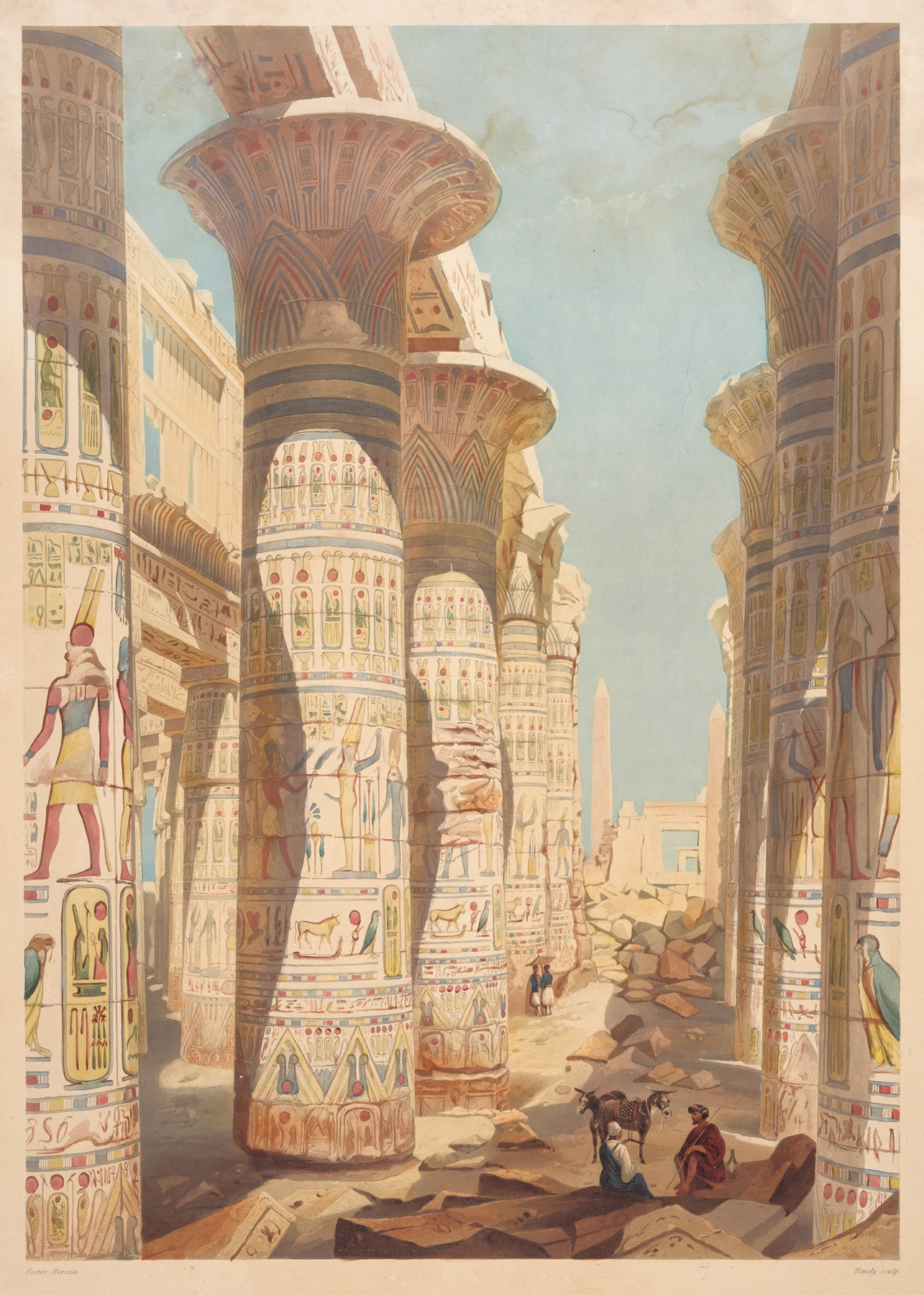
What secret hides in the quiet of the canvas? Beneath the tranquil surface of Ile de Philae, a story of legacy whispers through time, inviting us to explore its depths. Look closely at the serene landscape: the towering columns rise majestically against a soft azure sky, serving as sentinels of ancient civilization. Notice how the light bathes the scene, casting gentle shadows that reveal the intricate hieroglyphs etched into stone.
The composition feels balanced, as the lush greenery embraces the structured architecture; this harmony between nature and humanity speaks to the profound relationship the ancients held with their environment. Delve deeper, and you’ll uncover a tension between permanence and transience. The water, calm yet ever-changing, reflects a legacy that clings to the monuments; it suggests both the resilience of culture and the inevitable passage of time. Each element carries weight: the crumbling stones hint at stories lost, while the sunlight glistening on the surface of the river signifies hope and continuity.
Horeau captures a moment that feels both timeless and fleeting, evoking contemplation on what endures amidst the decay. In 1822, the artist created this work during a period of profound interest in Egyptology, driven by the Romantic movement's fascination with the exotic and the sublime. Horeau, a French architect and painter, stood at the crossroads of artistic exploration, capturing not just the physical landscape of Philae, but also the echoes of a civilization whose legacy continues to resonate through history.
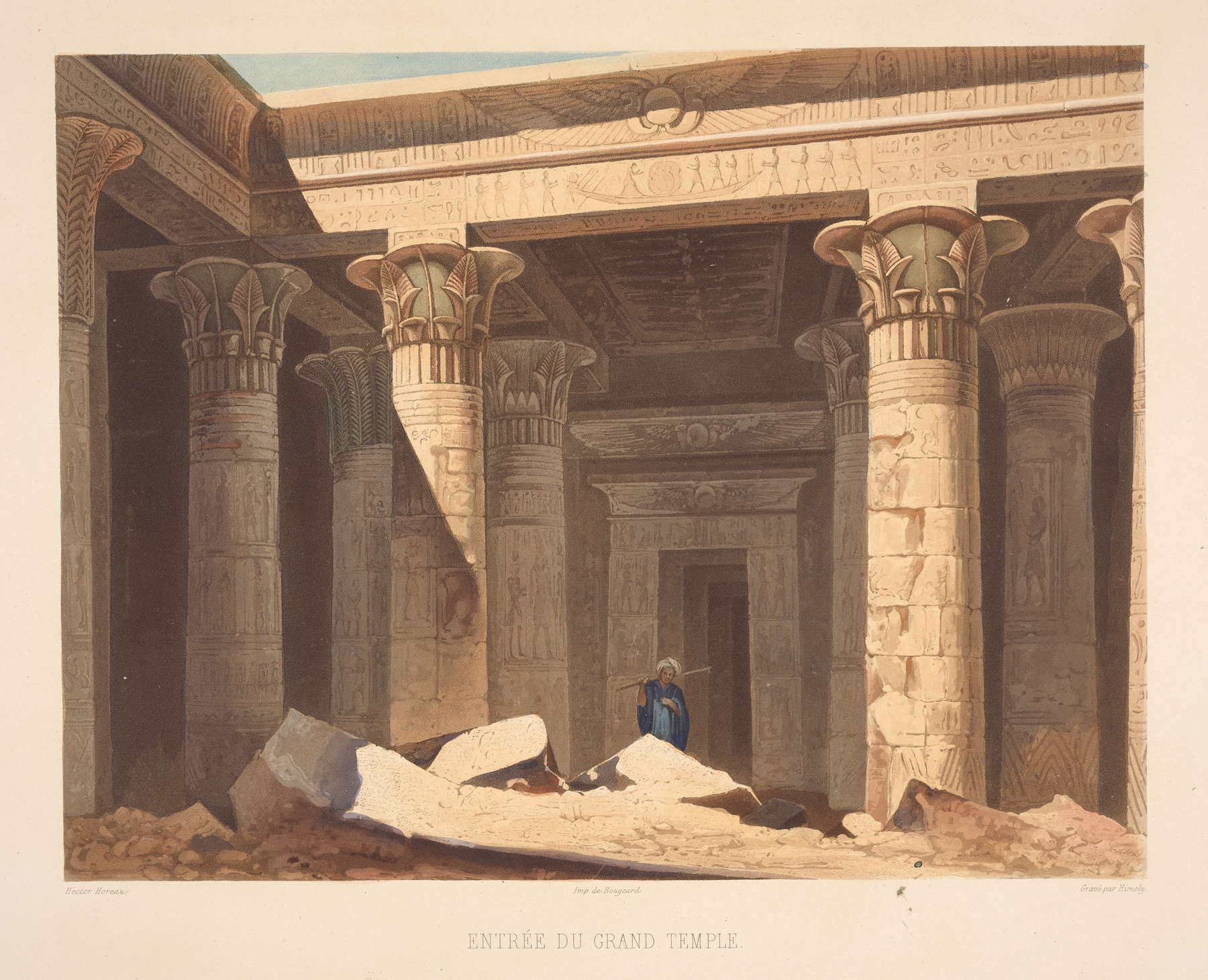
![Temple d’Ibsamboul [Interior view] (Temple of Abu Simbel), by Hector Horeau, public domain](https://froigstrpvutwqtqikzt.supabase.co/storage/v1/object/public/art-images/artworks/3156dbe8015f5681be442de2c2c50af40c84d5e10e8f68f04f9a54d6d857255f.jpg)