Indian Dance — History & Analysis
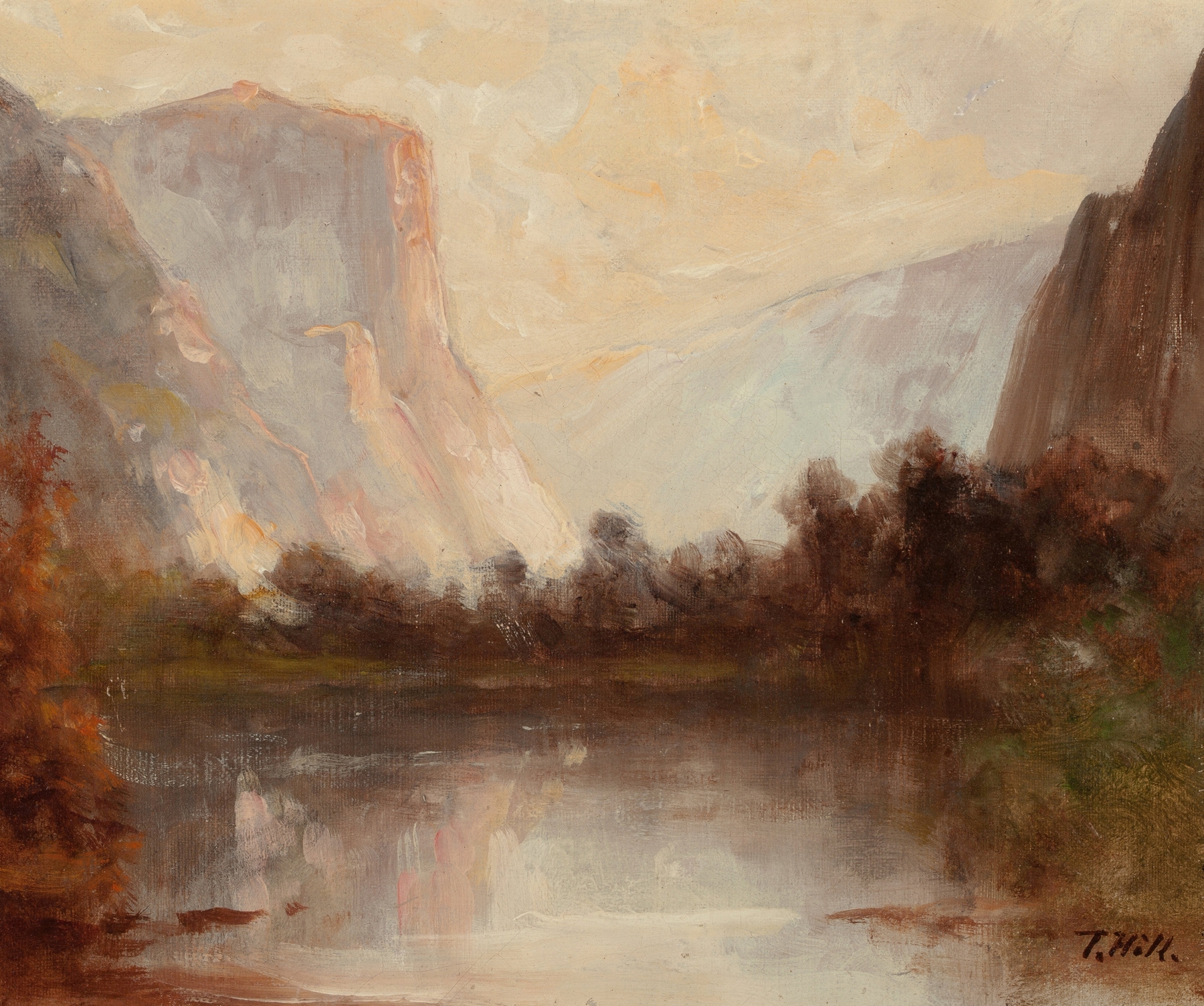
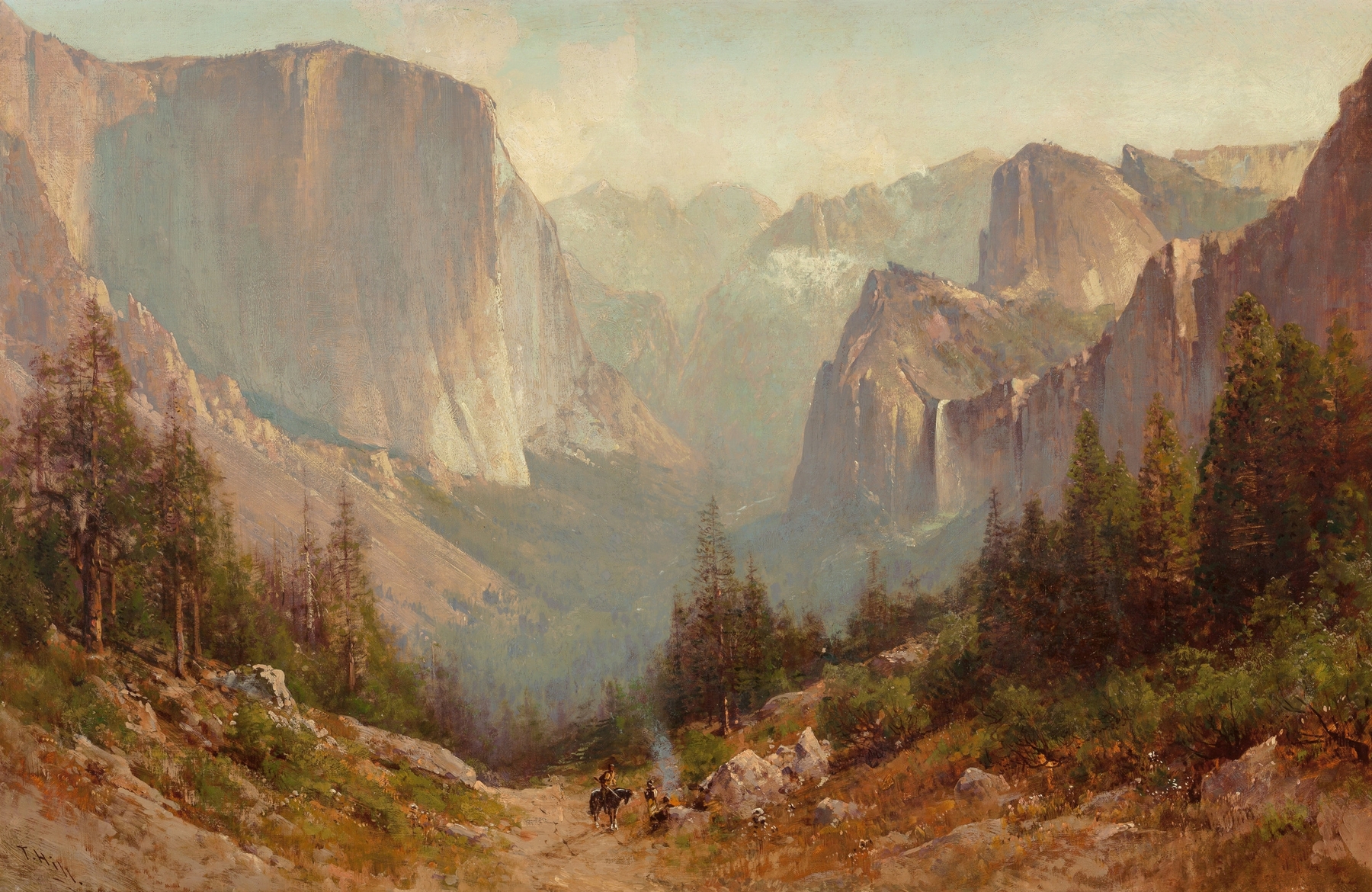
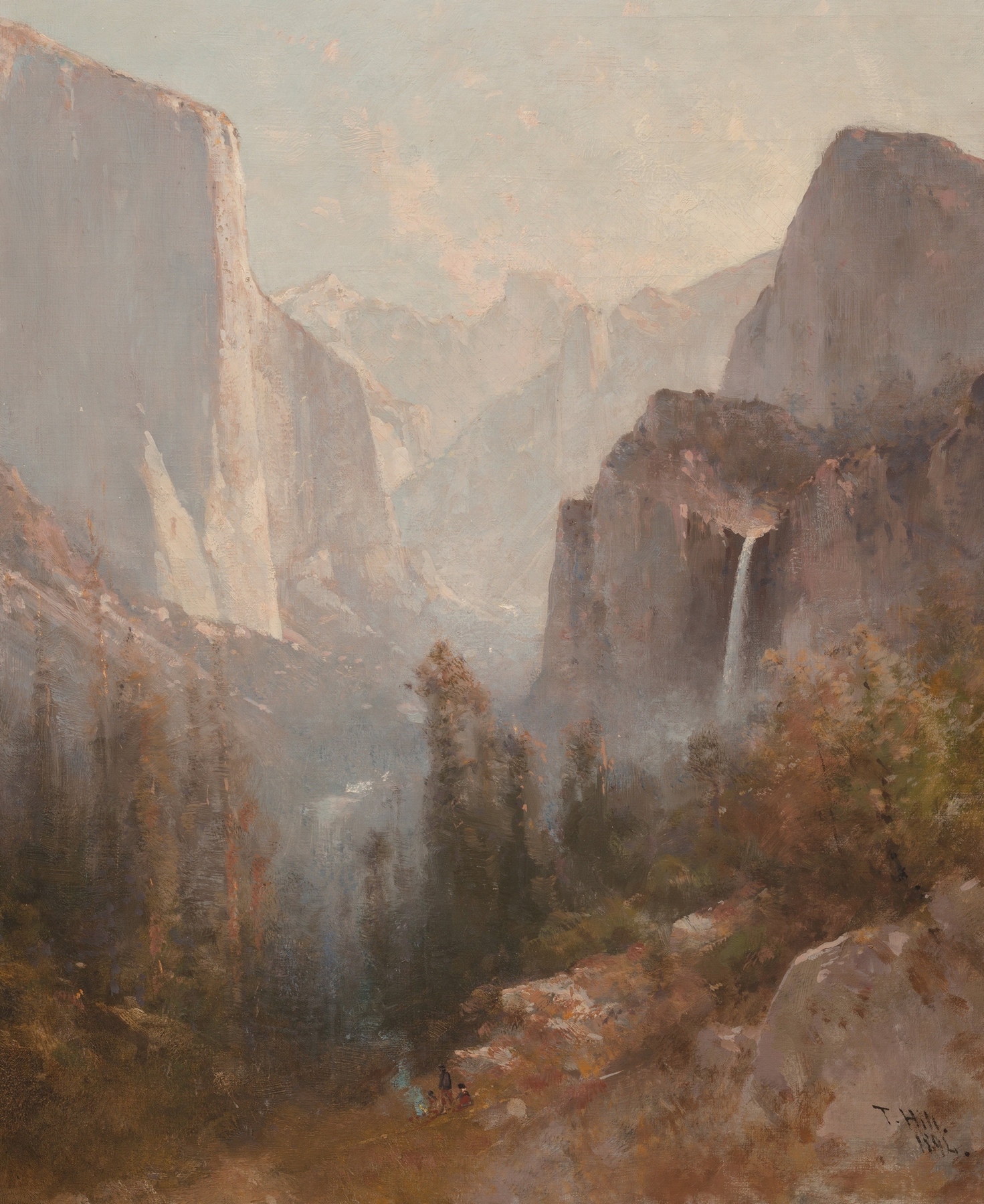
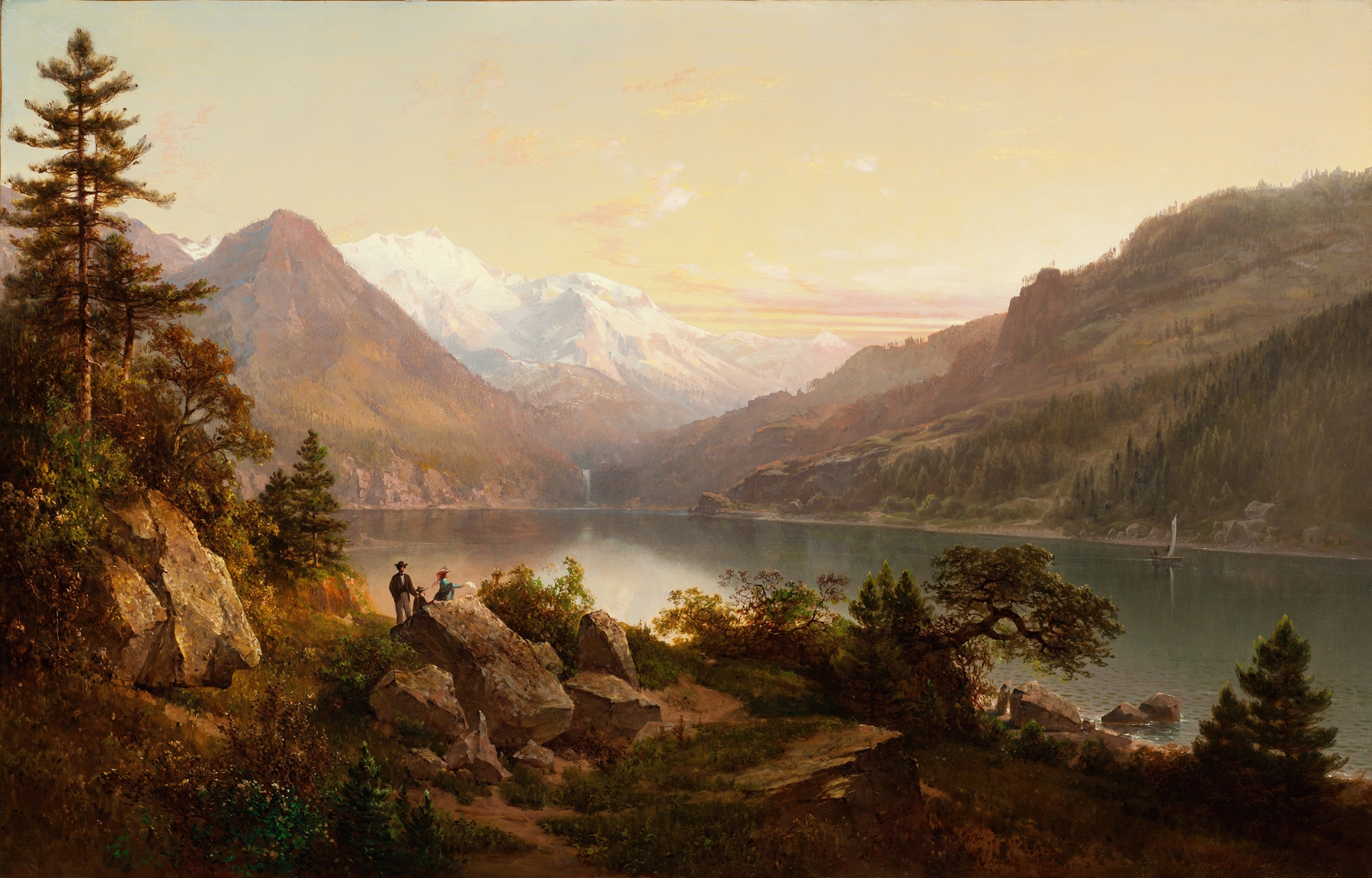
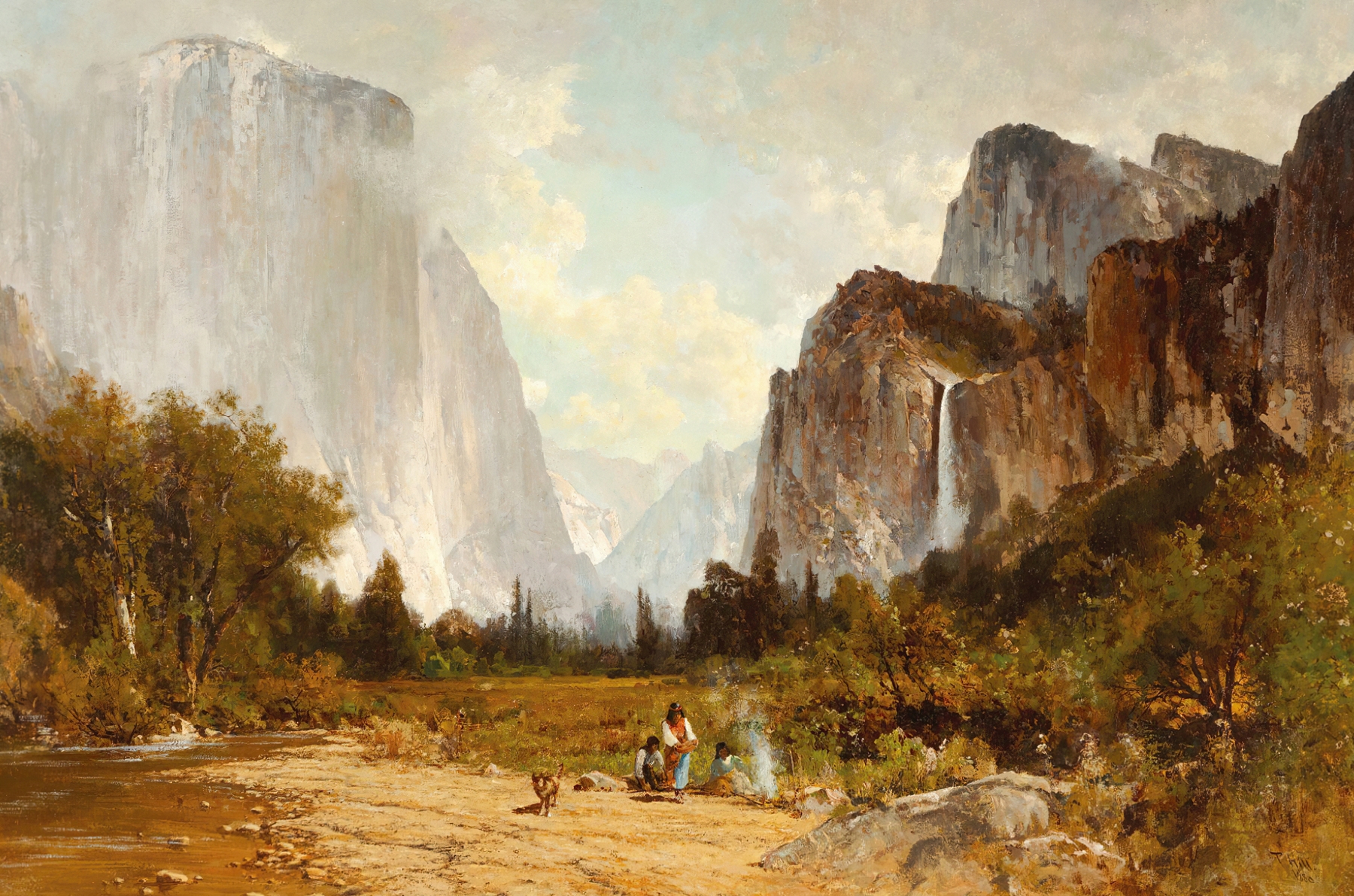
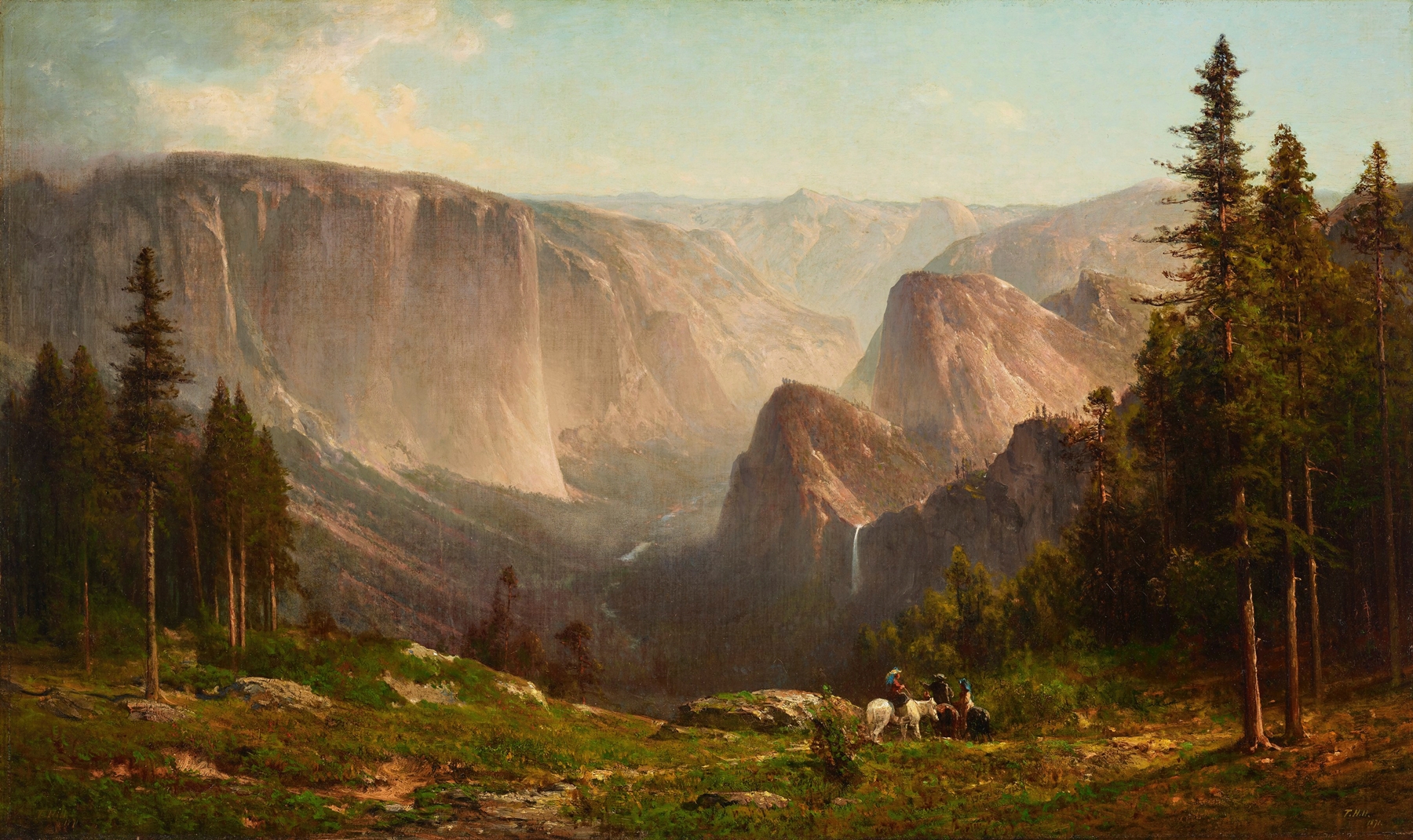
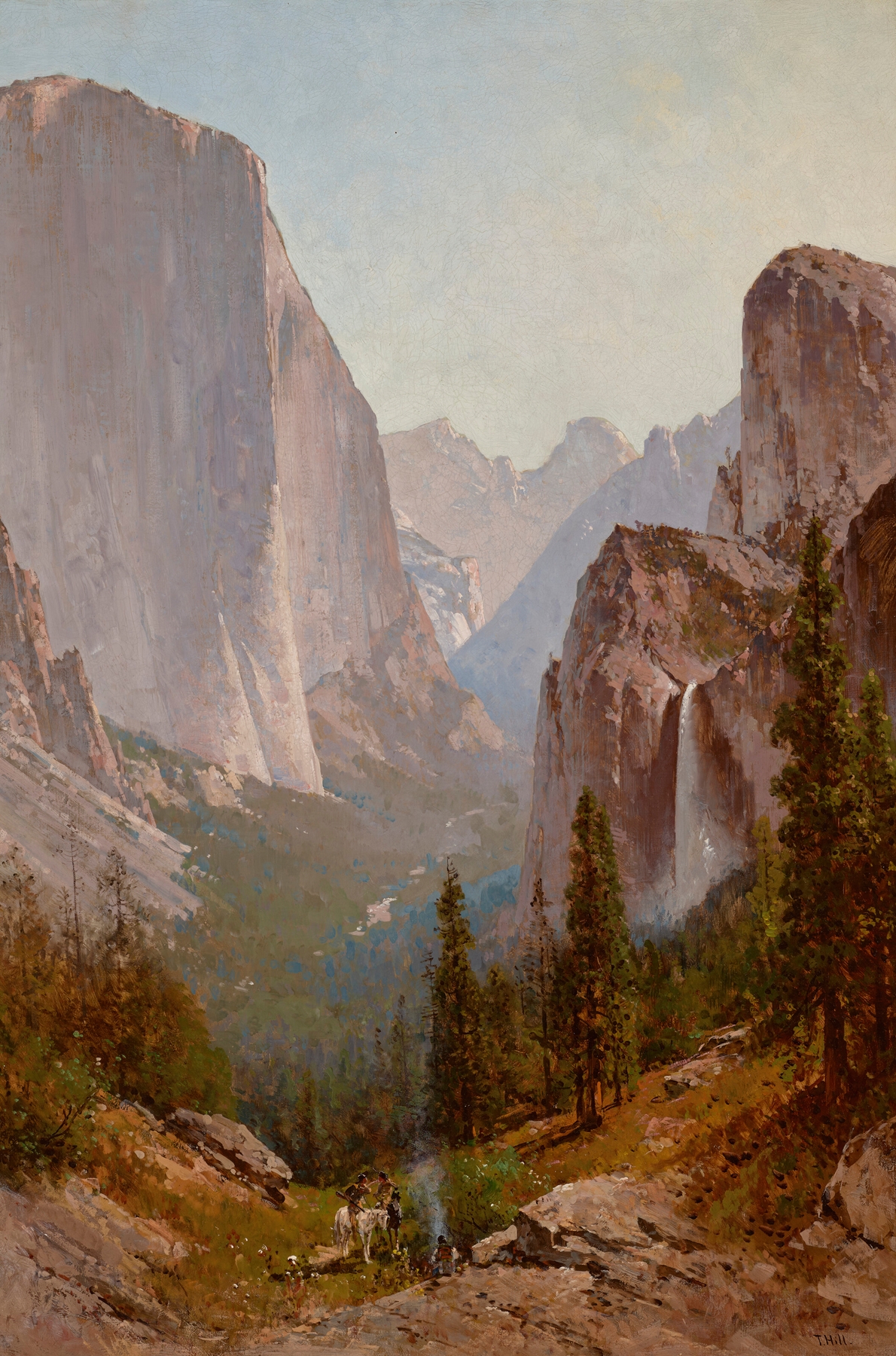
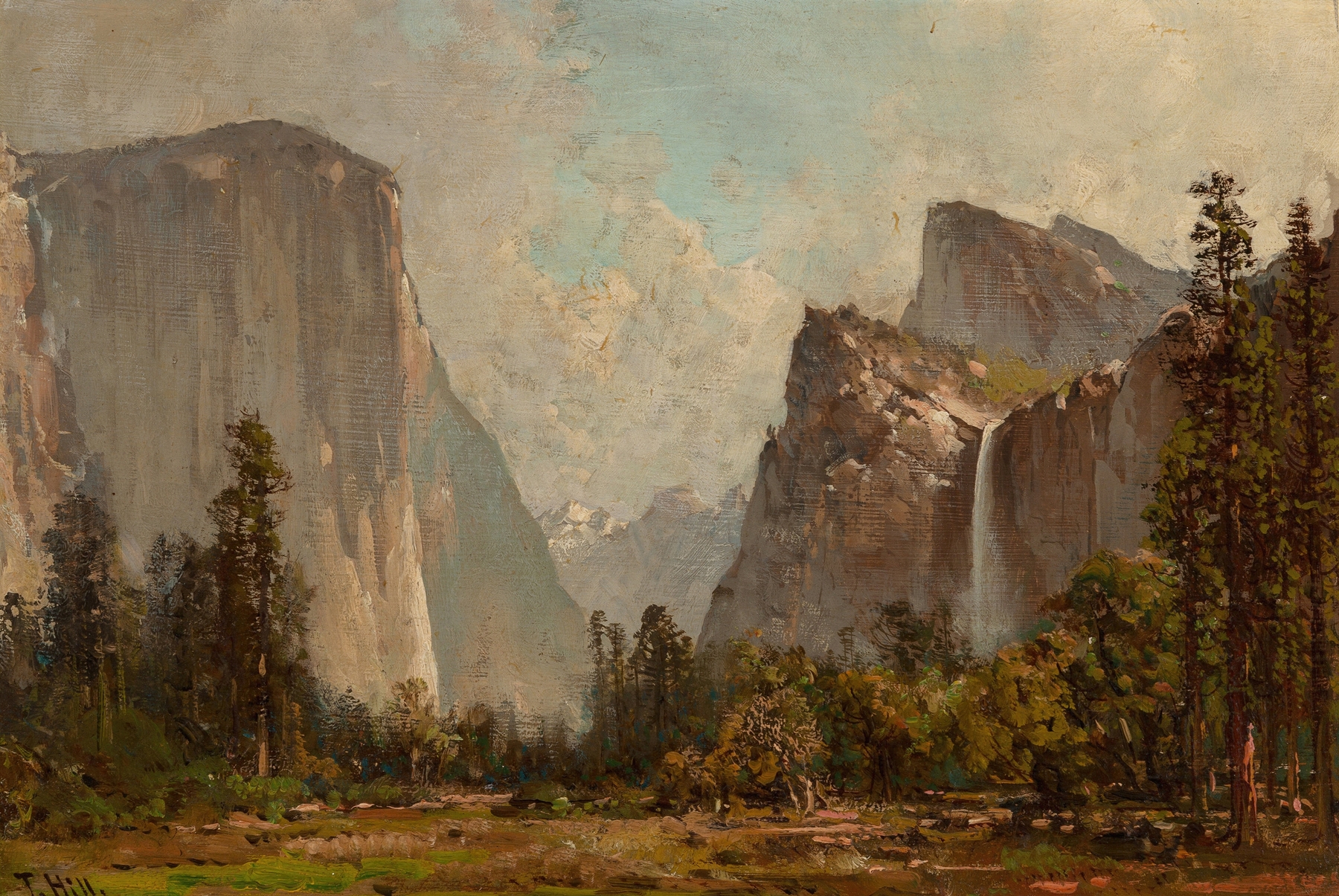
Who listens when art speaks of silence? In Indian Dance, the chaos of movement transcends mere visual form, offering a glimpse into a world where every brushstroke pulsates with life and rhythm. Focus first on the swirling figures at the center of the canvas, their limbs elongated and gracefully exaggerated. Notice how Thomas Hill employs a vibrant palette of reds and golds that vibrate against the cooler blues in the background, creating a visual tension that draws the eye.
The dancers, caught in mid-motion, seem to echo the very heartbeat of the music that remains unplayed, inviting you to imagine the cacophony of sound that accompanies such fervent expression. Delve deeper into the details: the expressive faces of the dancers reflect a mixture of joy and solemnity, hinting at the duality of celebration and ritual. The swirling patterns of their costumes contrast beautifully with the stillness of the surrounding landscape, evoking a sense of chaotic harmony that permeates the air. Each figure, while part of the collective dance, conveys unique stories, emphasizing individuality amidst communal expression.
In 1901, while creating this piece, Hill was deeply engaged with themes of cultural representation, drawing inspiration from the burgeoning interest in Native American culture and the Romanticism that influenced many artists of his time. This era was marked by a desire to explore and depict the richness of diverse cultures, reflecting the broader social transformations occurring in America. The painting serves not only as a testament to this moment in Hill's life but also as a vibrant dialogue between tradition and modernity.