Jedburgh Abbey from the South East — History & Analysis
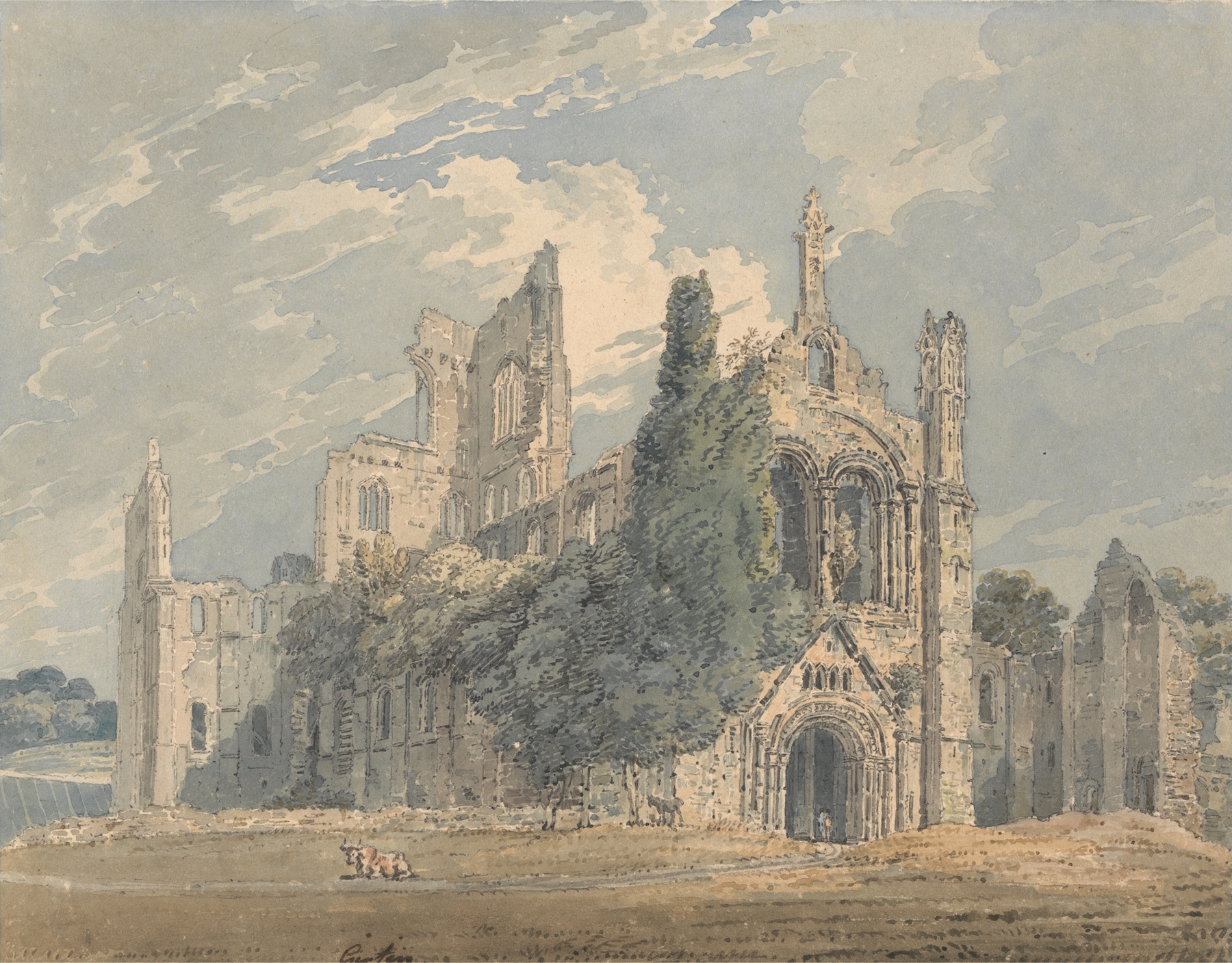
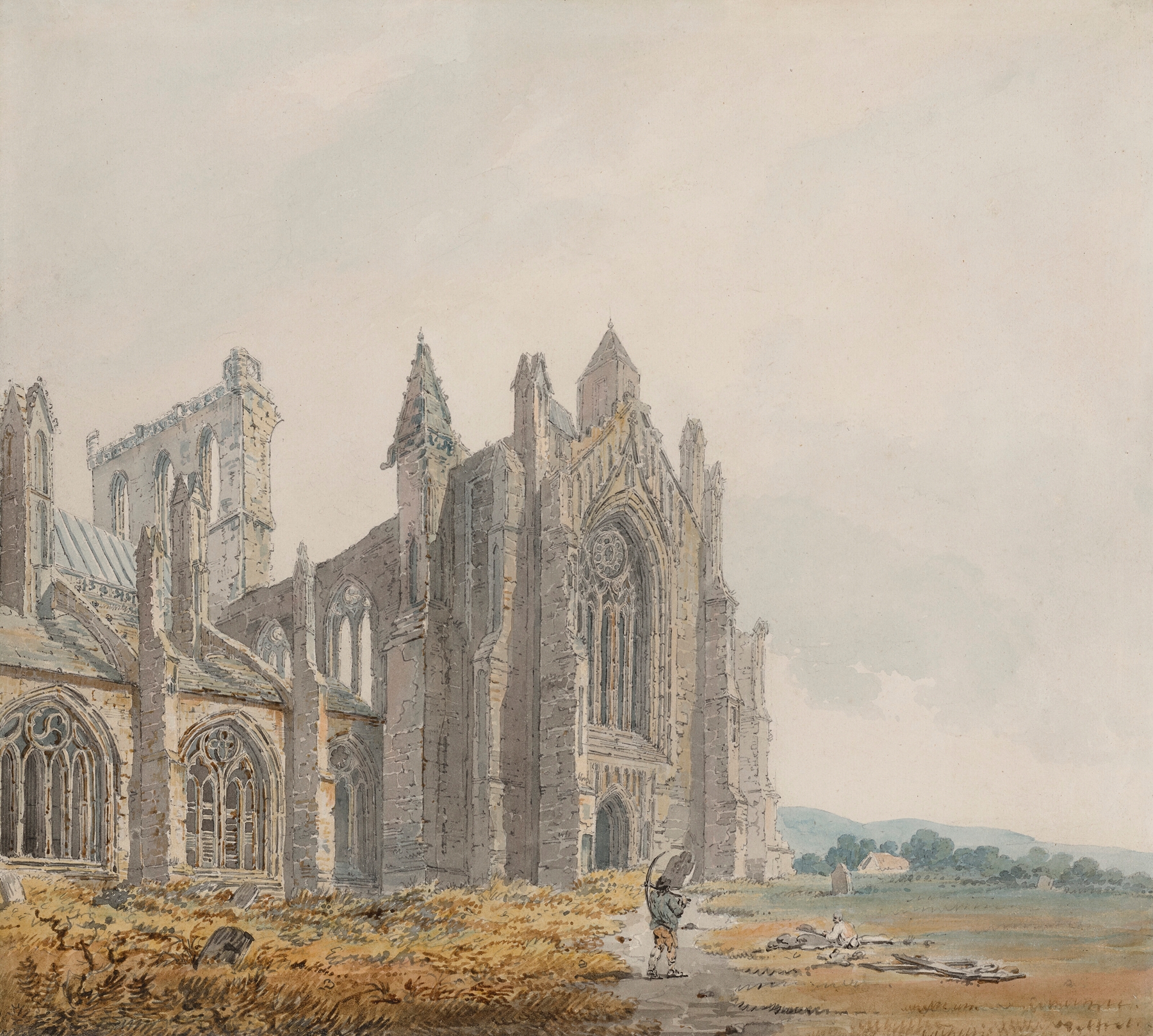
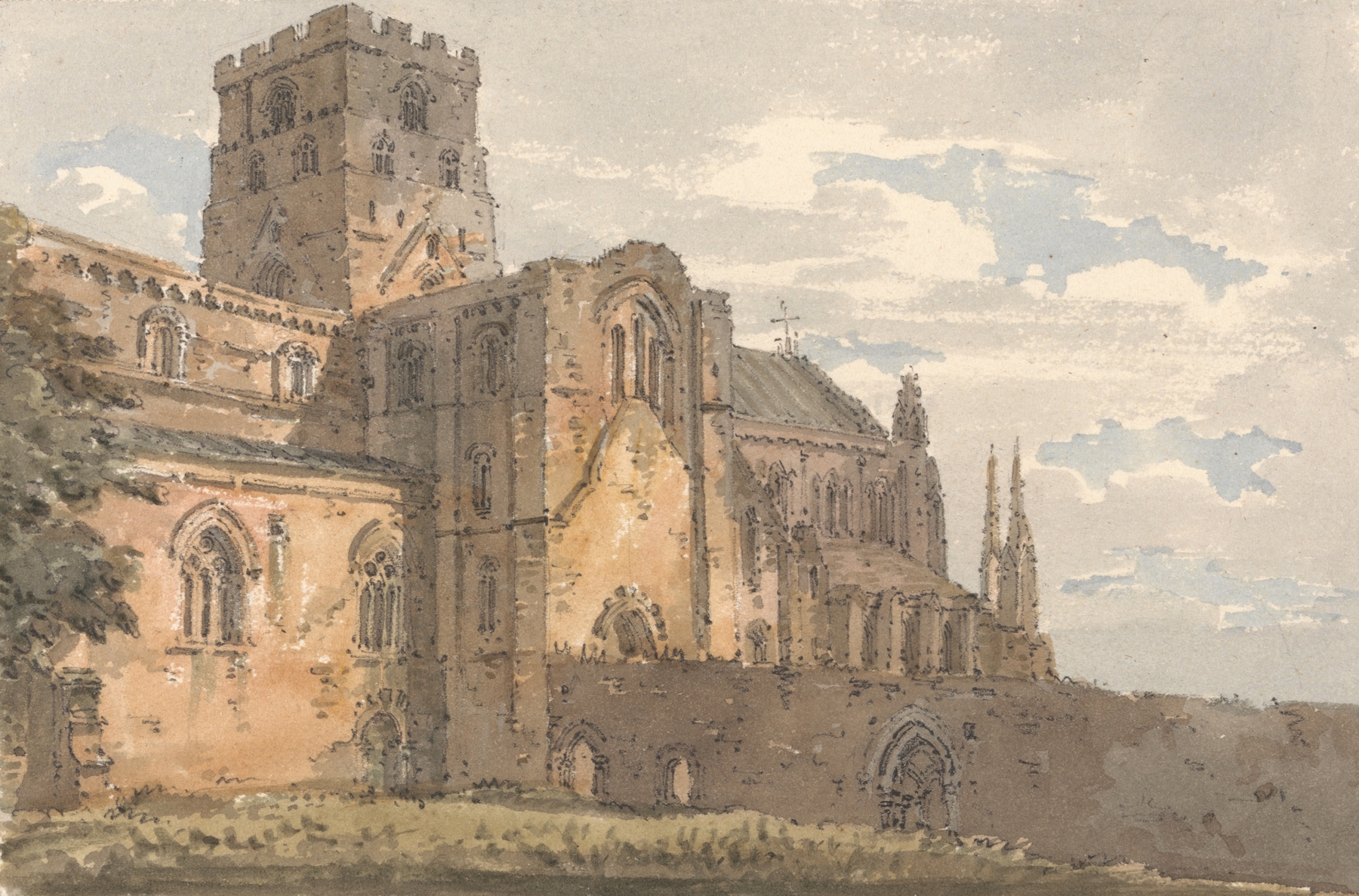
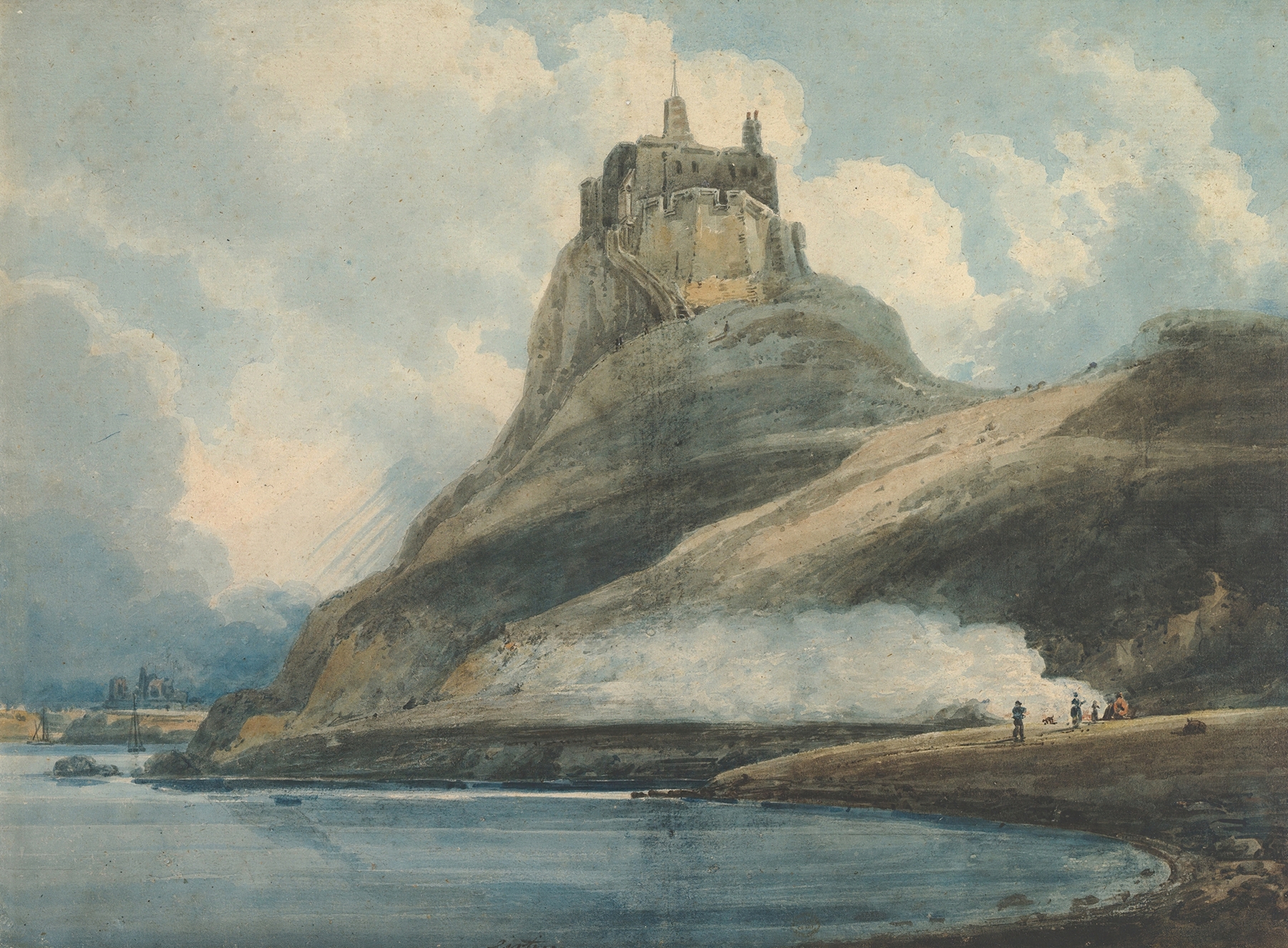
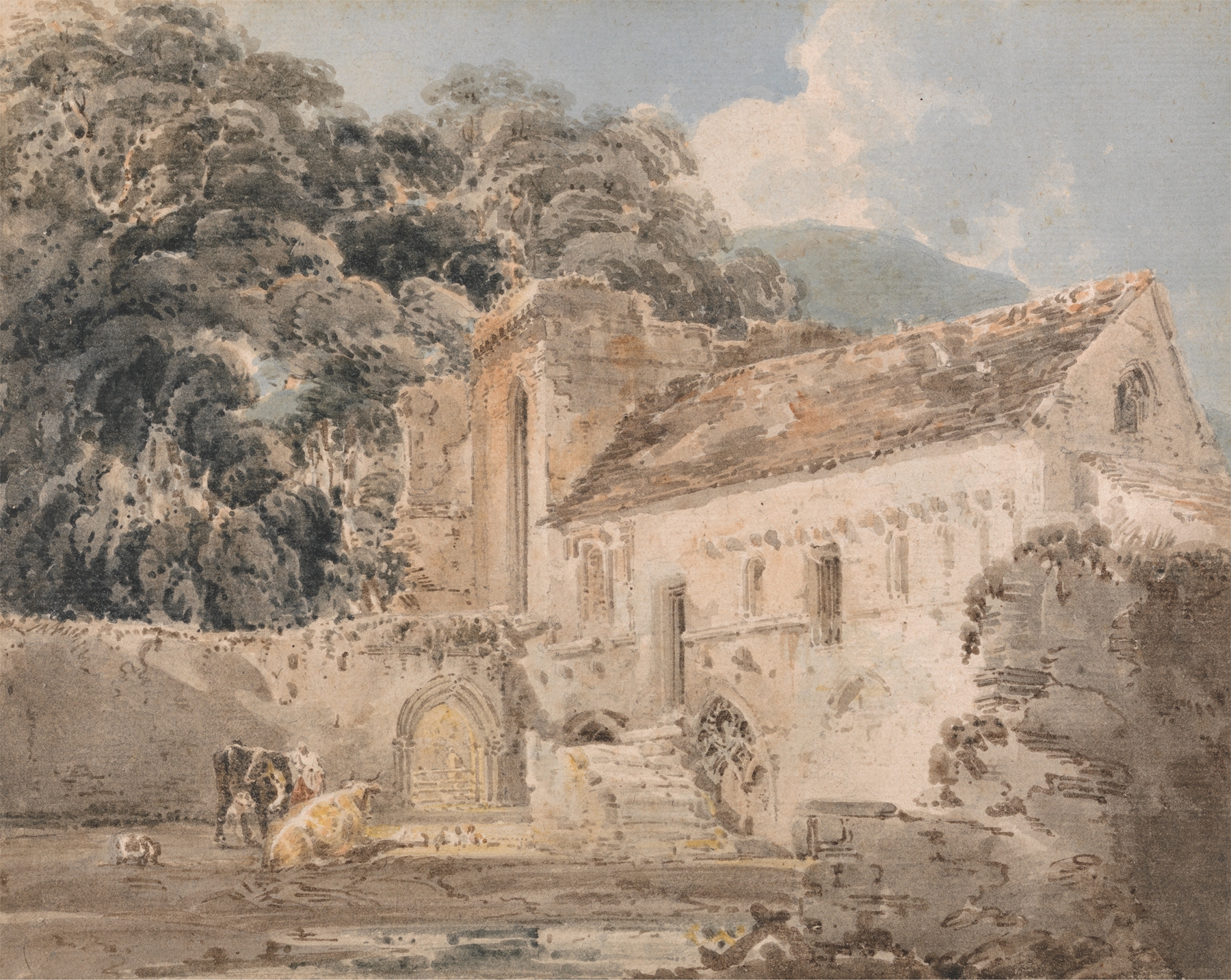
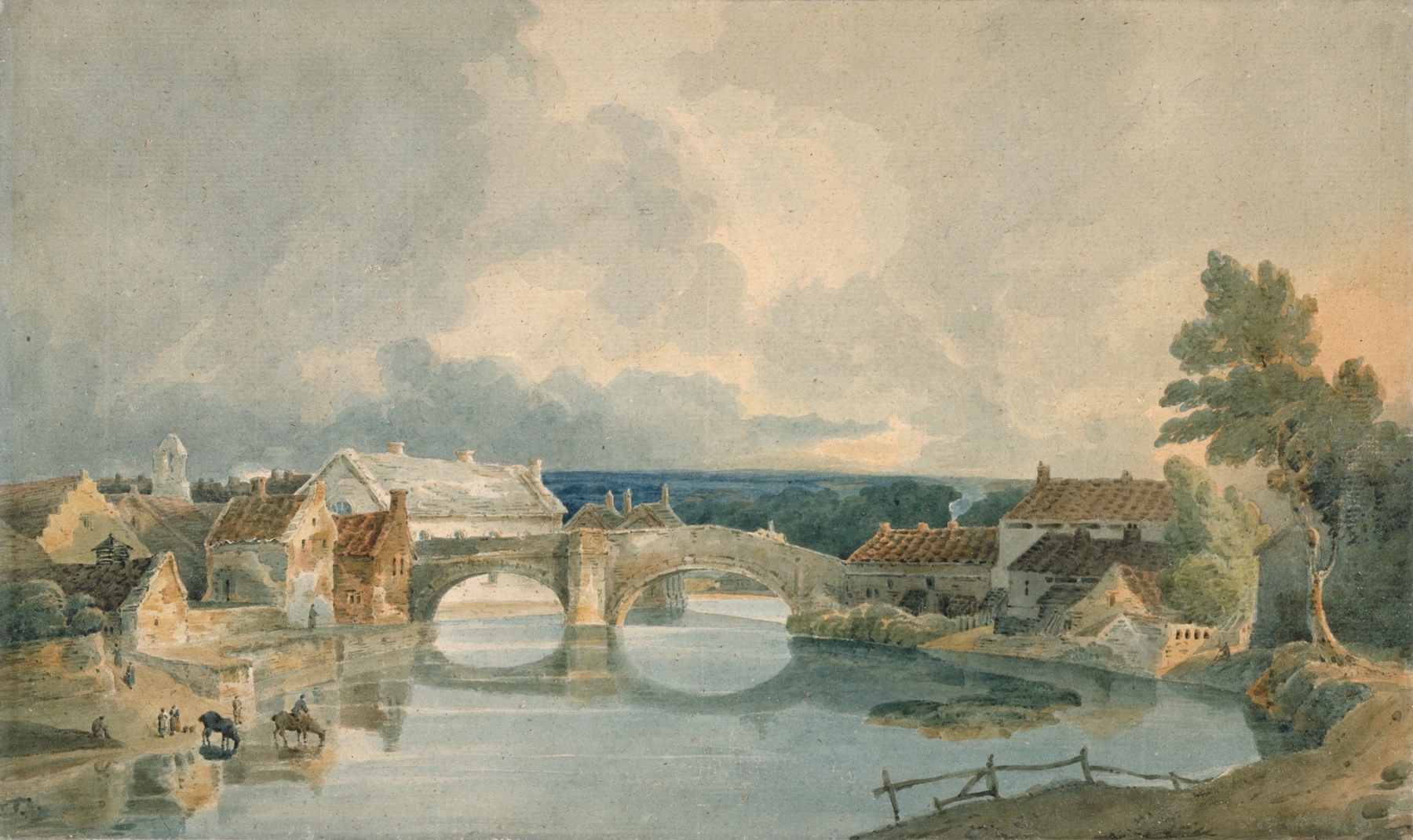
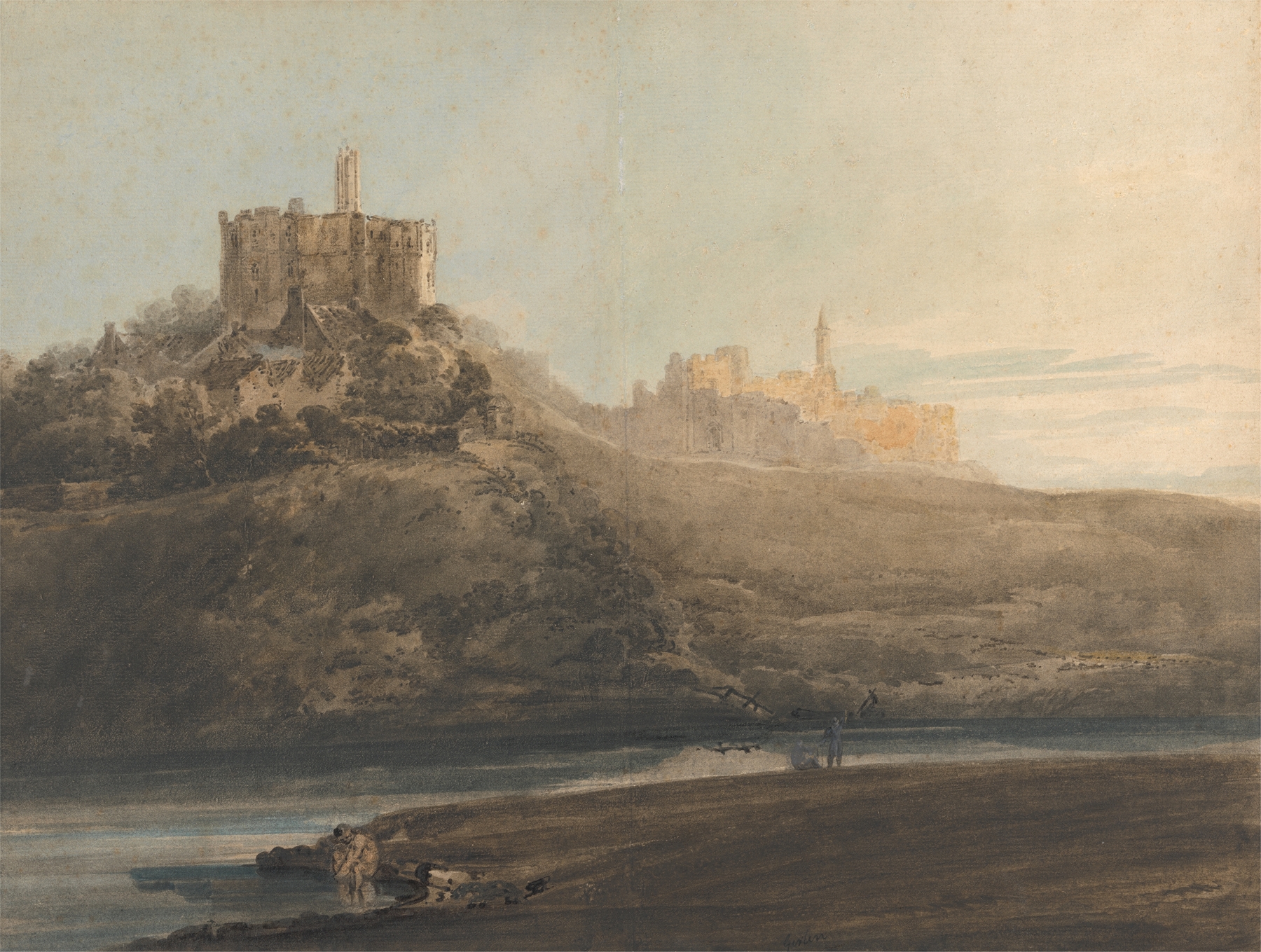
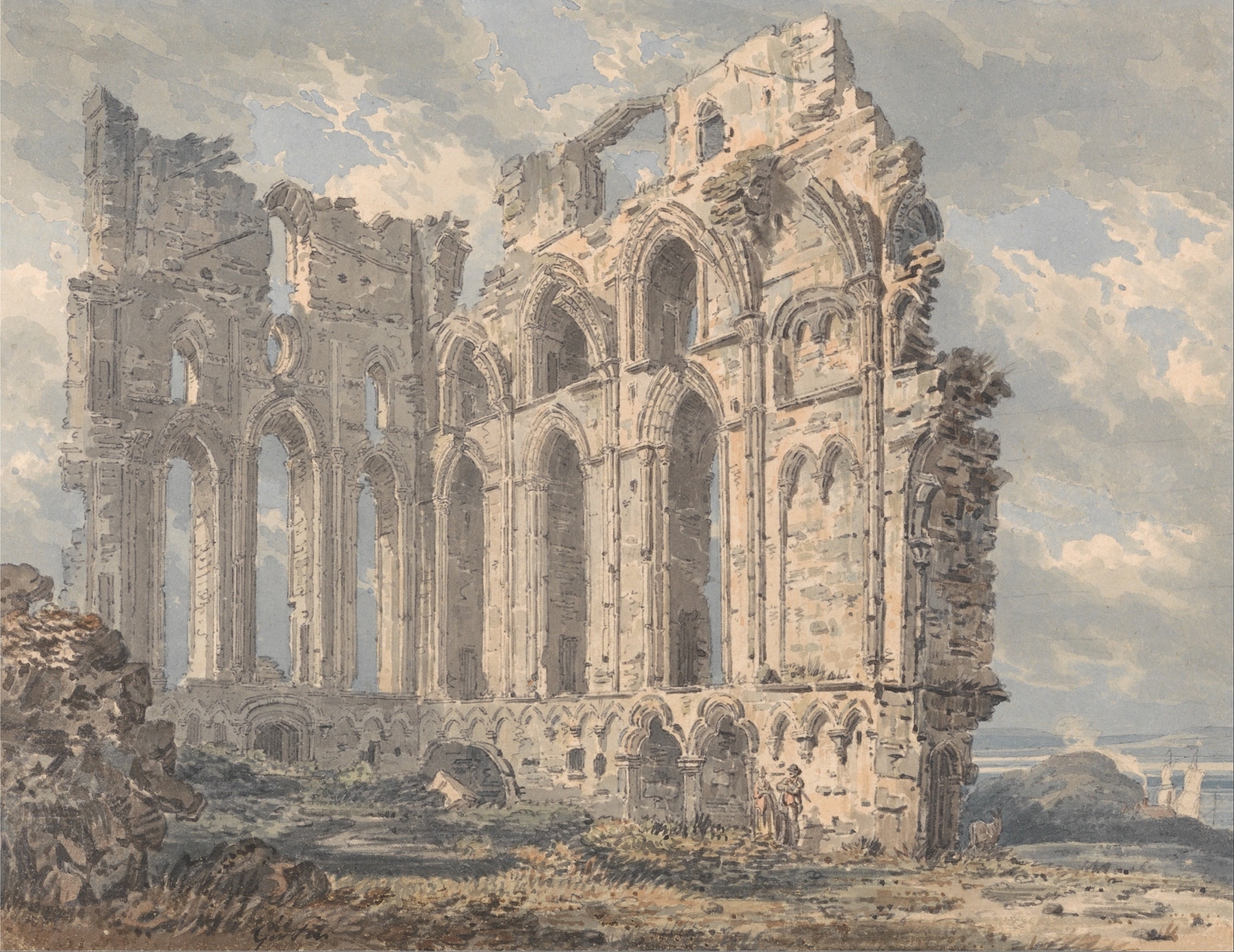
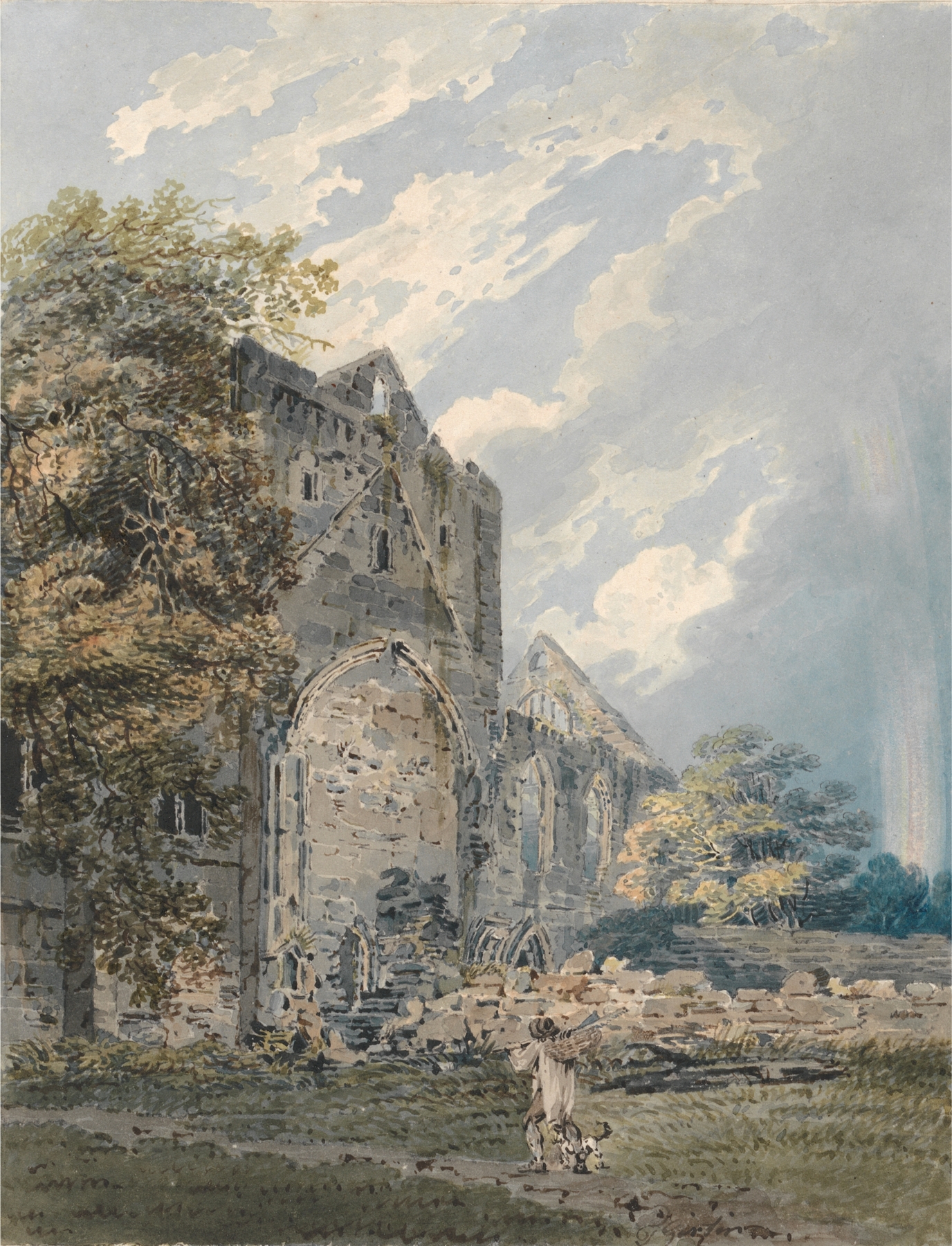
What if silence could speak through light? In the gentle interplay of shadow and illumination, legacies are captured in every stroke of the brush. Look to the left at the grand ruins of Jedburgh Abbey, their weathered stones exuding a sense of history and tranquility. Girtin employs soft pastels that wash over the landscape, creating a delicate harmony between earth and sky.
The mist gently blankets the horizon, while sunlight filters through the clouds, casting a golden hue on the abbey's remnants, inviting the viewer to ponder the stories etched within its walls. The contrast between the vibrant sky and the muted stonework evokes a bittersweet reflection on time and memory. The surrounding greenery frames the abbey, suggesting nature's slow reclamation of humanity's endeavors. Each detail, from the crumbling arches to the vibrant flora, speaks of a past that lingers, echoing themes of resilience and transience as they interweave the natural and architectural worlds.
In 1800, Thomas Girtin created this masterpiece while living in England, at a time when the Romantic movement was beginning to flourish. He was deeply engaged with capturing the sublime qualities of landscapes, and his work was marked by a growing interest in the interplay between man-made structures and their natural surroundings. This piece reflects not only Girtin's evolving style but also the broader artistic shift towards celebrating the beauty of ruins as symbols of history and legacy.