Jedburgh Abbey, Roxburghshire — History & Analysis
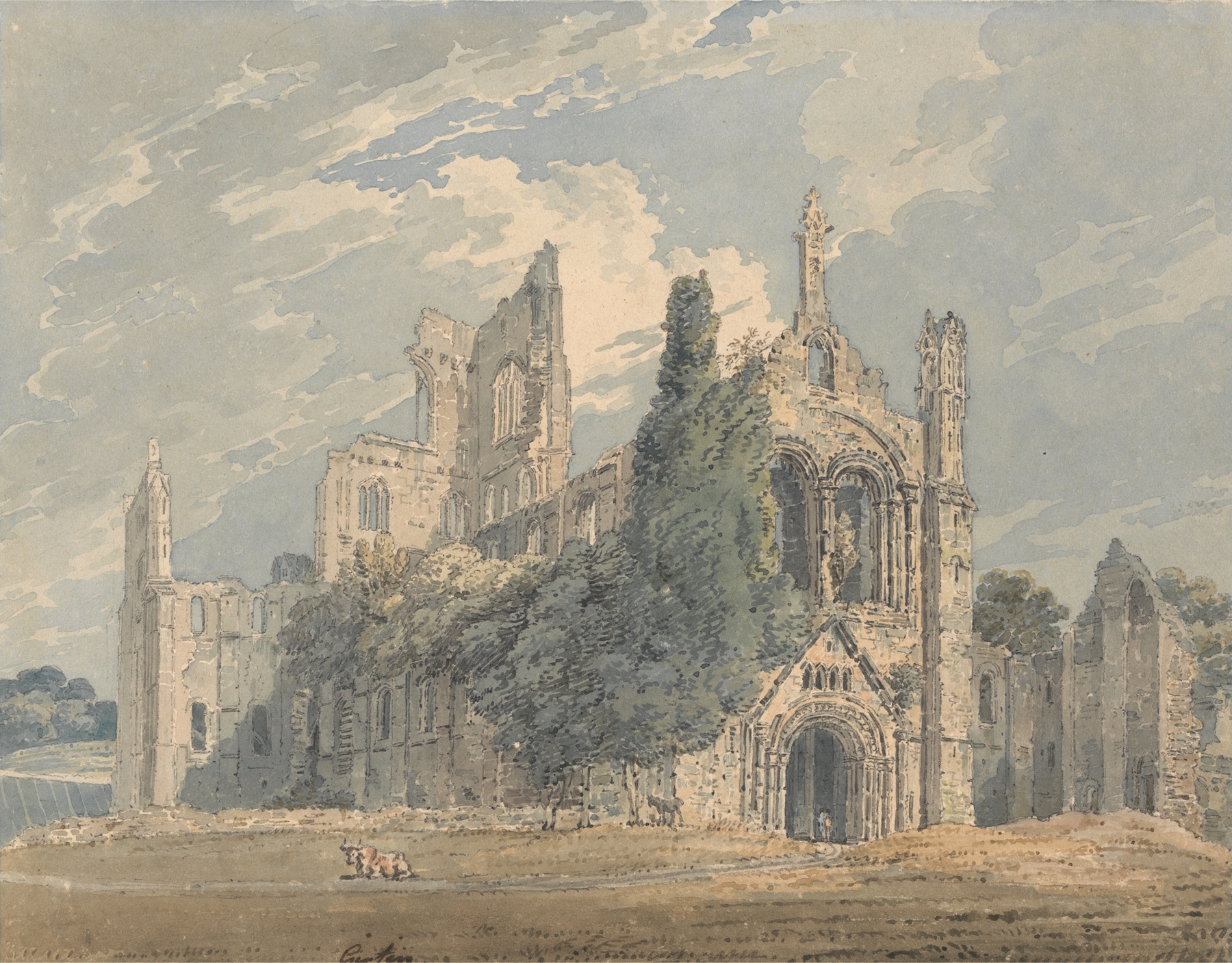
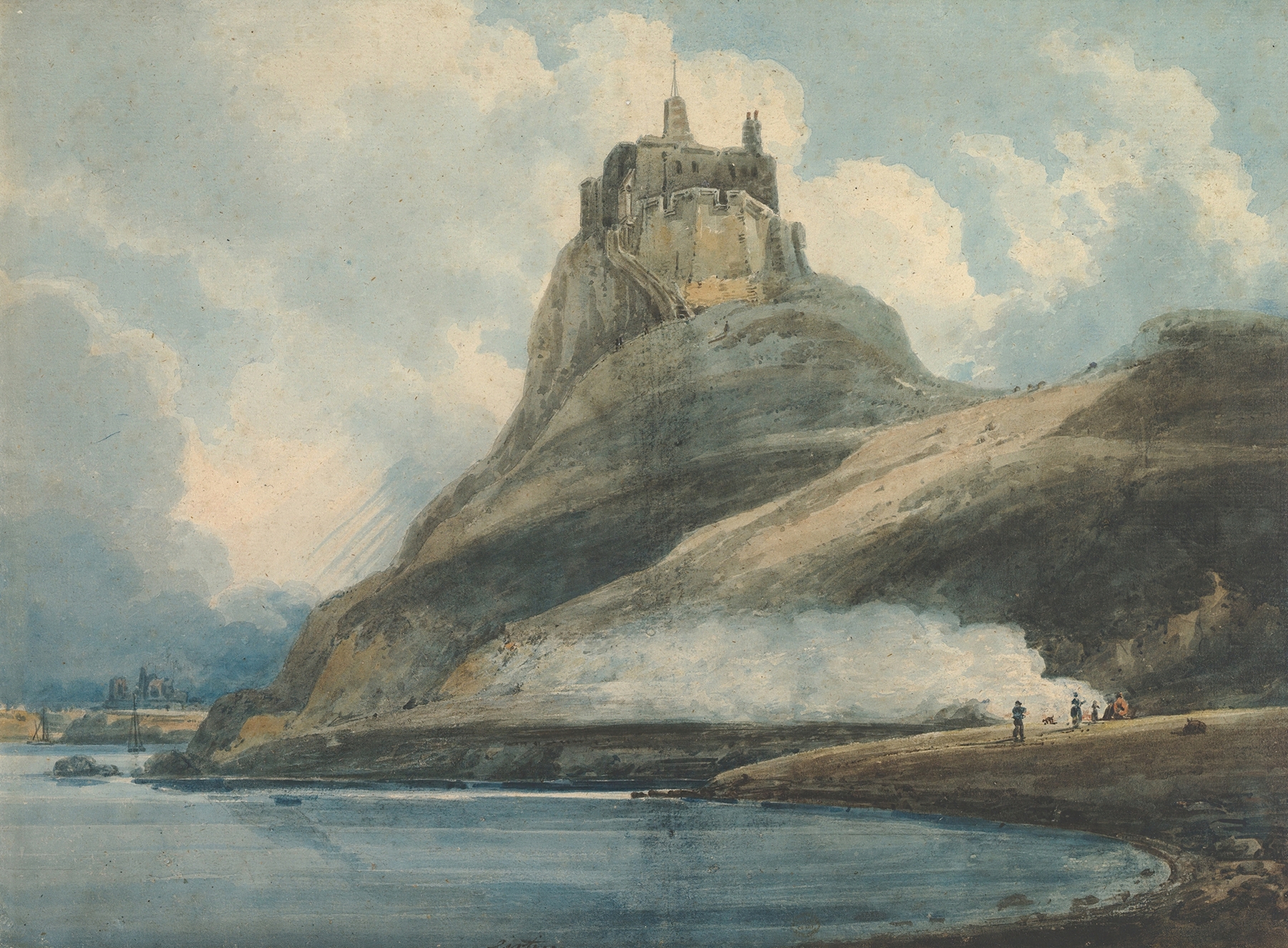
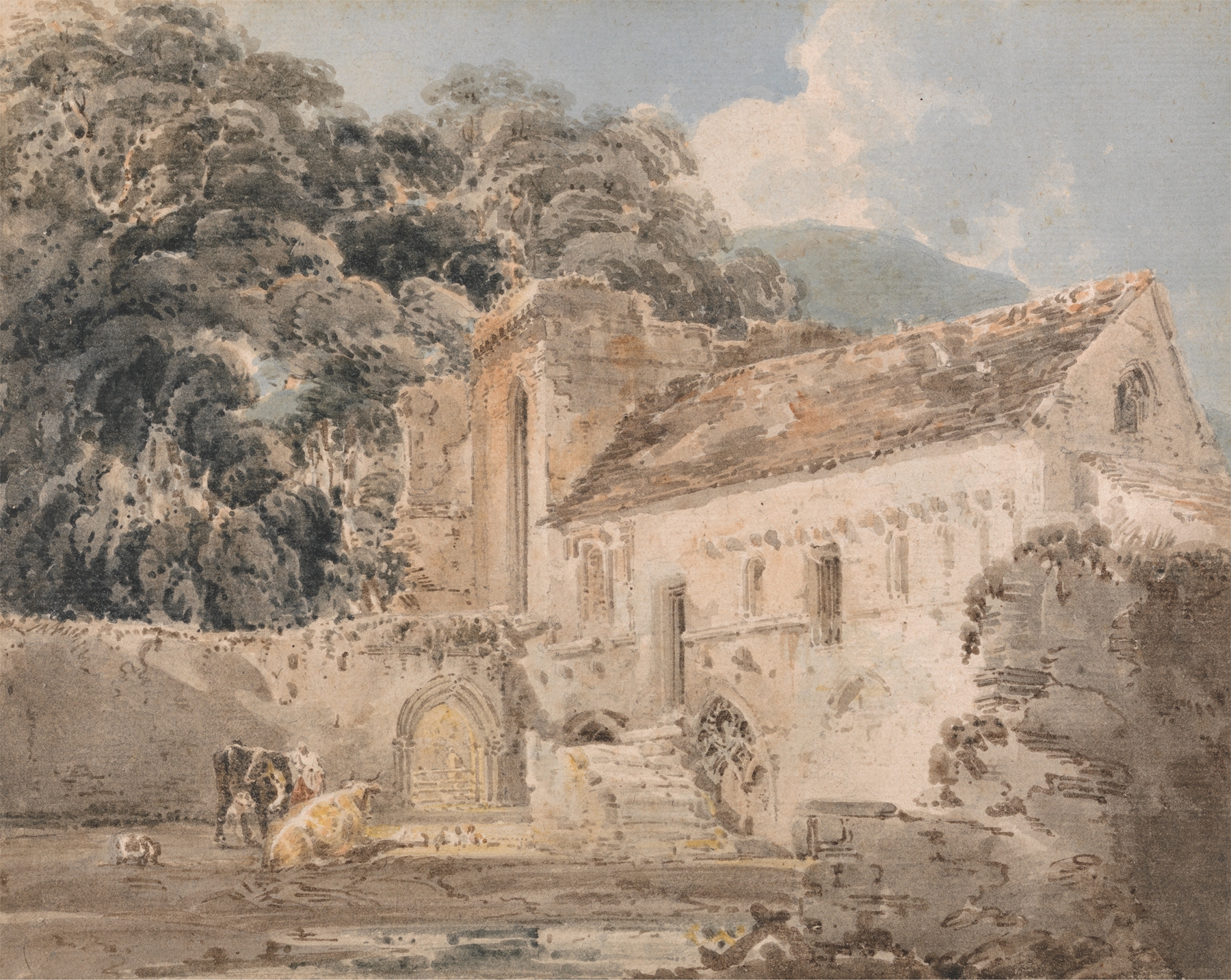
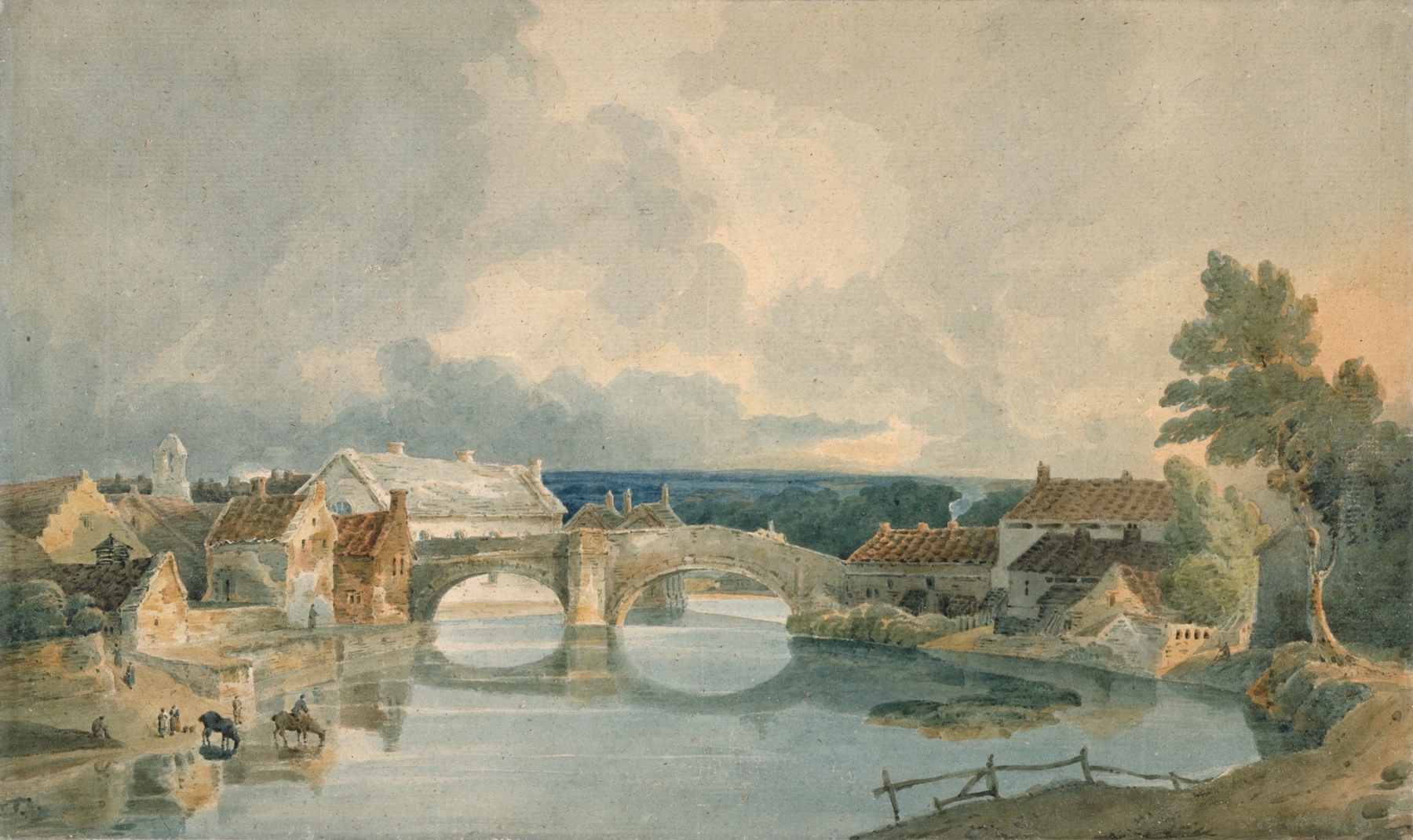
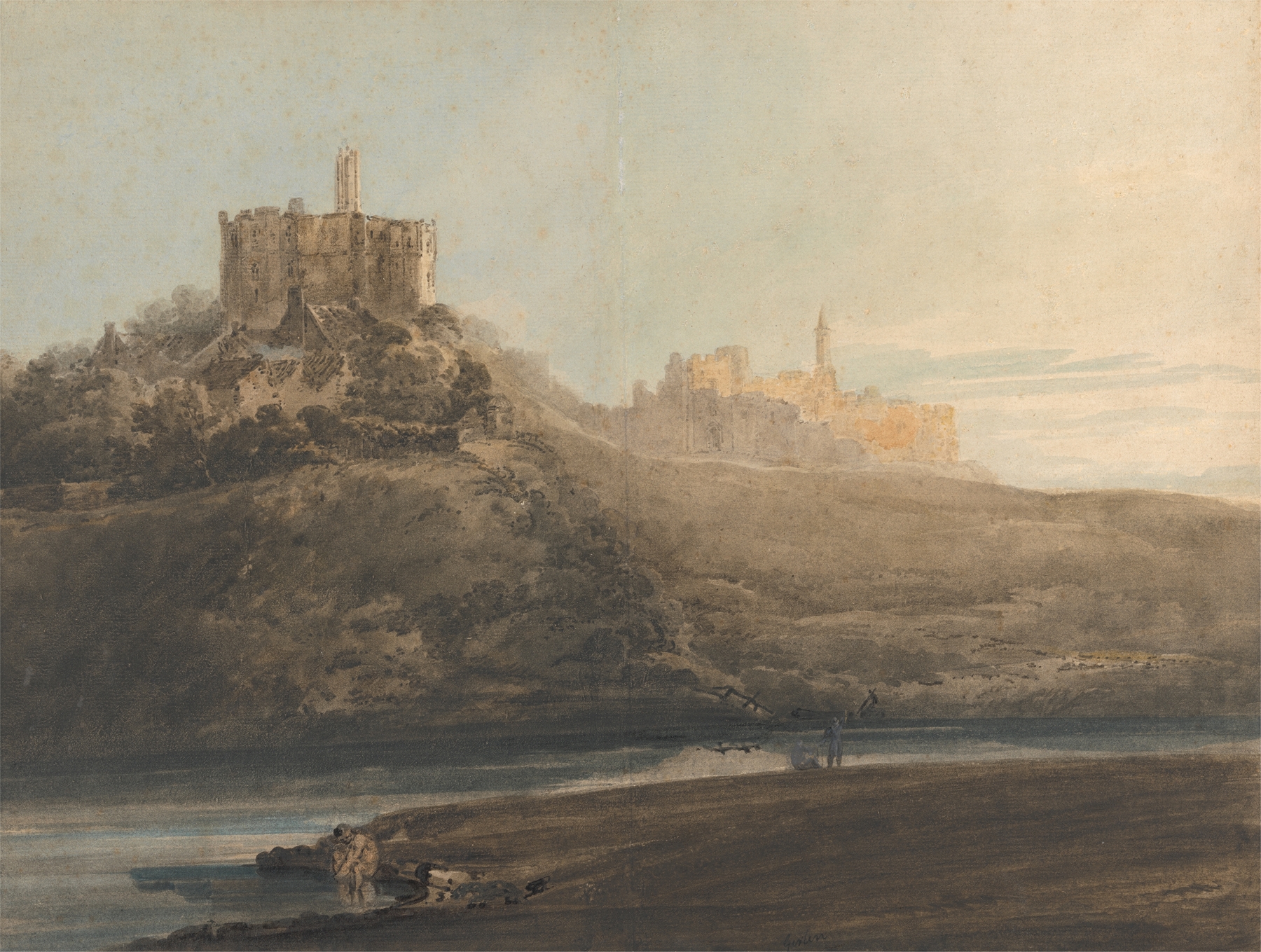
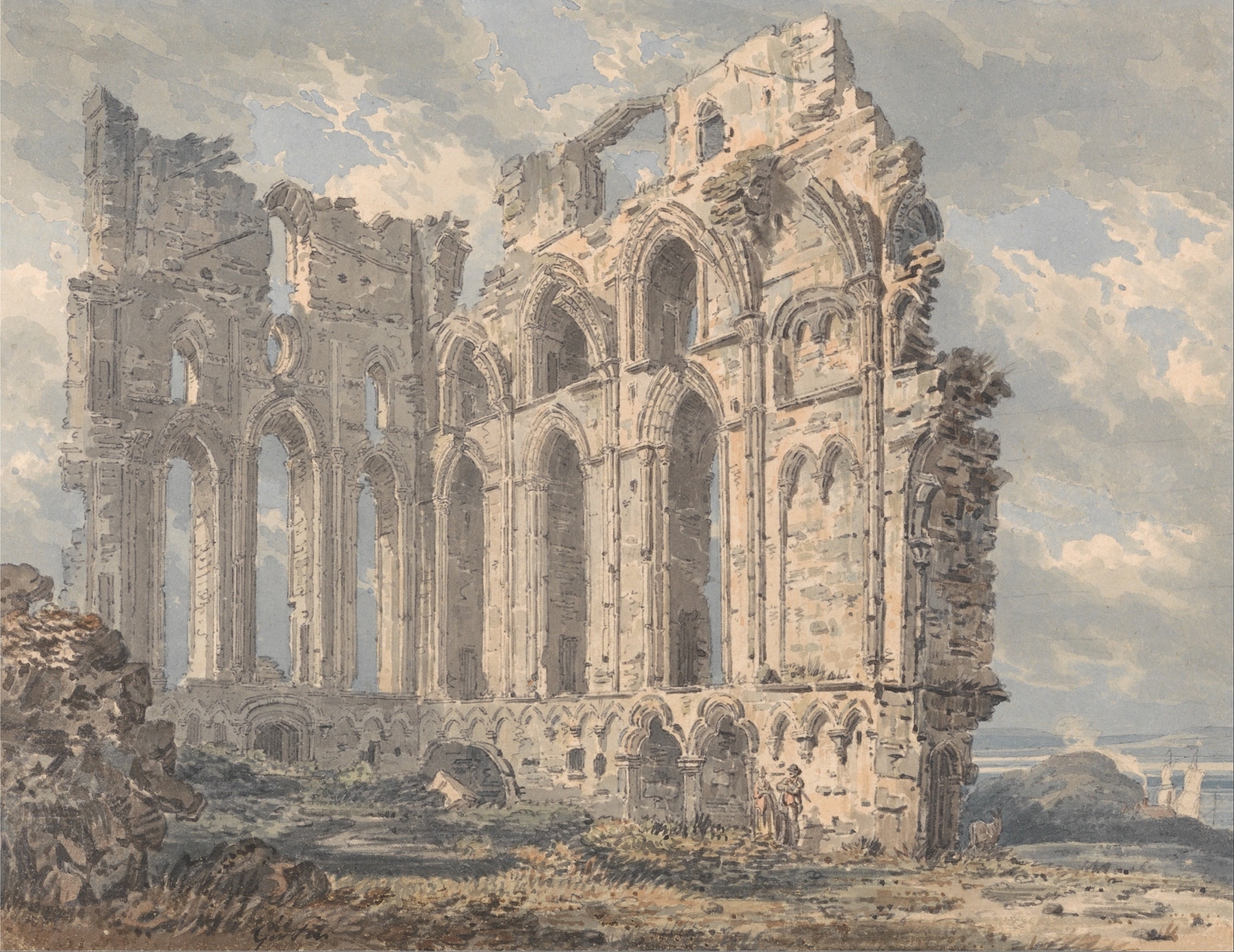
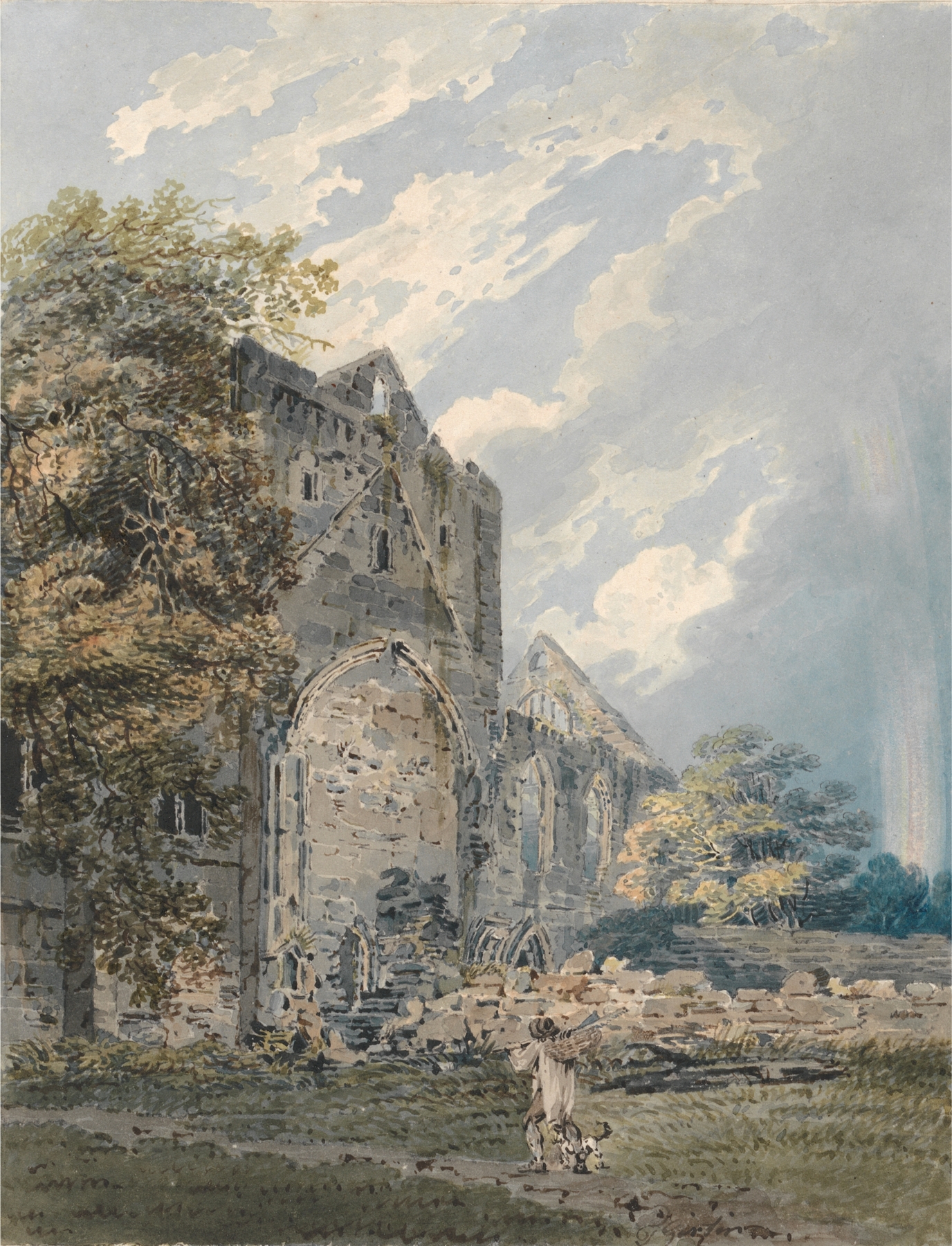
Where does light end, and longing begin? The interplay of illumination and shadow in this artwork invites us to ponder the nature of our own desires amidst the ruins of time. Look to the horizon where a soft, golden light cascades over the remnants of the abbey, illuminating the crumbling stone and rich greenery. The gentle brushstrokes bring texture to the clouds and earth, creating a serene yet melancholic atmosphere.
Notice how the light not only highlights the architectural forms but also casts intricate shadows, suggesting a dialogue between the past and the present, between decay and beauty. Within the composition lies a profound sense of nostalgia and loss. The ruins speak to the impermanence of human endeavor, while the radiant light offers a glimmer of hope, as if to say that beauty can linger even in desolation. The contrast between the vibrant sky and the weathered stones evokes a poignant tension, urging the viewer to reflect on their own journey through time and memory.
In 1793, Thomas Girtin painted this work while living in London, a time when the Romantic movement was gaining traction, celebrating nature's emotional power. Amidst the shifting tides of the art world, Girtin carved out a niche for himself as a master of watercolors, often exploring themes of ruin and the sublime. This painting not only showcases his technical skill but also resonates with the collective yearning for connection to history and the enduring presence of light within it.