Jerusalem from the Mount of Olives — History & Analysis
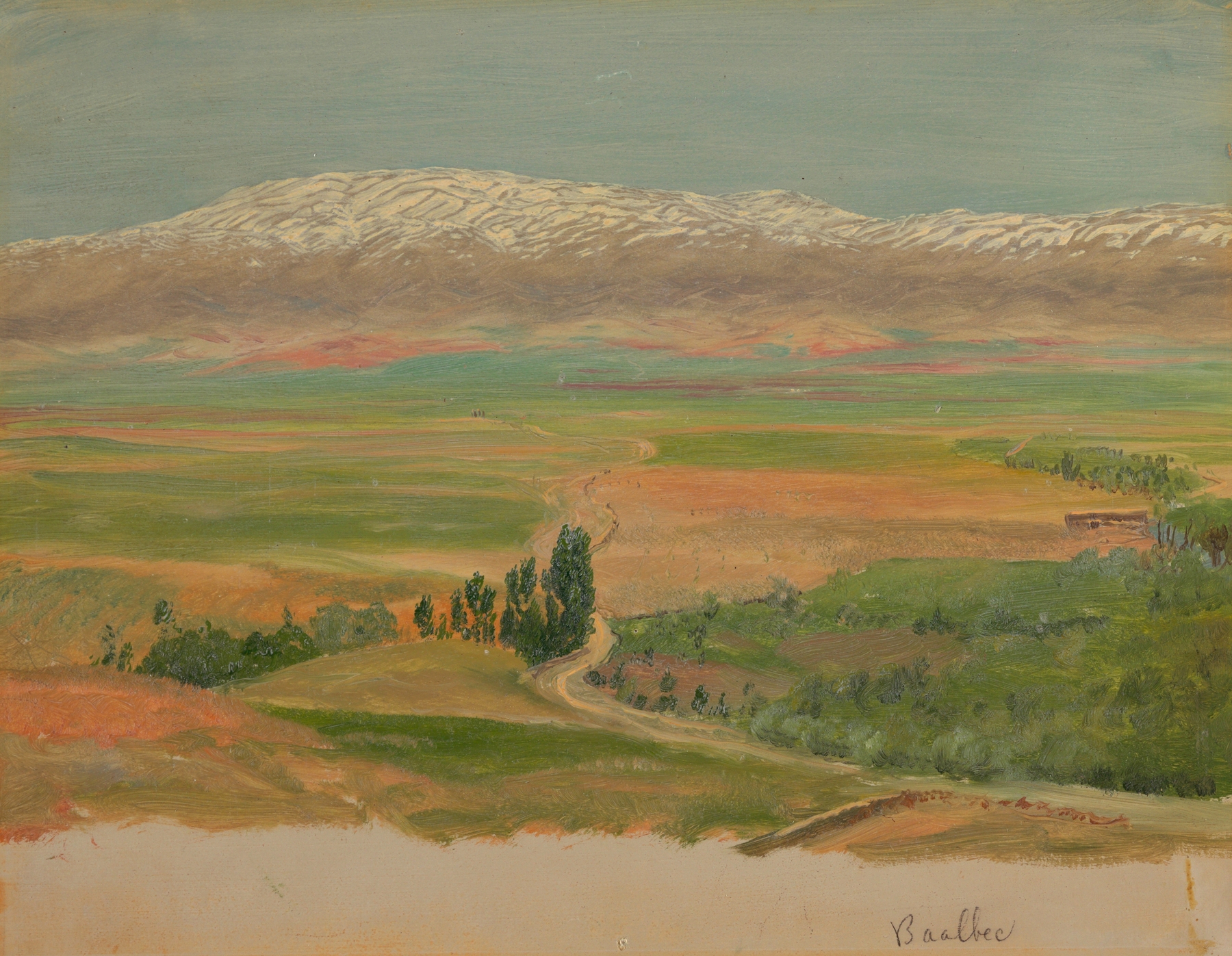
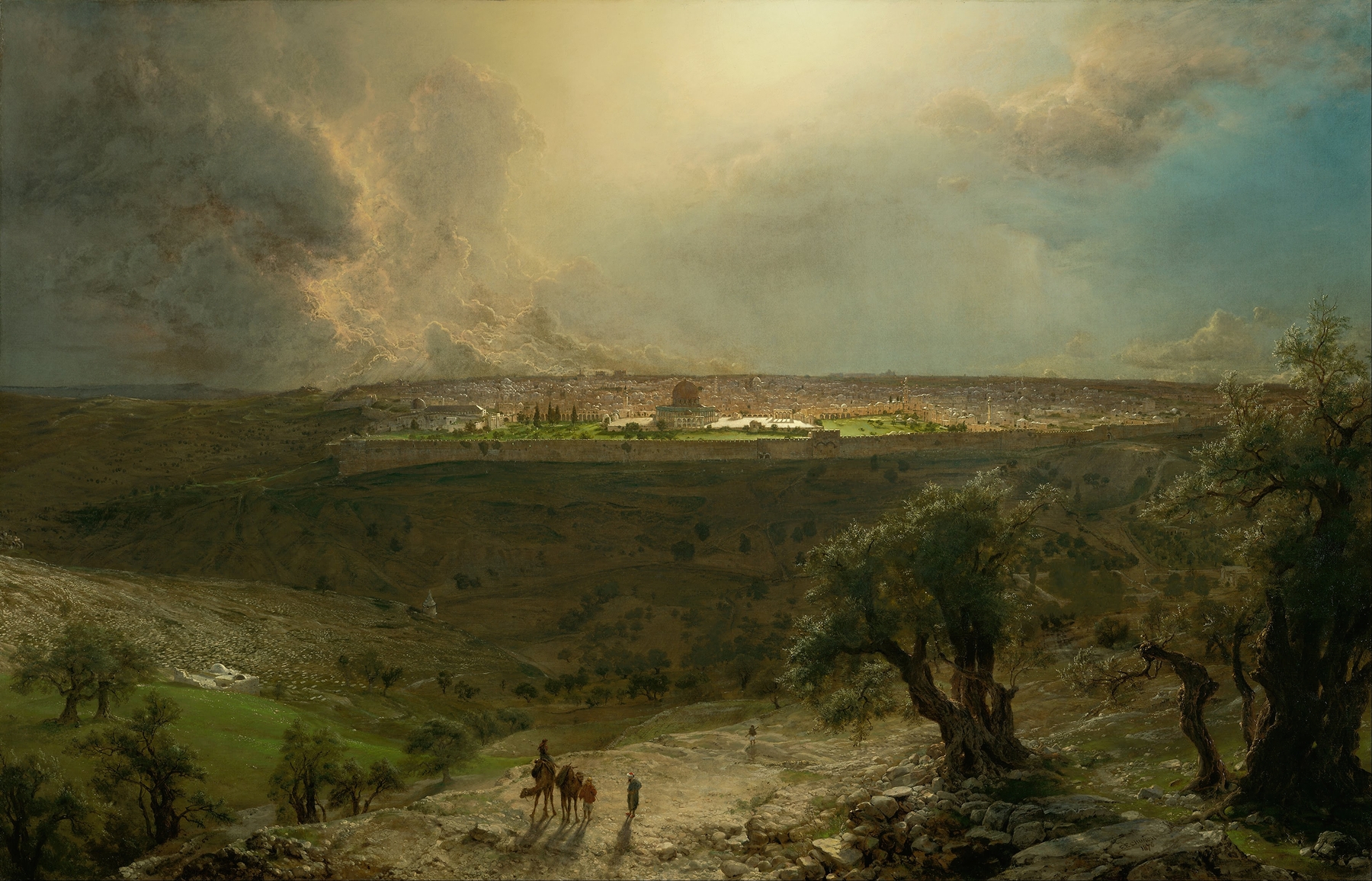
“Every silence here is a confession.” The stillness captures the weight of history, inviting introspection in the viewer. It is in this echo of silence that the soul of a city unfolds, revealing both the burdens and the beauty of its past. Look to the left at the warm, golden hues bathing the ancient stone walls, where the sun begins its descent. The artist employs a masterful gradient of colors, transitioning from the deep blues of the sky to the earthy tones of the landscape below. Notice how the horizon gently cradles the city, drawing the eye to the intricate details of the architecture, each window and dome reflecting the last light of day, imbued with a luminous quality that almost breathes. Hidden within the sweeping panorama are whispers of time—an eternal struggle between light and dark, despair and hope. The trees, with their sturdy roots, evoke a sense of permanence amidst the fleeting nature of life, while the distant mountains loom as guardians of untold stories. This contrast between the immediate beauty of the scene and the somber silence evokes a profound emotional tension, as if the landscape itself holds its breath in reverence. Frederic Edwin Church created this artwork during a period when he was deeply influenced by the exploration of the American landscape and the longing for a deeper spiritual connection. Though the exact date of this piece remains unknown, it reflects the artist's commitment to portraying grand vistas that inspire awe and contemplation, resonating with the Romantic ideals prevalent in the mid to late 19th century. His works often served as a dialogue between the natural world and human emotion, inviting viewers to witness landscapes that are not just seen, but felt.