Jesaja houdt aanklacht tegen Jeruzalem — History & Analysis
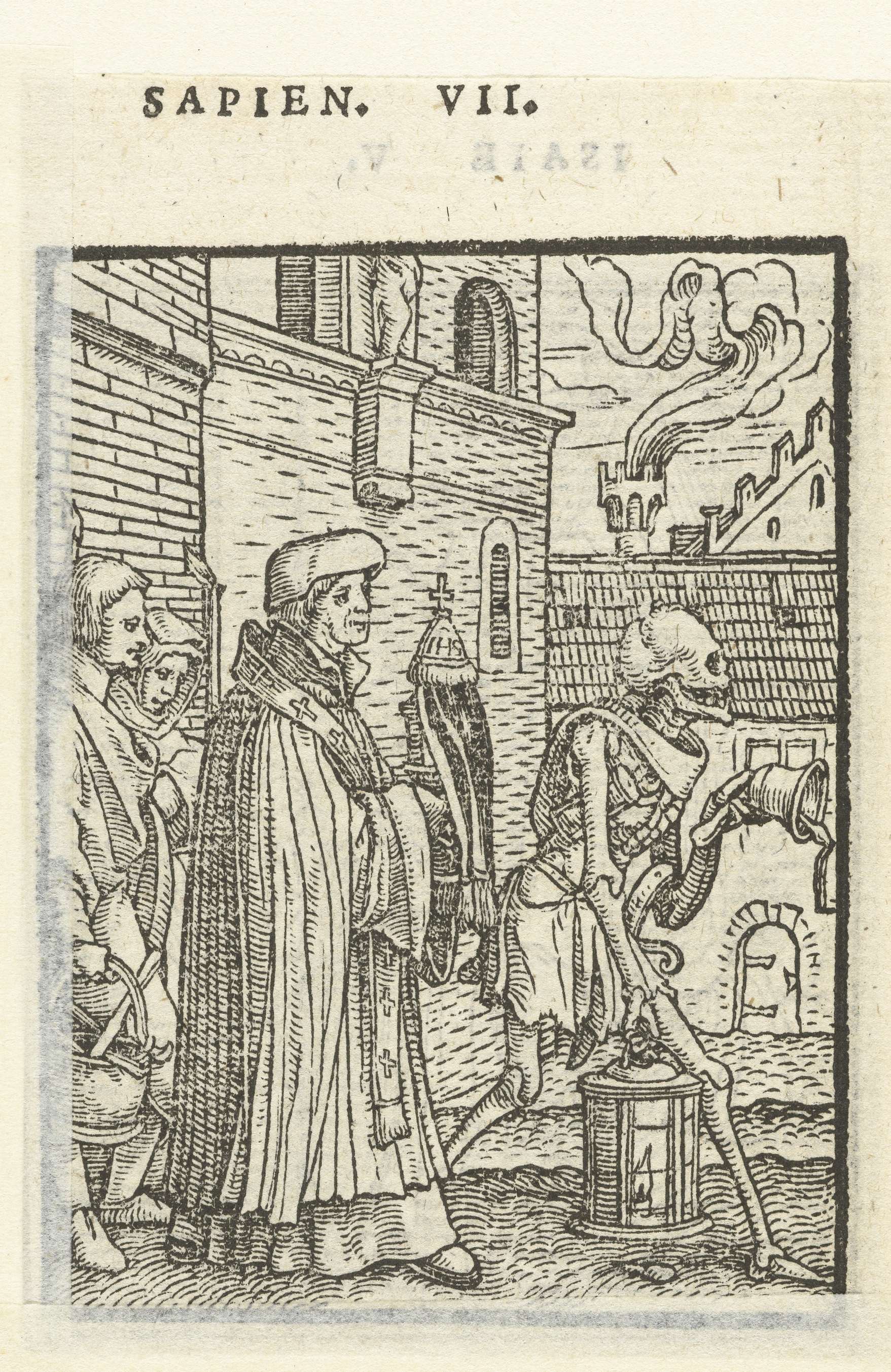
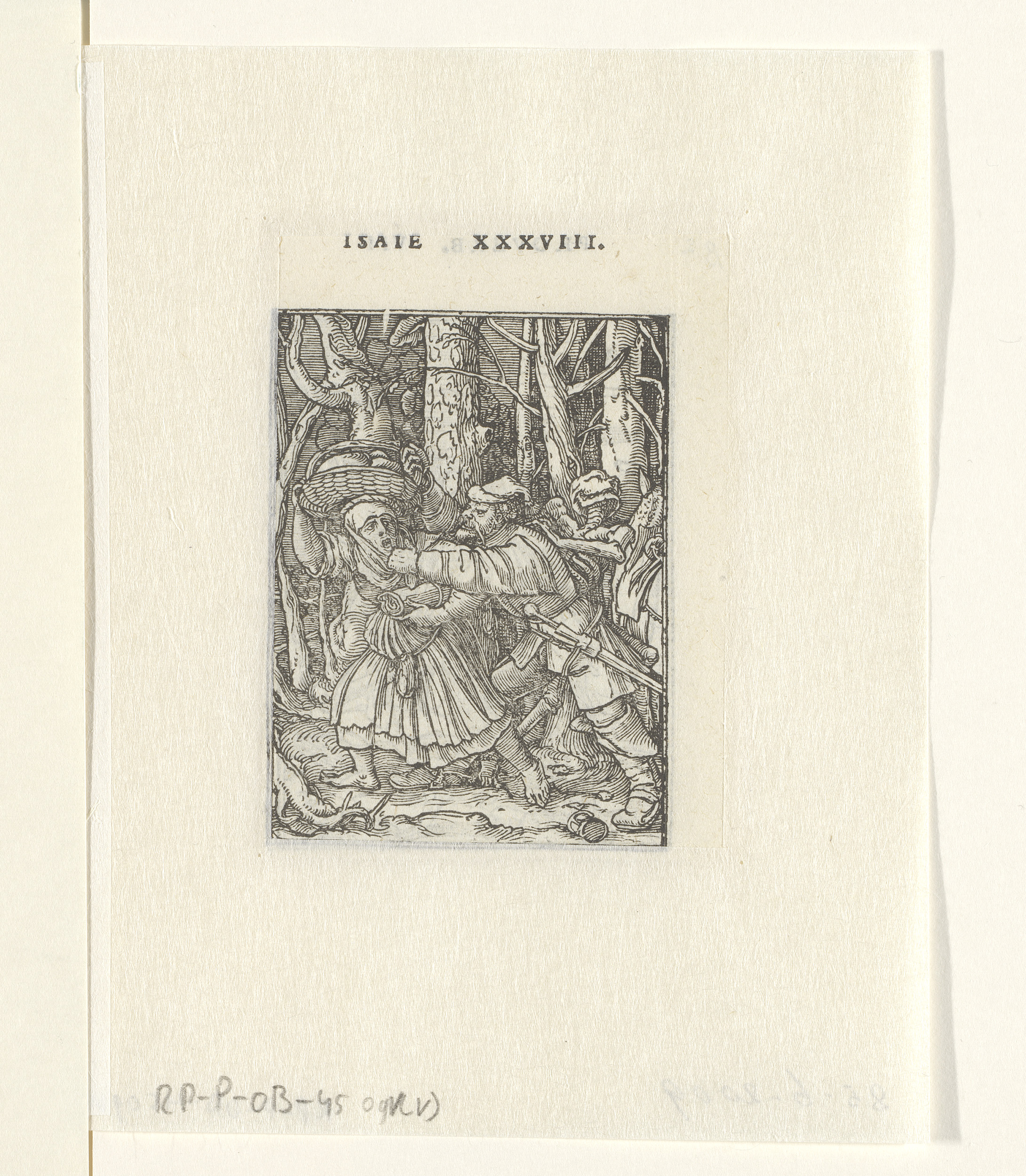
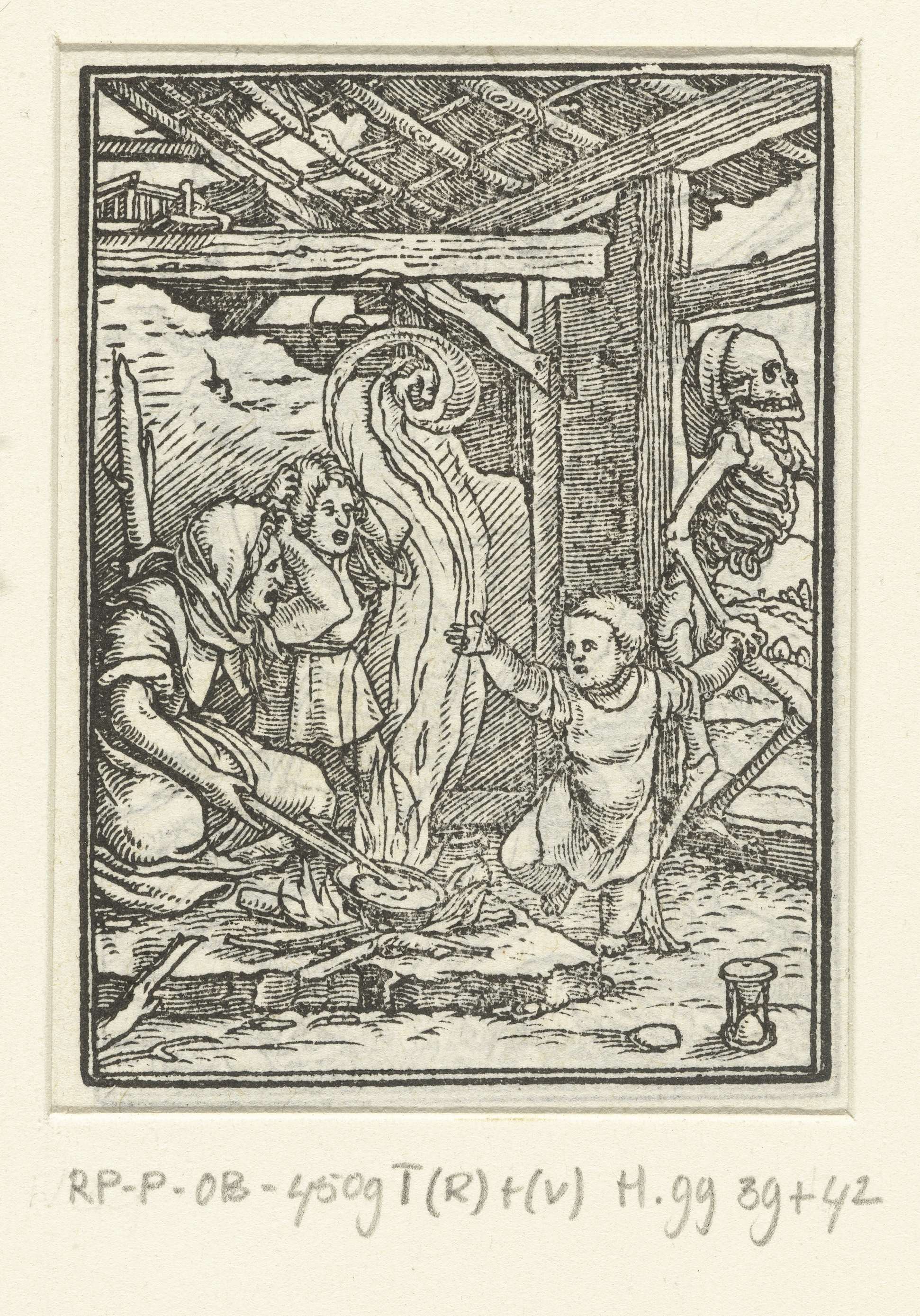
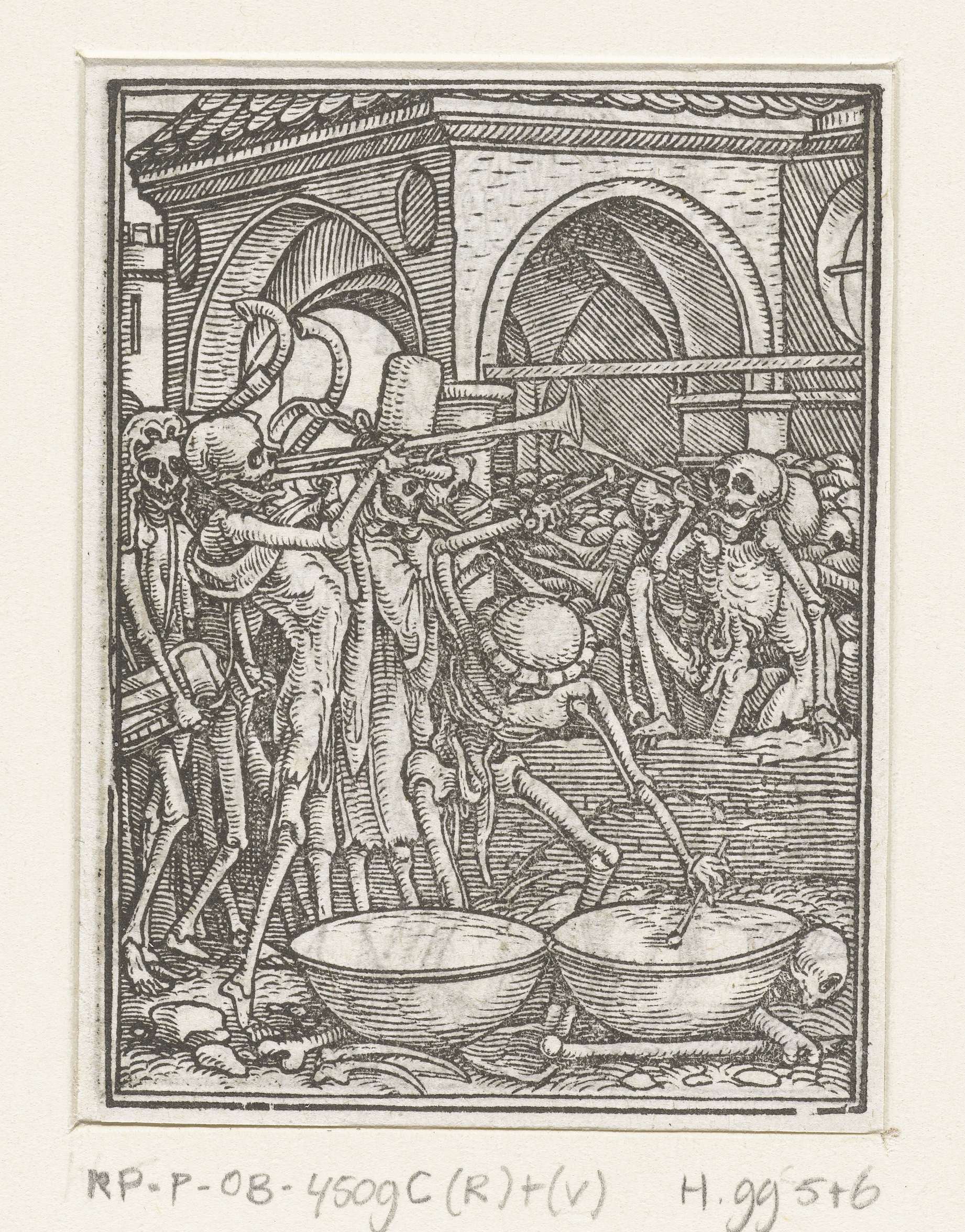
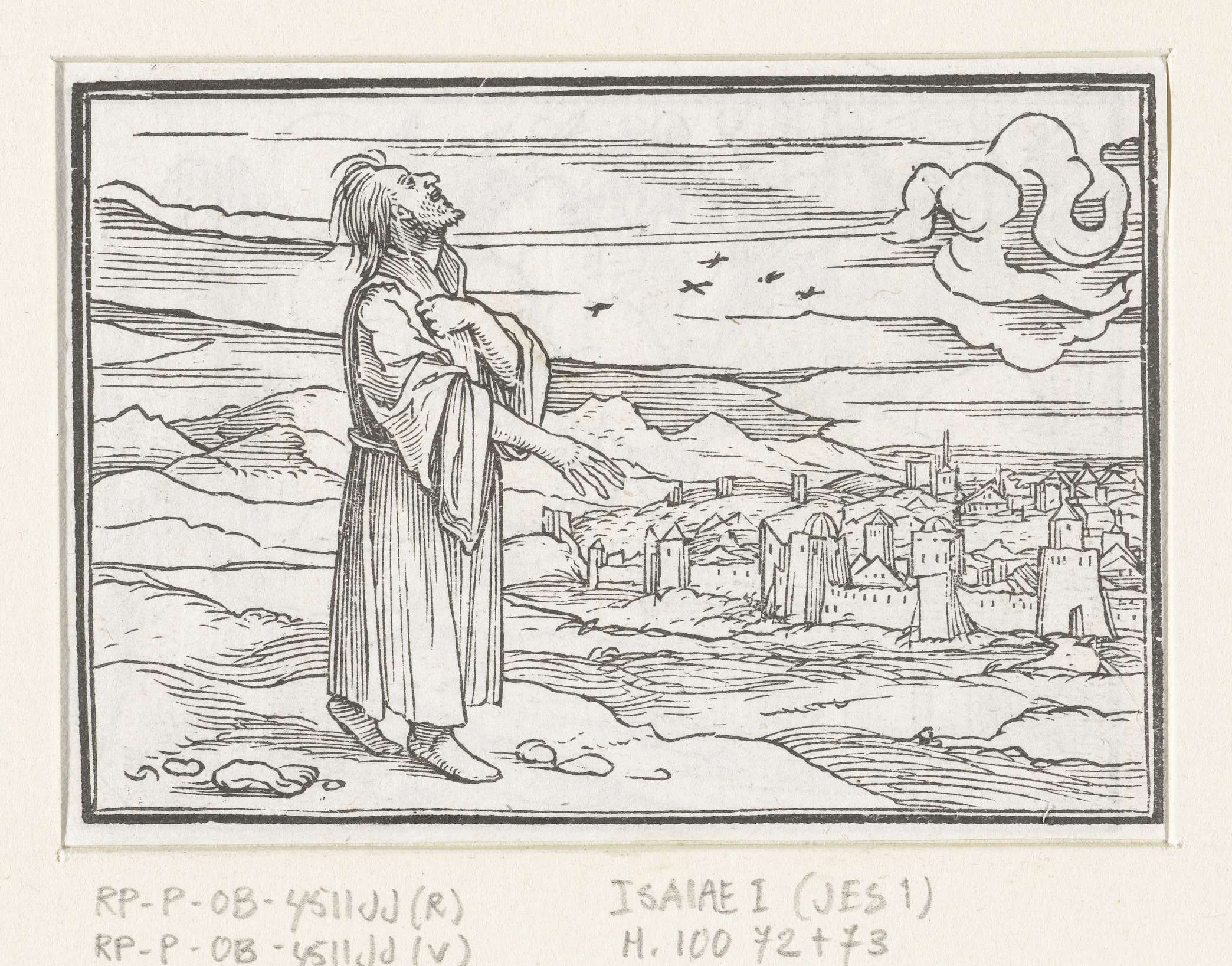
“Between color and silence, truth hides.” In a world full of chaos, where vibrant colors and stark realities collide, the search for meaning becomes an urgent journey. Look to the central figure, the prophet Isaiah, who stands resolute and commanding. His outstretched arm gestures toward the desolate city of Jerusalem, the backdrop painted in muted tones that amplify his fervor. Notice the contrast of his rich, flowing robes against the somber landscape, inviting you to feel the weight of his message.
The interplay of light and shadow not only highlights his expression but also creates an atmosphere thick with tension, drawing the viewer into the urgency of his prophetic call. As you explore the details, consider the crumbling structures behind Isaiah. They mirror the moral decay he condemns, a stark reminder of the discord between divine promise and human folly. The stark facial expressions of the onlookers—some troubled, others defiant—underscore the emotional gravity of the scene.
In this moment, the chaos of the world is encapsulated, revealing the inner tumult of a society on the brink of spiritual desolation. During the years 1538 to 1543, Holbein worked in Basel while navigating the complexities of the Reformation, a period marked by upheaval and relentless questioning of faith. With the Protestant movement gaining momentum, the artist sought to capture not only the religious fervor of the time but also the pressing social issues that beset his community. This work stands as a testament to his ability to convey profound truths amidst the turmoil of his era.