John Adams (1735-1826) — History & Analysis
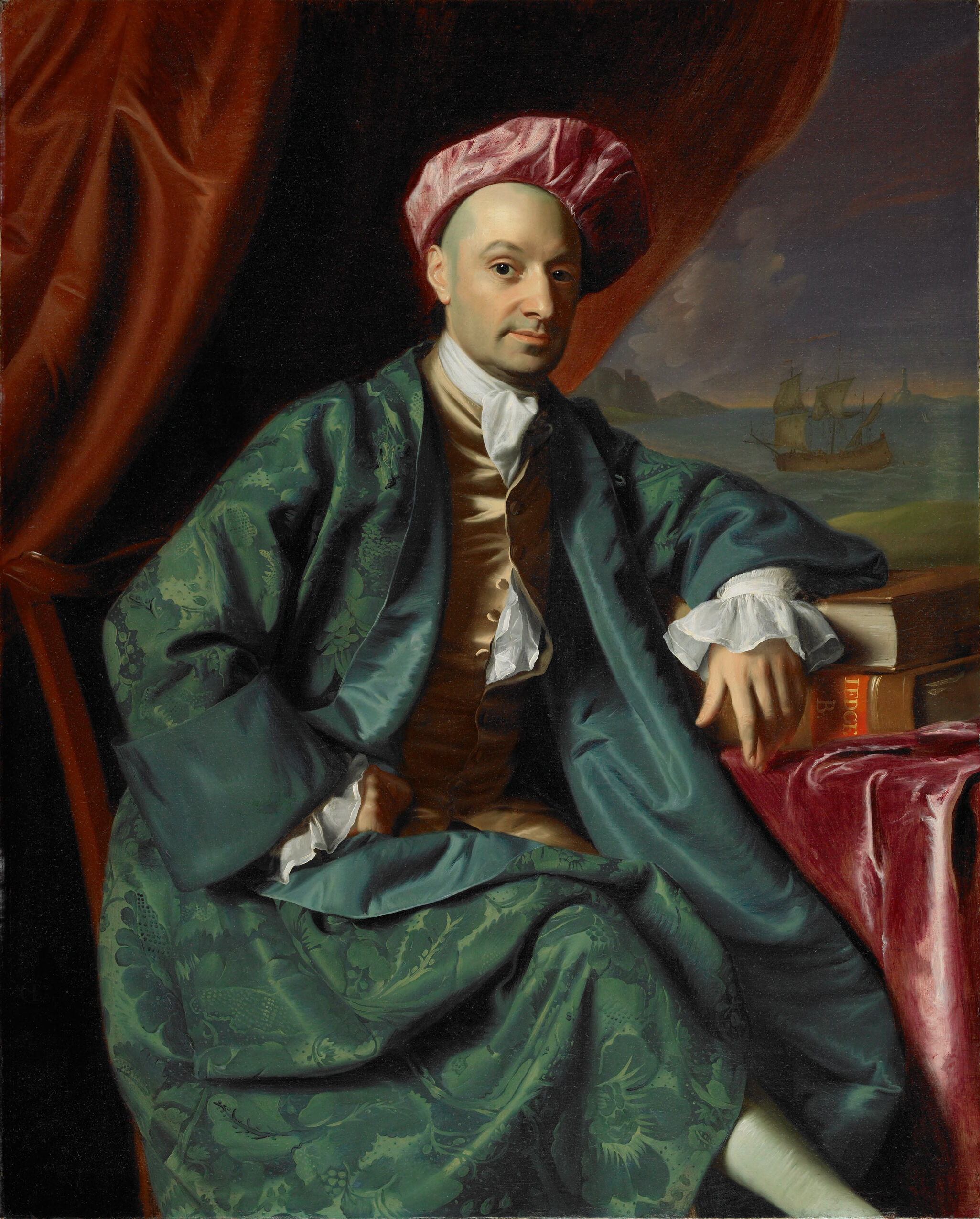
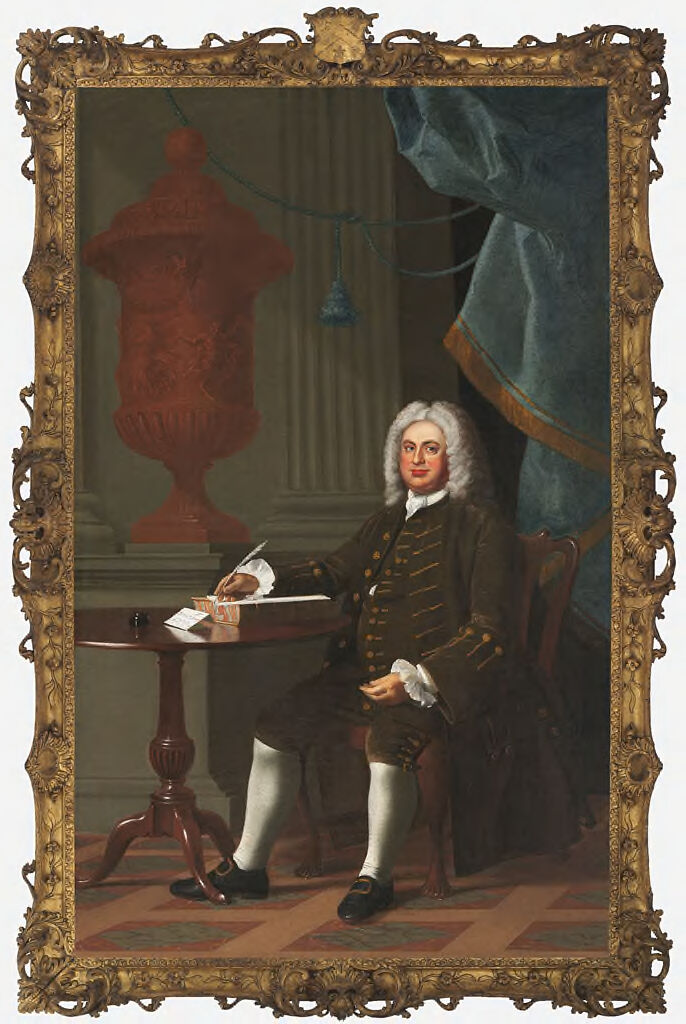
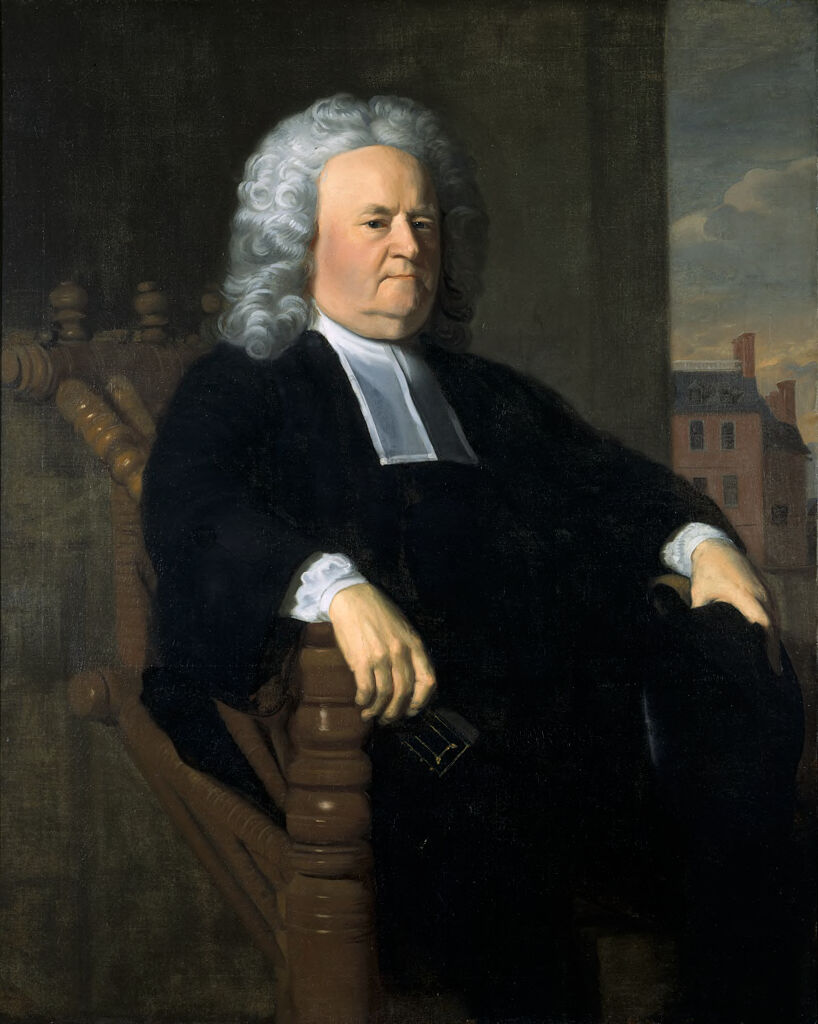
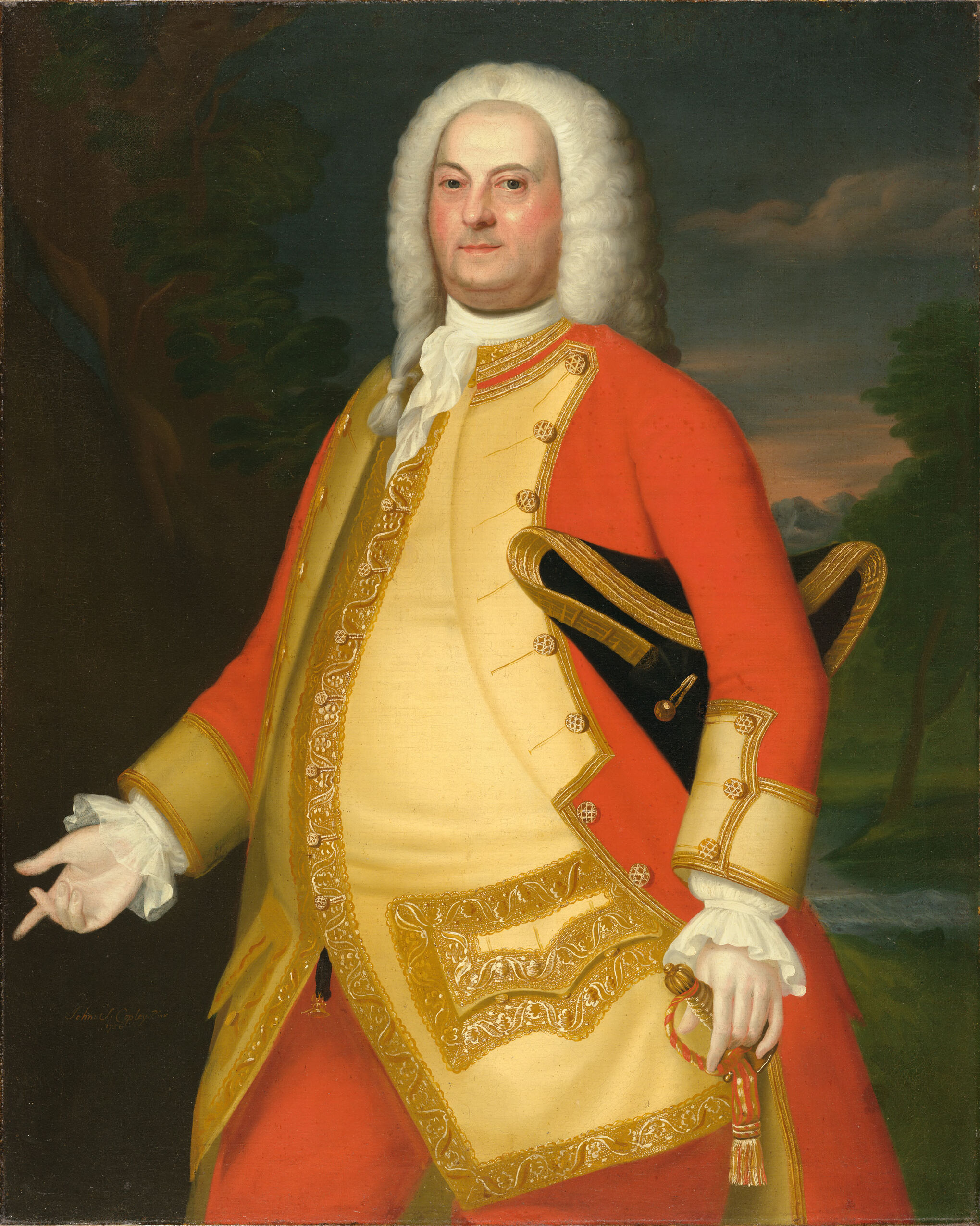
“Every brushstroke is a heartbeat remembered.” In the portrait of John Adams, we experience the essence of rebirth through the resolute gaze of a man who helped forge a new nation. Look closely at the figure, where the artist captures Adams with his finger resting thoughtfully on a piece of paper—a document that symbolizes both legacy and responsibility. Copley’s deft handling of light accentuates Adams’s features, casting a gentle illumination on his furrowed brow, while the rich, deep colors of his clothing contrast with the soft background, focusing our attention on this pivotal founding father.
Beneath the surface, the painting reveals subtle tensions of ambition and uncertainty. The shadowed corners of the canvas hint at the weight of leadership, while the slight smile that plays on his lips suggests a flicker of hope amidst the tumult of revolution. The interplay of light and shadow becomes a metaphor for the duality of existence—struggle and triumph—reminding viewers that the journey to rebirth is never without its challenges.
In 1783, during a time of personal and national transformation, Copley painted this portrait in London. Having recently moved from America to England, he found himself navigating the complexities of cultural identity and political change. This painting not only immortalizes Adams’s role in history but also reflects the artist's own transition and search for recognition in a rapidly changing world.