John Codman (1782-1847) — History & Analysis
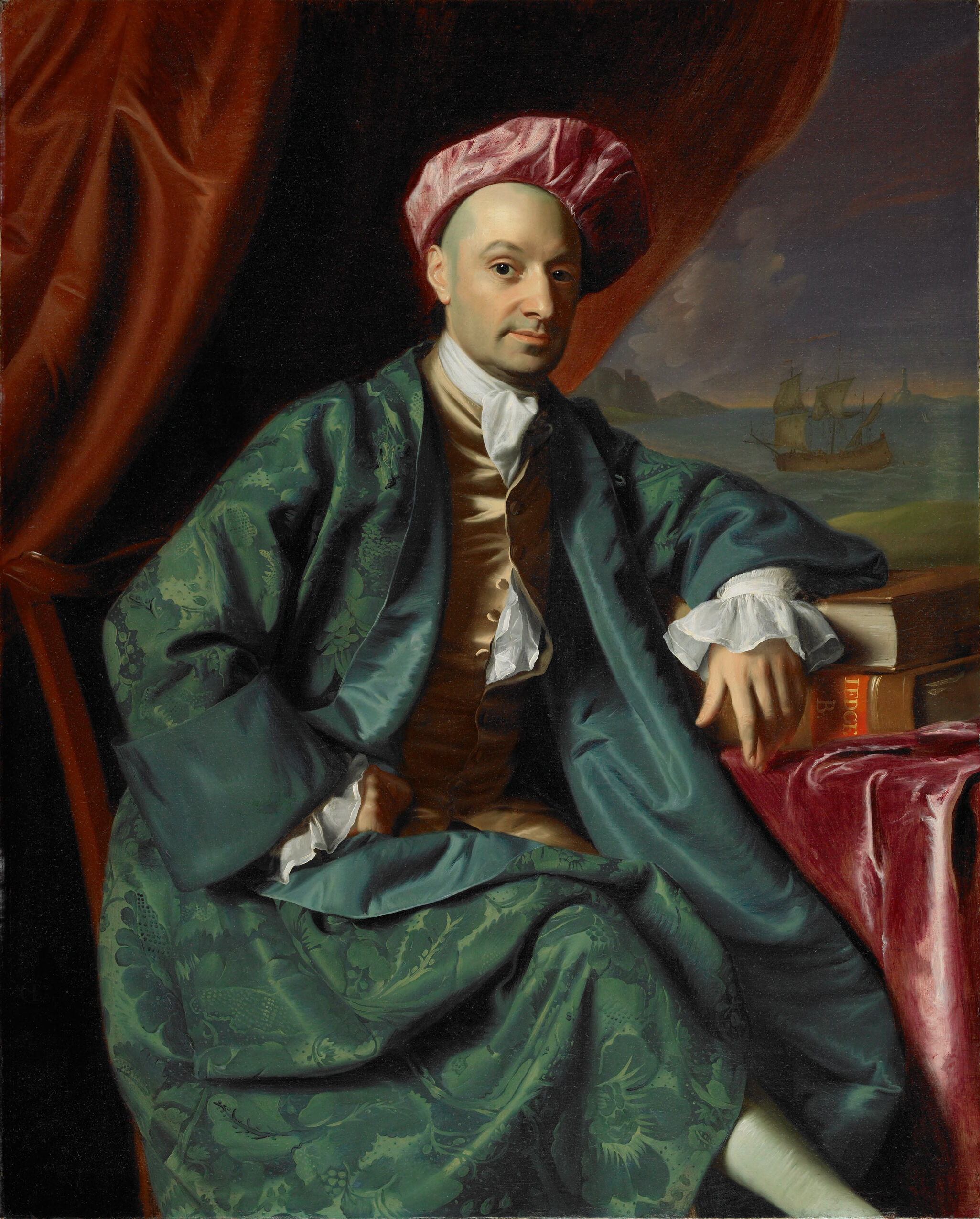
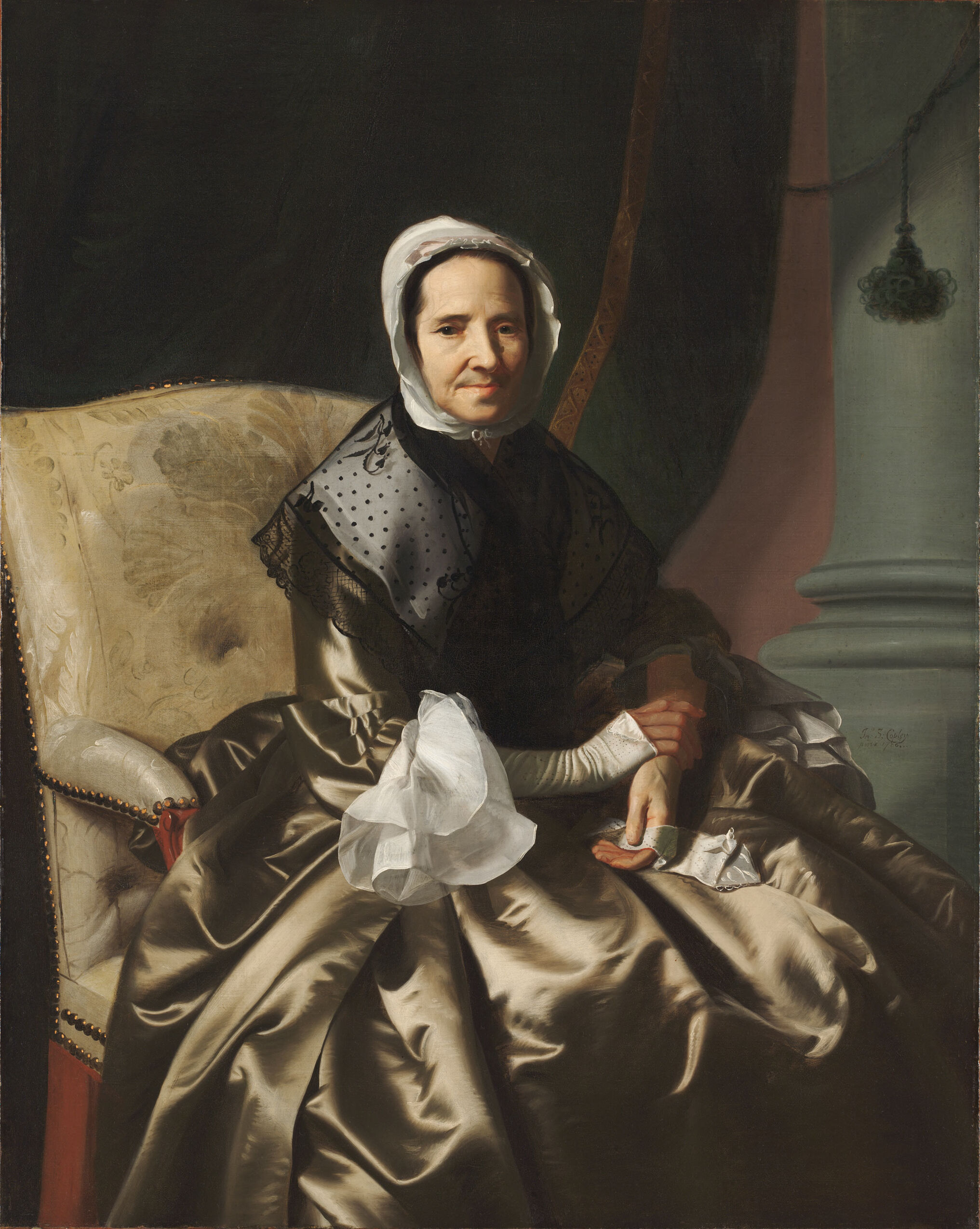
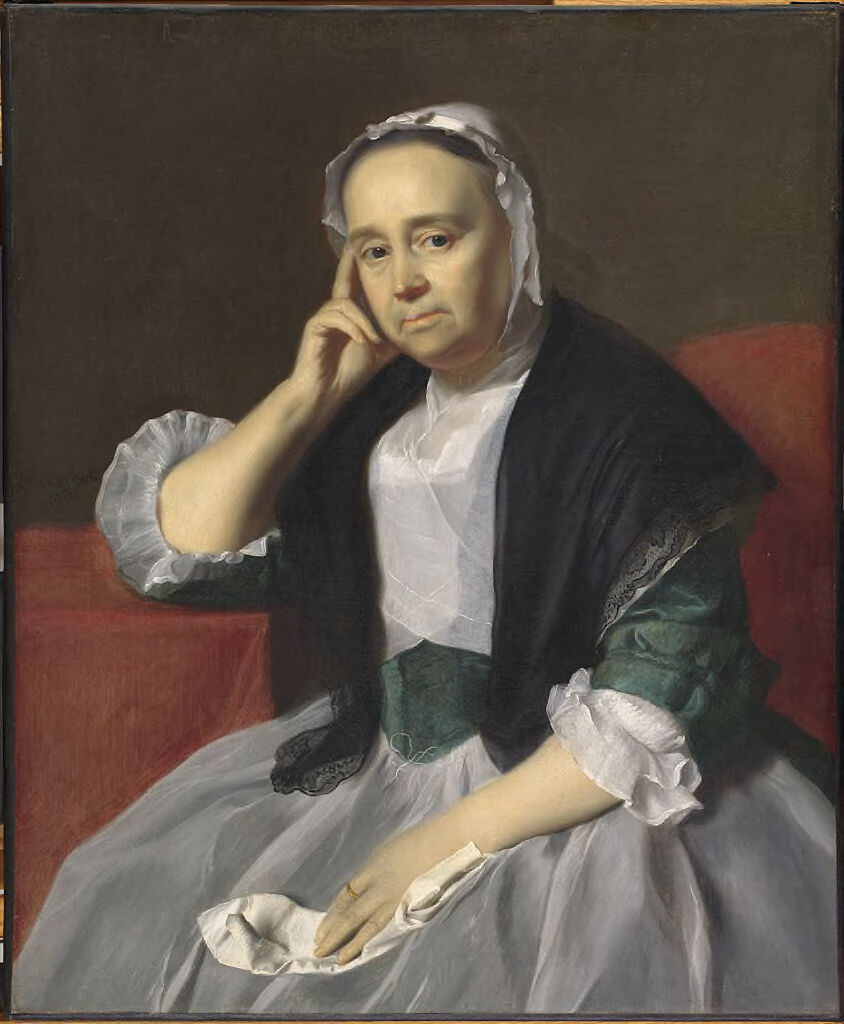
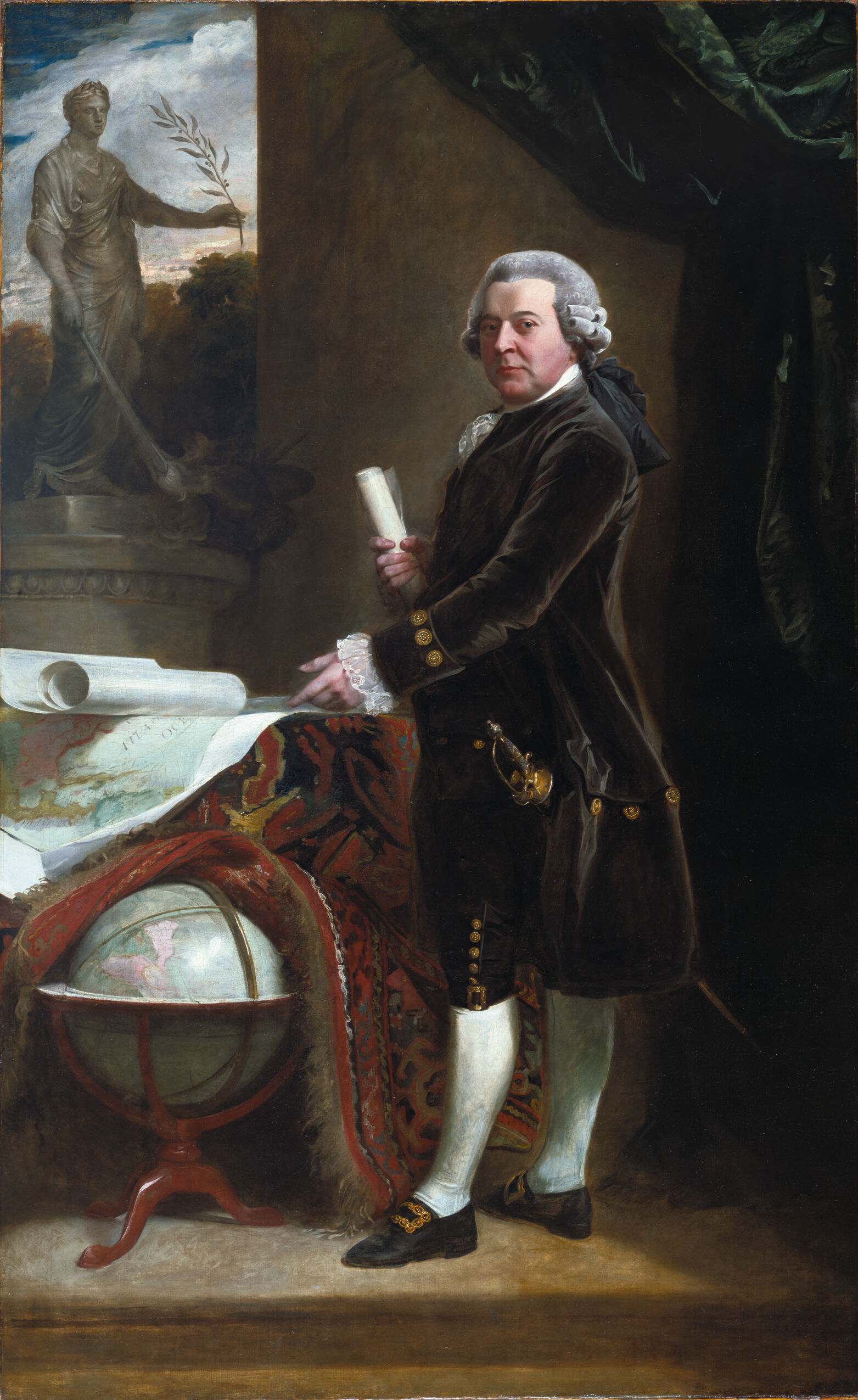
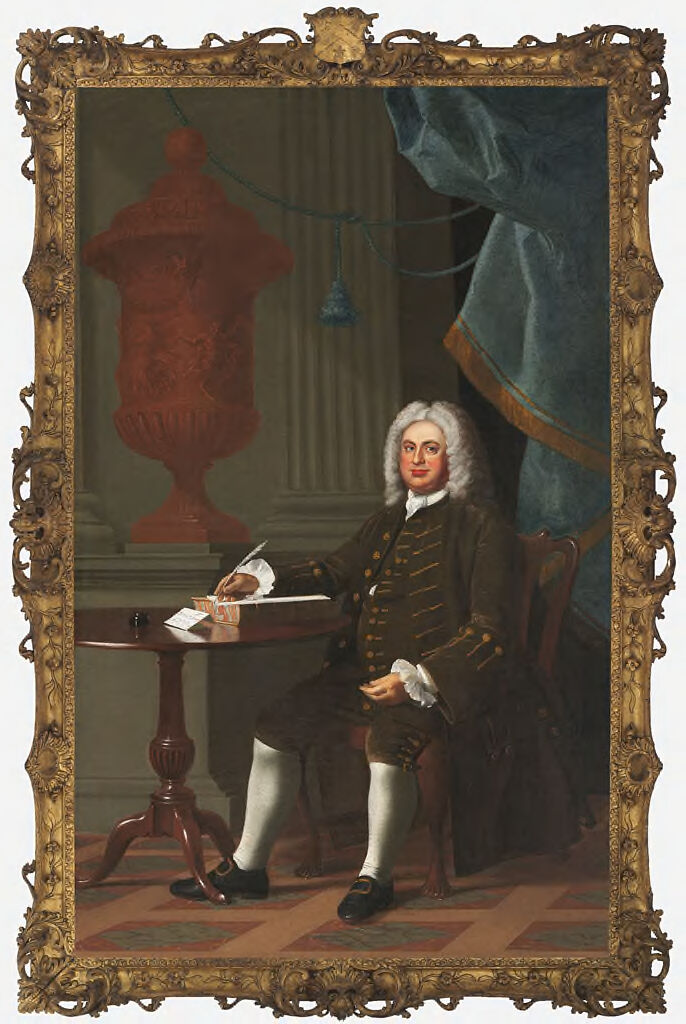
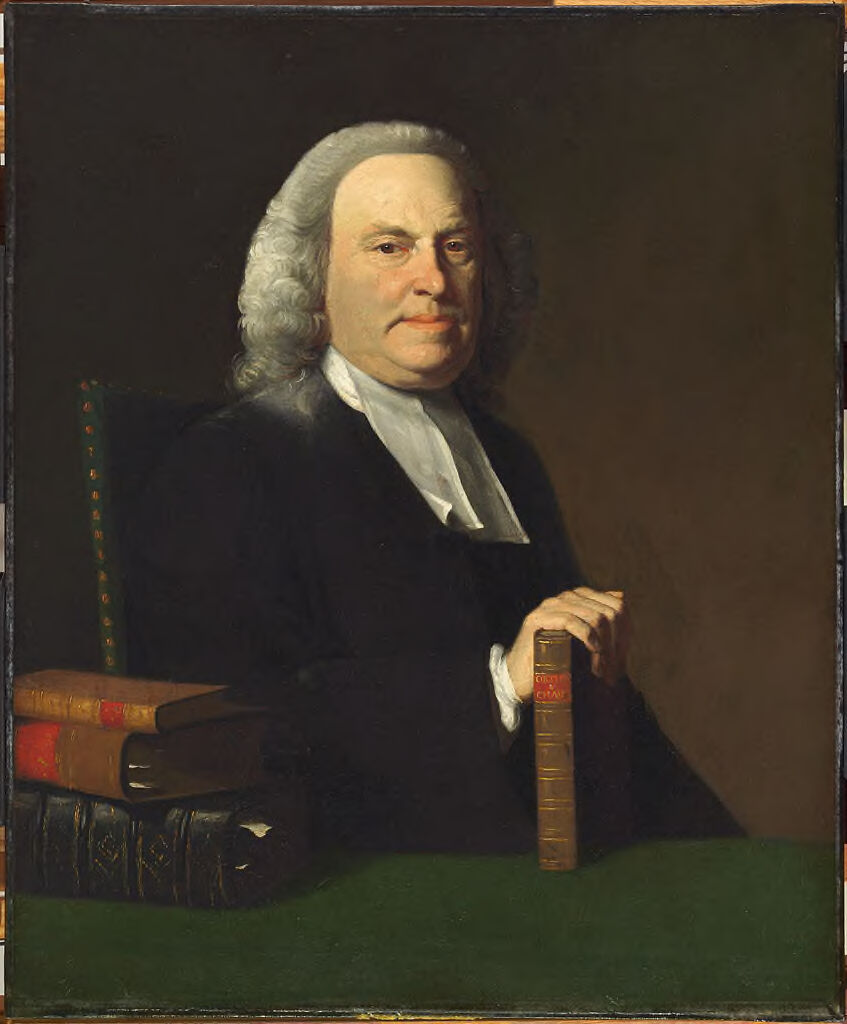
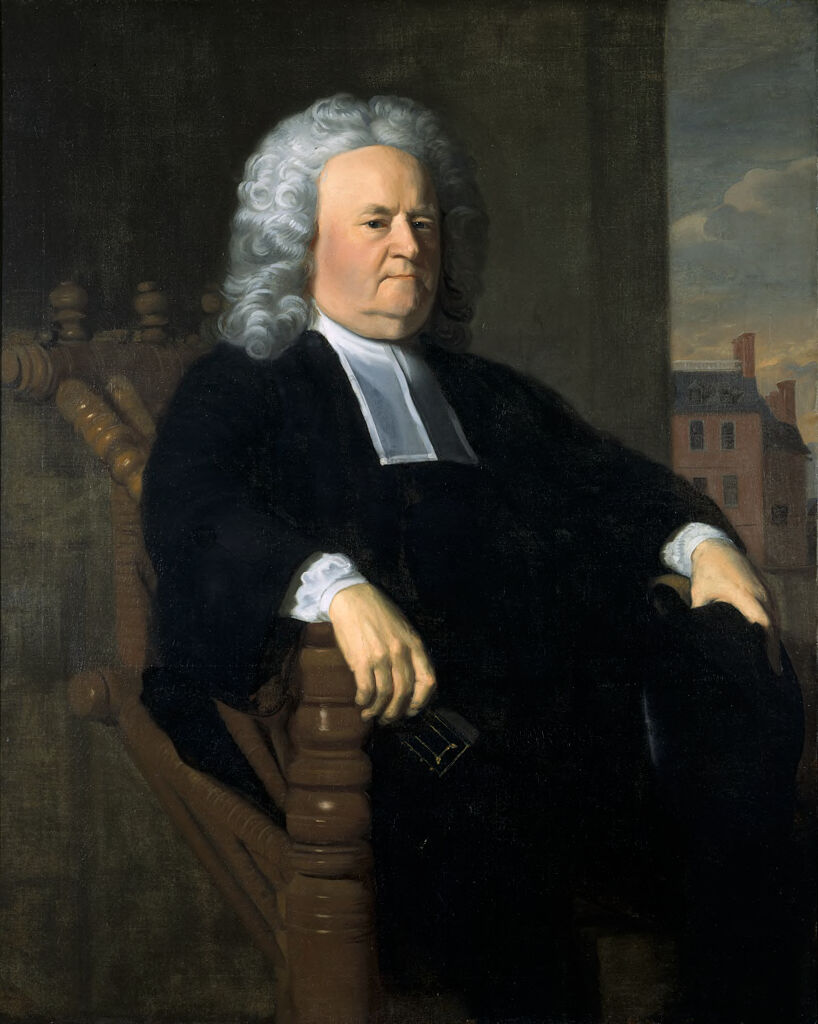
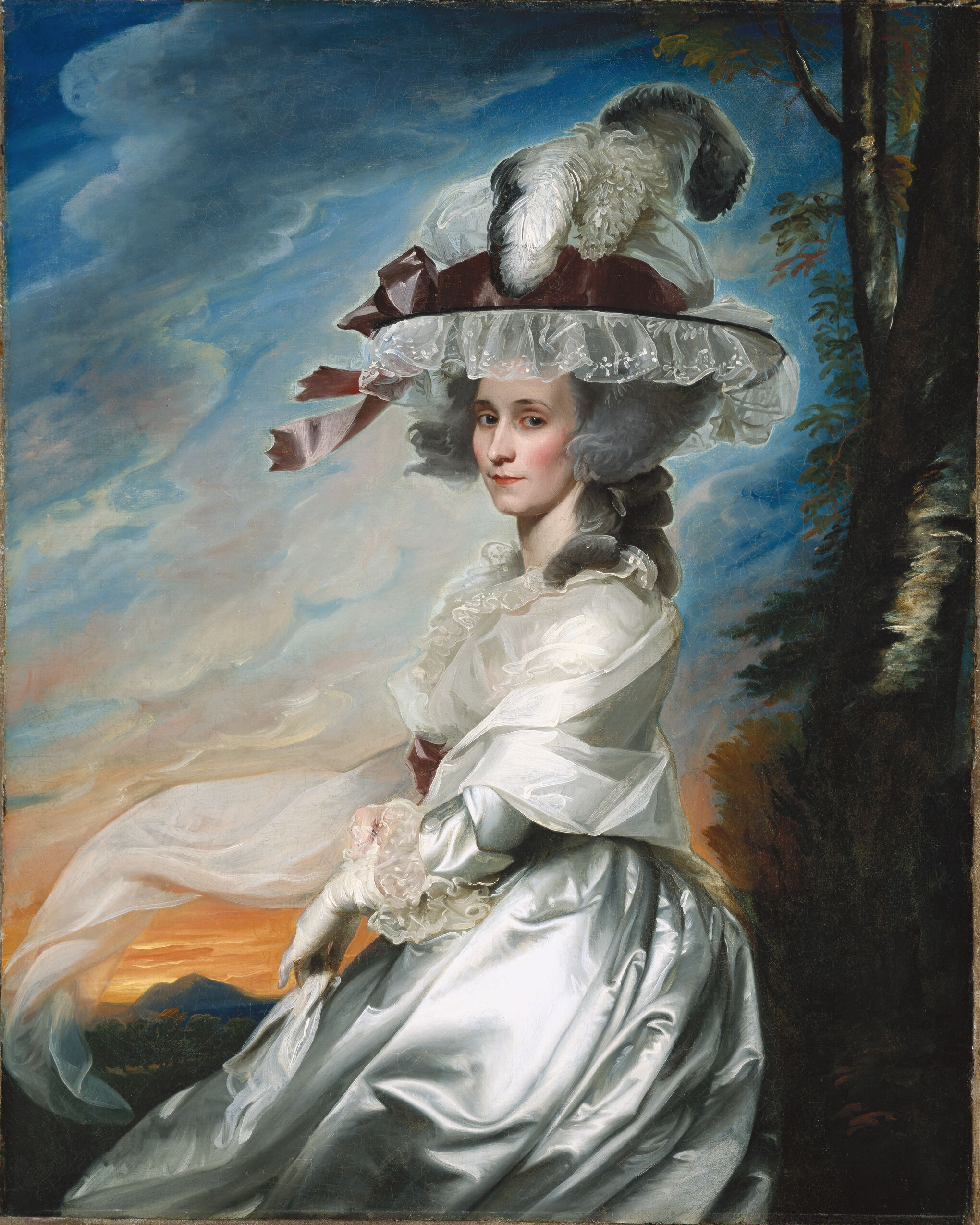
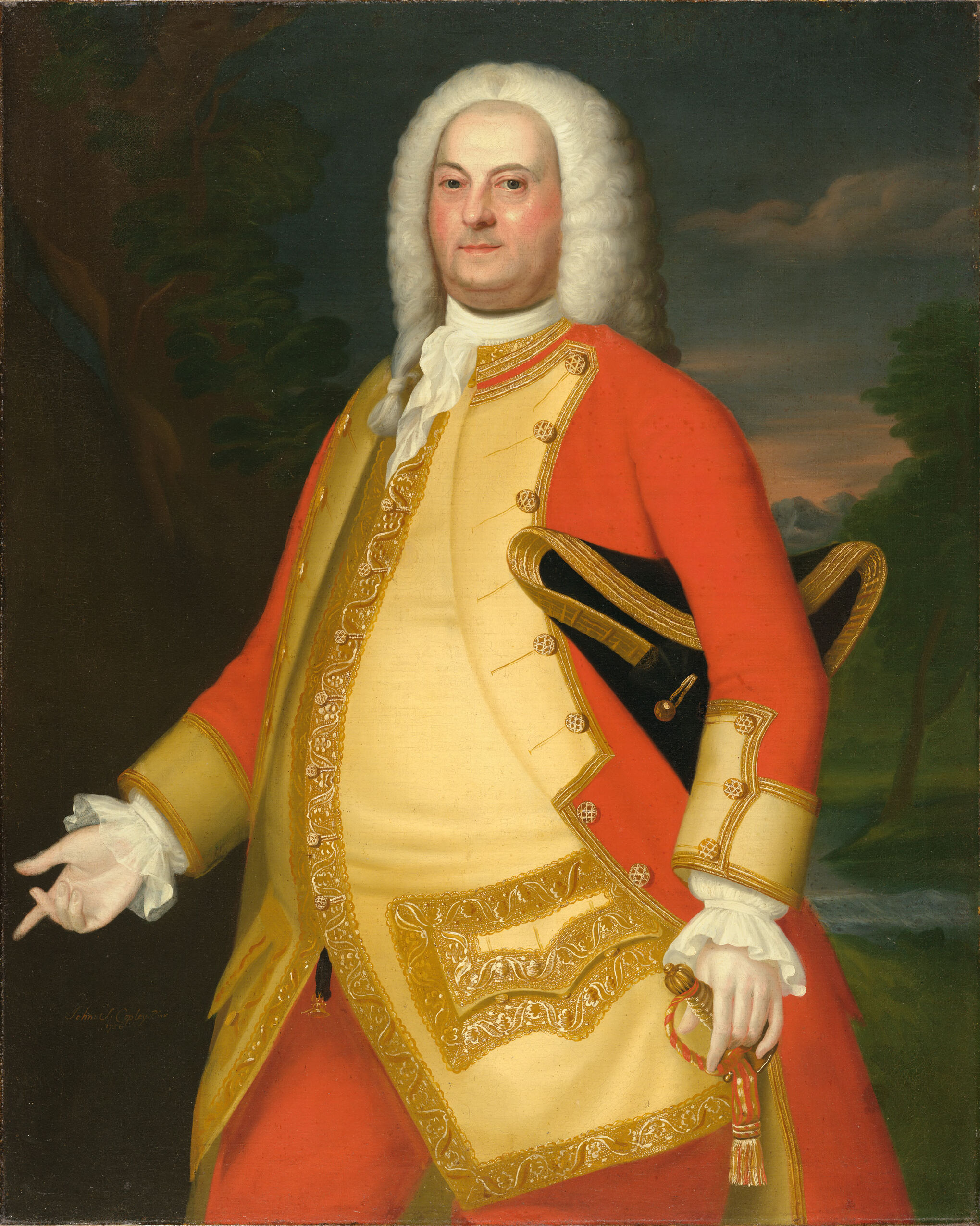
“Every brushstroke is a heartbeat remembered.” In this poignant portrait, the essence of yearning transcends time, capturing the complex emotions that define our existence. Look closely at the subject's expression, where a gentle melancholy resides just beneath the surface. Notice how the soft chiaroscuro illuminates the contours of the face, highlighting the glimmer of unshed tears in the eyes. The warm earthy tones envelop the figure, while the meticulously rendered fabric of the clothing adds a tangible weight, grounding this intimate moment in reality.
The surrounding darkness serves to accentuate the subject's dignified presence, drawing the viewer deeper into the narrative. The juxtaposition of light and shadow speaks volumes about the internal struggle between hope and despair. The subject’s posture, slightly turned yet facing the observer, invites an exploration of longing — perhaps for a lost love or a future not yet fulfilled. Subtle details, such as the careful placement of the hand or the slight furrow of the brow, reveal a profound vulnerability, suggesting a story of resilience intertwined with fragility.
Copley created this work between 1807 and 1808, during a period of personal reflection and artistic exploration in his life. Residing in London, he was navigating the complexities of identity as an American expatriate in a rapidly changing world. The shifting tides of the art community, with the rise of Romanticism, influenced his approach, leading him to infuse greater emotional depth into his portraits, capturing not just likenesses but the very souls of his subjects.