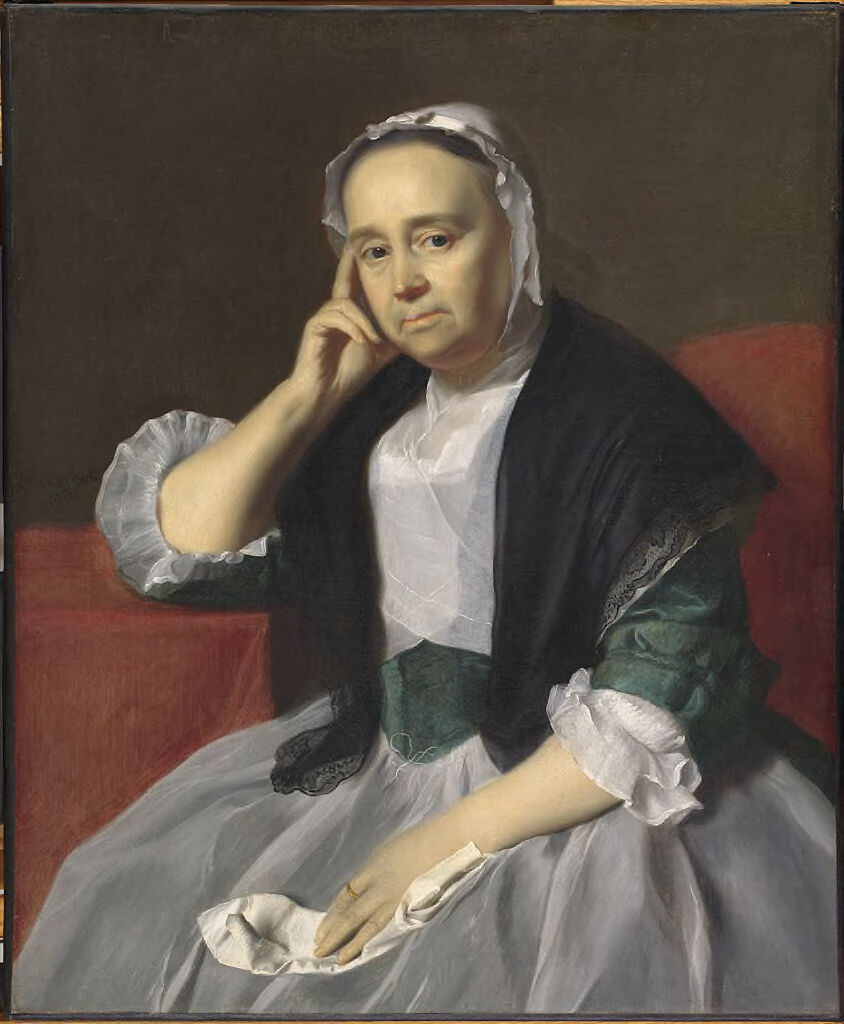
Mrs. Daniel Hubbard (Mary Greene) — History & Analysis
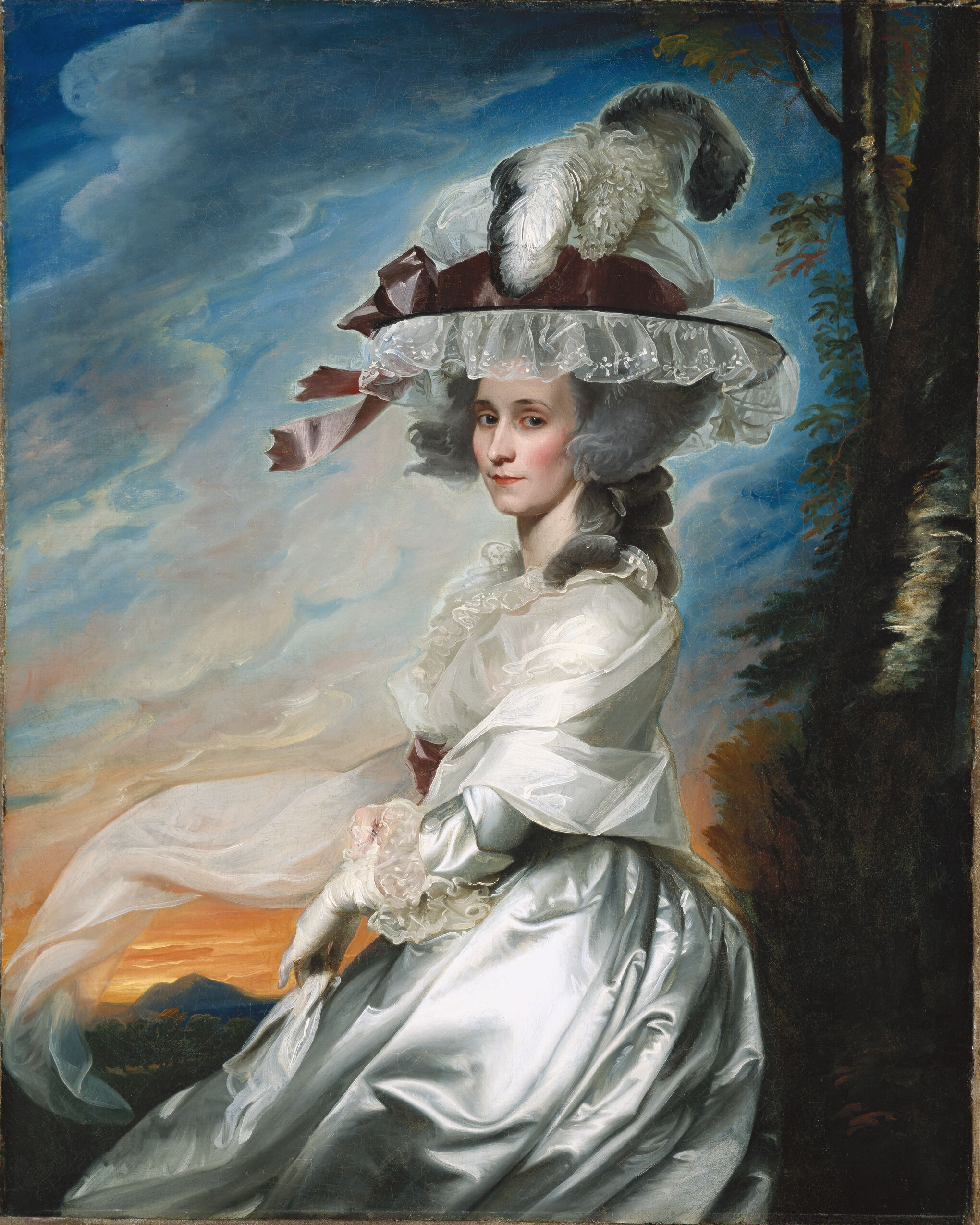
“Every brushstroke is a heartbeat remembered.” In the delicate interplay between illusion and reality, we find ourselves grappling with the nature of existence itself. Look closely at the serene figure in the center of the canvas, where the soft drapery of her gown flows like water around her form. Notice how the light gently caresses her face, bringing warmth to her skin while casting subtle shadows that enhance her features. The meticulous detail in her expression invites viewers to ponder her thoughts and emotions, while the rich, muted colors of the background create a sense of depth, drawing our gaze inward to her captivating presence.
As you observe the composition, consider the interplay between the subject’s composed demeanor and the vibrant golden fabric that envelops her. This contrast not only highlights her status but also hints at the societal constraints placed upon women of the time. The small, intricate details—such as the lace on her collar and the delicate flowers in her hair—serve as symbols of both beauty and the ephemeral nature of life, reminding us that every moment is fleeting. In the mid-1760s, Copley was establishing his reputation as a leading portrait painter in colonial America, residing in Boston.
He was at the forefront of a burgeoning art scene, influenced by European techniques yet deeply rooted in American subject matter. Creating Mrs. Daniel Hubbard (Mary Greene) during this period, he deftly blended realism with an emerging sense of identity, capturing not just the likeness but the very essence of his subjects.