Sarah Morecock Boylston (Mrs. Thomas Boylston) (1696-1774) — History & Analysis
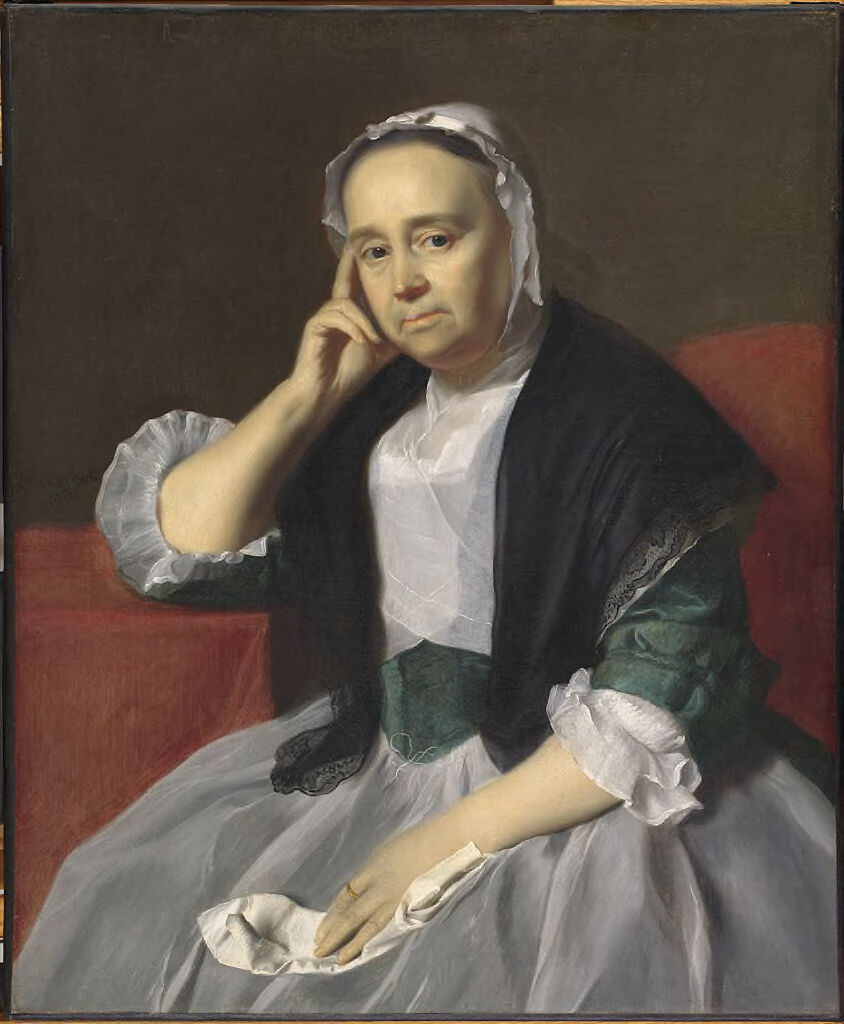
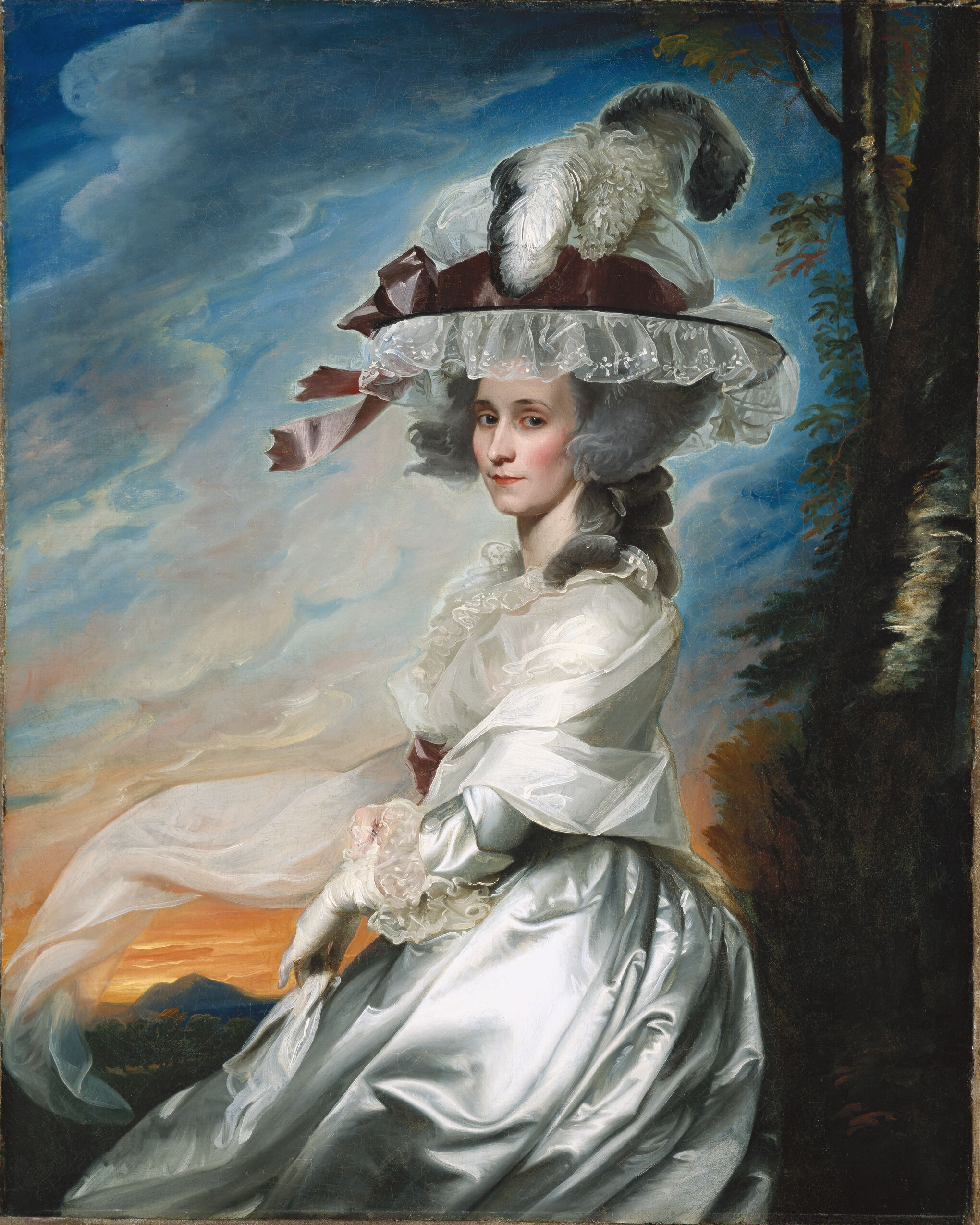
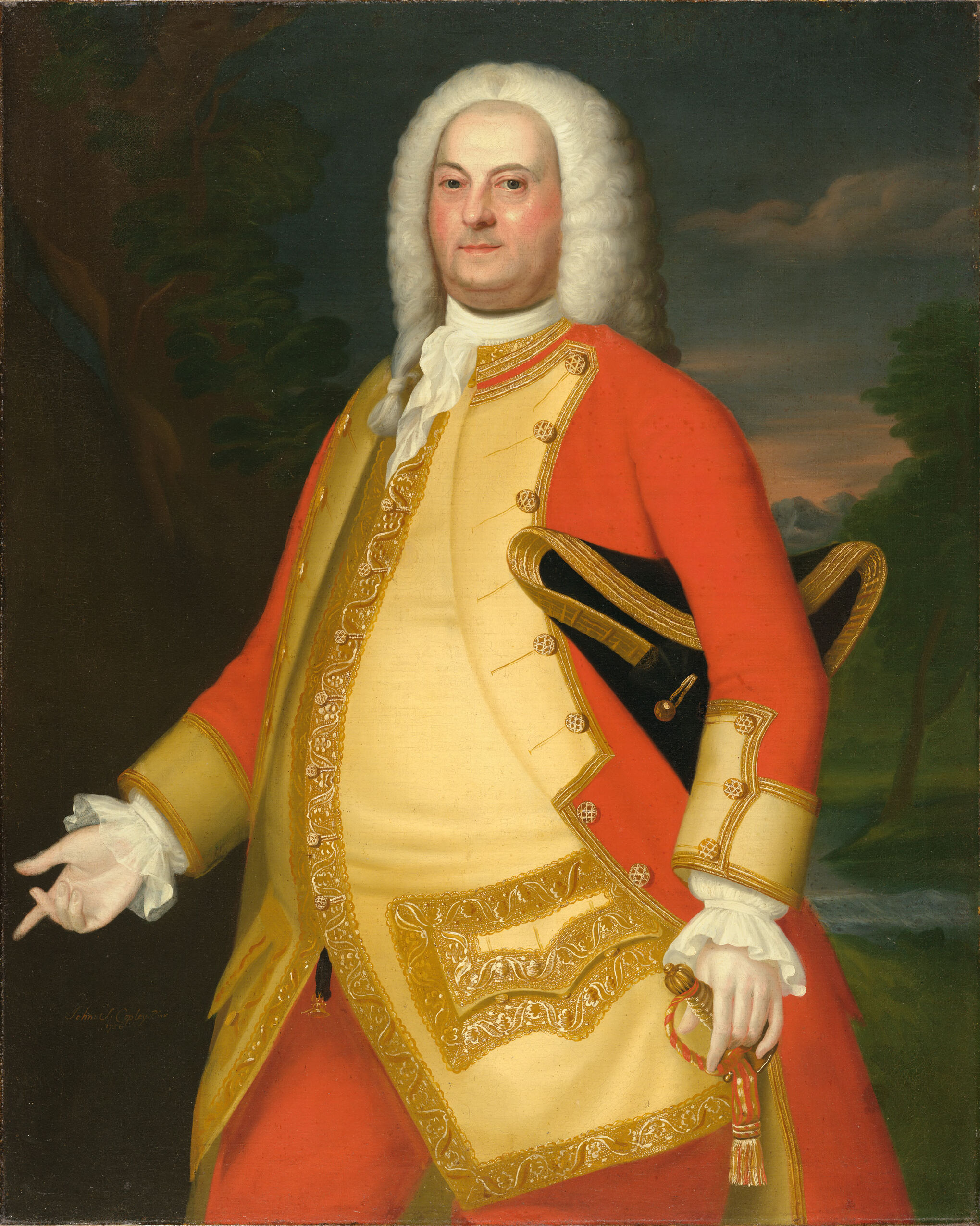
“Every brushstroke is a heartbeat remembered.” In the quiet depth of Sarah Morecock Boylston, the whispers of loyalty and betrayal linger like an unsaid promise, revealing the hidden complexities of human relationships. Focus on the graceful, poised figure at the center of the canvas, where the warmth of the rich, golden-brown fabric envelops her like a second skin. Notice how the light caresses her delicate features, accentuating the gentle curve of her smile yet casting a shadow beneath her lowered gaze. The meticulous detail in the embroidered lace at her neckline draws your eye, inviting curiosity about the stories woven into her attire and the life she portrays.
As you delve deeper into the painting, consider the tension between her composed exterior and the subtle hints of anxiety in her posture. The way her hands clasp together, perhaps a sign of restraint, speaks to her internal struggle. The softness of her surroundings contrasts with the sharpness of her gaze—an emotional battleground where fidelity meets the question of trust. Each detail echoes the artist's intention to encapsulate not merely a likeness but a psychological portrait filled with unspoken emotions.
In 1766, John Singleton Copley was in the throes of establishing himself as a leading portrait artist in colonial America. While he painted this work in Boston, the world of art was shifting; the Enlightenment's ideals began to influence American sensibilities. Copley's focus on realism and psychological depth signaled a departure from mere representation, capturing the essence of his subjects within the cultural landscape of a rapidly changing society.