Margaret Gibbs Appleton (Mrs. Nathaniel Appleton) (1699-1771) — History & Analysis
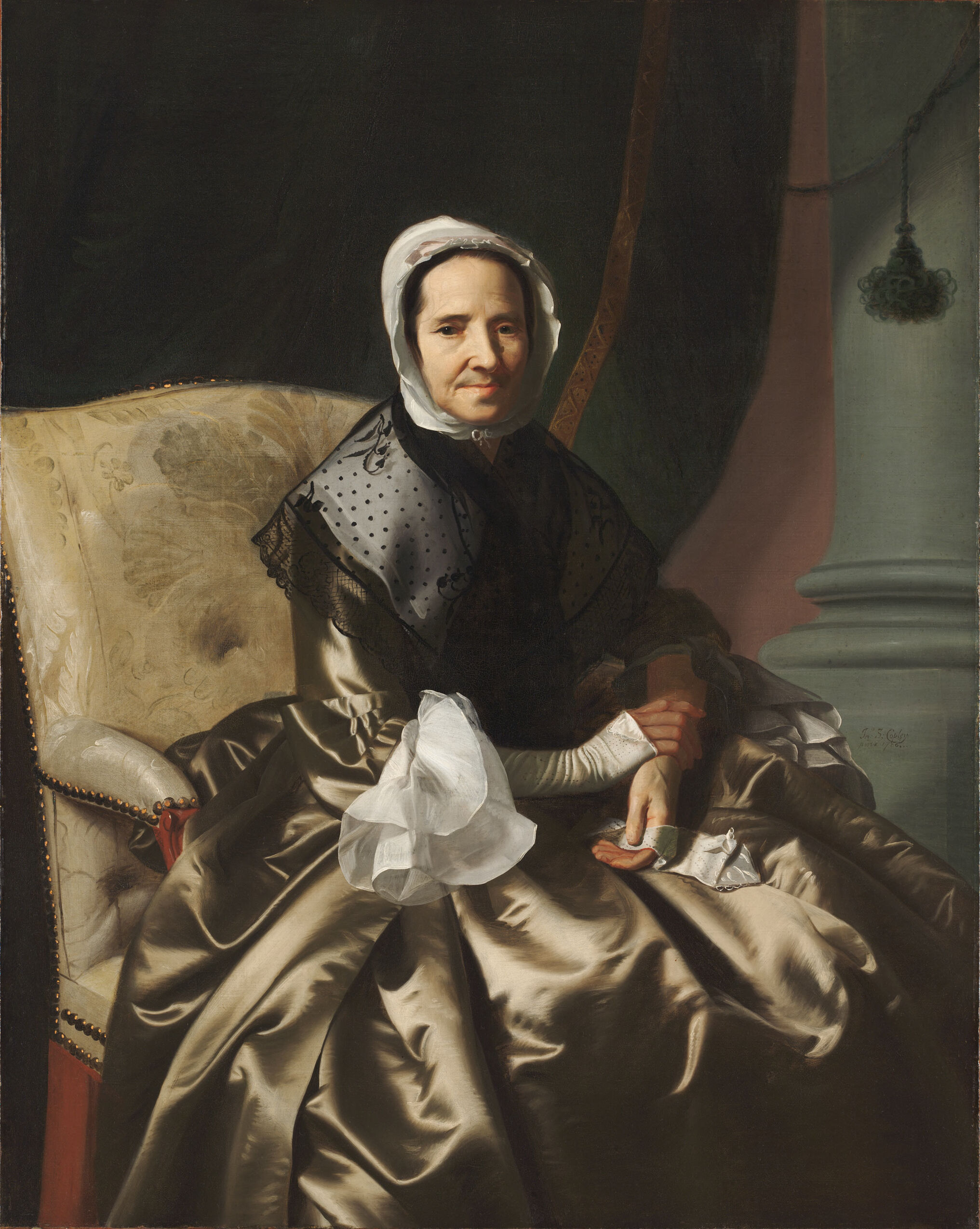
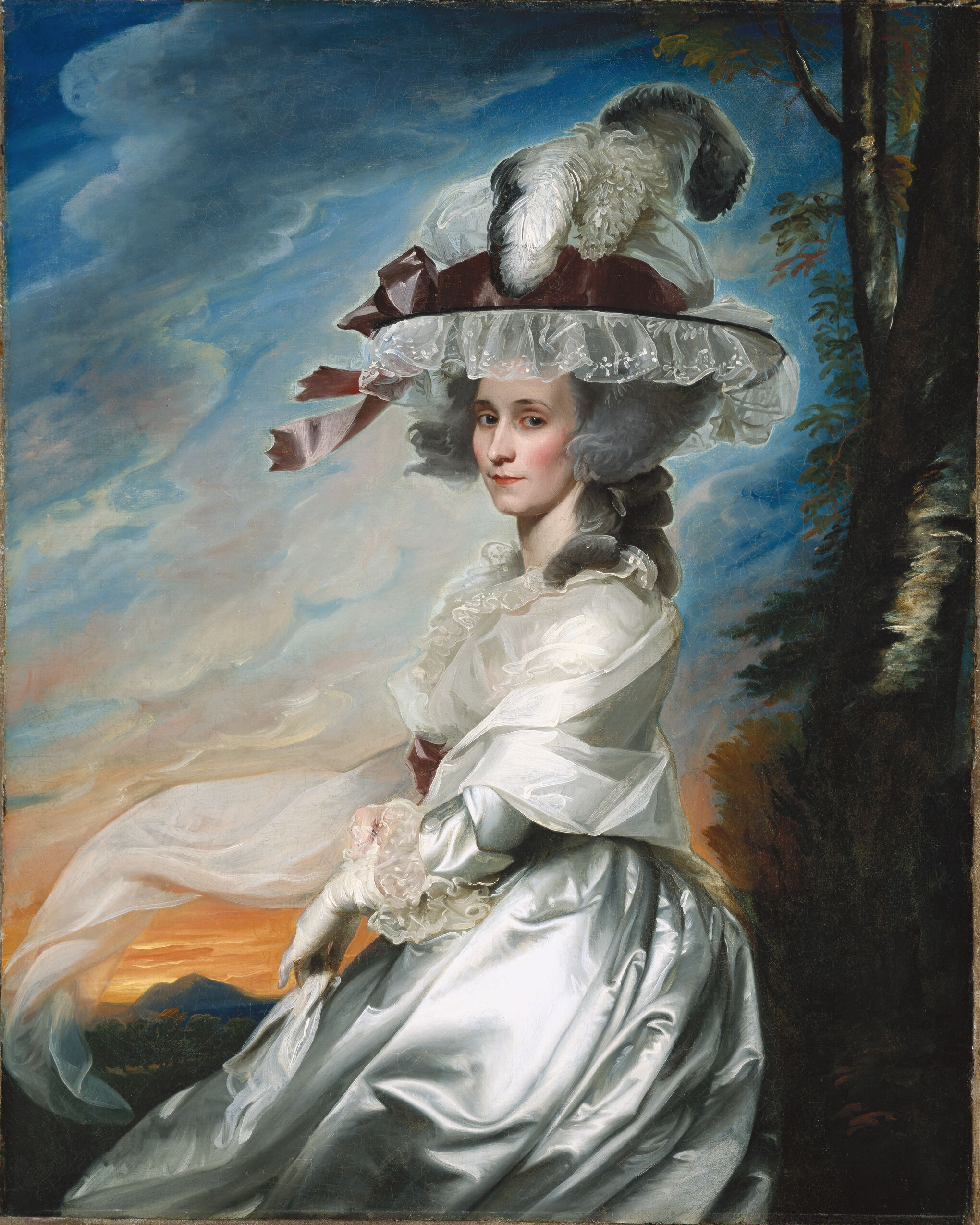
“Under the brush, chaos becomes grace.” In the stillness of a moment captured, destiny unfolds in quiet poise. Look closely at the detailed portrayal of the woman in the foreground; her attire—a beautifully embroidered gown—draws the eye first. Notice how the fabric captures the light, bringing out rich hues of blue and gold, which contrast beautifully against the deep, muted background. The meticulous brushwork of Copley highlights not only the careful craftsmanship of her dress but also the delicate subtleties of her expression, inviting viewers to ponder her thoughts and emotions.
Her hands rest calmly, suggesting both confidence and restraint, while her gaze holds the viewer, creating an intimate connection. Delve deeper into the painting, and the complexity of identity emerges. The thoughtful arrangement of objects around her—perhaps a book or a piece of jewelry—offers insights into her life and status, hinting at the societal roles and expectations placed upon women of her time. The balance of light and shadow speaks to the dual nature of existence; her poised exterior contrasts with the hidden turmoil many women faced, weaving a narrative of strength and vulnerability.
Here lies a poignant reflection on the interplay of personal and societal destiny. Created in 1763, this portrait emerges during a transformative period in American art, where Copley was establishing himself as a leading painter in colonial Boston. This time marked a shift towards greater individuality in portraiture, as artists began to focus more on character and emotion rather than mere likeness. In the midst of these changes, the artist skillfully captured not just a face, but a story interwoven with the cultural fabric of the era.