Thomas Hollis III (1659-1731) — History & Analysis
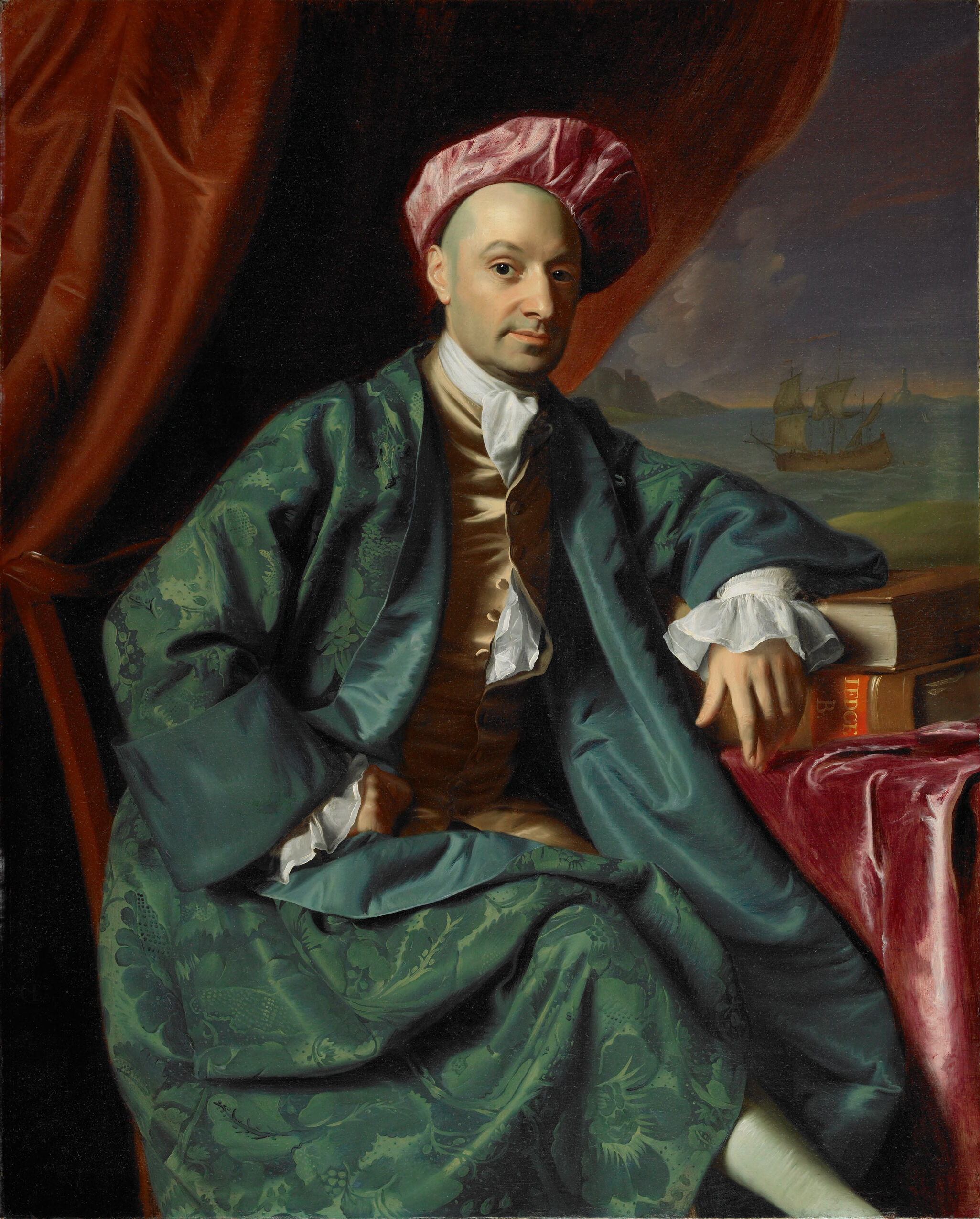
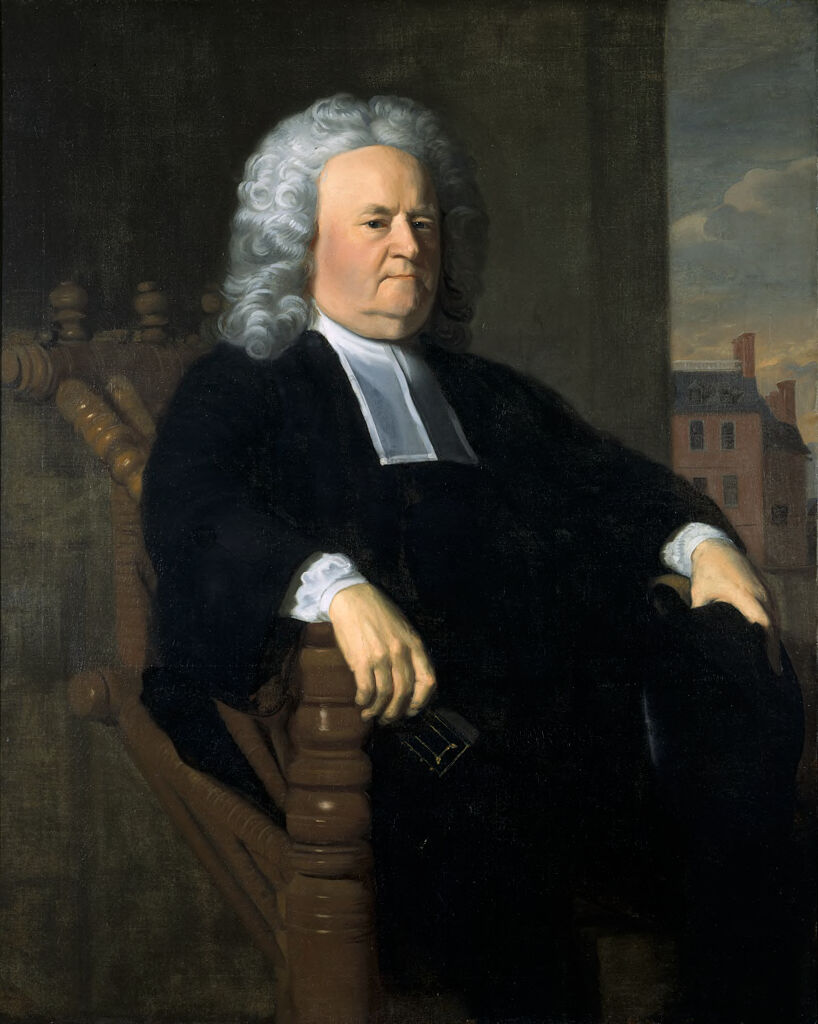
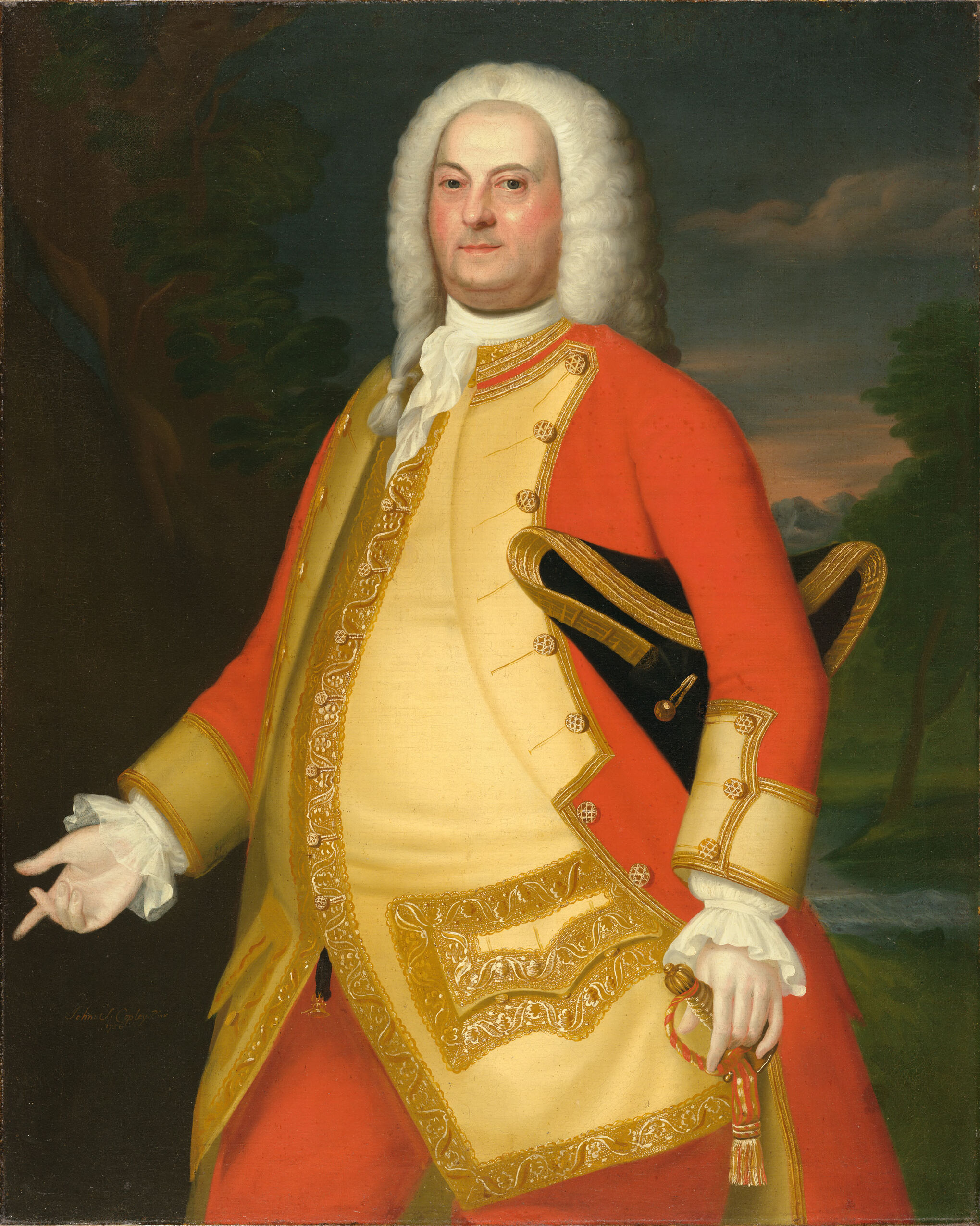
When did color learn to lie? In the realm of portraiture, beneath the surface of vibrant hues and meticulous brushwork, there often lies a haunting truth about identity and human experience, a wound only time can reveal. Look closely at the figure seated confidently in Thomas Hollis III, where the dark background draws your gaze to the subject's rich attire, adorned in deep blue and gold. Notice how the fabric seems to shimmer, each fold and crease crafted with care, reflecting not just wealth but an essence of dignity. The slight tilt of his head, along with the deliberate placement of his right hand over the armrest, suggests a blend of authority and introspection, inviting the viewer to engage deeply with his character.
Yet, behind the polished exterior, contrasts emerge. The intense gaze of Hollis hints at both resolve and vulnerability, whispering of the losses that accompany privilege. His eyes, while vividly rendered, carry a shadow of melancholy, suggesting that the layers of paint cannot mask the human experience of grief. This interplay between adornment and the unspoken reveals the complexities of a life lived in the public eye, where loss often lurks beneath the surface of seemingly perfect façades.
In 1765-1766, Copley was establishing himself in Boston as a leading portraitist of the colonial elite. During this time, he was grappling with his own artistic evolution, influenced by European masters while navigating the burgeoning American identity. The period was marked by a growing tension in the art world — a shift towards capturing the distinctiveness of American subjects amid the looming realities of social change and personal sacrifice. This portrait encapsulates that struggle, reflecting both the aspirations and the undercurrents of loss that defined an era.