Nathaniel Appleton (1693-1784) — History & Analysis
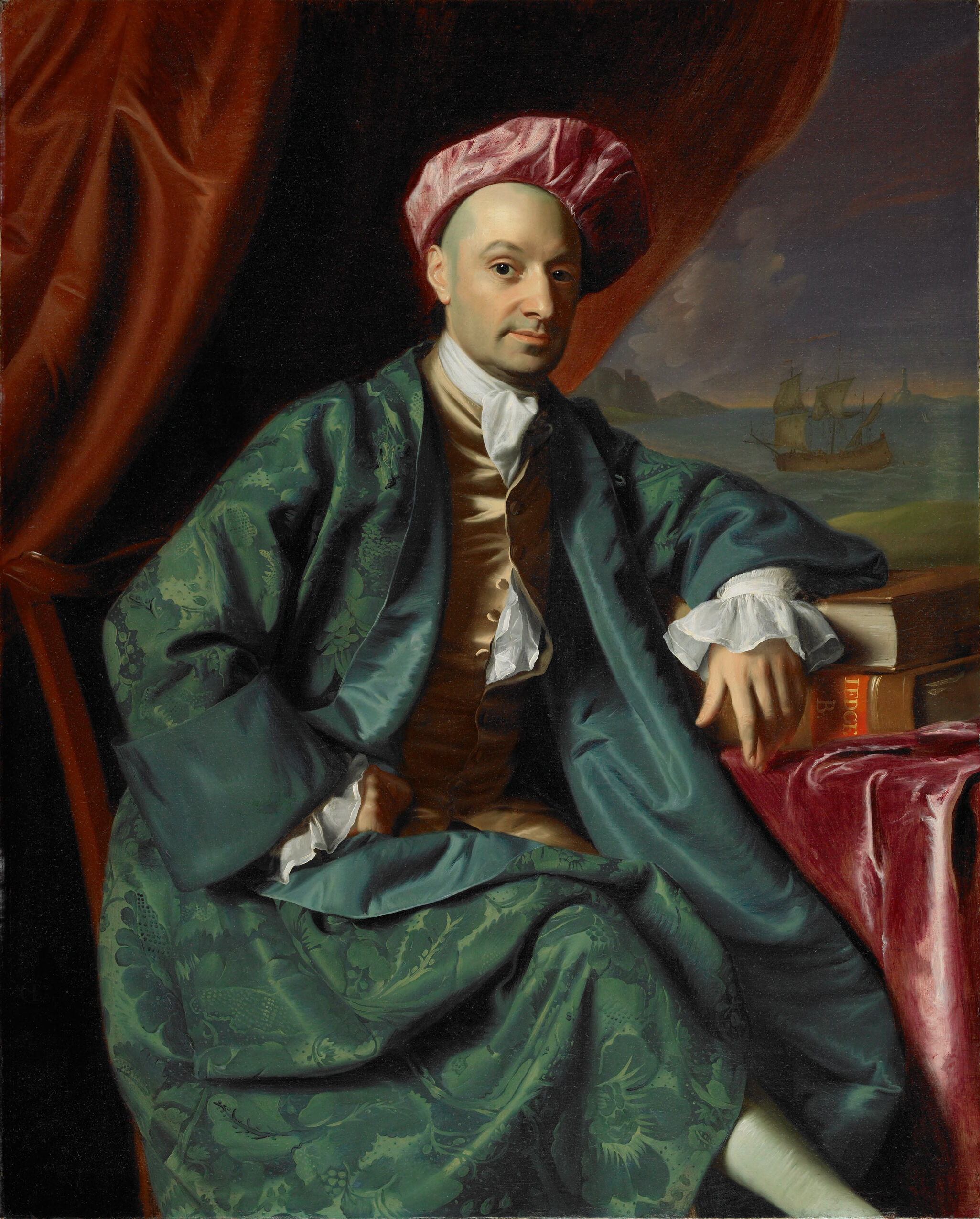
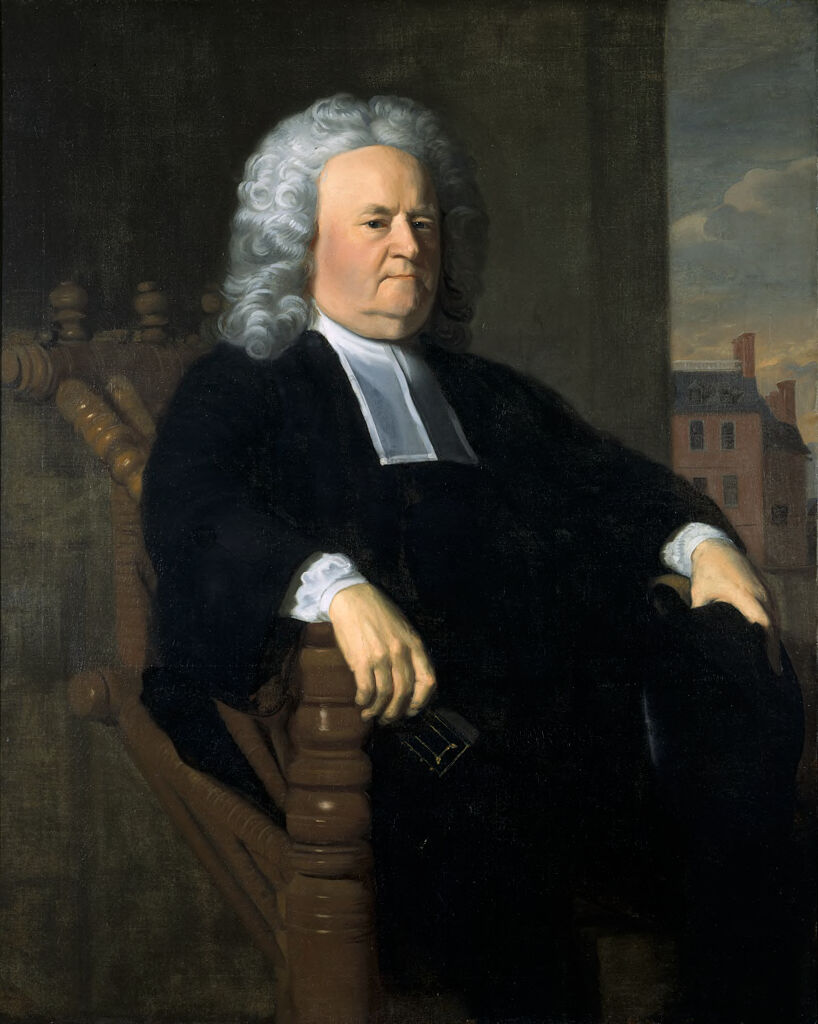
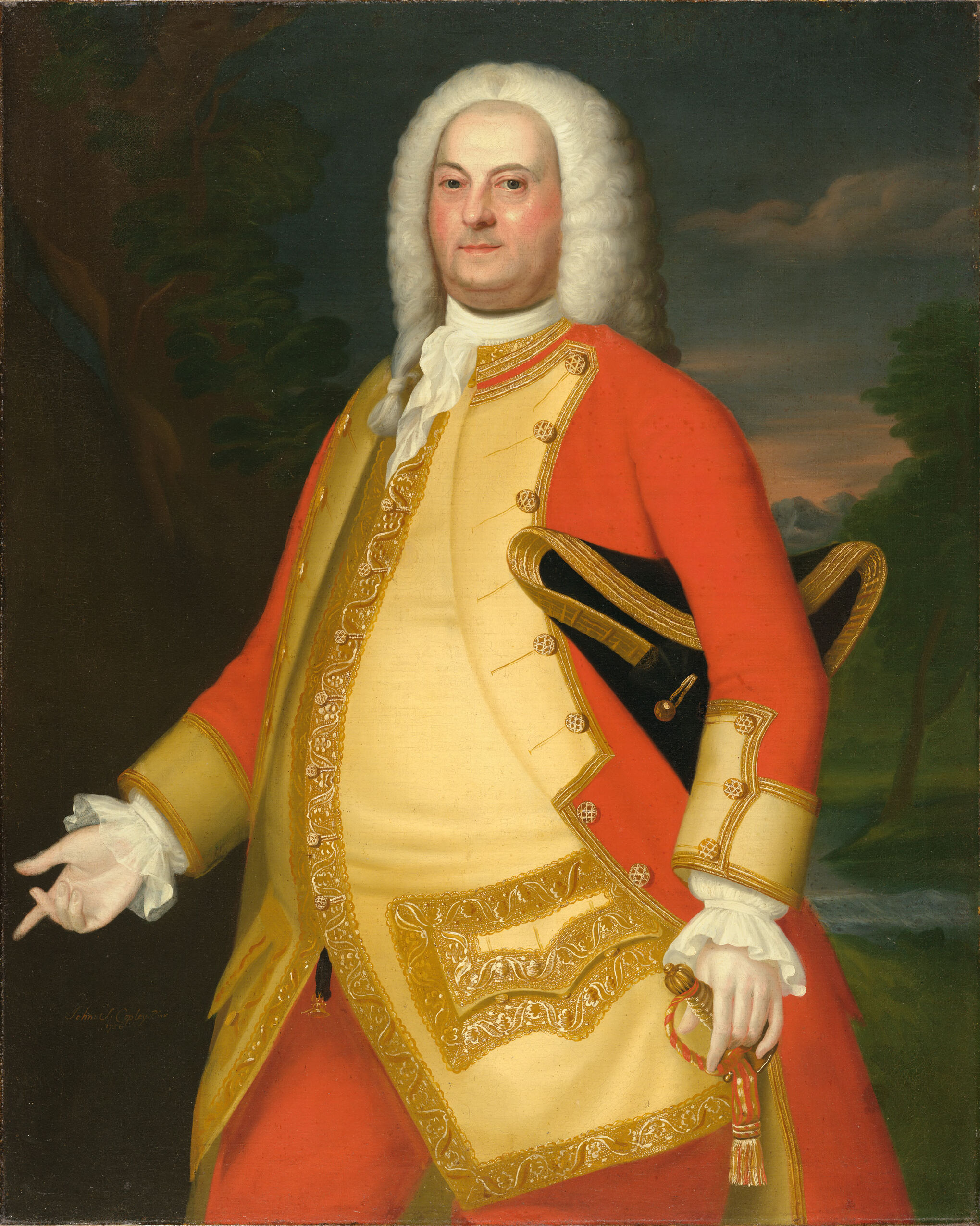
When did color learn to lie? In this portrait, hues reveal the façade of vitality while concealing the weight of its subject's existence. Look to the right at the rich, deep tones of Nathaniel Appleton’s coat, its opulence contrasting with the somber depths of his expression. The artist's meticulous brushwork captures the fine details of the fabric, drawing the viewer's gaze along the embroidered cuffs that seem to shimmer with life.
Notice how the light gently caresses his face, yet fails to illuminate the sadness lurking in his eyes; the soft chiaroscuro reveals the emotional gravity behind the polished exterior. The contrast of vibrant colors against the subtle shadows speaks to the duality of human experience—success and despair intertwined. The decorative elements framing the composition whisper of social standing, yet they also echo the isolation Appleton may have felt within his own grandeur. This tension between appearance and reality, expressed through Copley’s technique, invites contemplation of the losses that accompany wealth and status.
Created between 1759 and 1761, this portrait emerged during a transformative period for Copley, who was establishing his reputation in Boston and gaining recognition as a leading portraitist. The art world was shifting as the colonies began to embrace their identity, yet the personal struggles of his subjects often remained hidden beneath layers of paint. In Nathaniel Appleton, the artist not only captured a man but also the somber truths embedded in the pursuit of social stature.