Nicholas Boylston (1716-1771) — History & Analysis
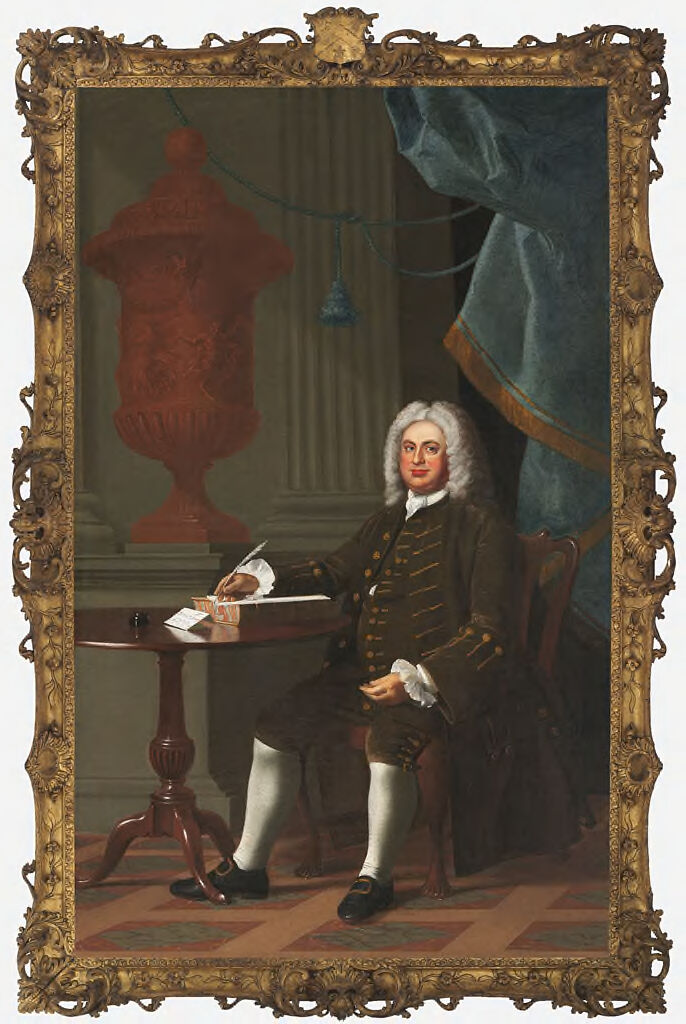
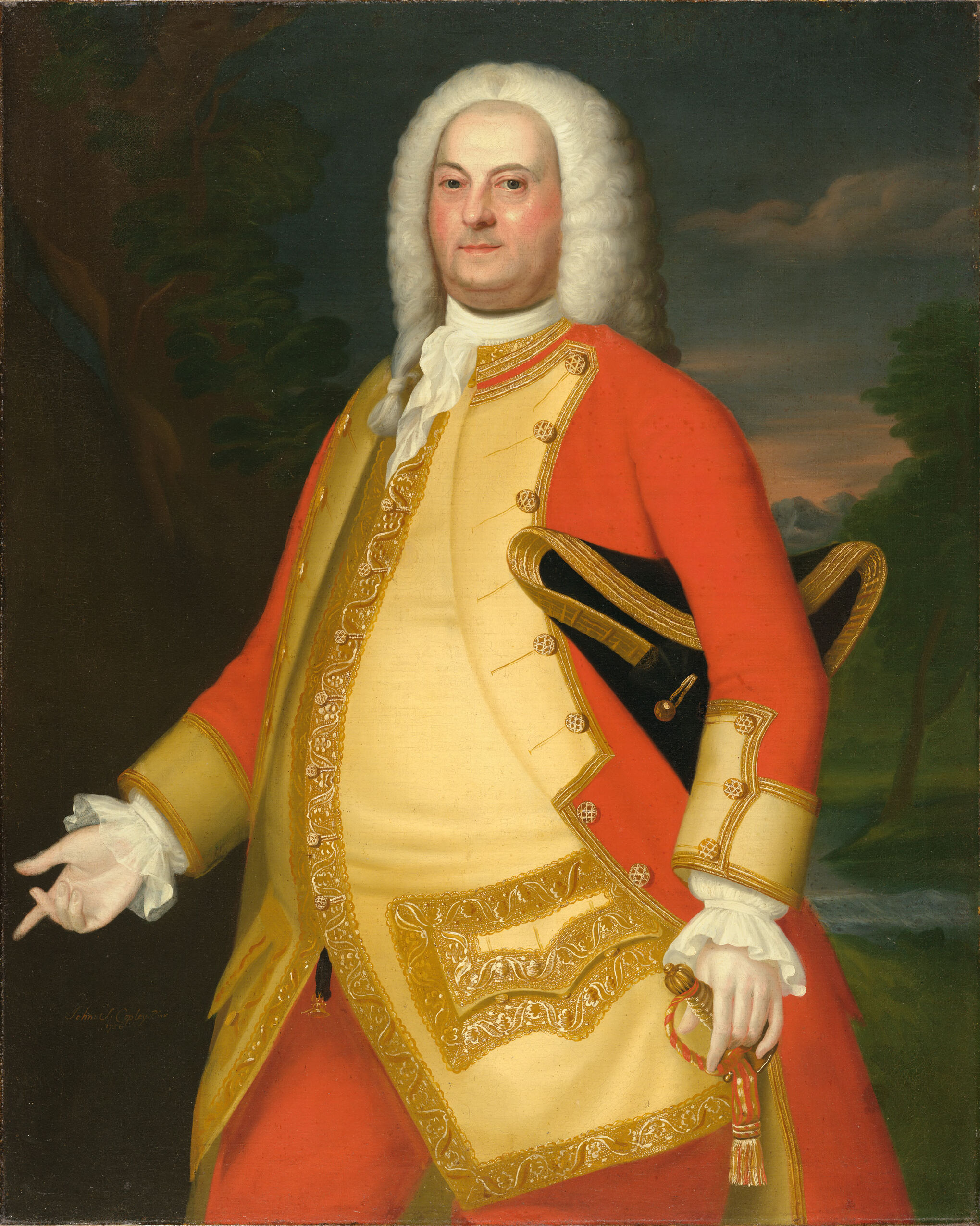
Where does light end, and longing begin? In John Singleton Copley’s Nicholas Boylston, a delicate interplay of illumination and shadow draws us into a world suspended between reality and aspiration. Focus your gaze on the figure at the center, dressed in rich, dark fabrics that contrast sharply with the soft, glowing light that gently caresses his face. The meticulous attention to texture invites admiration—notice how the folds of the silk seem to shimmer, capturing the viewer's attention and lending an air of opulence.
The background fades into a muted landscape, allowing the figure to emerge with a sense of both grandeur and isolation; the composition emphasizes an intimate connection with the observer. As you delve deeper, observe the subtle tension between the sitter's confident posture and the pensive expression captured in his eyes. Each detail—the finely crafted lace at his collar, the slight curl of his lips—reveals a duality of strength and fragility, embodying the human experience of aspiration versus reality. The light, while illuminating, also casts shadows that hint at the weight of unfulfilled desires and the fleeting nature of time.
Copley created this portrait in 1767 while living in Boston, amidst a burgeoning interest in American identity and portraiture. It was a transformative period for the artist, as he sought to bridge the divide between European artistic traditions and the emerging American style. With his meticulous technique and psychological depth, Copley captured not only the likeness of his subjects but also the essence of their aspirations, contributing to the rich tapestry of 18th-century American art.