Keizer en de Dood — History & Analysis
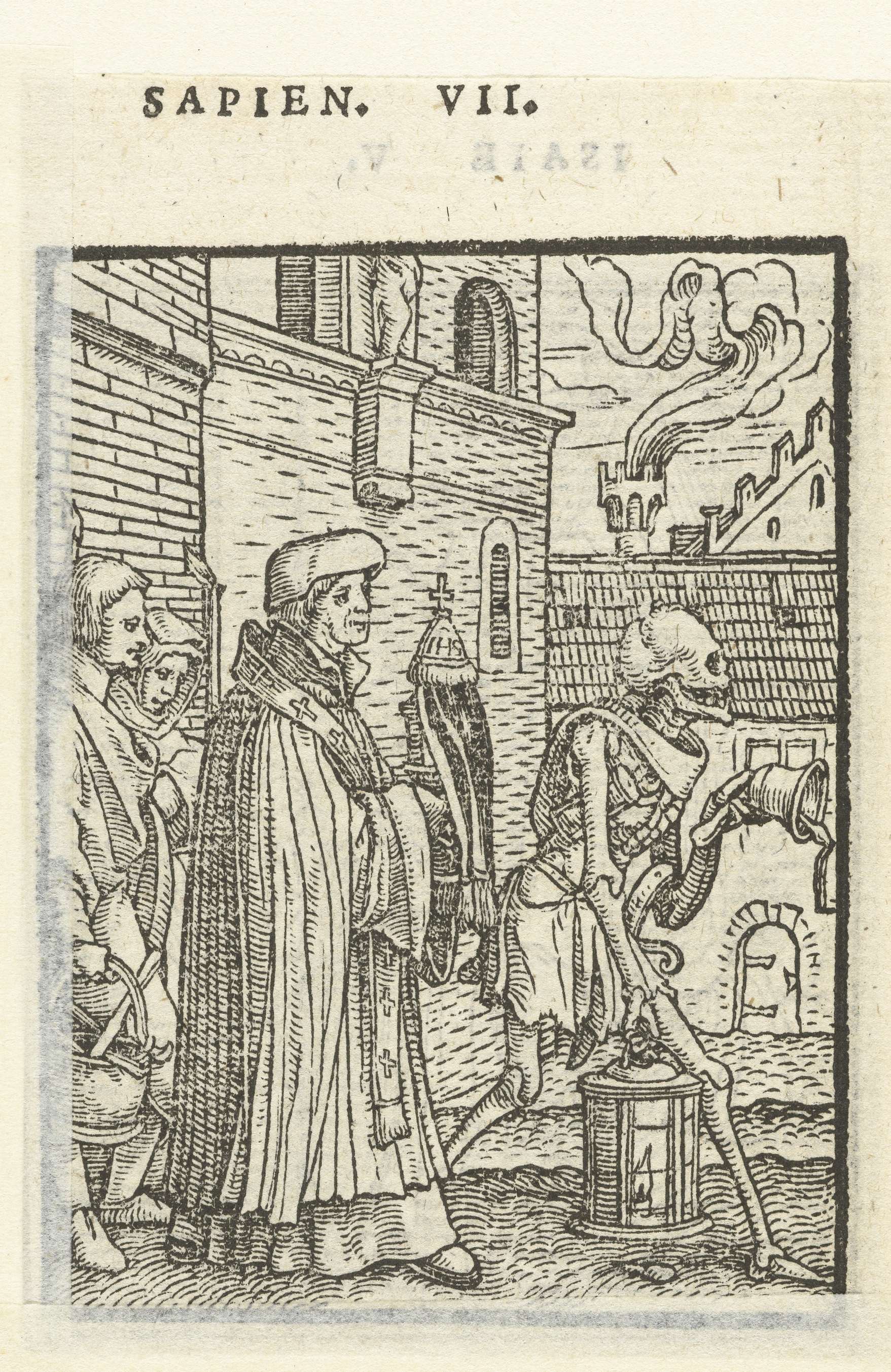
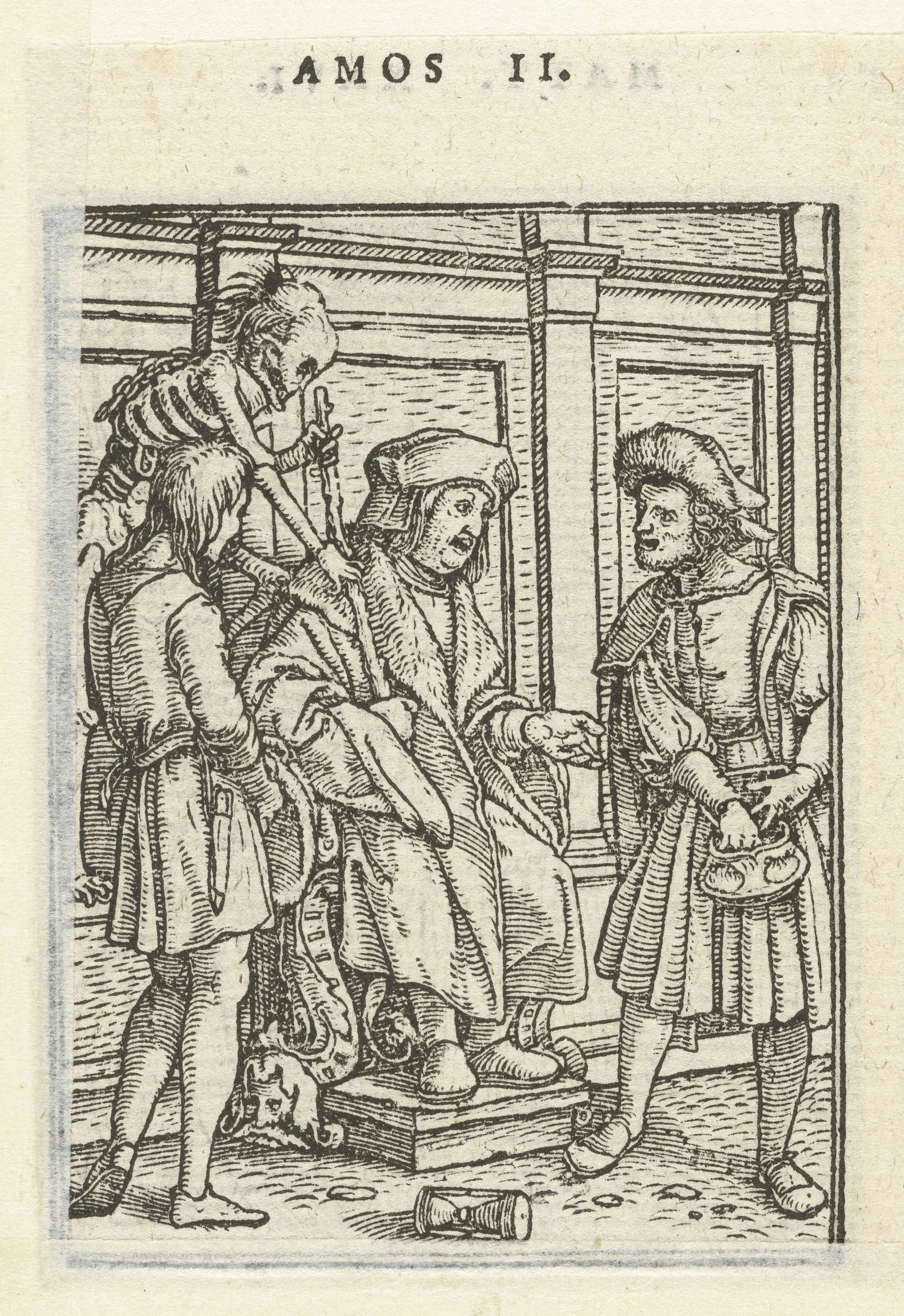
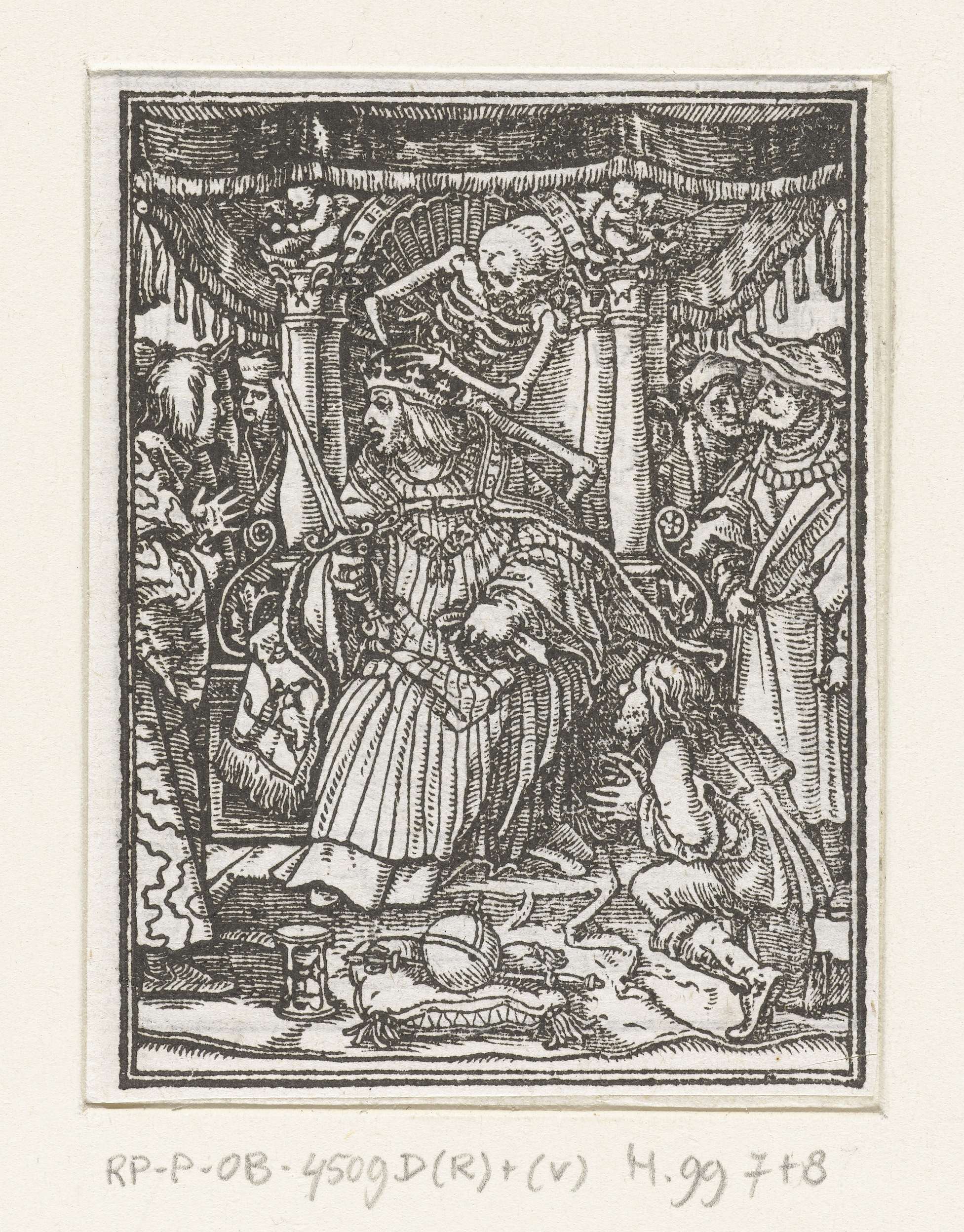
“Every silence here is a confession.” In the stillness of Keizer en de Dood, serenity becomes a haunting echo that reverberates through time, capturing our gaze and pulling at our consciousness. Look to the center, where a regal figure sits amidst a stark and somber backdrop. The emperor, draped in rich garments, is rendered in hues of deep crimson and gold that contrast sharply with the muted tones surrounding him. Notice how the light gently caresses his face, illuminating his features while casting shadows that suggest an impending finality.
The composition creates a tension between his stillness and the dark, lurking presence of death, represented by the looming figure beside him. Yet, within this stillness lies a profound tension. The emperor’s expression blends serenity with an unspoken dread, inviting contemplation of mortality and the weight of power. The juxtaposition of opulence and the skeletal form illustrates the transient nature of life, reminding us that all human grandeur is ultimately overshadowed by death.
Each detail—the texture of the fabric, the somber palette—underscores the emotional gravity of the scene, beckoning the viewer to reflect on what lies beneath the surface. During 1538, Holbein was immersed in the court of Henry VIII, navigating the complexities of power and artistry amidst England's changing religious landscape. His works often captured not just the likeness of his subjects but the essence of their humanity, an exploration that resonated deeply in the politically charged atmosphere of the time. In this painting, he confronts the inevitability of death, offering an introspective lens on the lives that thrive under the crushing weight of authority.