Kenilworth Castle, with Figures on the Hillside — History & Analysis
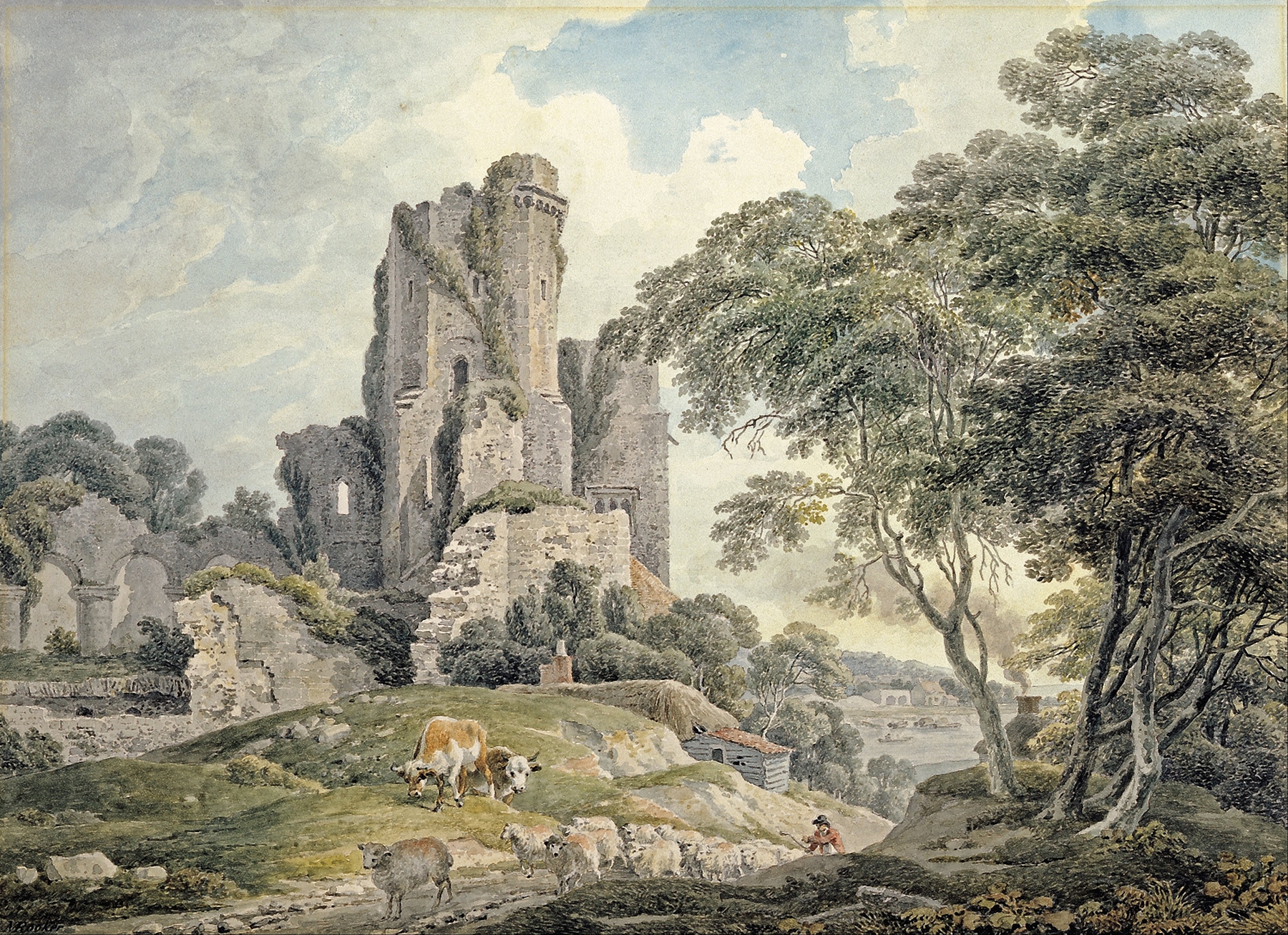
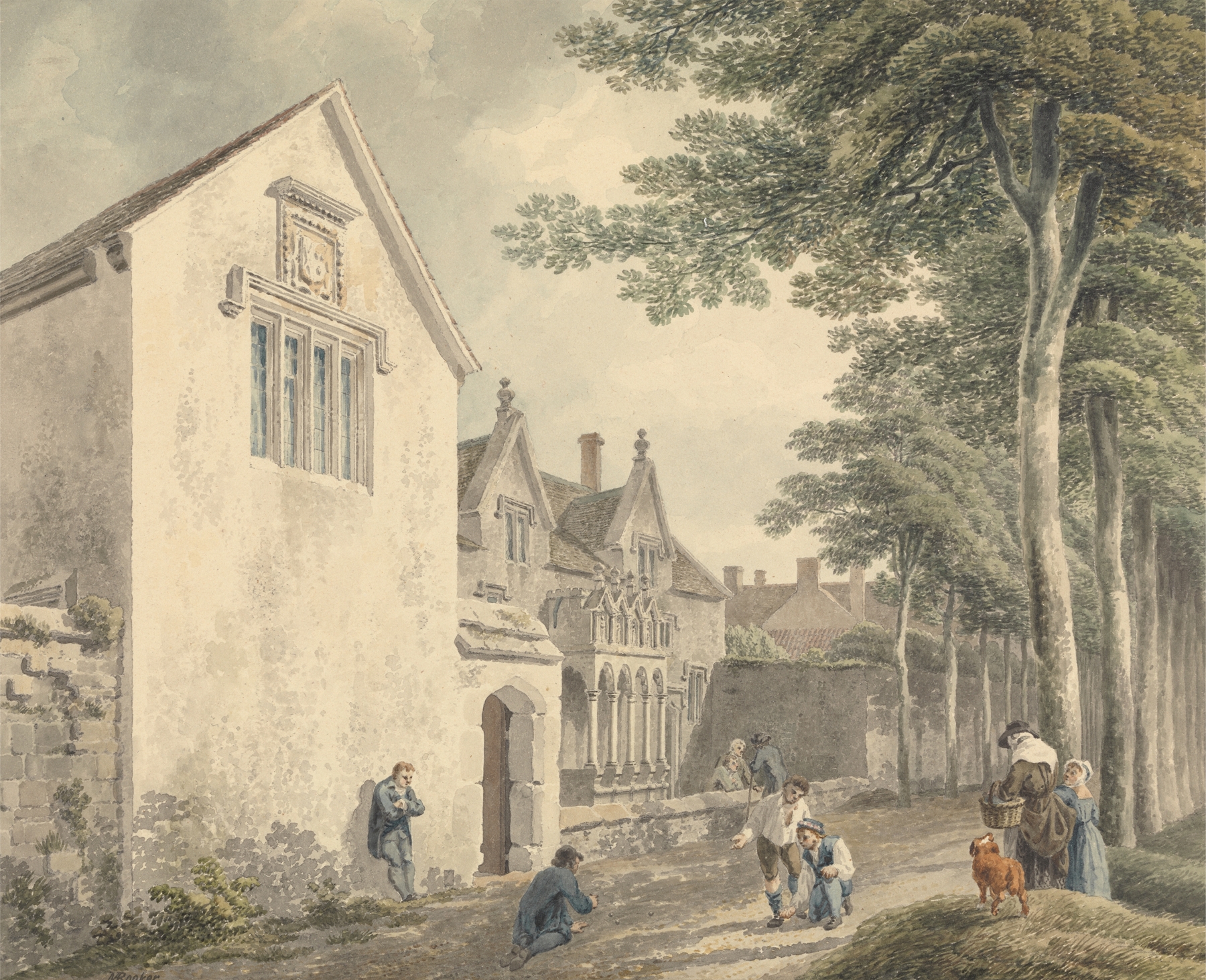
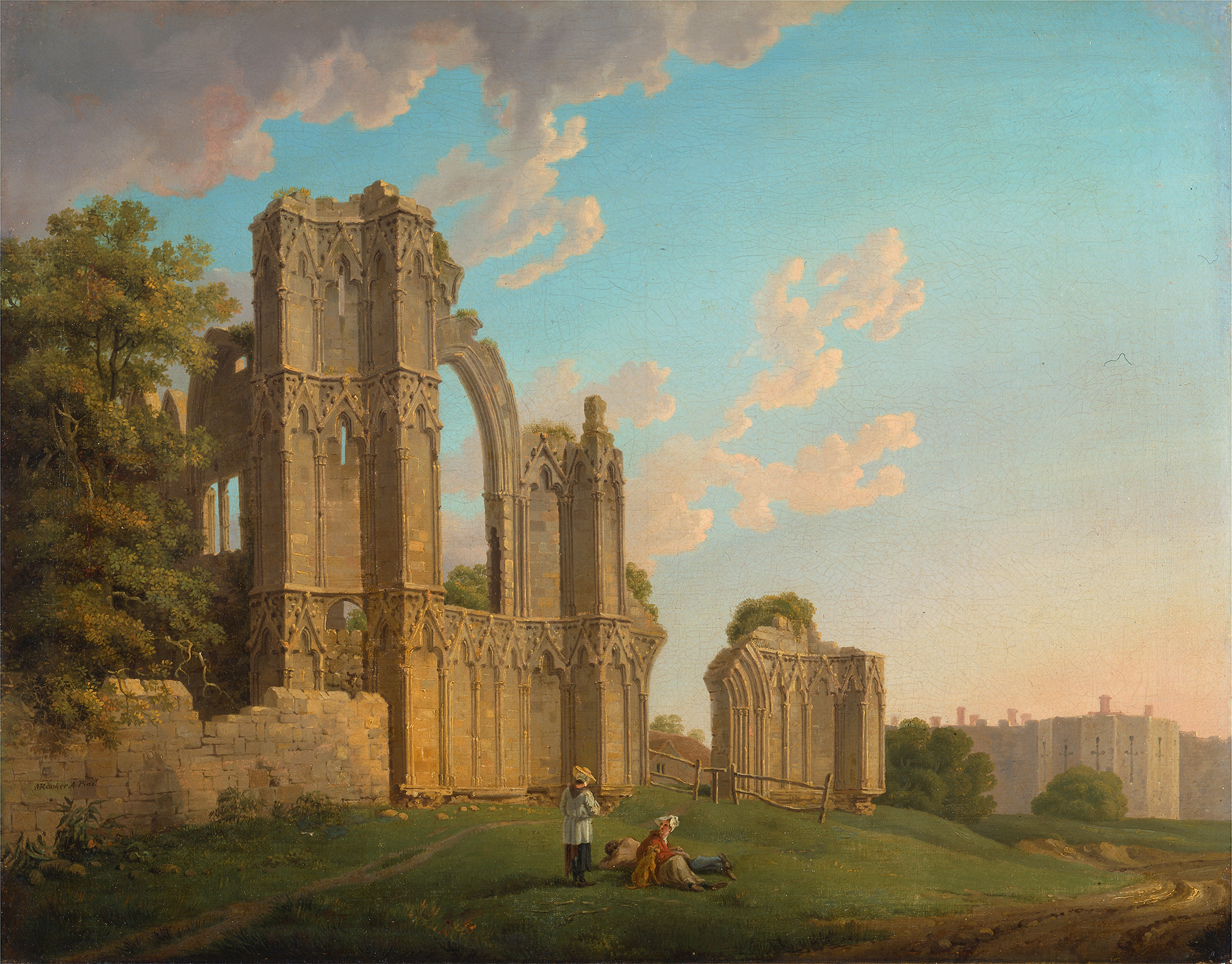
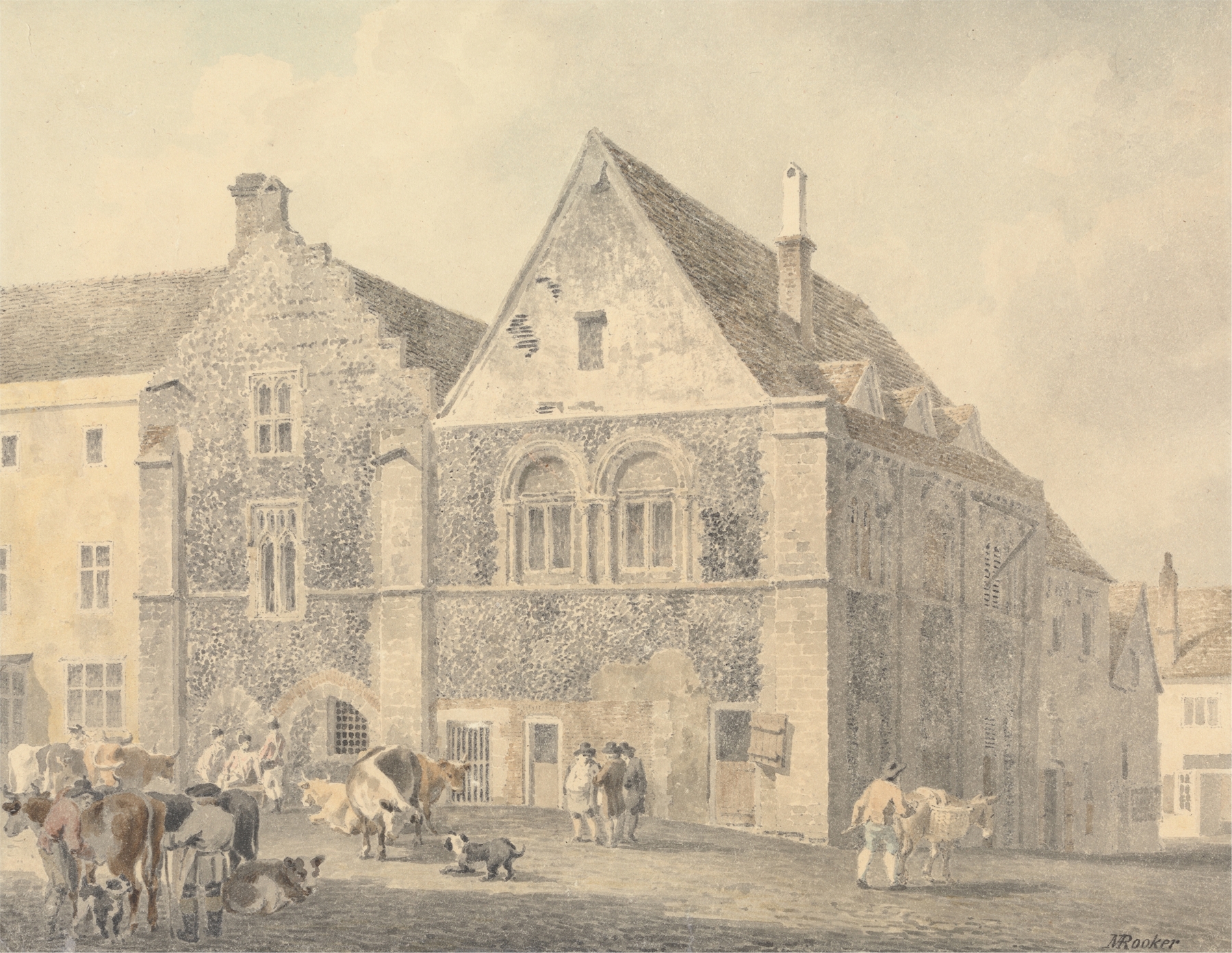
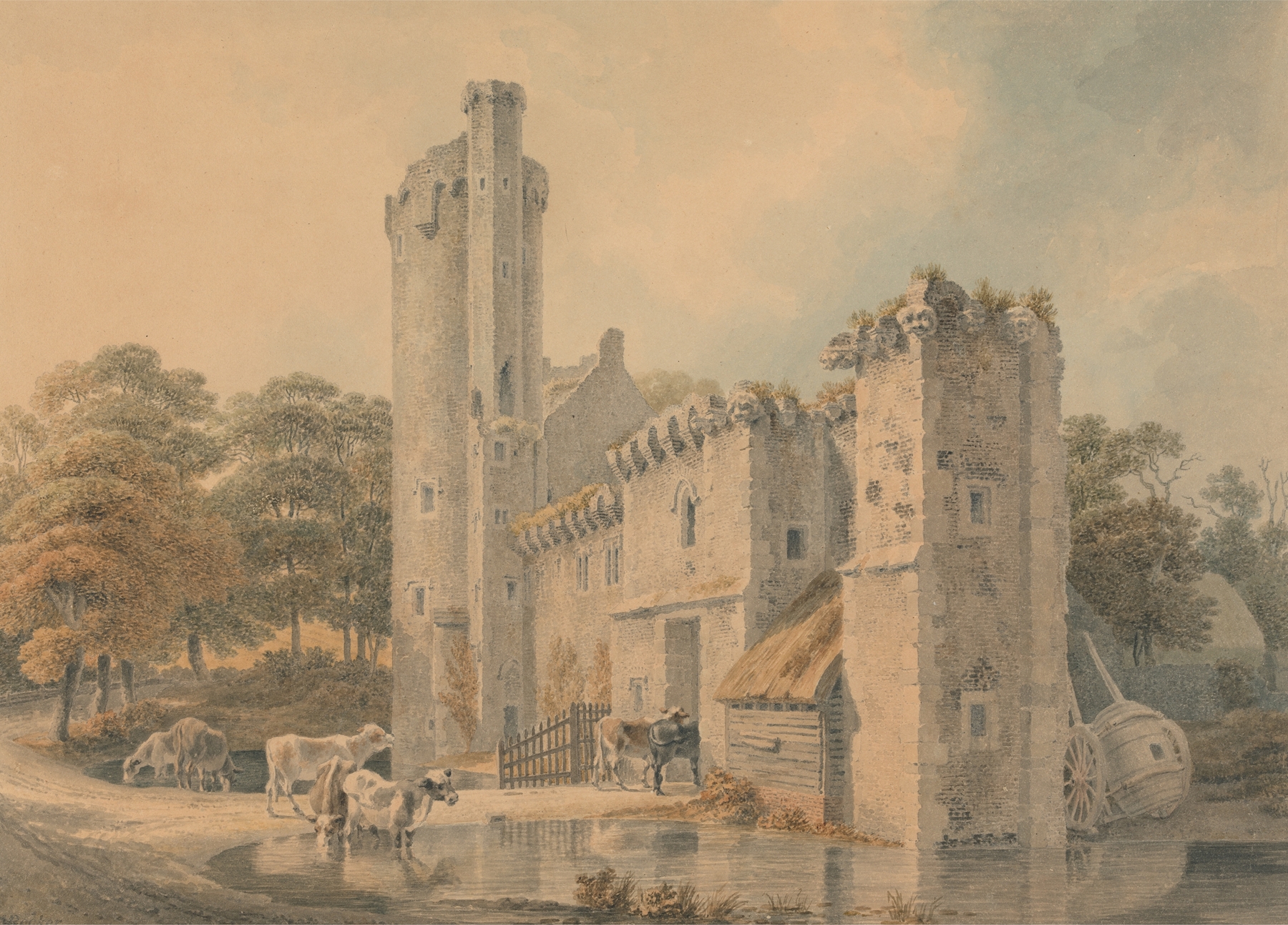
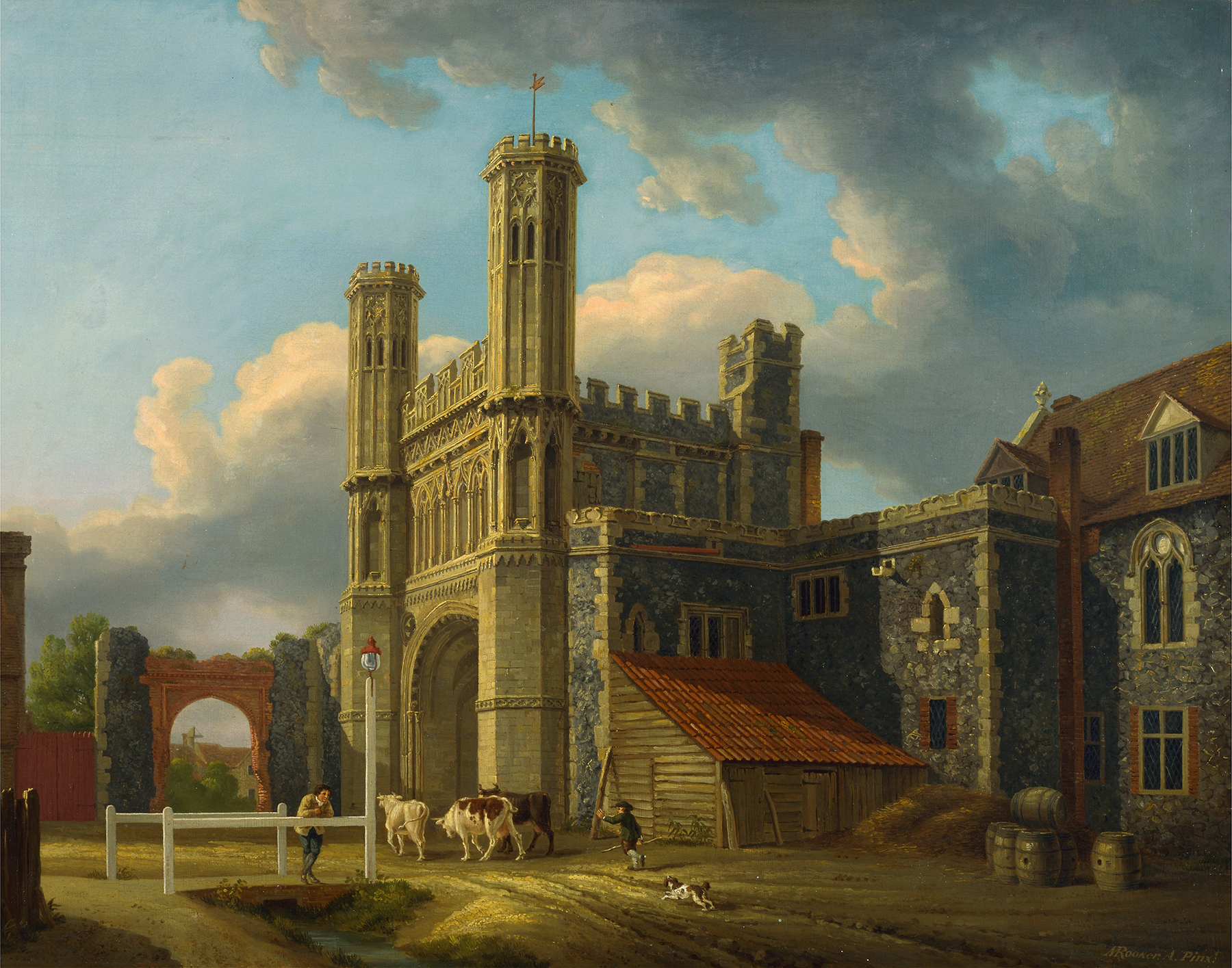
“Between color and silence, truth hides.” This notion resonates deeply in a world where transformation silently unfurls, shifting the very fabric of our perception. Look to the center of the canvas, where the grand edifice of Kenilworth Castle stands resolute against a backdrop of rolling hills. Notice how the artist skillfully employs a muted palette, blending greens and browns to encapsulate both the beauty and decay of the landscape. The subtle interplay of light and shadow enhances the castle’s formidable presence, while seemingly insignificant figures on the hillside breathe life into the scene.
Their smallness emphasizes the monumental nature of the structure, inviting contemplation of human frailty before such grandeur. Delving deeper, the juxtaposition of the castle’s stone solidity against the ephemeral figures suggests a profound narrative of permanence versus transience. The flowing lines of the grassy hills create a sense of movement, hinting at the passage of time, while the castle stands as a relic of history, embodying strength amidst inevitable change.
This tension between stillness and motion evokes a contemplative atmosphere, urging the viewer to reflect on their own place within this continuum. Created during the late 18th century, the work emerged from Rooker's life as an established artist in England, where Romanticism was beginning to influence the portrayal of landscapes. It captures a moment of artistic transition, as the artist sought to balance realism with the emerging ideals of emotion and nature in the evolving art scene.