Kensington Gardens, no. 1 — History & Analysis
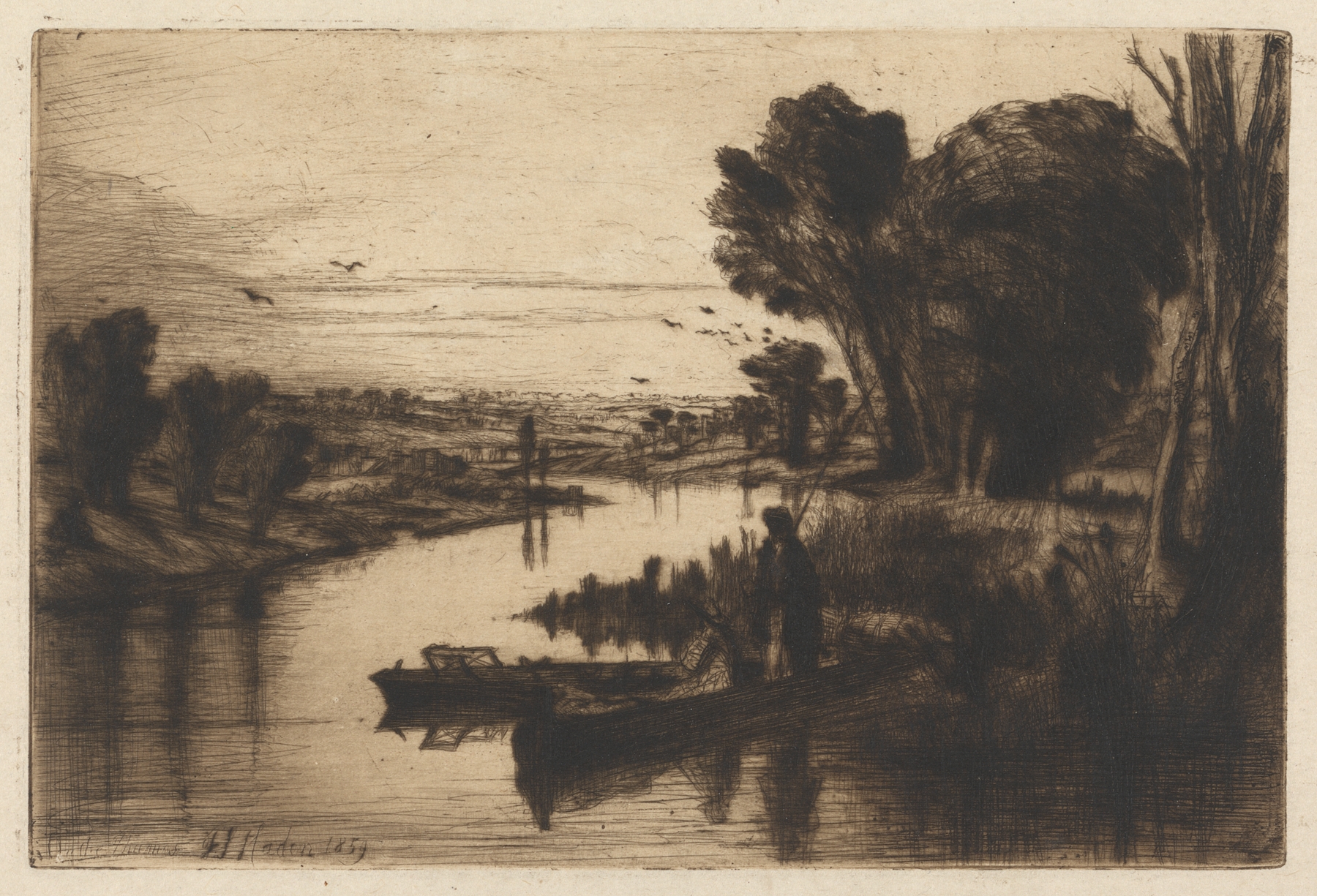
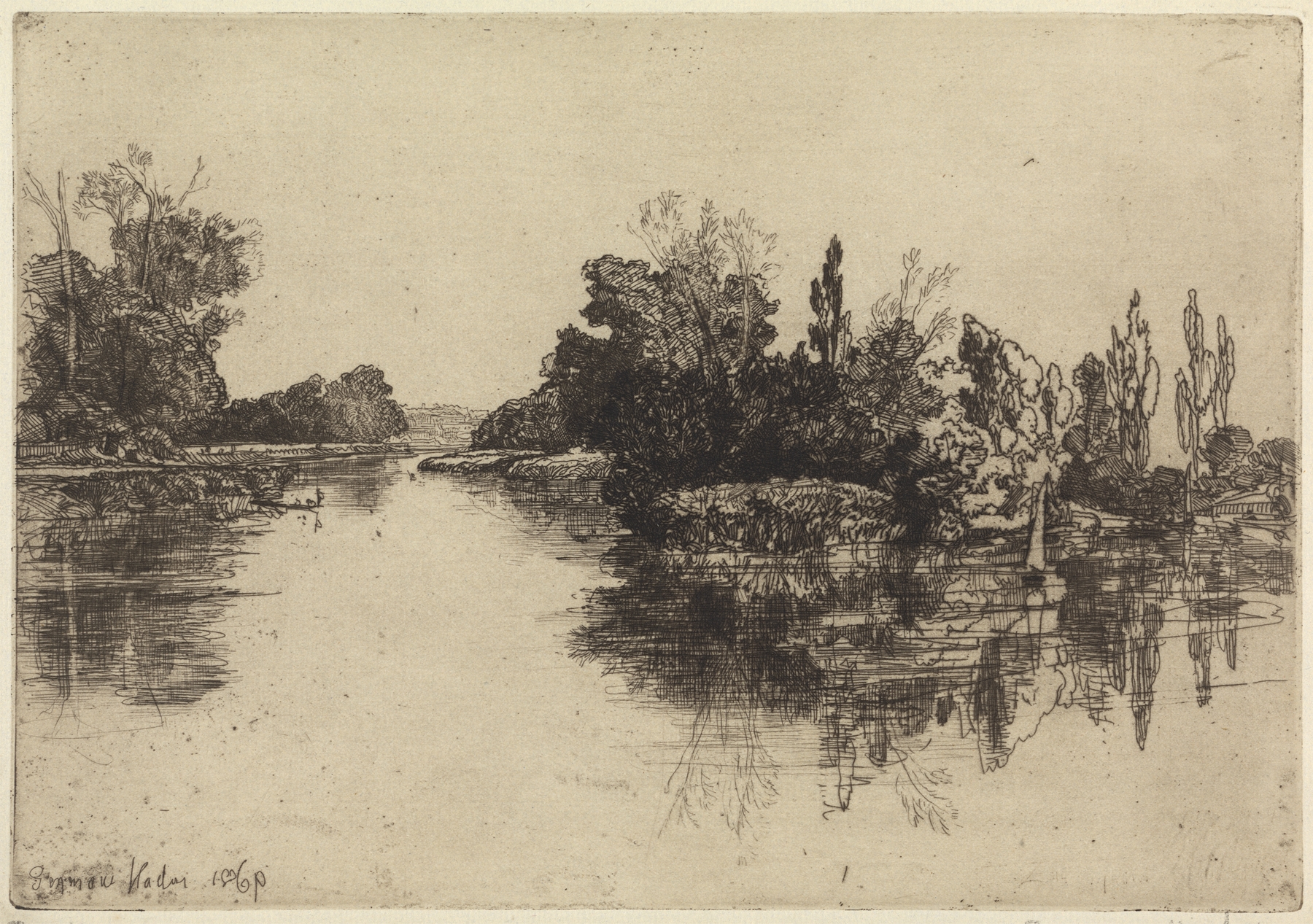
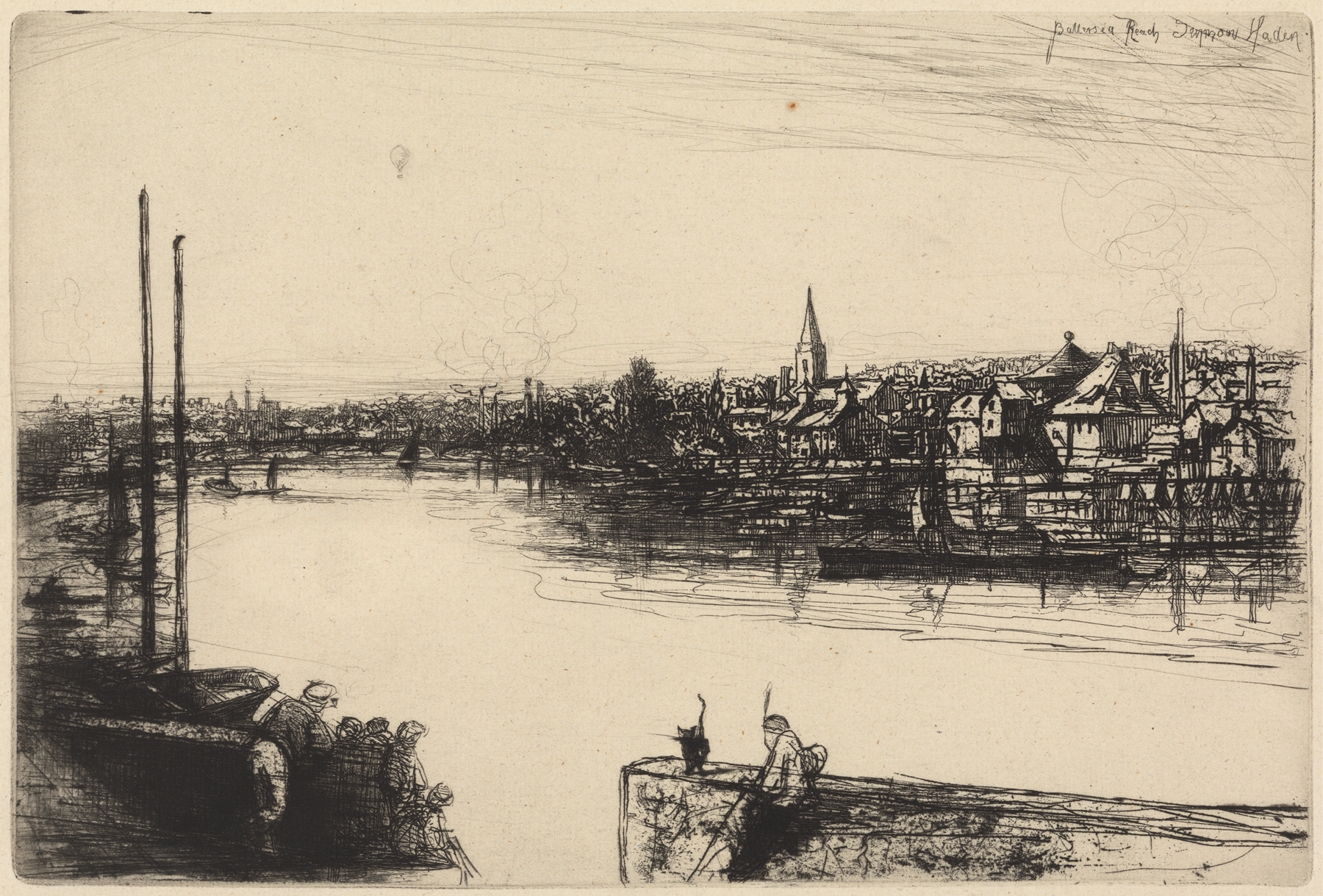
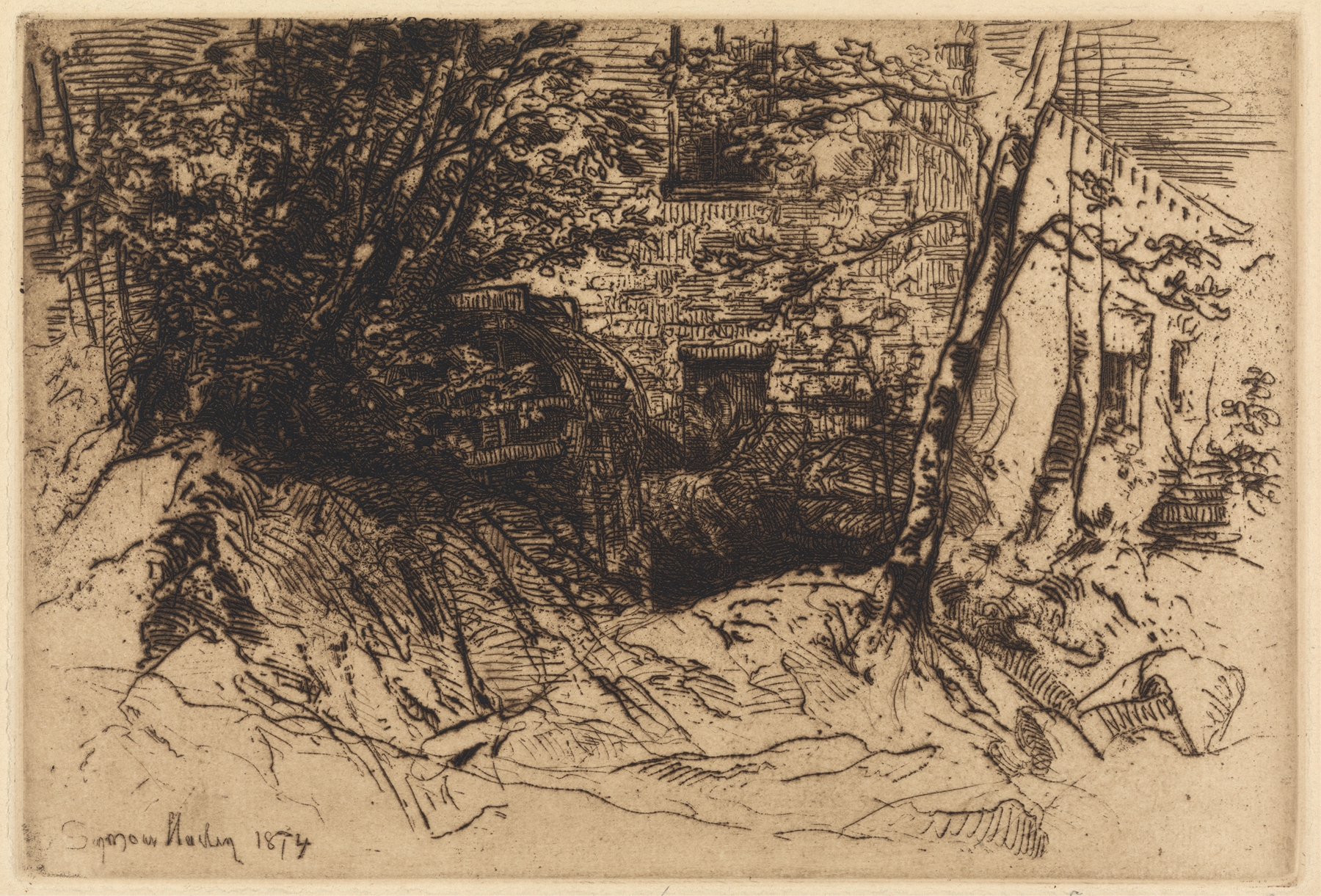
A gentle breeze rustles through the trees as sunlight streams through the canopy, casting dappled patterns upon the ground. In this tranquil scene of Kensington Gardens, a solitary figure sits on a bench, lost in thought. The world around them feels suspended in time, a moment of quiet contemplation amidst the vibrant colors of nature. Look to the left at the vivid greens that frame the entrance to a winding path. The artist's delicate etching technique brings detail to the foliage, where every leaf appears to breathe life.
Notice how the play of light dances across the surface, illuminating the subtle textures of the bark and the soft contours of the figure cloaked in shadow. This masterful juxtaposition draws the viewer into a serene yet intimate dialogue with the natural world. Hidden within the layers of this idyllic landscape lies a tension between solitude and connection. The figure's posture, slightly hunched, suggests an introspection that hints at an unspoken obsession—a longing or fixation perhaps tied to the beauty that surrounds them.
The soft blues and greens evoke calmness, while the vibrant bursts of color reveal an underlying yearning, inviting exploration of the depths of human emotion. In 1859, when this piece was created, Haden found himself entrenched in the world of etching and printmaking, influenced by the burgeoning Impressionist movement. Living in England, he was part of a circle that included contemporaries like Whistler, marking a transitional moment in art history where the interplay of light and atmosphere began to reshape artistic expression. The Gardens, a recurring subject, offered both a retreat and a canvas for exploring the intricacies of human experience in nature.