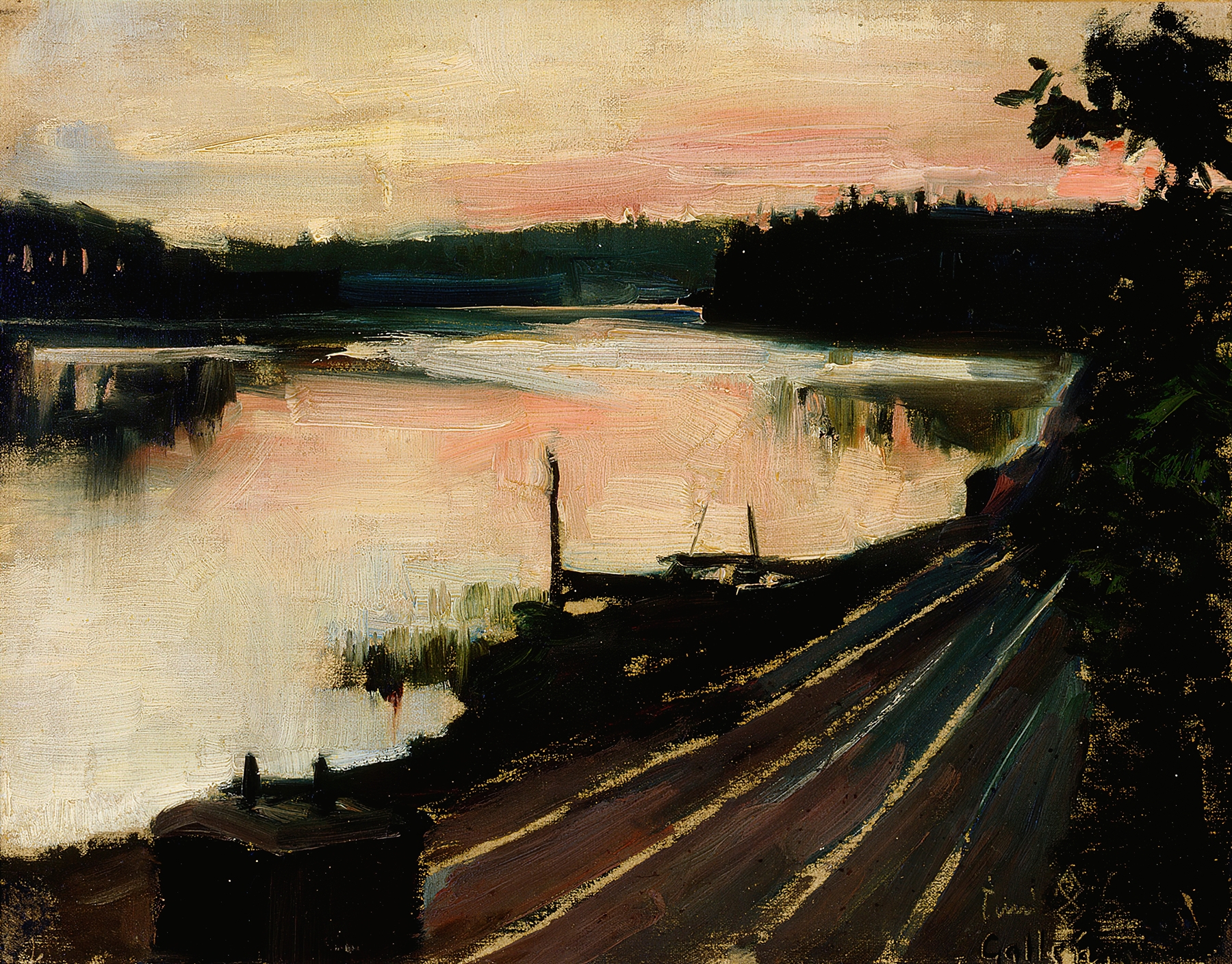
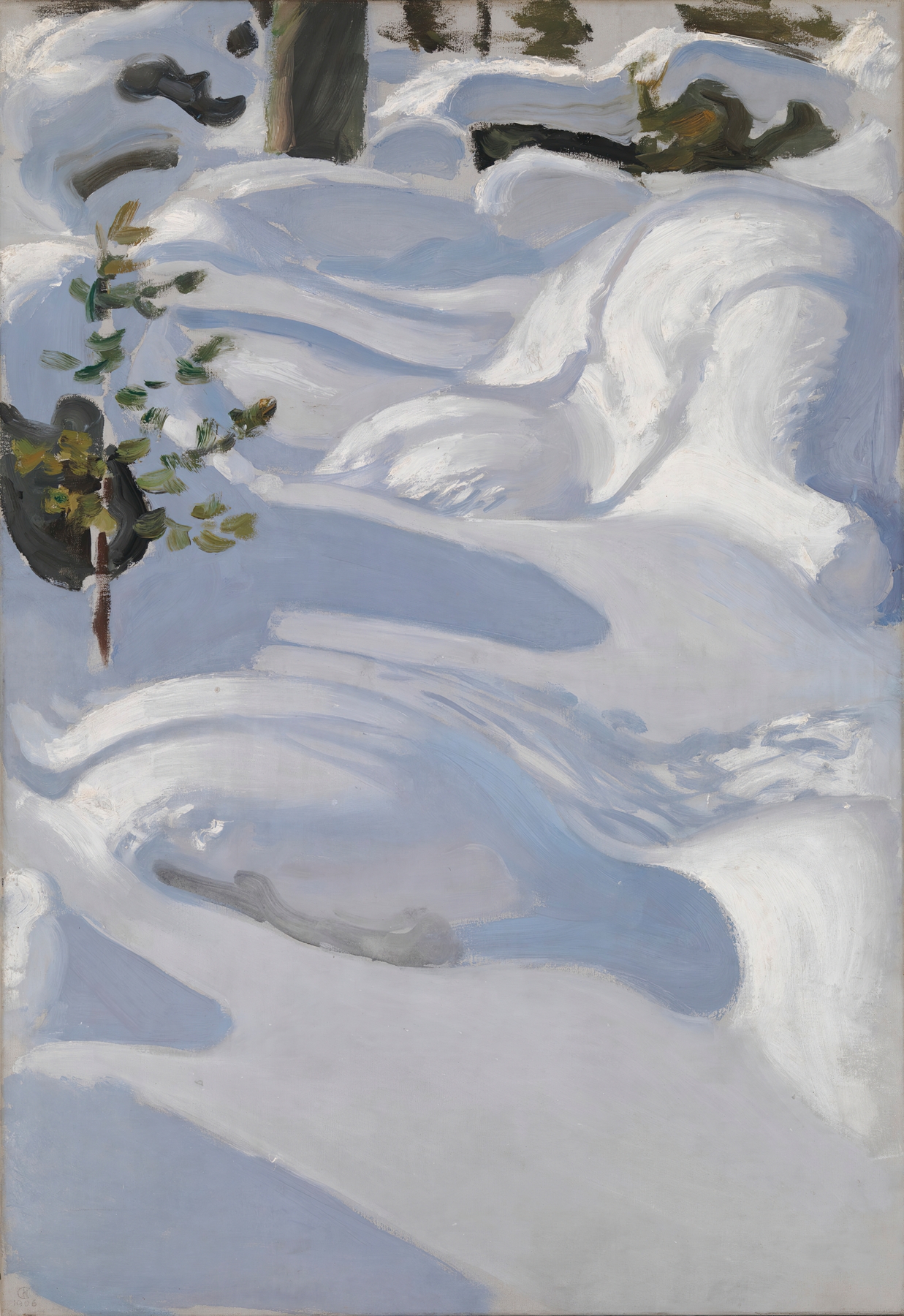
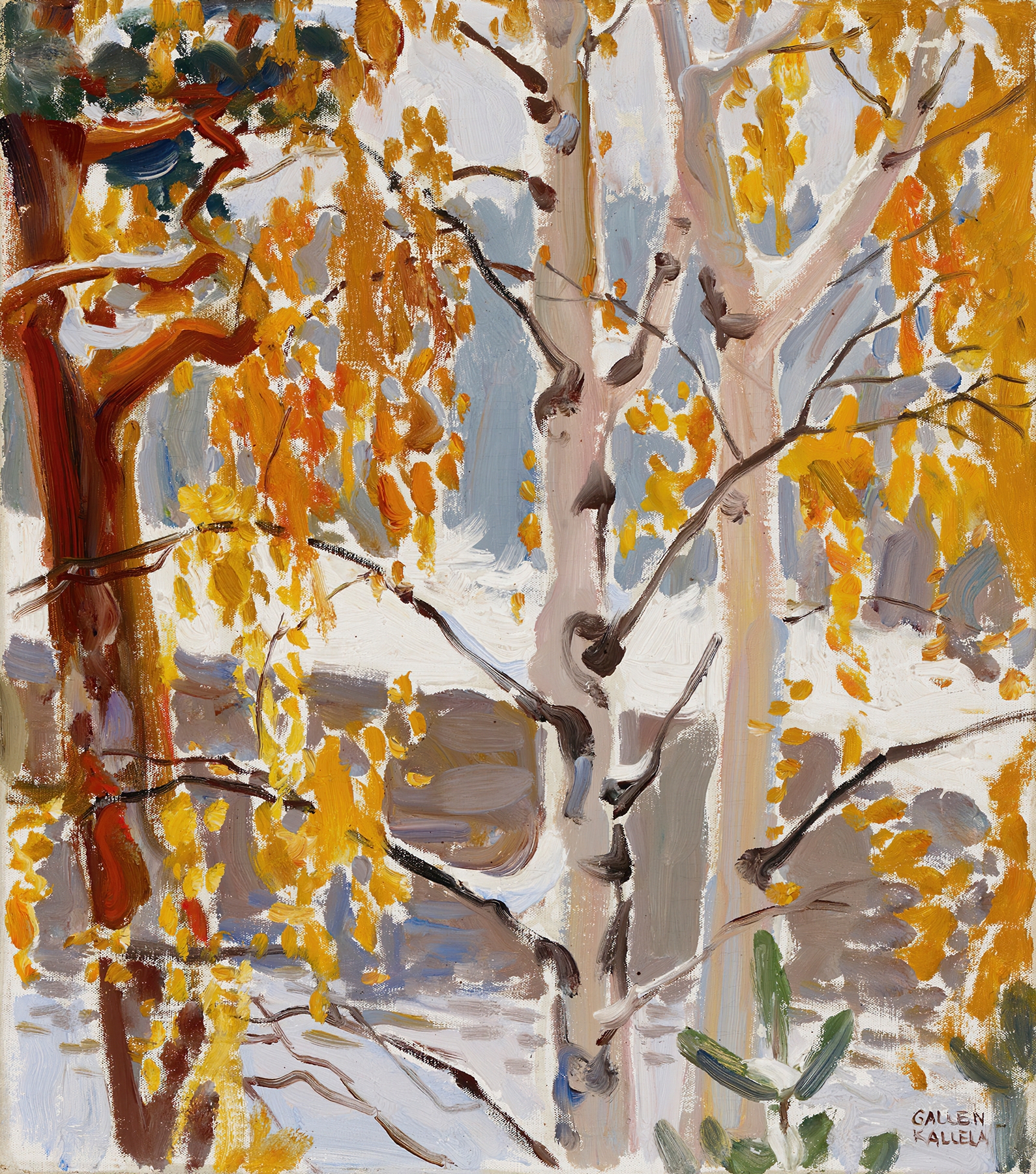
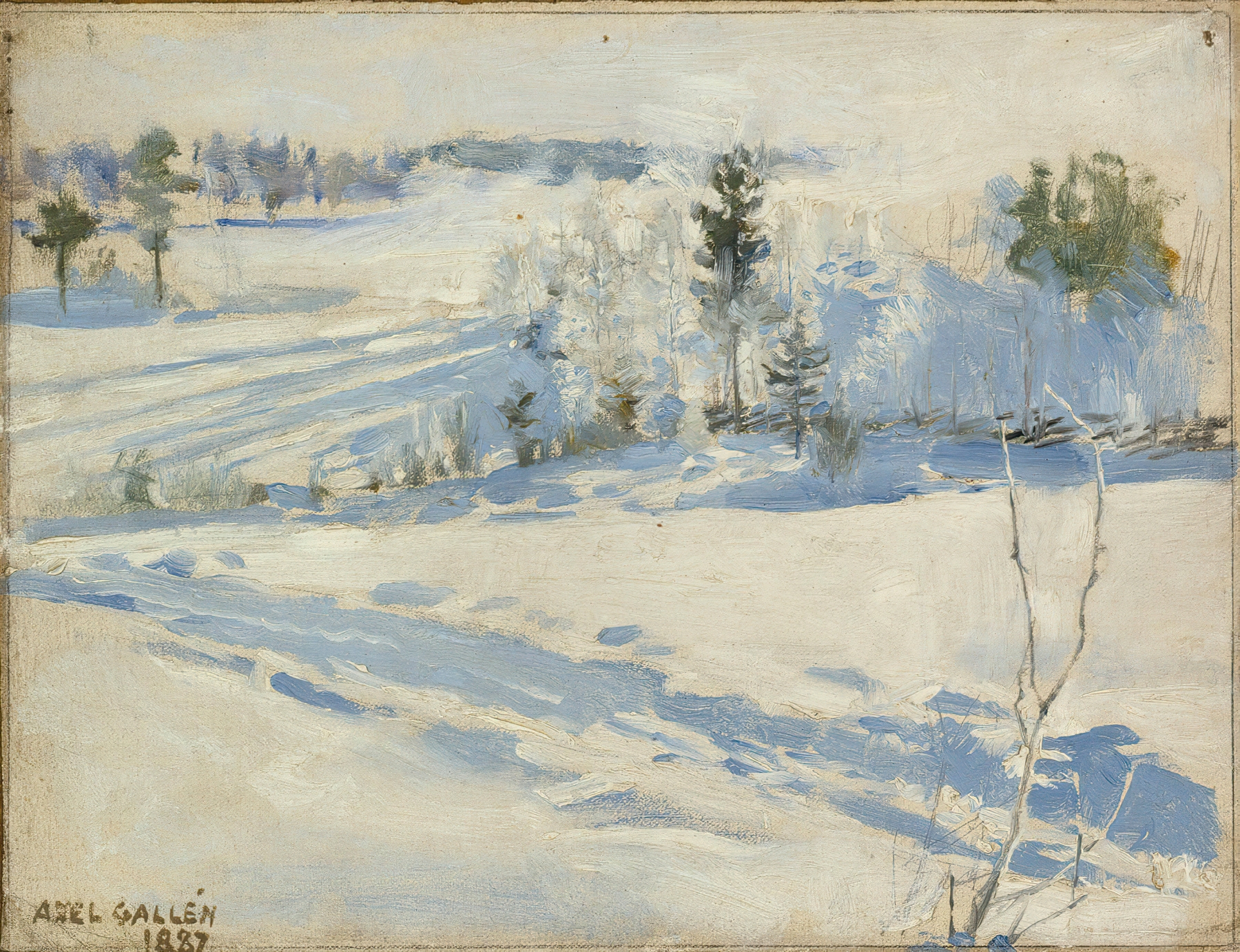
Kilima-Ndjaro, 22 VI — History & Analysis
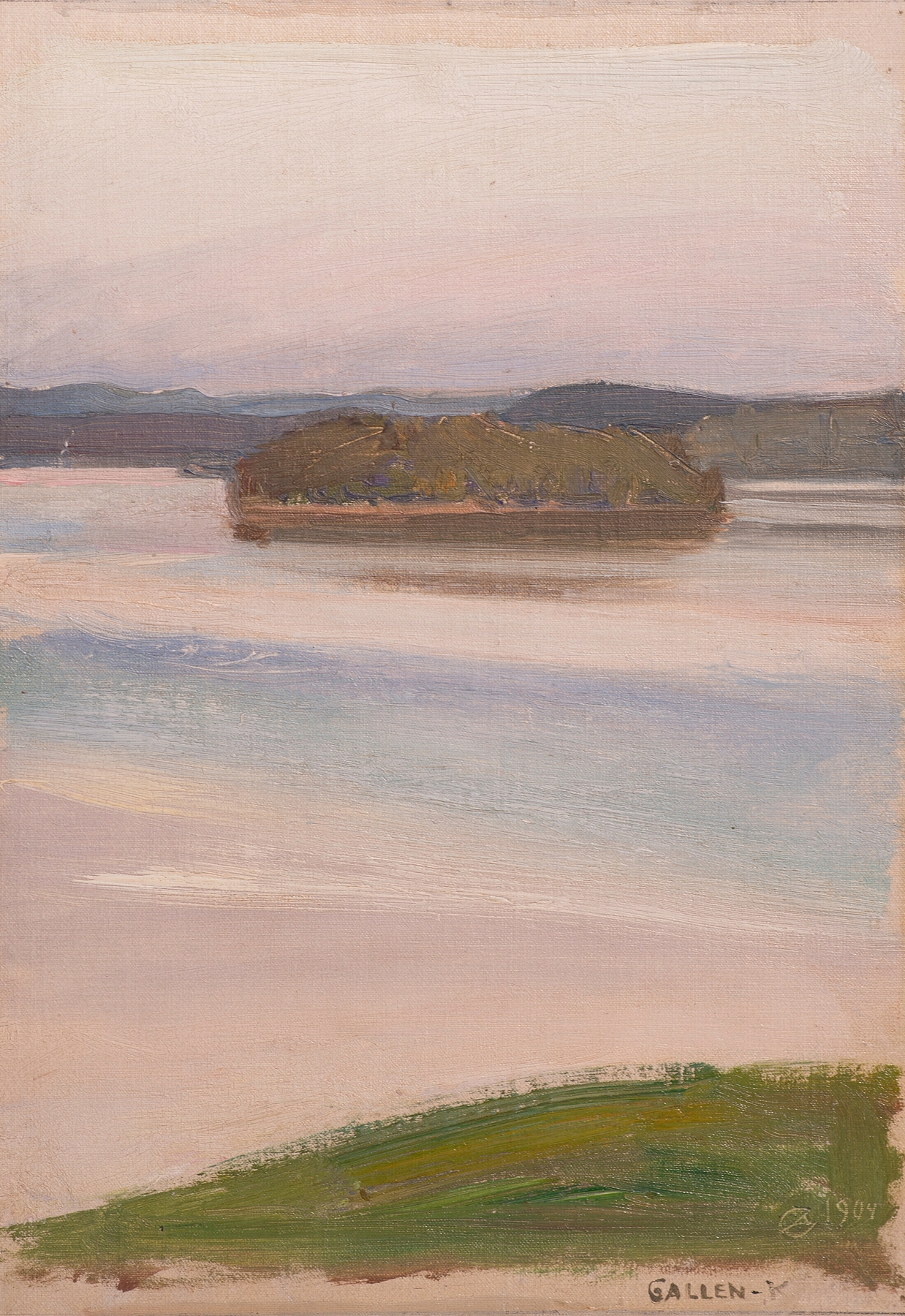
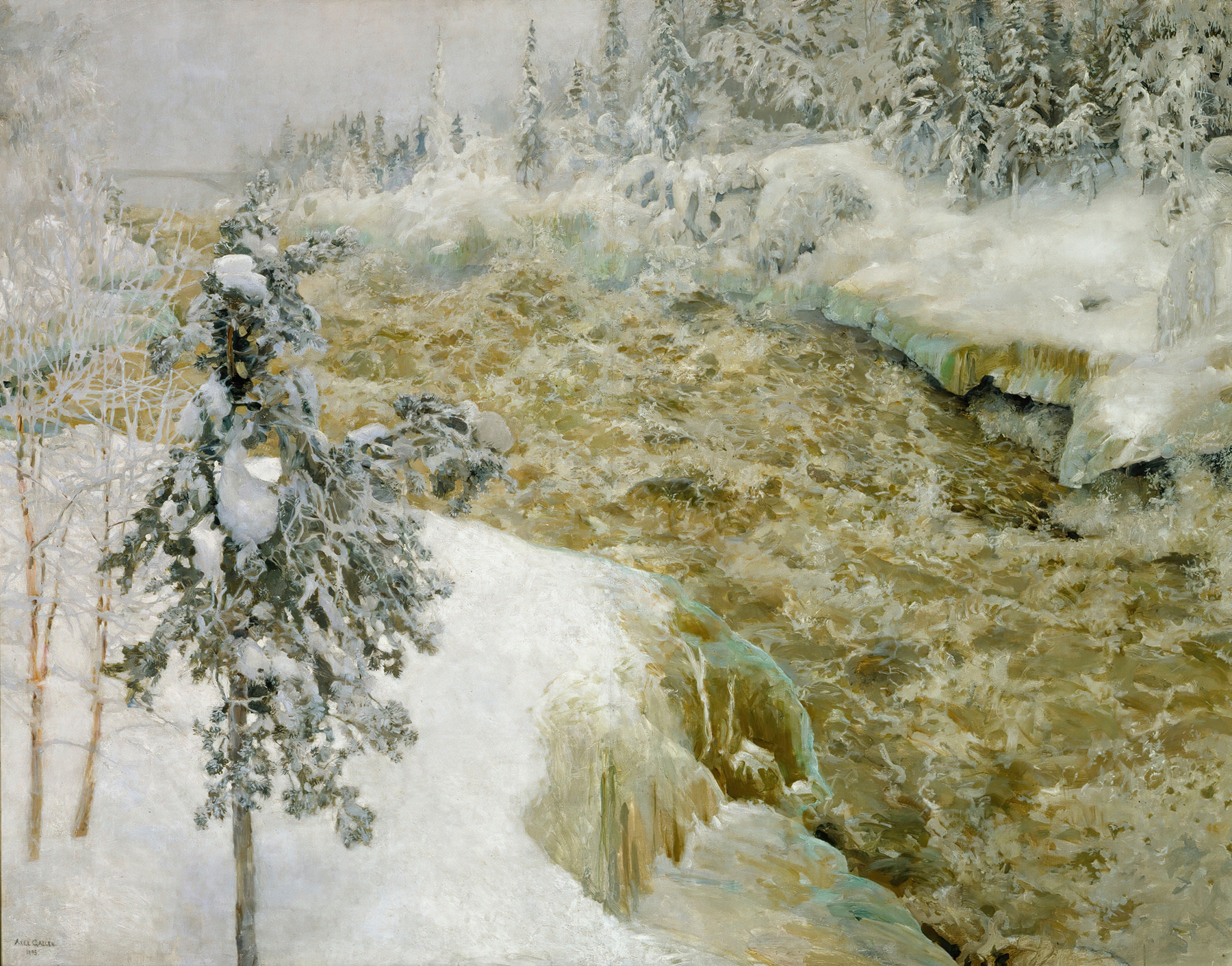
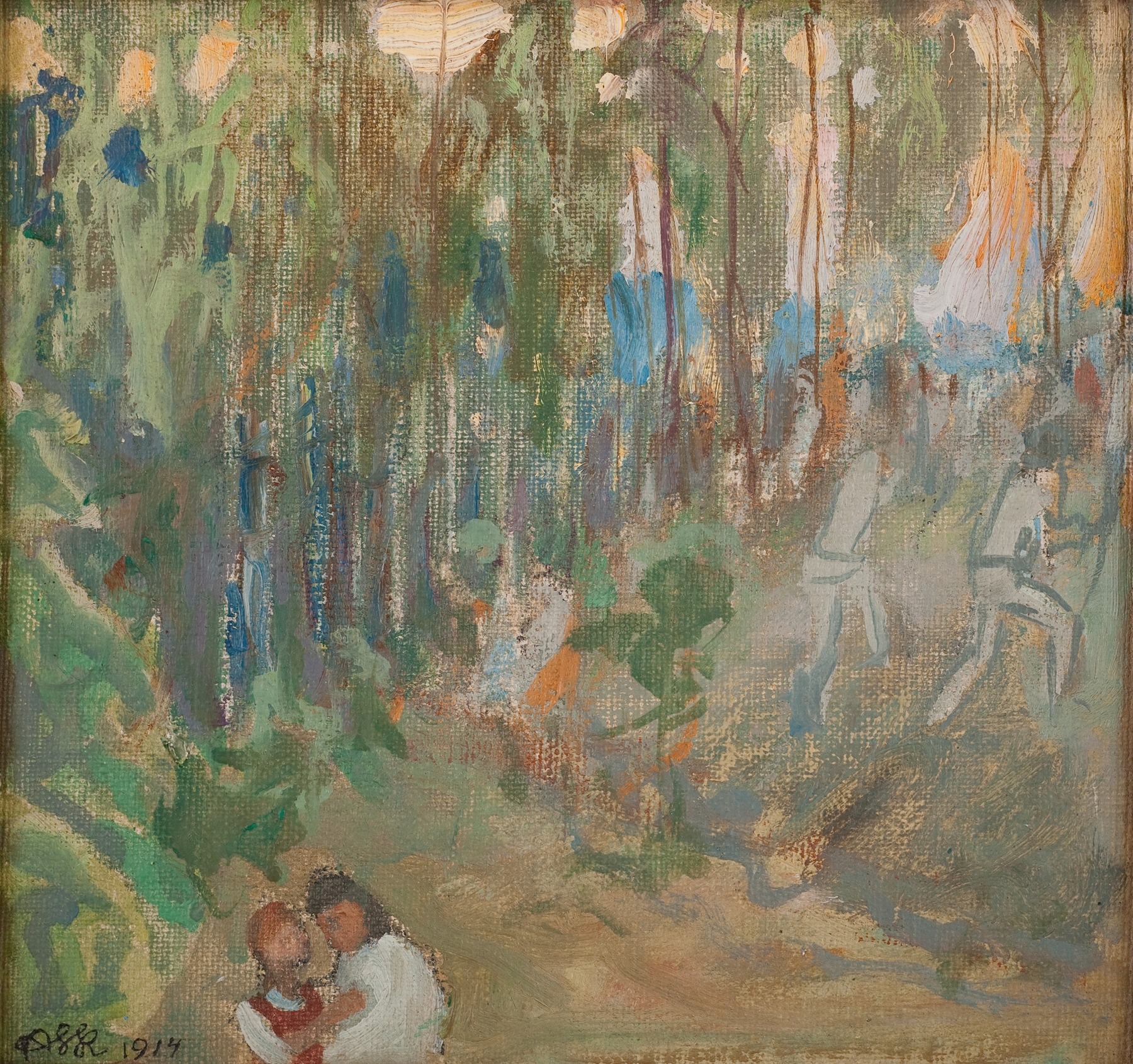
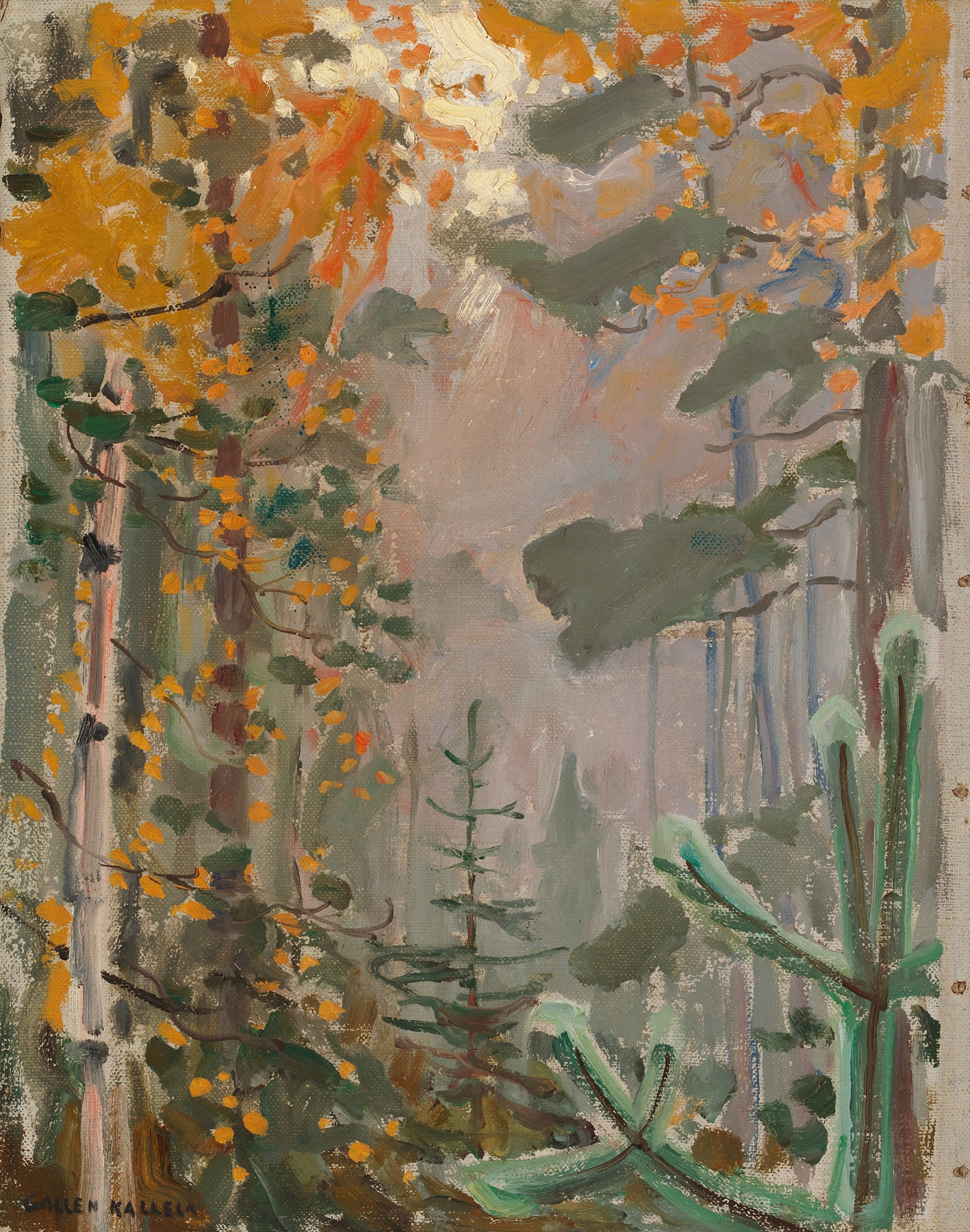
Did the painter know this moment would outlive them? The stillness of memory lingers in the cool blues and gentle whites of Kilima-Ndjaro, inviting reflection on what remains long after it fades. Focus on the majestic mountain that dominates the canvas, rising with quiet authority against a background of enveloping clouds. The artist's brush strokes seamlessly blend the icy peaks with the depth of an ethereal sky, evoking both awe and introspection.
The cool palette, punctuated by hints of warm earth tones below, draws the eye to the rugged terrain and hints at the untamed beauty of nature. Notice how light dances across the summit, illuminating it with a shimmering glow that seems to pulse with the beating heart of the landscape. The painting reflects not only the physical grandeur of Kilimanjaro but also the emotional landscape of memory and aspiration. The mountain symbolizes endurance and the passage of time, a silent witness to the myriad stories that unfold at its base.
The contrasting textures—the soft, inviting clouds against the rough, imposing rock—speak to the tension between serenity and the raw power of nature, capturing a moment that feels both fleeting and eternal. In 1909, Akseli Gallen-Kallela created this piece while residing in Finland, amid a burgeoning interest in national identity and symbolism in art. Drawing inspiration from nature and his travels, he sought to encapsulate the essence of landscapes that resonated deeply with him. During this time, Europe was experiencing rapid change, and the artist's work became reflective of both personal and collective memories, aiming to preserve the beauty he encountered for future generations.