The Kalela Porch — History & Analysis
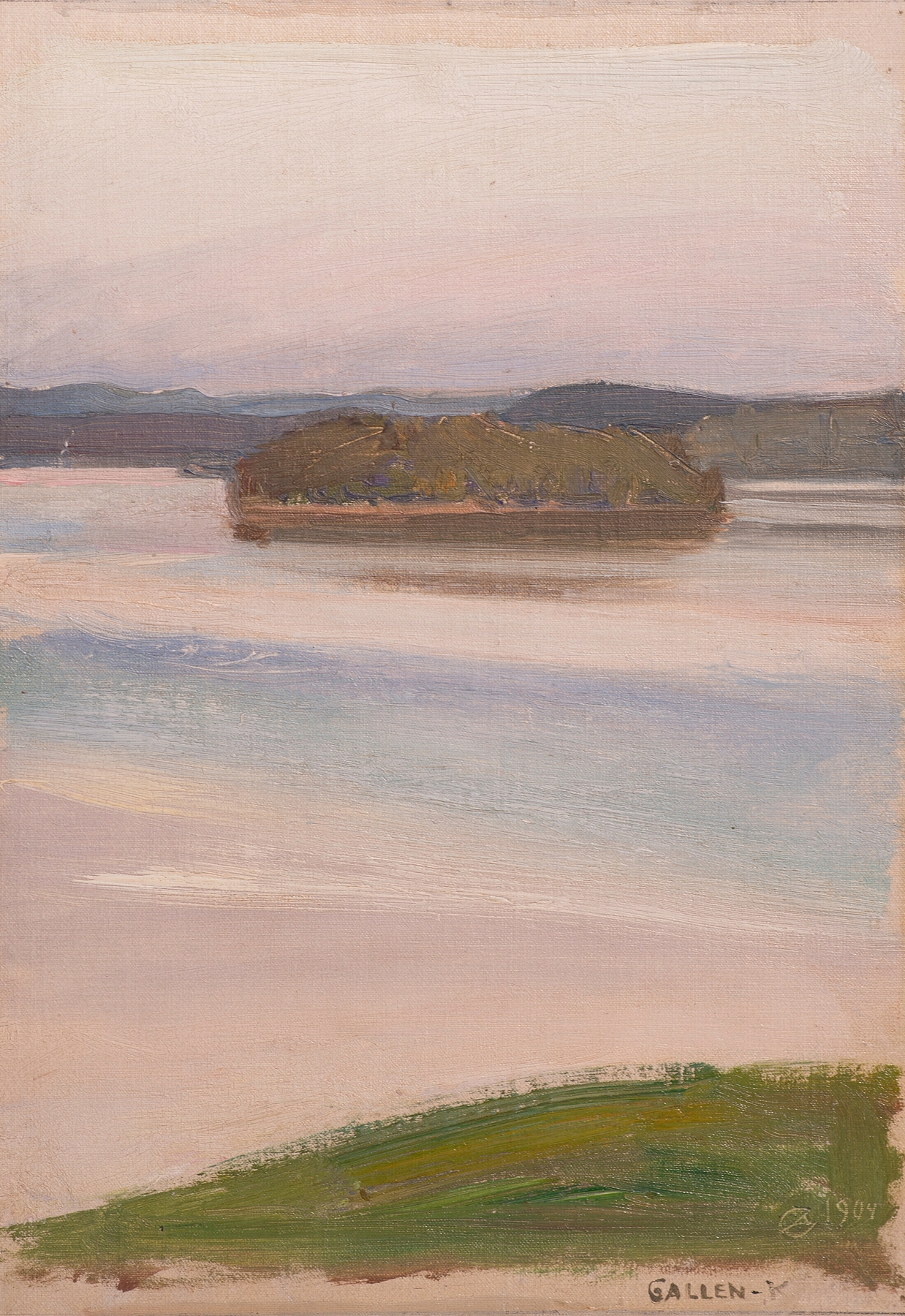
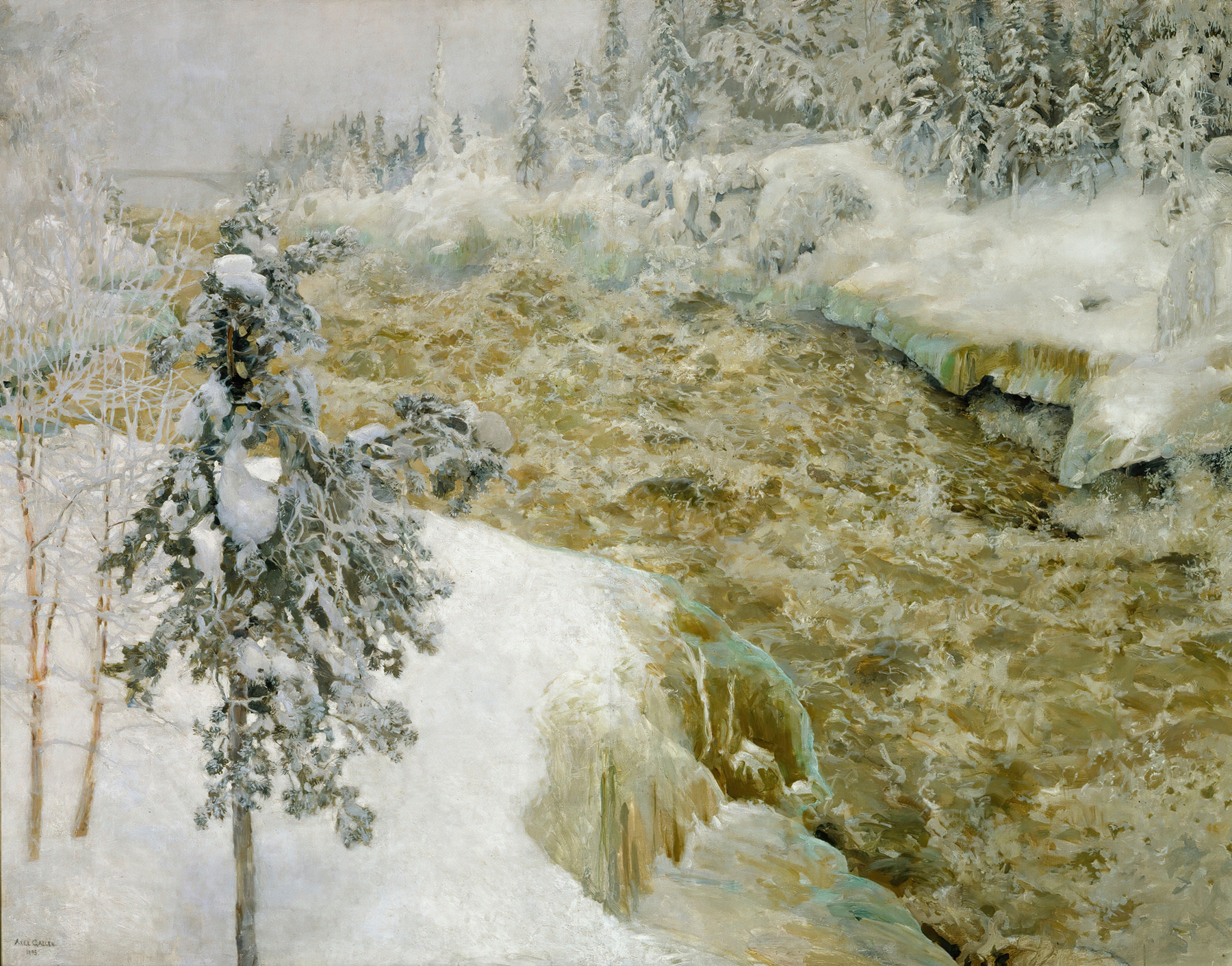
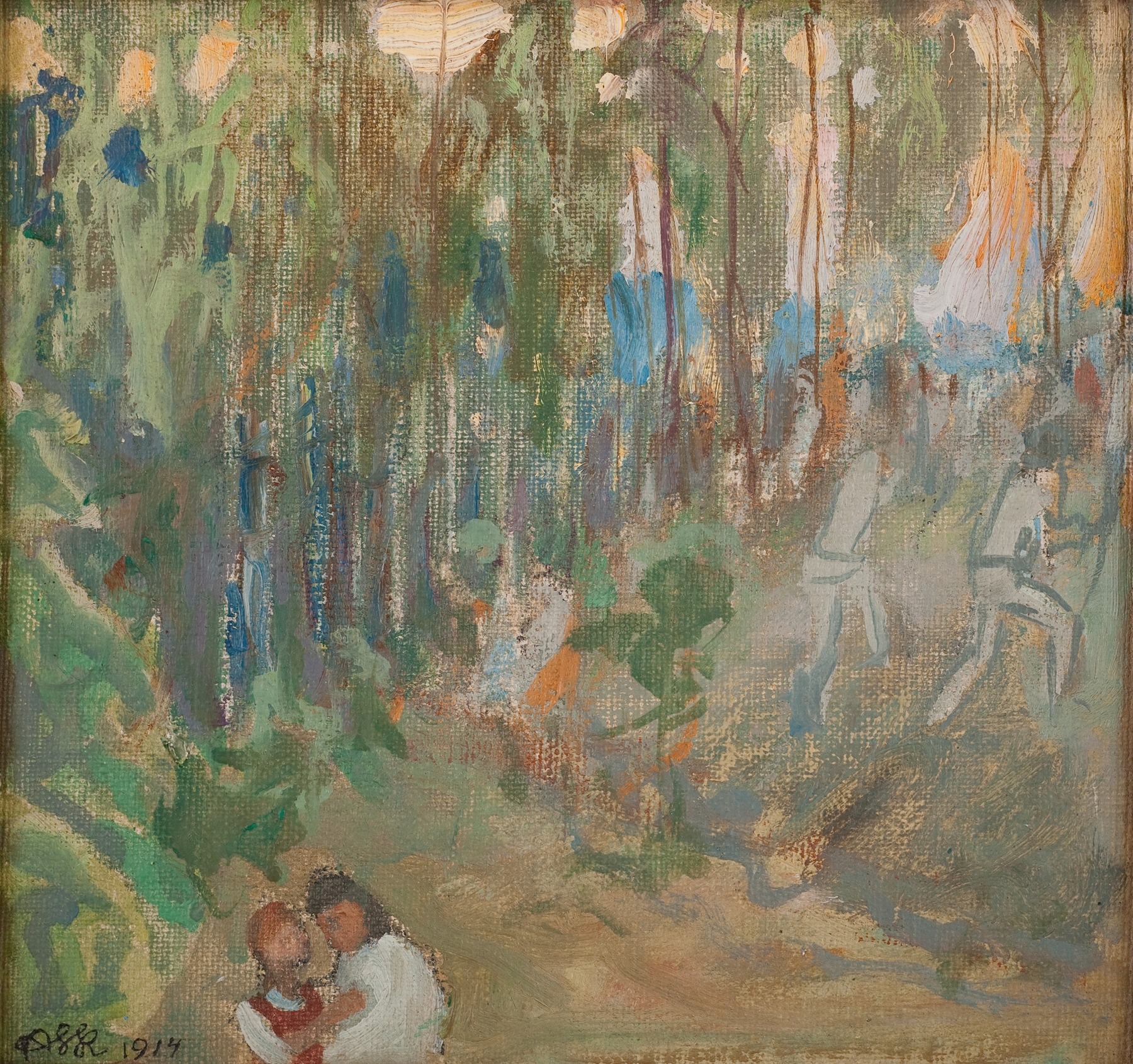
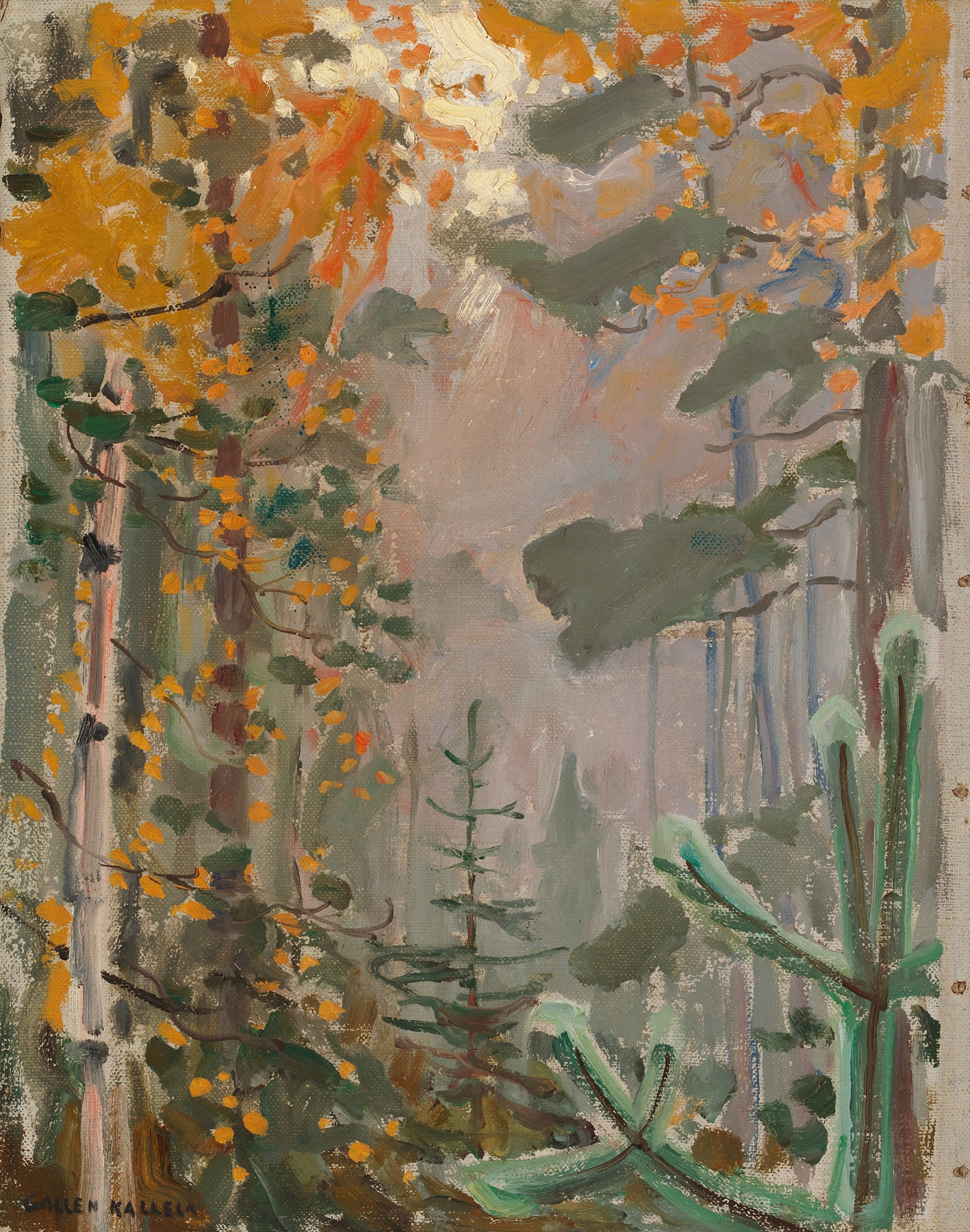
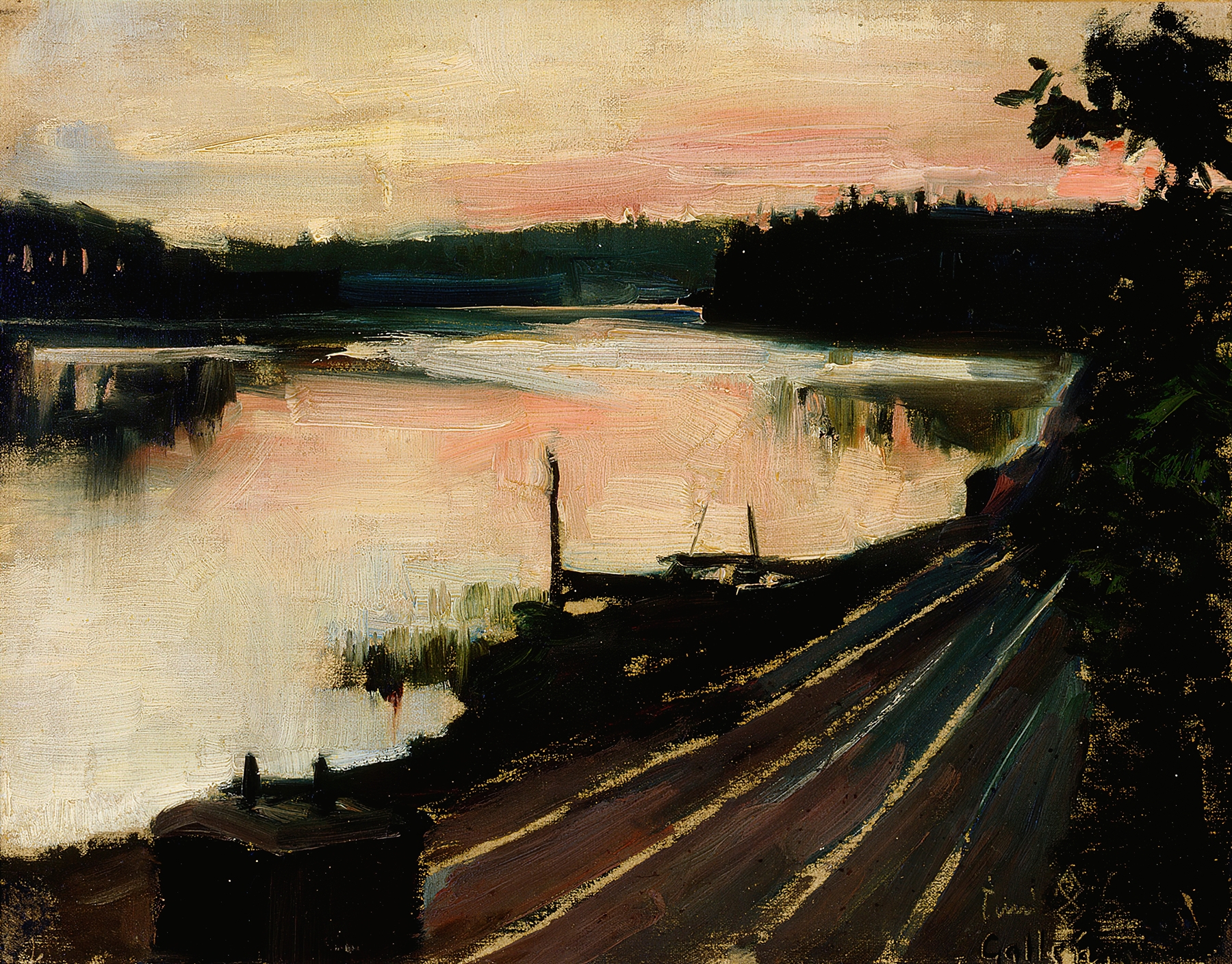
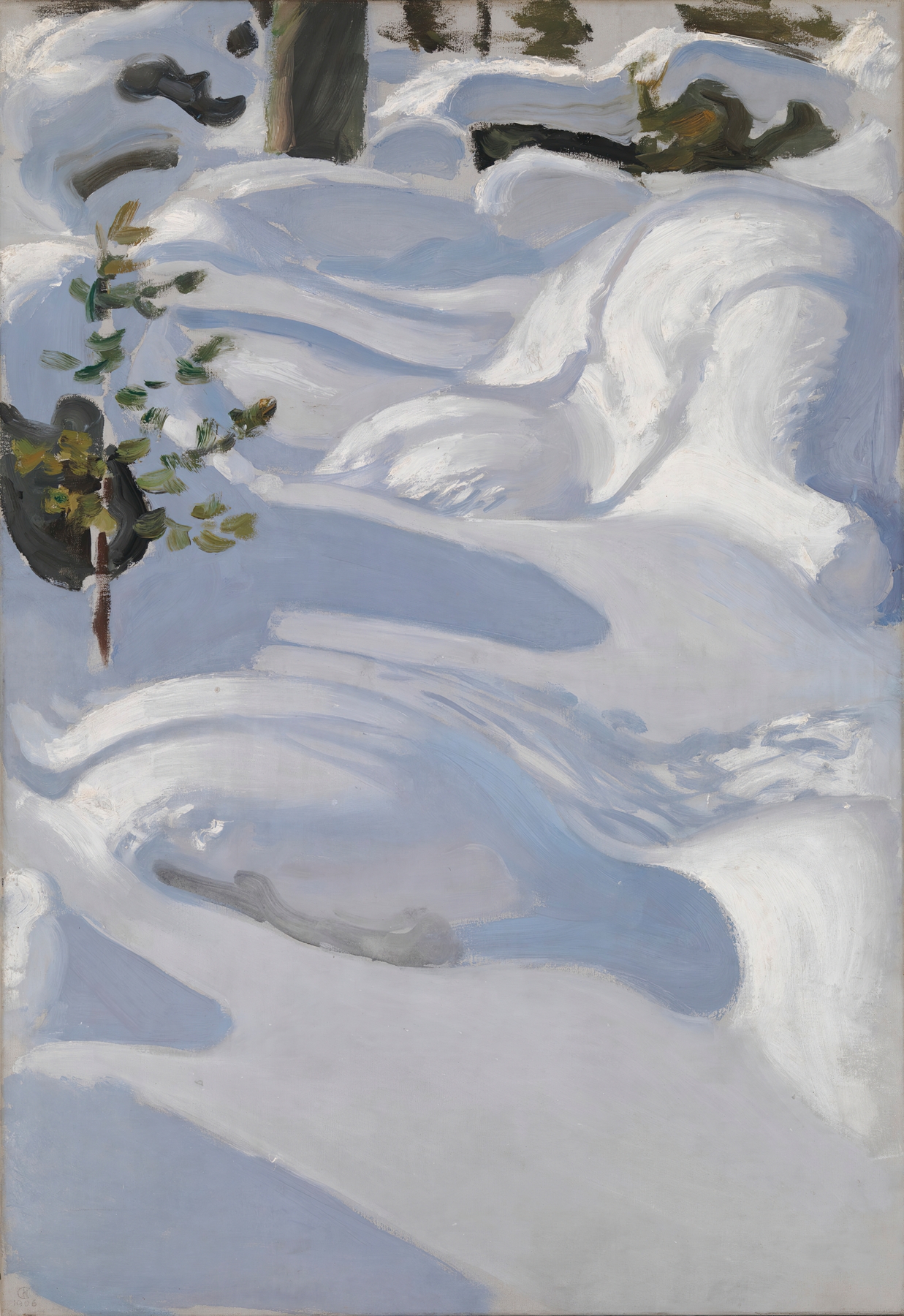
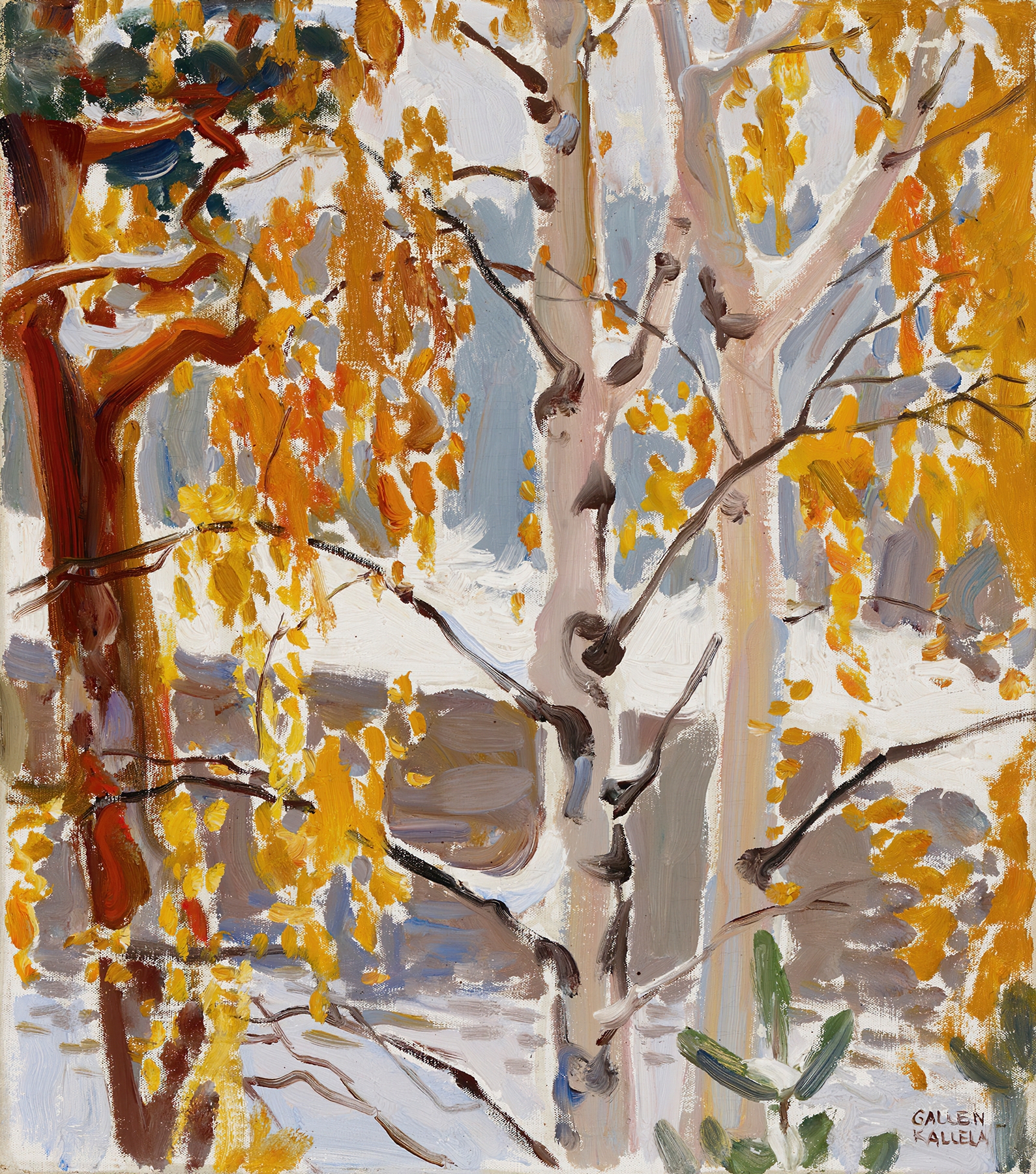
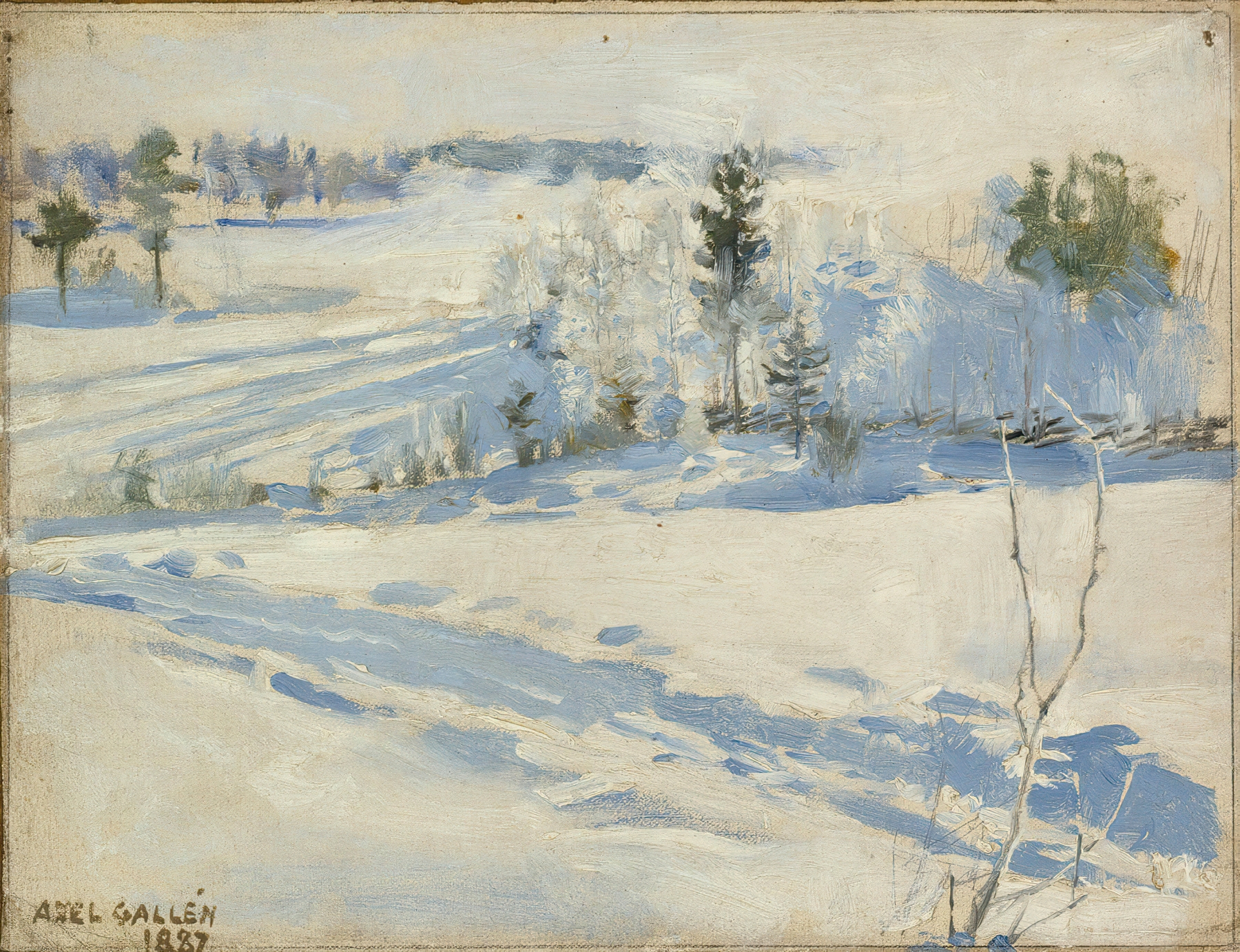
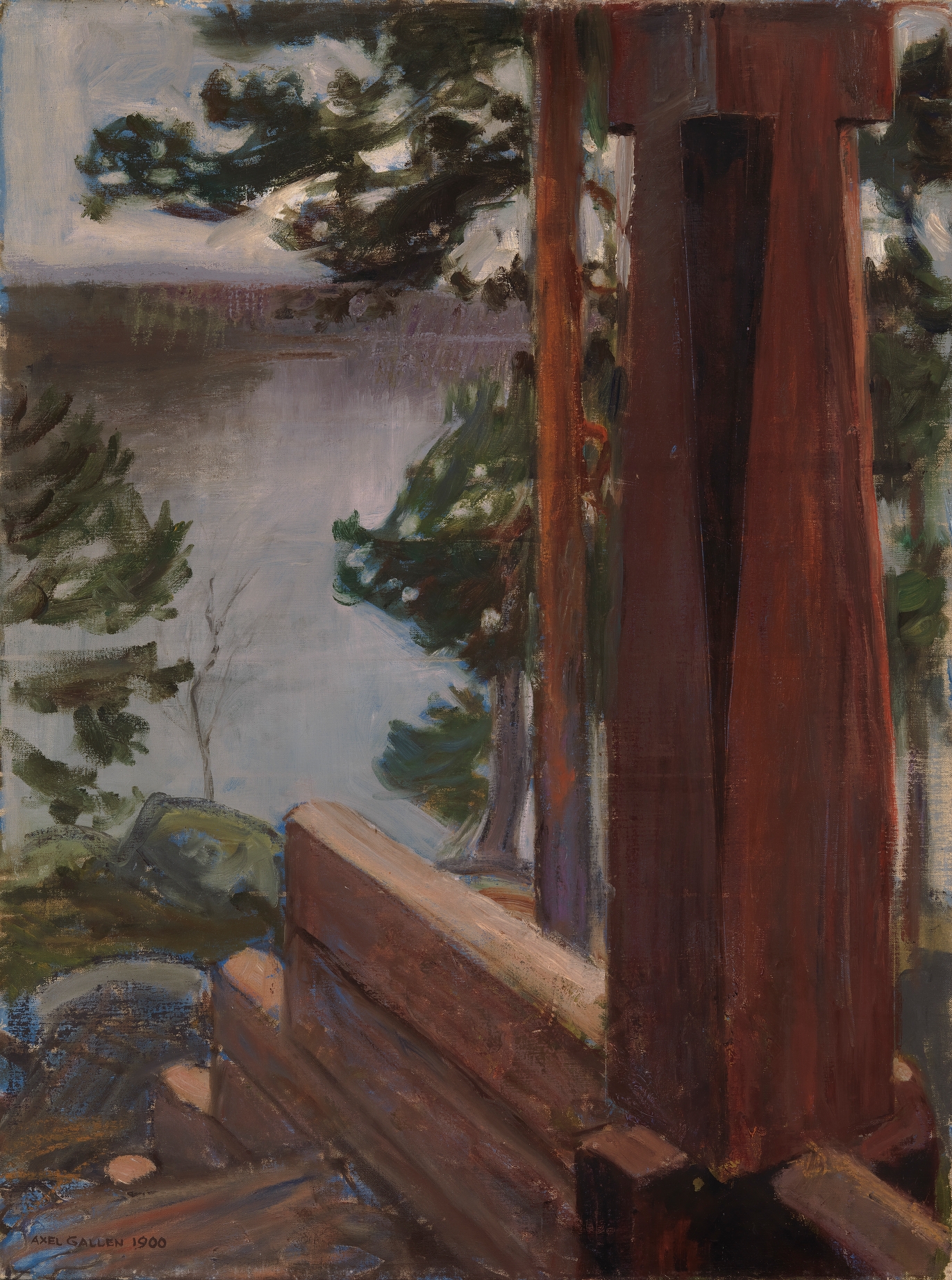
Can paint confess what words never could? The haunting beauty of decay whispers secrets of life’s transience, inviting the viewer to reflect on the remnants of existence. Focus first on the soft, muted colors that envelop the scene, where warm browns and muted greens blend effortlessly into the surrounding nature. The porch stands at an angle, drawing the eye toward the inviting, yet weathered wooden elements that signify both shelter and age. Notice how the light filters through the foliage, casting dappled shadows on the ground, highlighting the interplay between nature's embrace and human craftsmanship.
Each stroke reveals texture and depth, emphasizing the passage of time and neglect. Hidden within this tranquil scene lies a poignant contrast: the vibrancy of life against the inevitability of decay. The porch, a symbol of home and warmth, now shows signs of wear, suggesting stories of laughter and comfort intertwined with the silence of abandonment. This duality speaks to the heart—each crack and splinter a testament to moments once cherished, now left to fade away in the quiet embrace of nature.
The greenery creeping close hints at the cycle of life reclaiming what mankind has built, urging us to confront our relationship with impermanence. In 1900, while creating this piece, Gallen-Kallela was immersed in the Finnish National Romantic movement, exploring themes of identity, folklore, and a deep connection to nature. This was a time of cultural awakening in Finland, as the country sought to define itself through art and narrative. The artist's own life was marked by personal struggles, and his work often reflected the tension between the human experience and the natural world, making The Kalela Porch a quintessential expression of that era.