Winter Landscape — History & Analysis
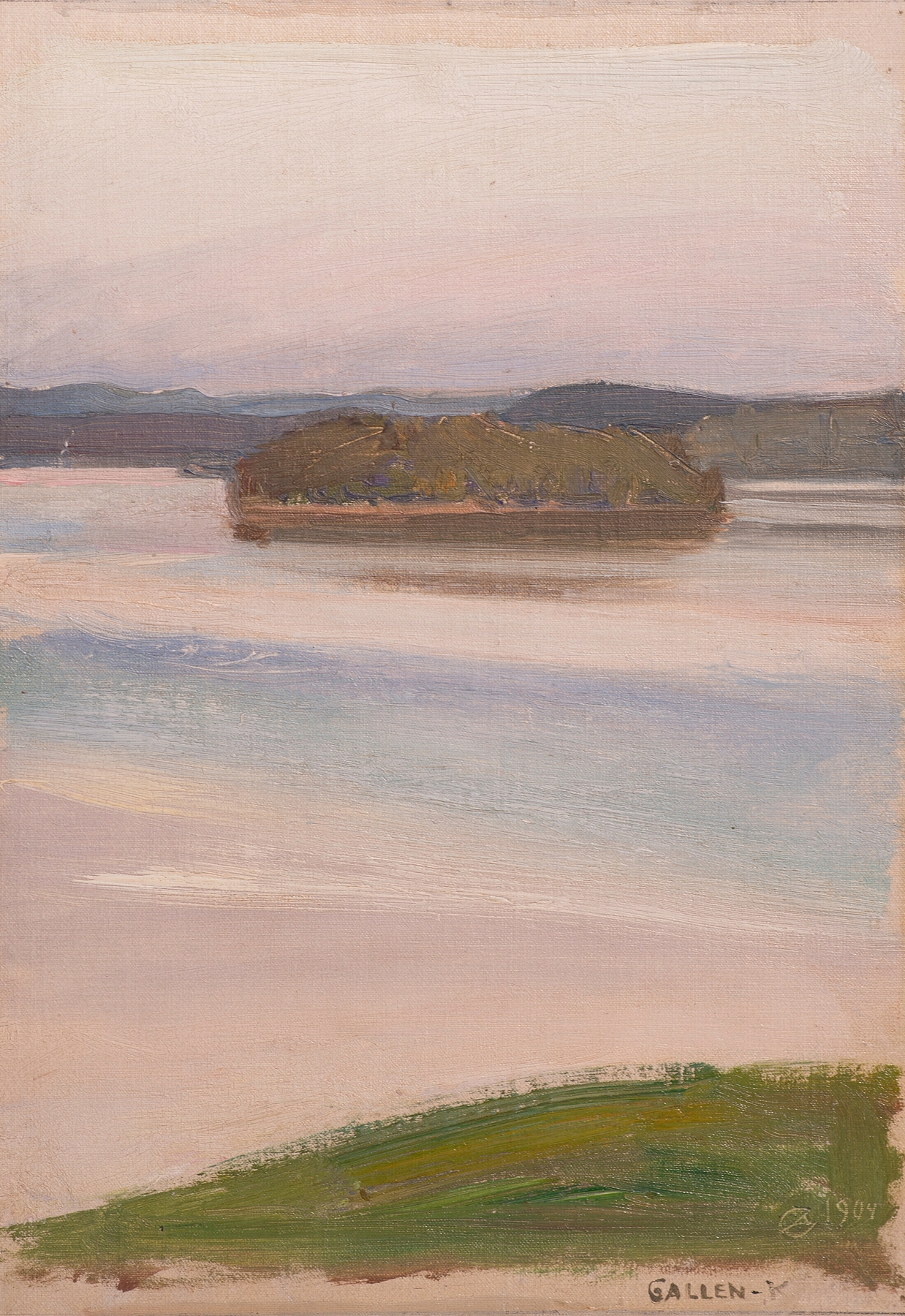
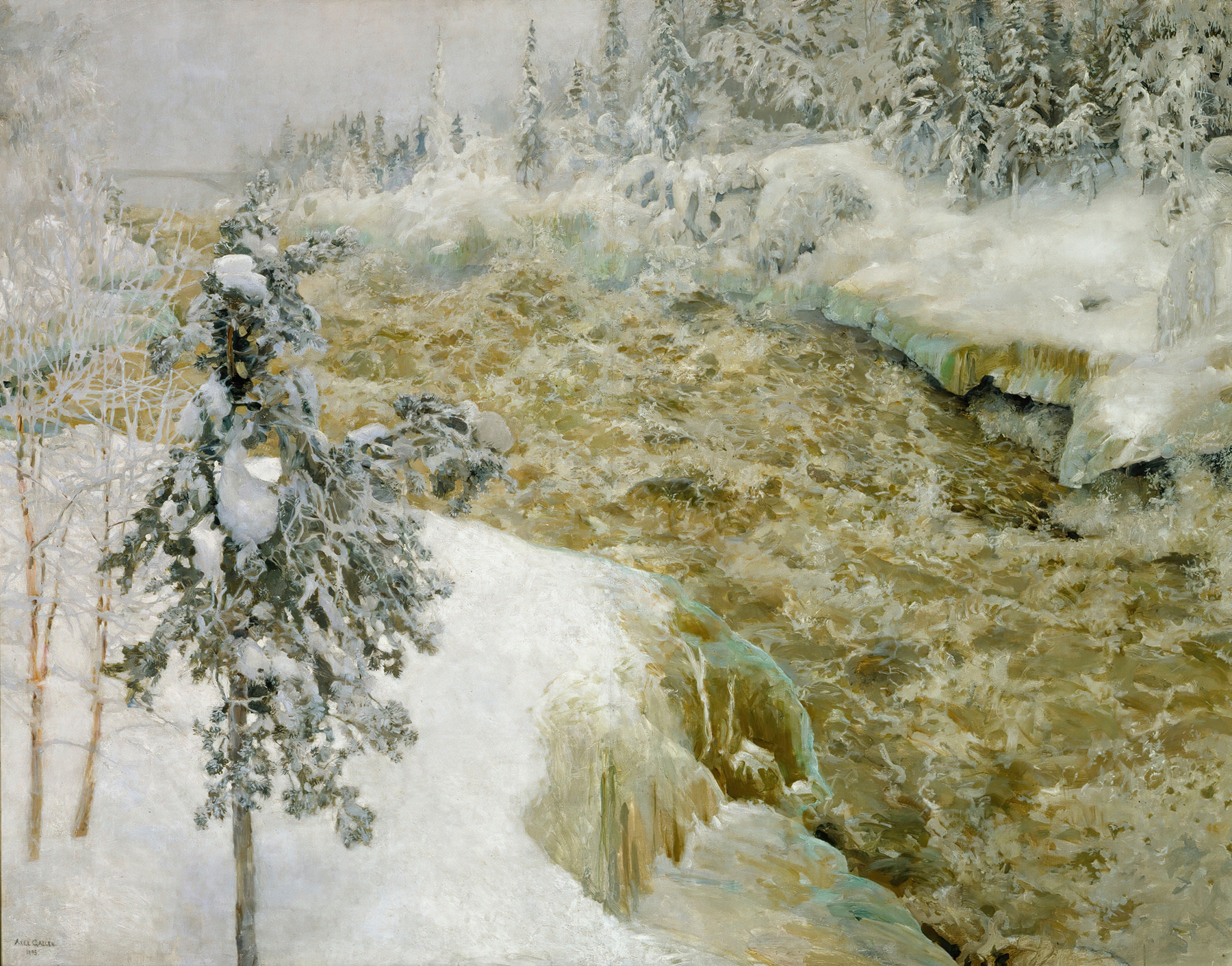
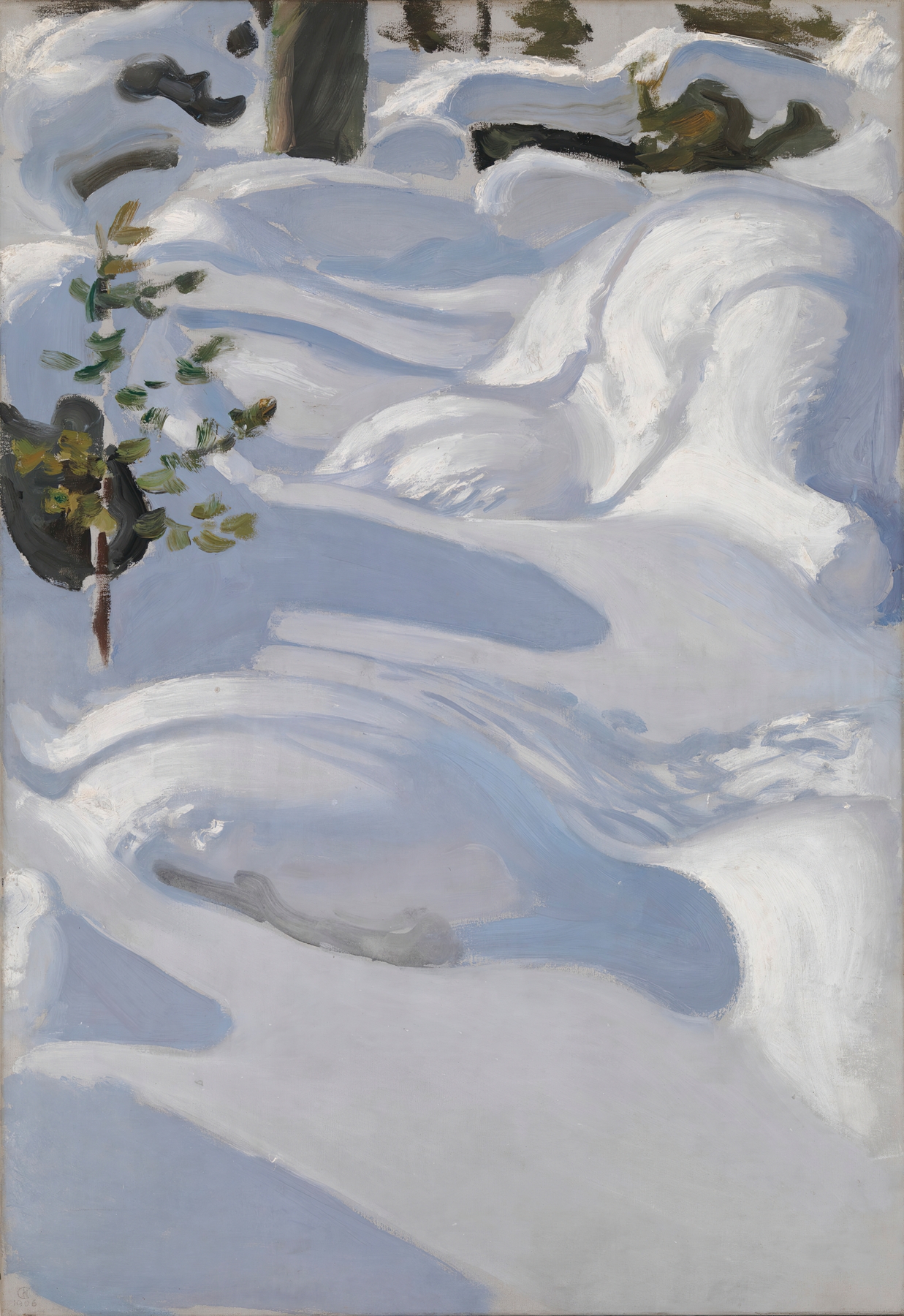
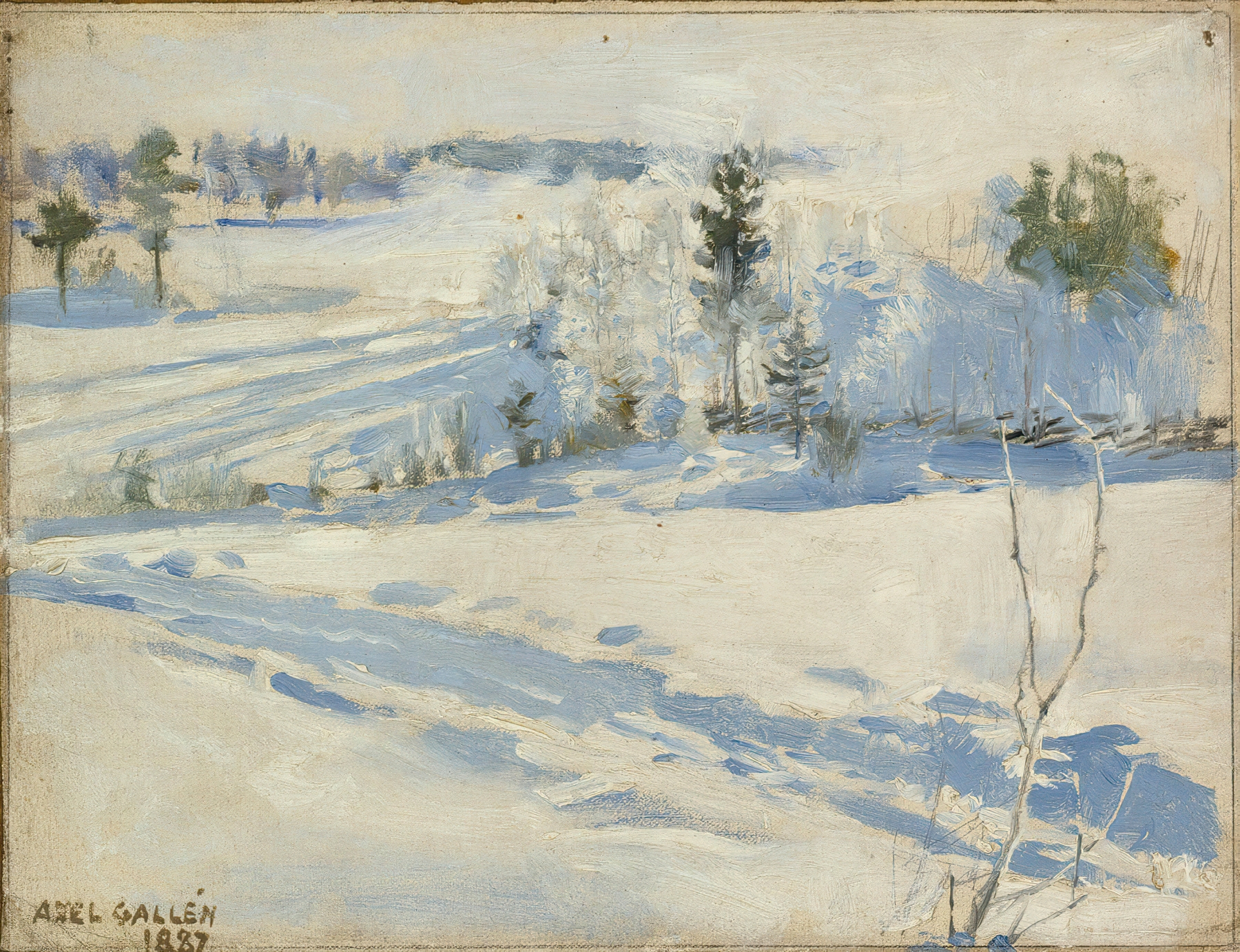
Who listens when art speaks of silence? In Winter Landscape, the stillness of a snow-covered expanse awakens a profound sense of introspection and solitude, inviting the viewer into a contemplative embrace of nature's quiet elegance. Focus on the pale blue sky that stretches across the canvas, a whisper of color that contrasts with the soft, white blanket of snow below. The horizon gently curves, guiding your gaze toward the distant, serene forest, where dark evergreen trees stand like sentinels against the purity of winter.
The interplay of light and shadow dances across the surface, revealing the texture of the snow and suggesting a barely perceptible chill in the air. Beneath the serene surface, the painting speaks of deeper emotional tensions—the solitude experienced in nature, the silent conversations between the trees, and the weight of snow that signifies both peace and isolation. The subtle brushwork captures the fleeting moment of winter, evoking the paradox of beauty and desolation.
Each detail, from the delicate patterns in the snow to the muted tones of the landscape, reveals an awakening to the inner life of the scene, resonating with themes of stillness and reflection. In 1887, Akseli Gallen-Kallela painted this piece during his formative years in Finland, a time marked by a growing national consciousness in the arts. As he was influenced by both the Symbolist movement and the natural beauty surrounding him, Gallen-Kallela sought to express a connection between the landscape and the human soul, capturing the essence of a Finnish winter that is at once stark and profoundly beautiful.