Autumn Landscape — History & Analysis
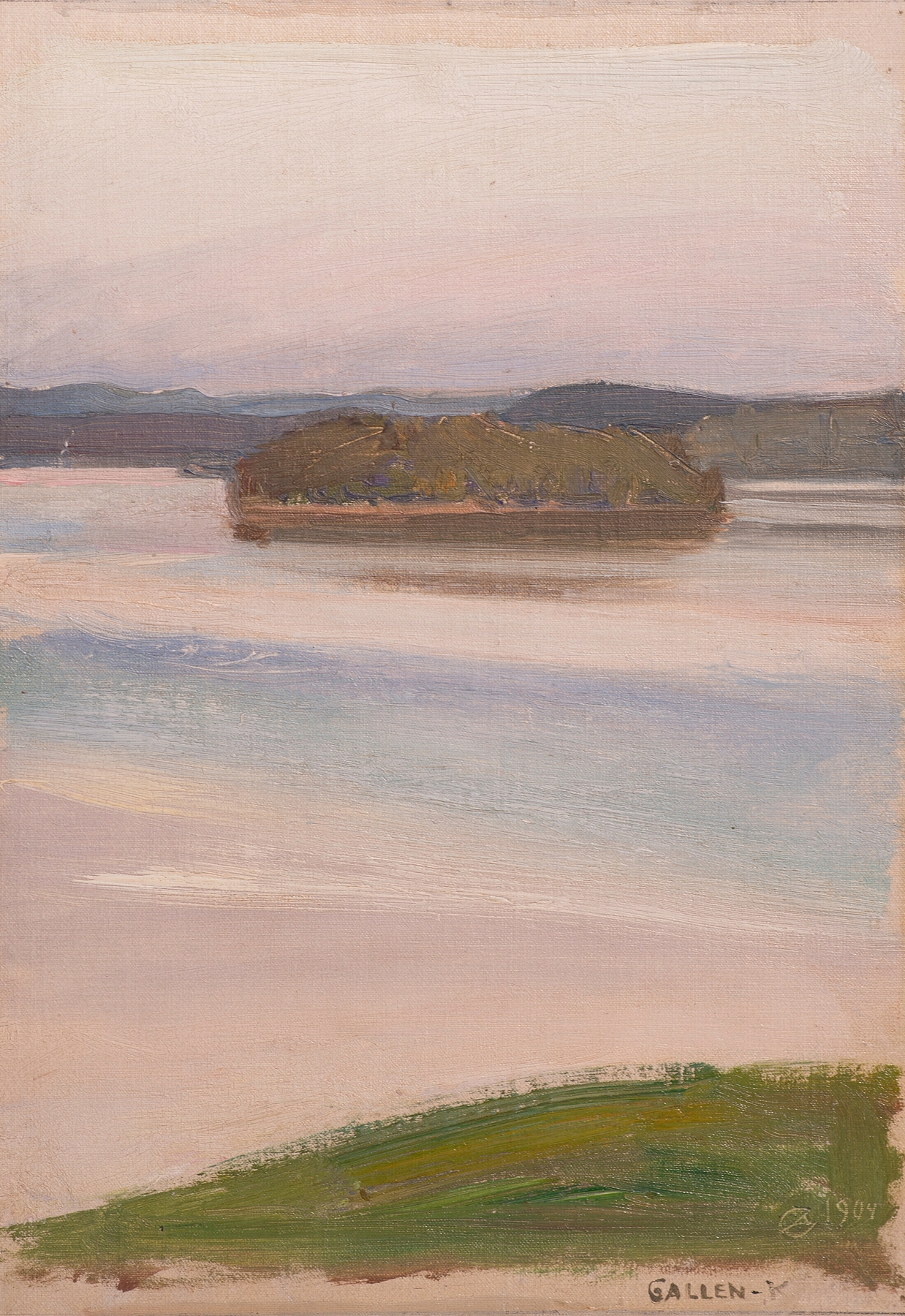
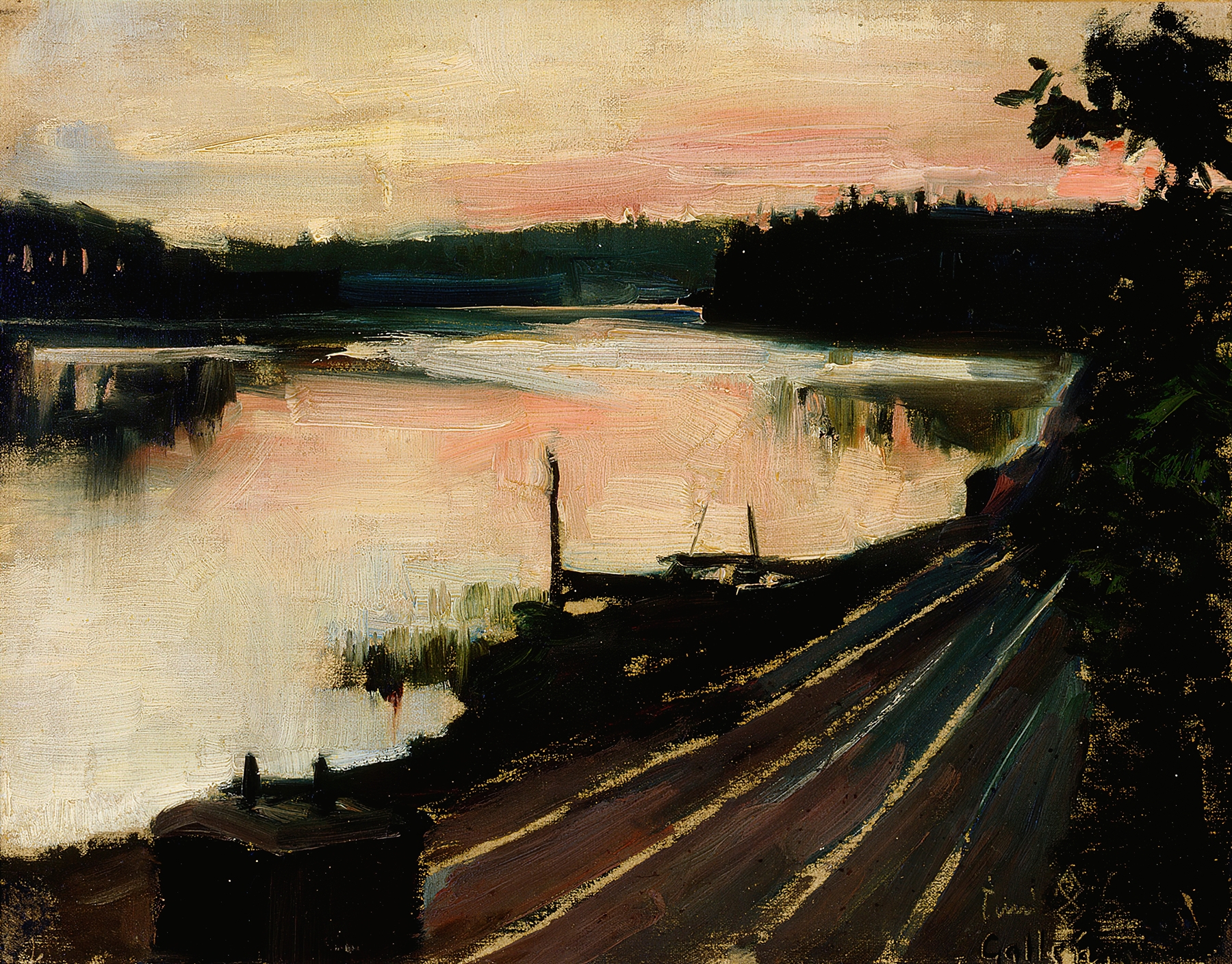
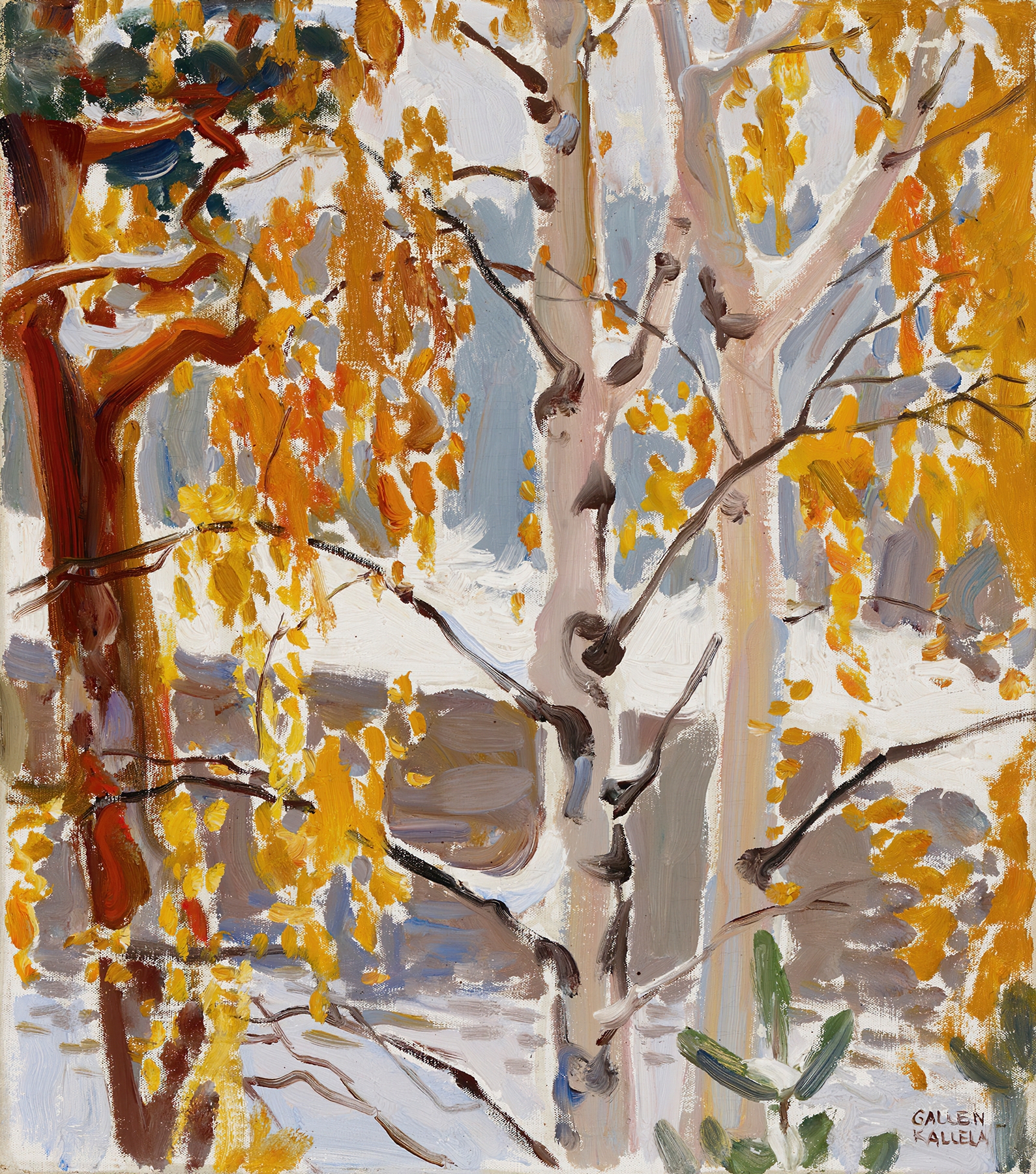
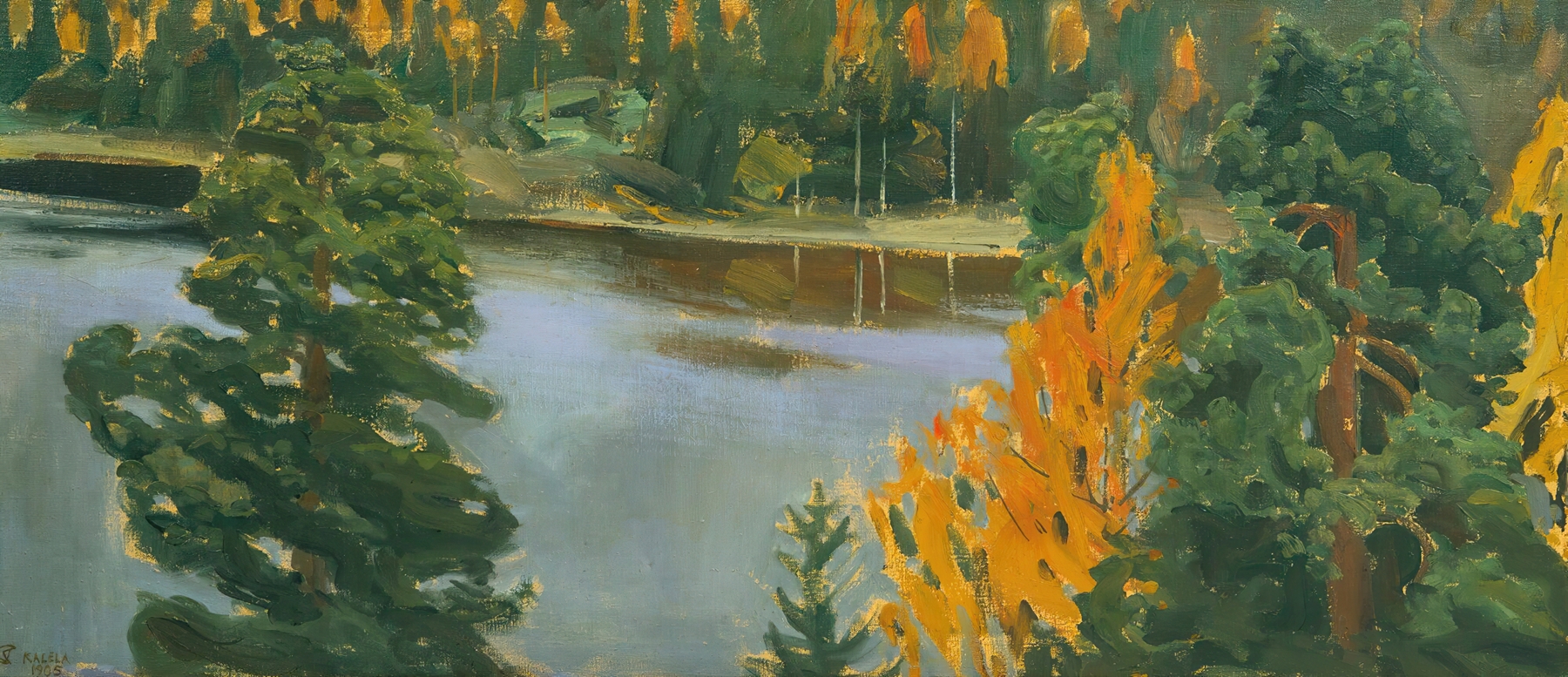
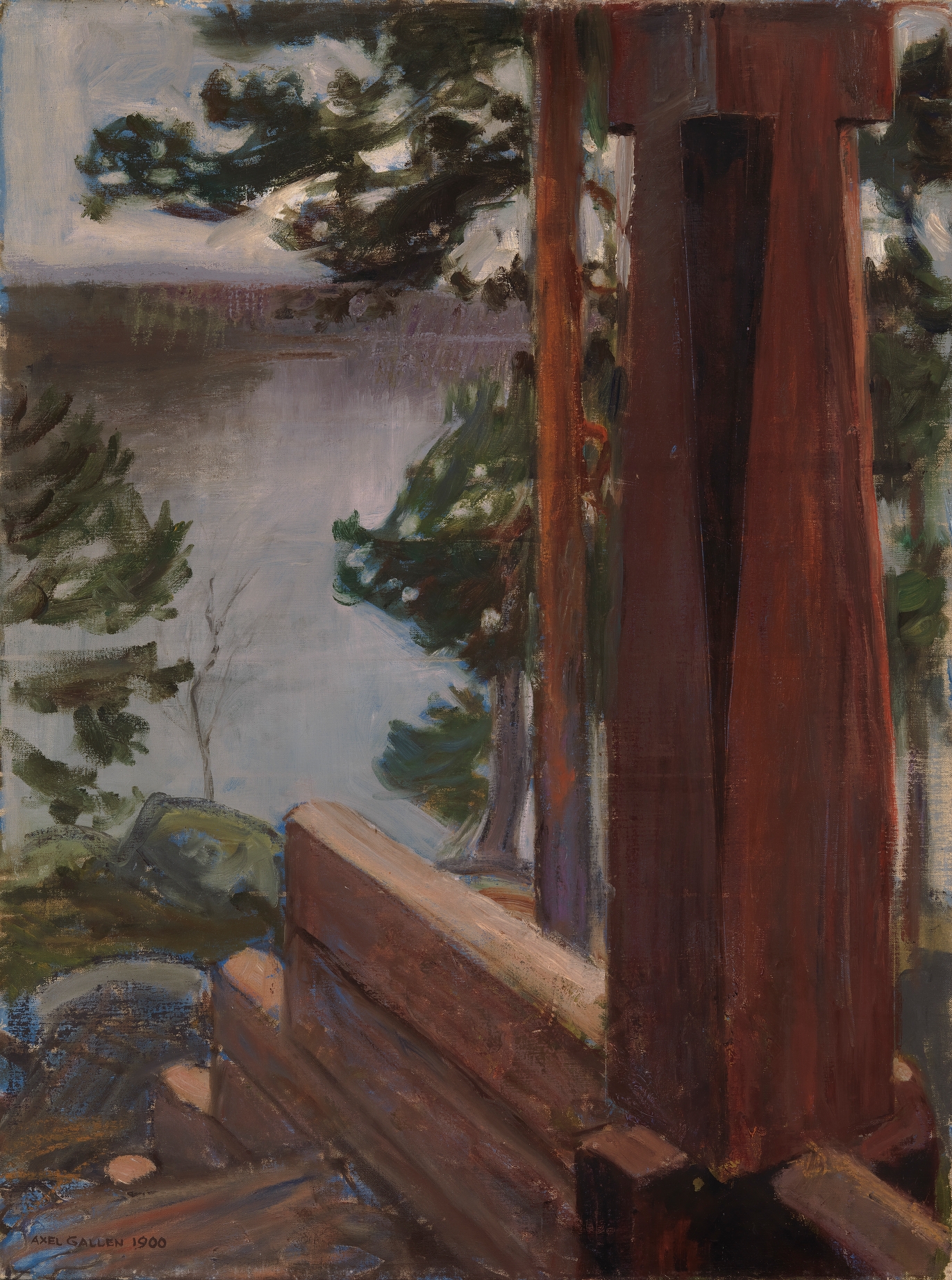
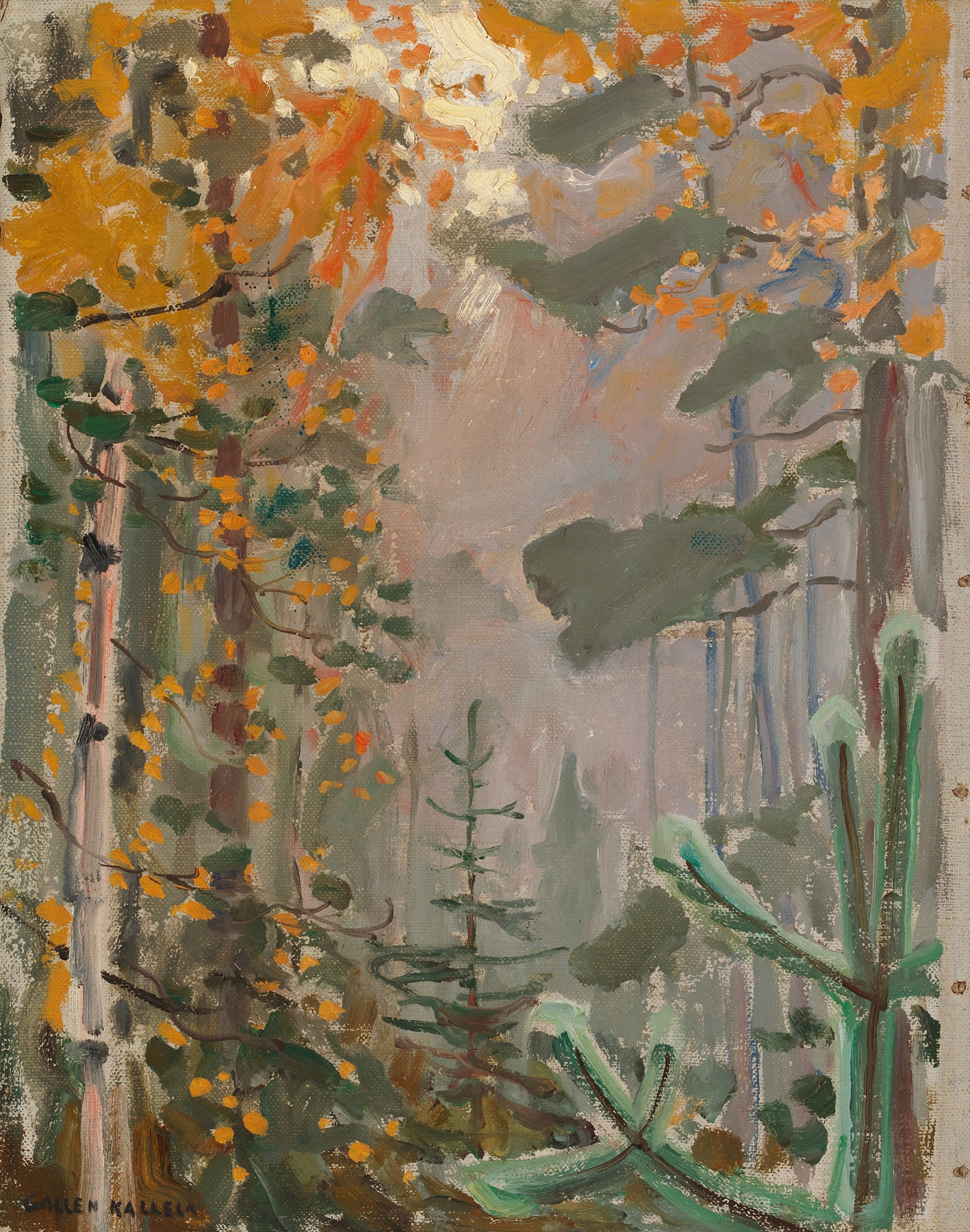
Can paint confess what words never could? In the tranquility of Autumn Landscape, the silence of nature speaks volumes, inviting us to listen closely to its quiet confessions. Look to the foreground, where a gentle slope embraces a serene lake, reflecting the fiery autumn hues of yellows and reds. The brushwork is both energetic and contemplative, with strokes that suggest movement while simultaneously drawing the viewer into a still moment. Notice how the light dances across the water’s surface, creating a shimmering effect that contrasts with the solid, earthy tones of the trees.
The composition is balanced yet dynamic, leading the eye along the winding path that seems to beckon wanderers into the tranquil embrace of the landscape. Beneath the surface beauty lies a profound emotional tension between serenity and solitude. Each tree stands tall, yet there’s a palpable sense of isolation that suggests the weight of introspection. The vibrant colors of fall signify both the beauty of change and the inevitability of decay, inviting reflections on life's cycles.
It’s a moment suspended in time, where nature’s splendor coexists with the quiet melancholy of transition. In 1911, Autumn Landscape was created during a period of introspection for Akseli Gallen-Kallela, reflecting his deep connection to the Finnish landscape. At this time, he sought to capture not only the physical beauty around him but also the emotional resonance of place, a quest that paralleled the broader movements in art toward symbolism and expressionism. The world was on the brink of change, yet here, Gallen-Kallela found solace in the silence of autumn’s embrace.