Lake View In Autumn — History & Analysis
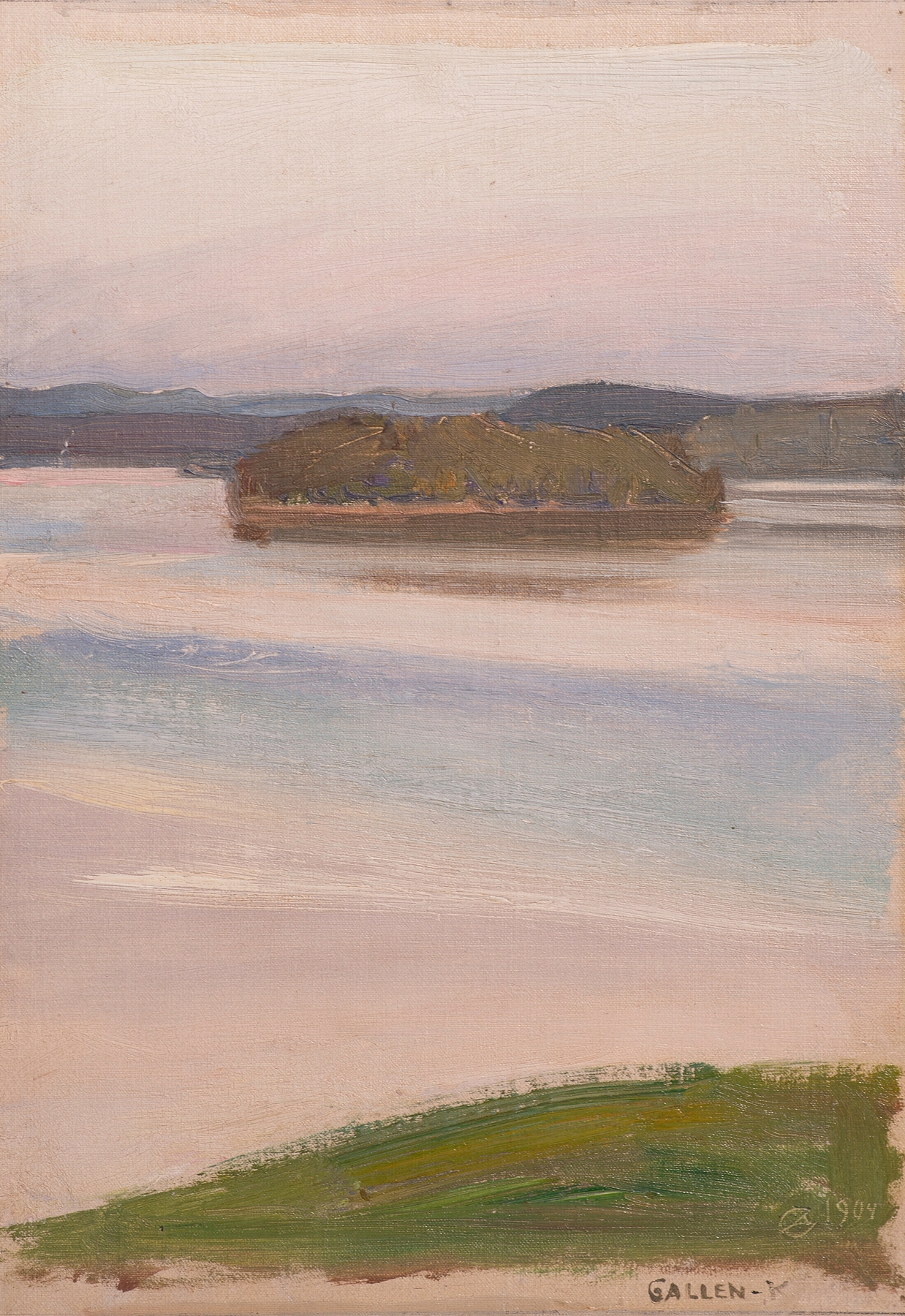
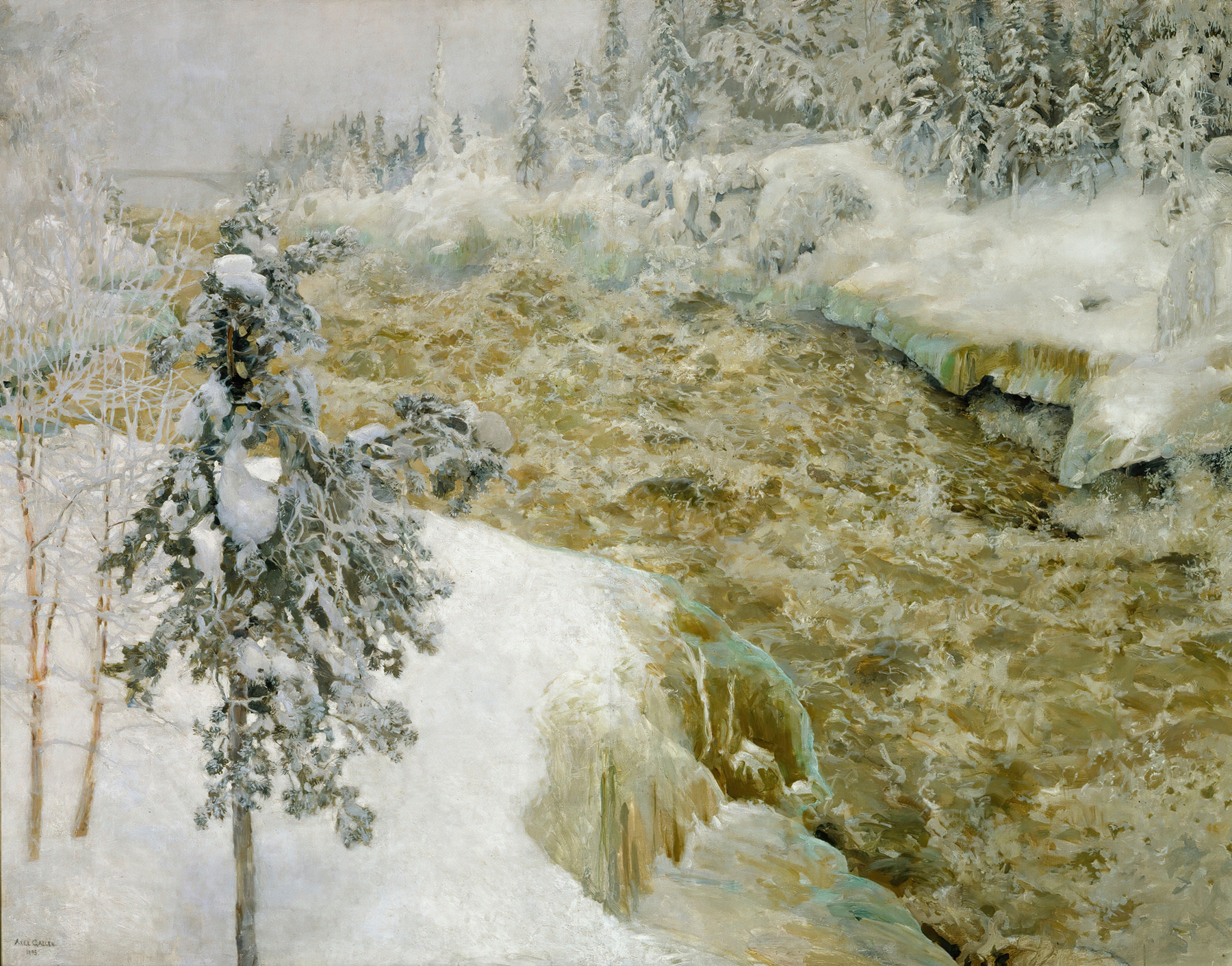
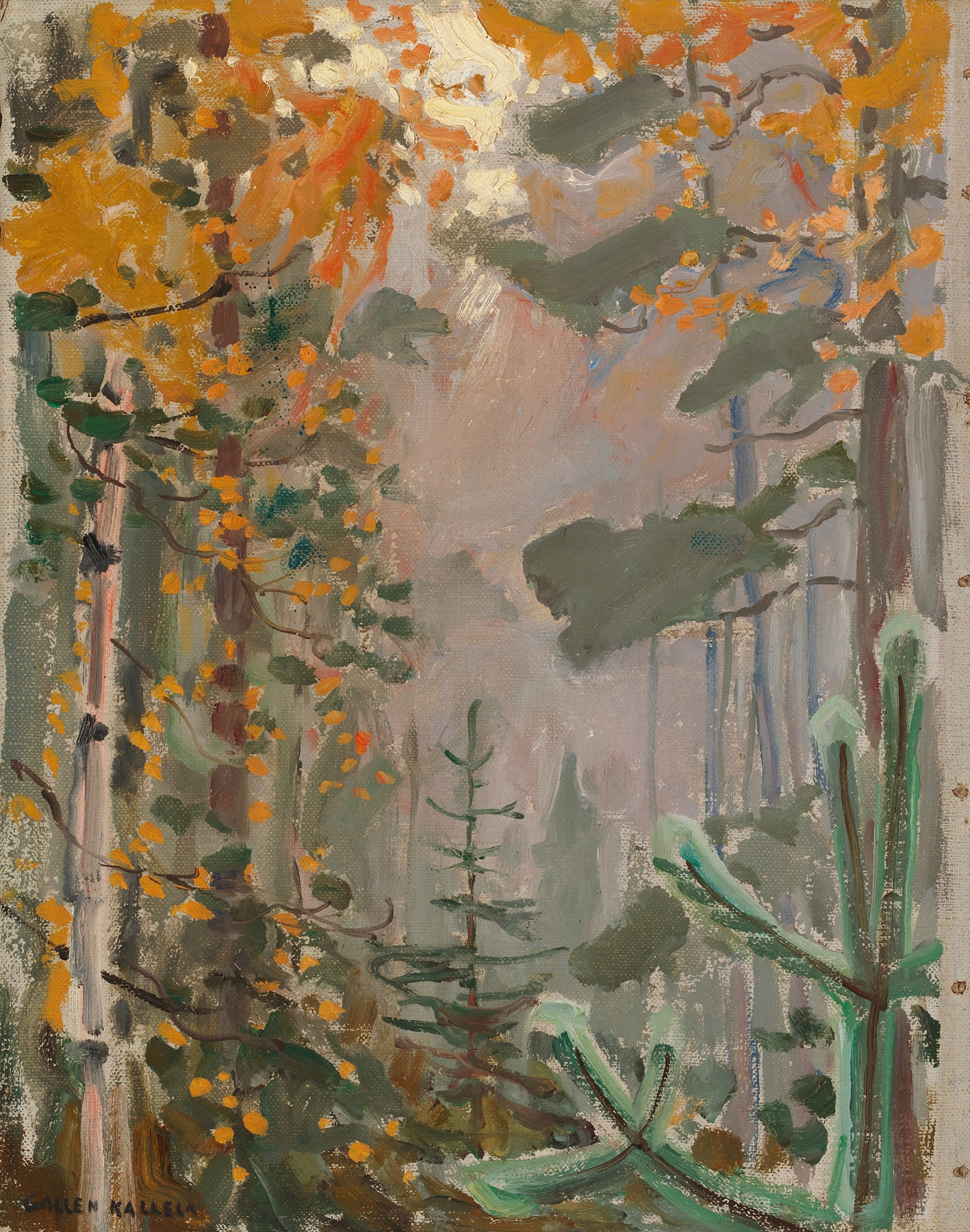
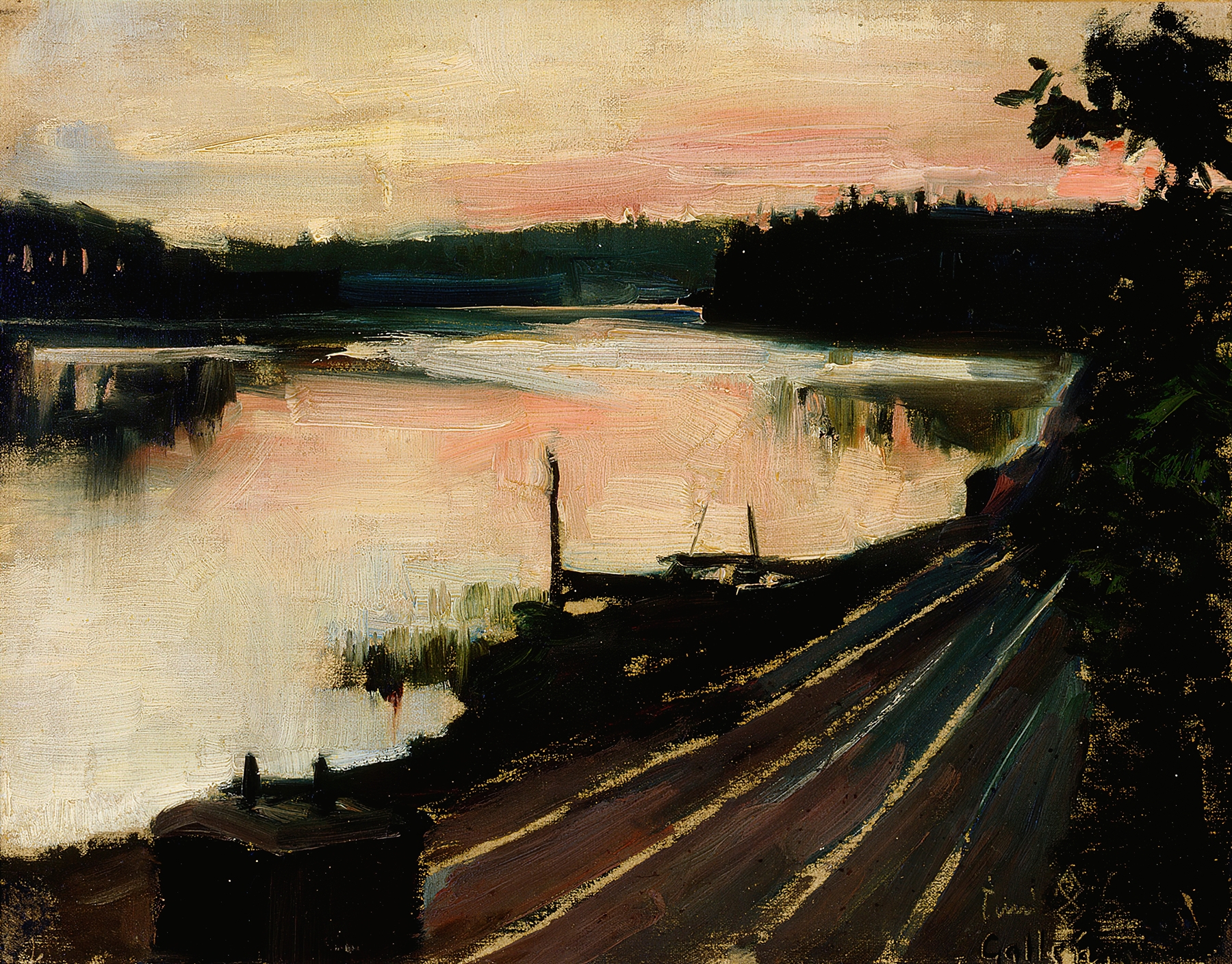
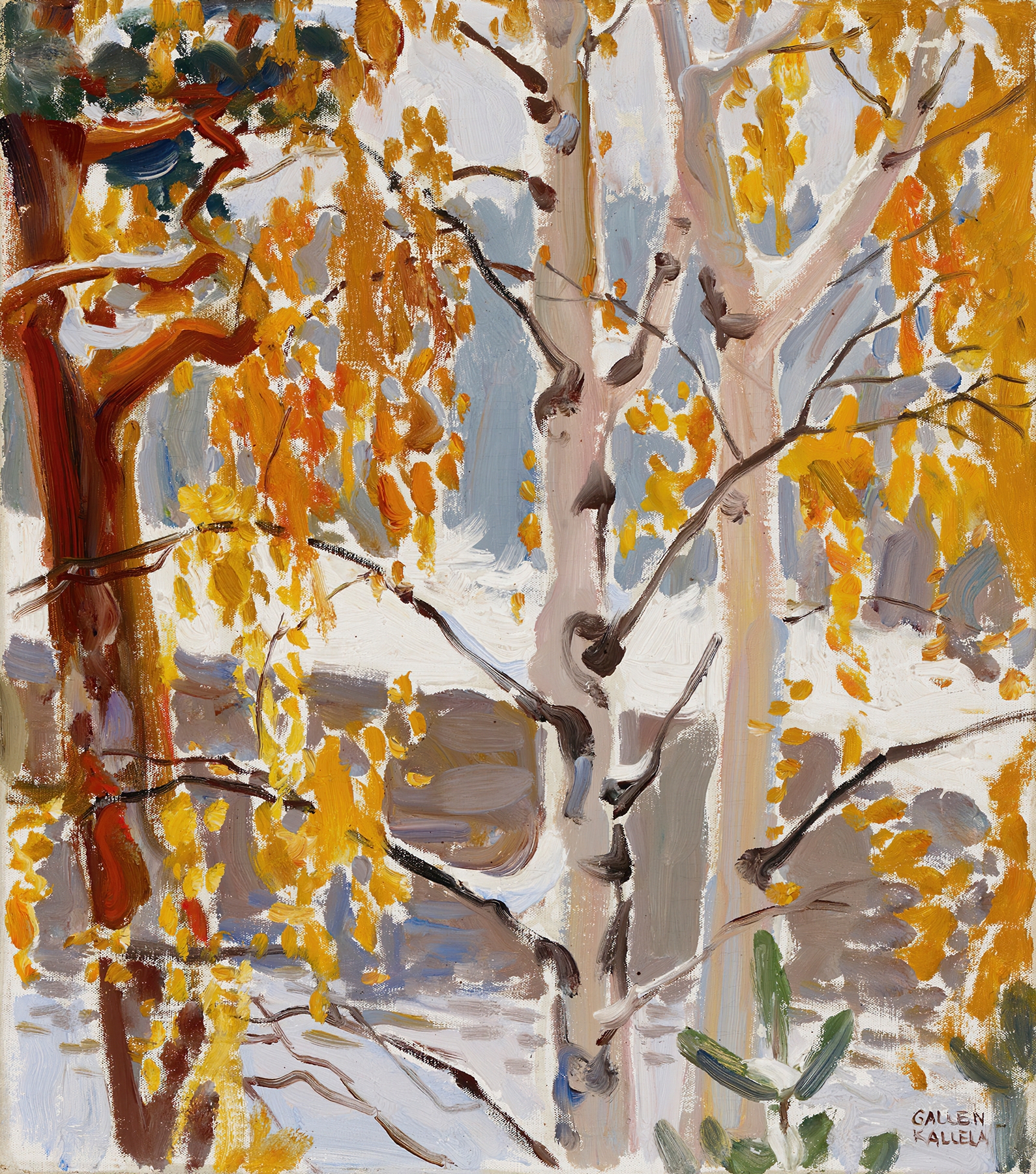
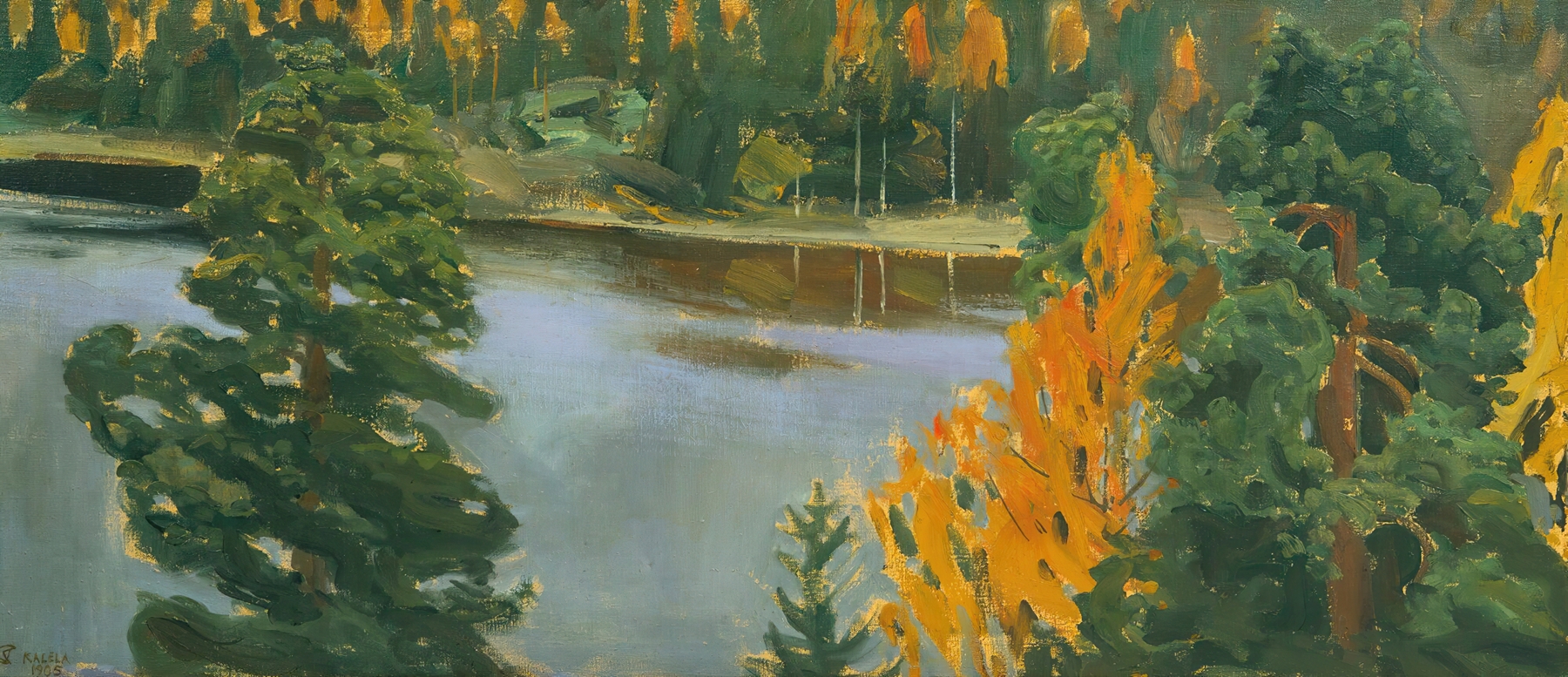
“Sometimes beauty is just pain, disguised in gold.” This sentiment echoes through the layers of autumn's vibrant decay, where the natural world reveals both its splendor and its sorrow. Look to the horizon, where the lake meets a symphony of fiery red and orange foliage. The still water serves as a mirror, reflecting the fleeting beauty of the season, while the clouds hover overhead, heavy with implication. Notice the brushwork—each stroke deliberate yet infused with a sense of longing, inviting the viewer to linger on the richness of color and the subtle interplay of light across the surface of the water.
The painting speaks to the transience of life, capturing the bittersweet essence of autumn. The brilliant hues, while breathtaking, suggest an impending loss, as the vibrant leaves prepare to fall, signaling the approach of winter. The contrasting serenity of the lake against the tumult of color evokes a poignant sense of melancholy, reminding us that beauty is often layered with deeper emotional currents.
During the autumn of 1905, Akseli Gallen-Kallela was deeply engaged in capturing the Finnish landscape, fueled by a burgeoning national identity amidst political and cultural changes. Working from his studio near the shores of Lake Pääjärvi, he sought to express the spirit of Finland through its natural beauty. This period was pivotal, as artists began to explore the intersection of nature, nationalism, and personal expression, making works like Lake View In Autumn significant in both the art world and Finnish history.