First Snow — History & Analysis
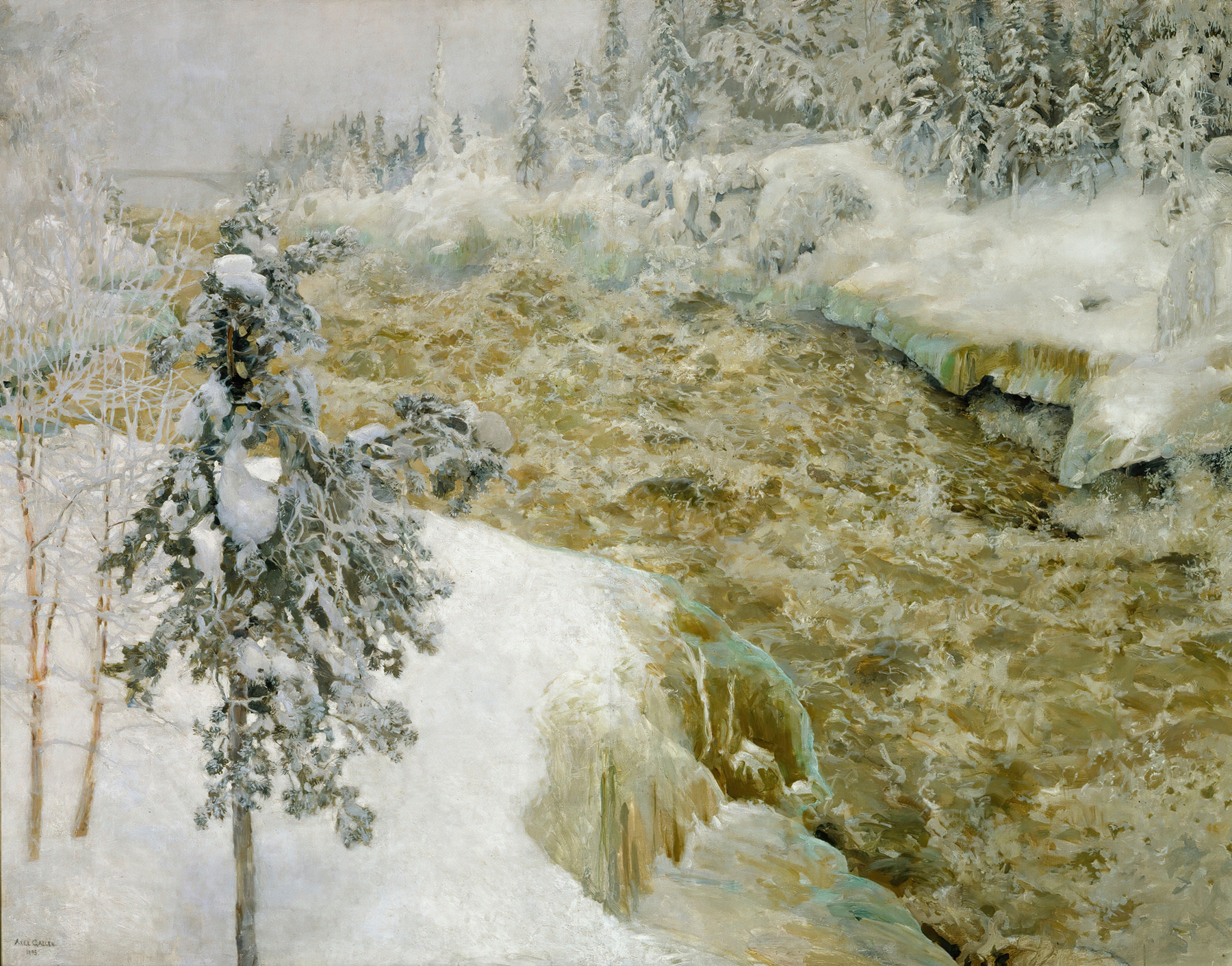
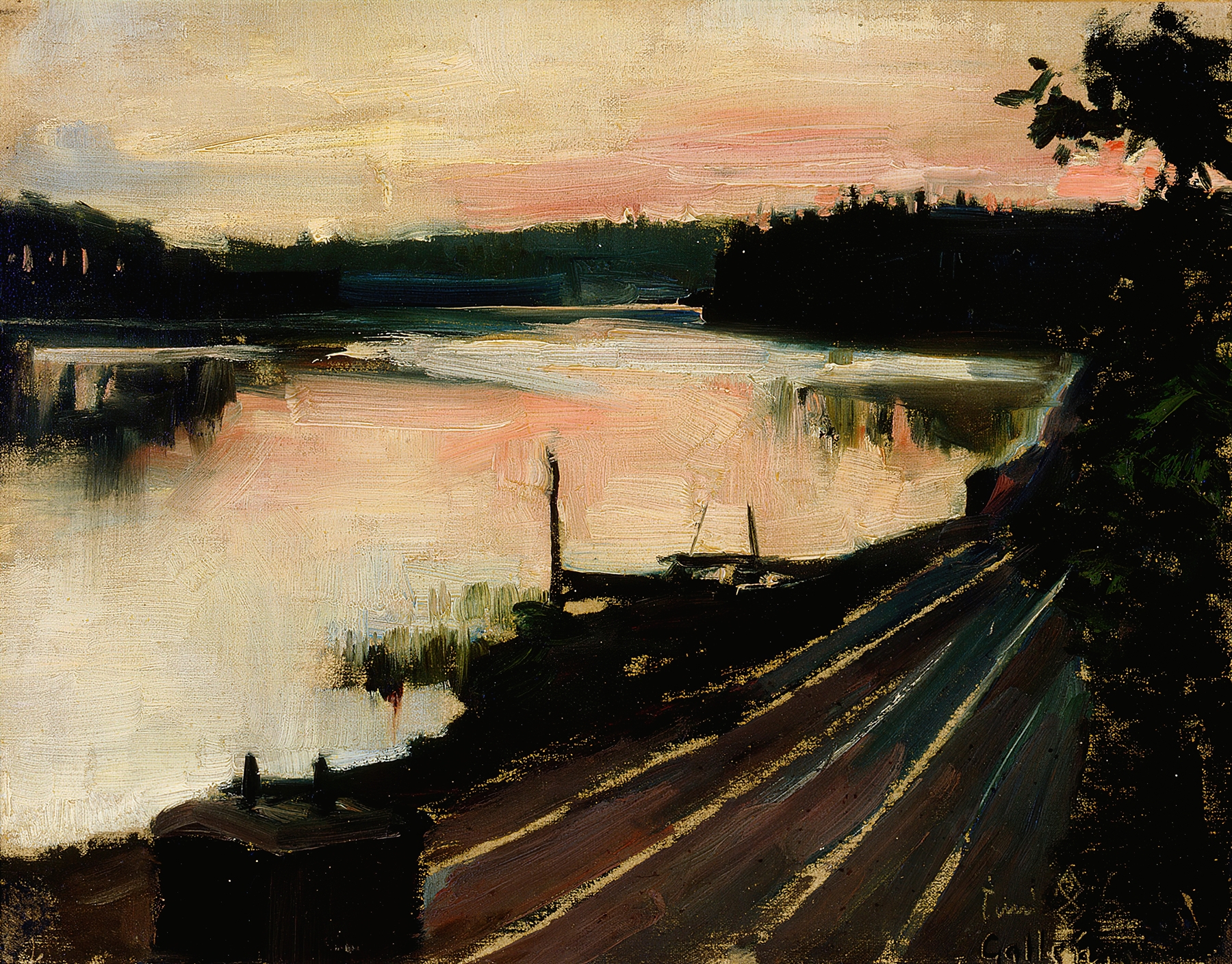
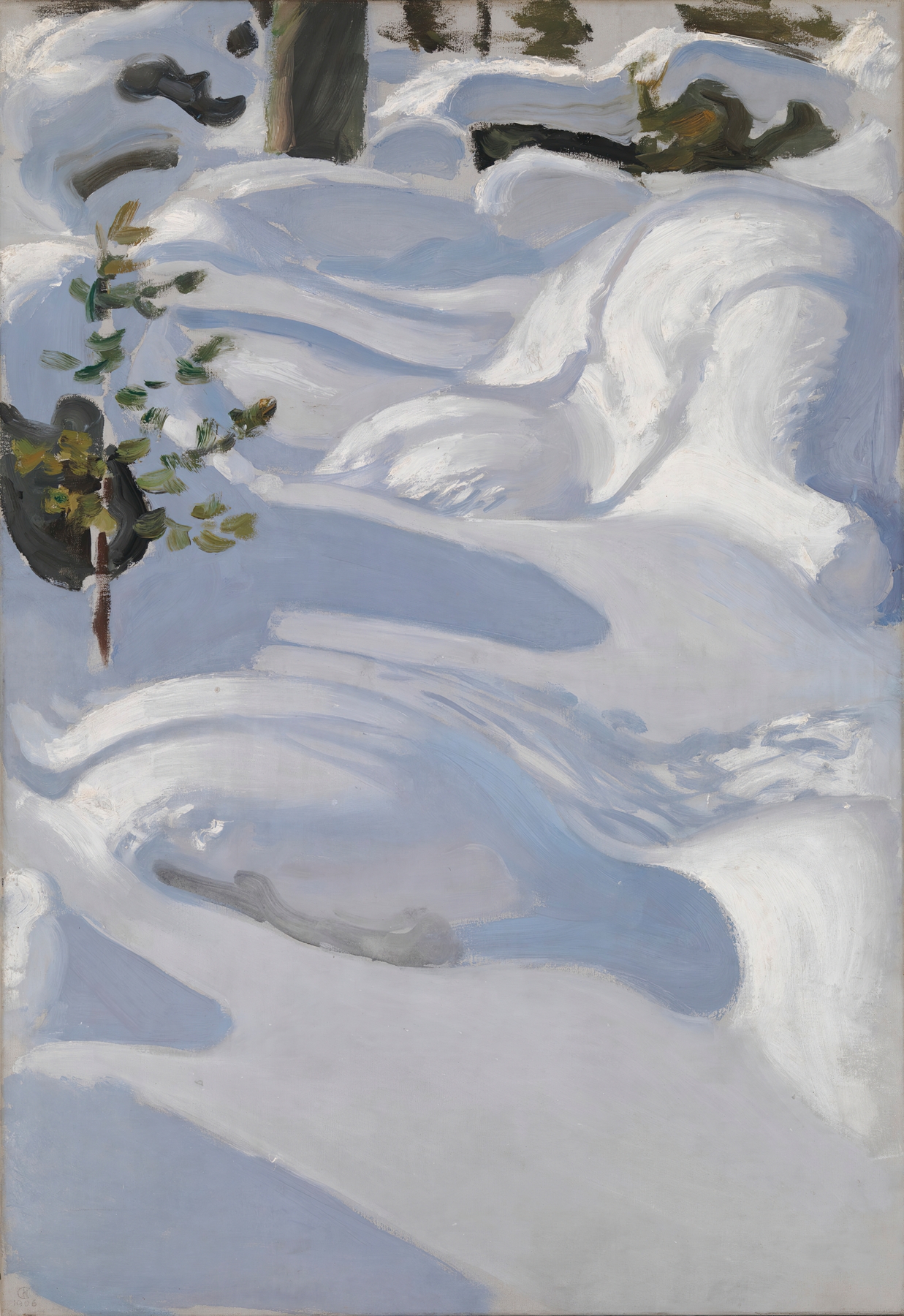
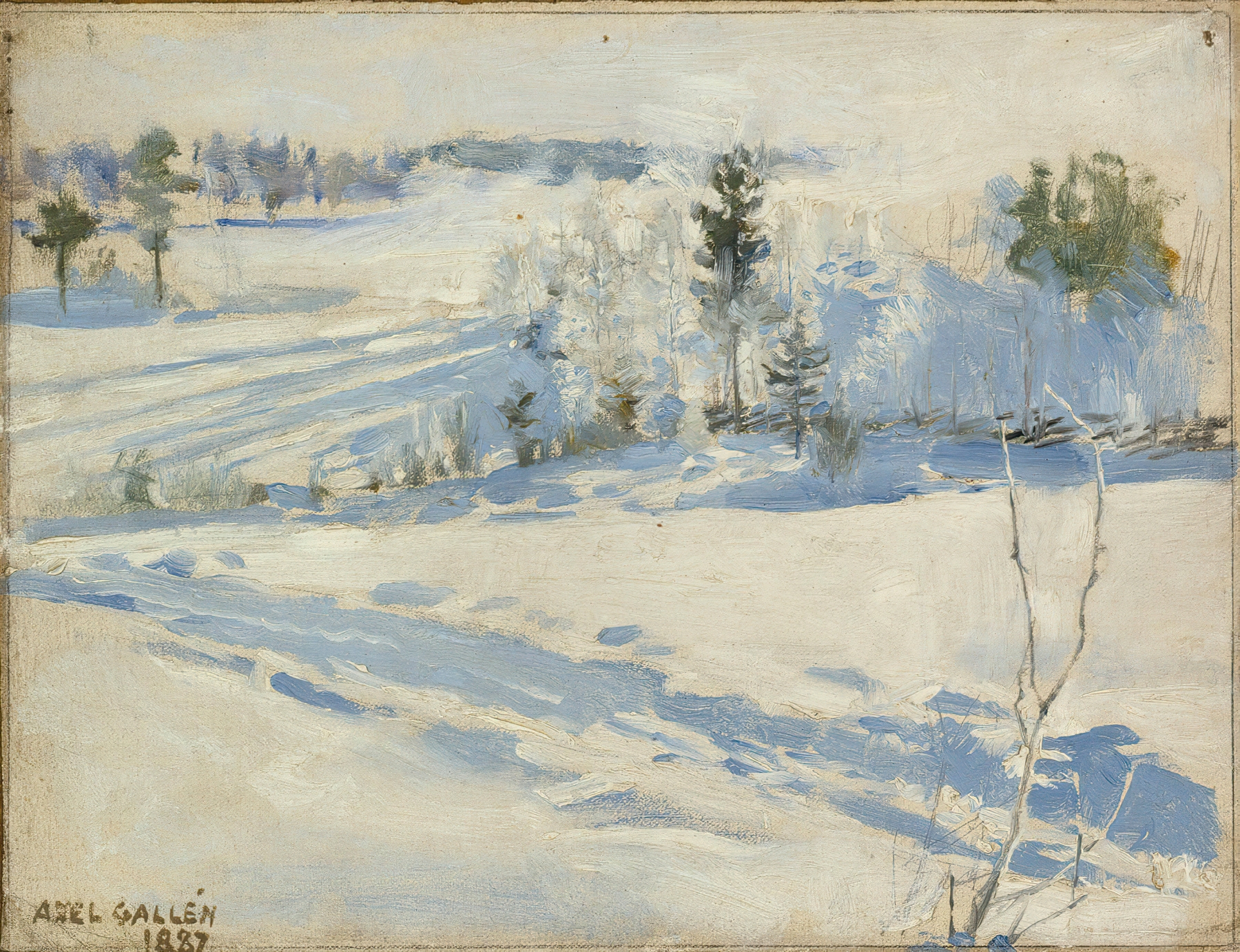
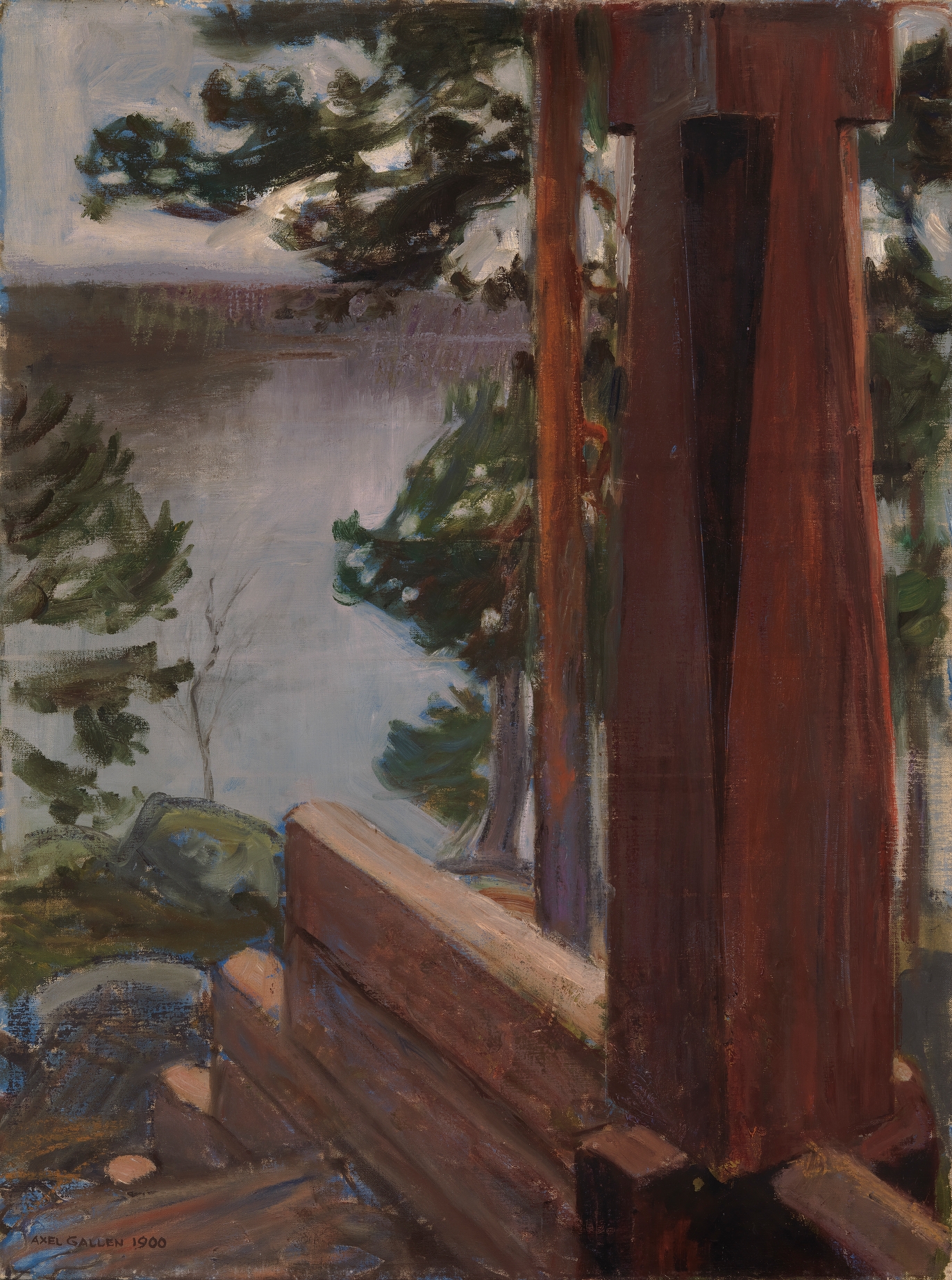
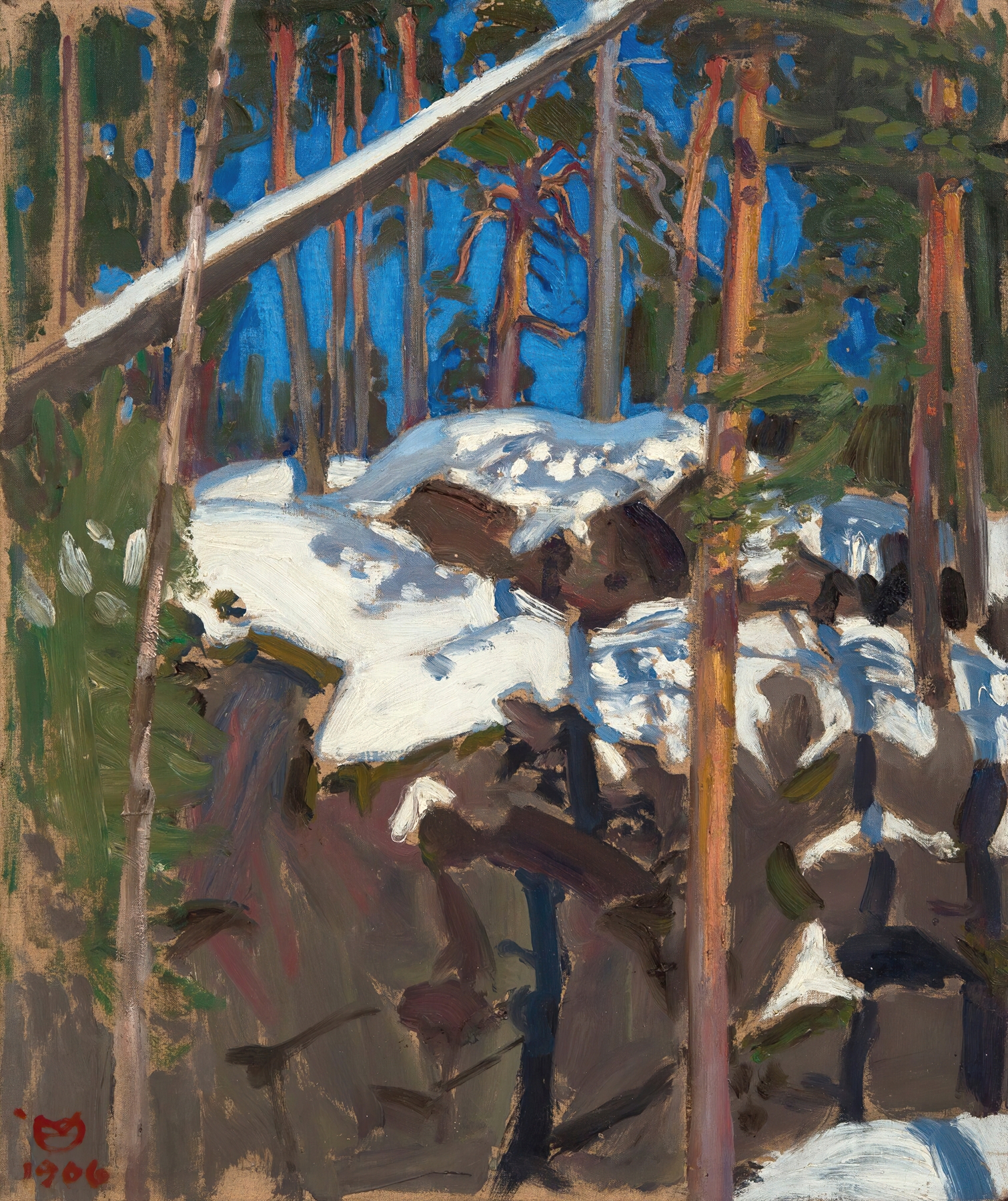
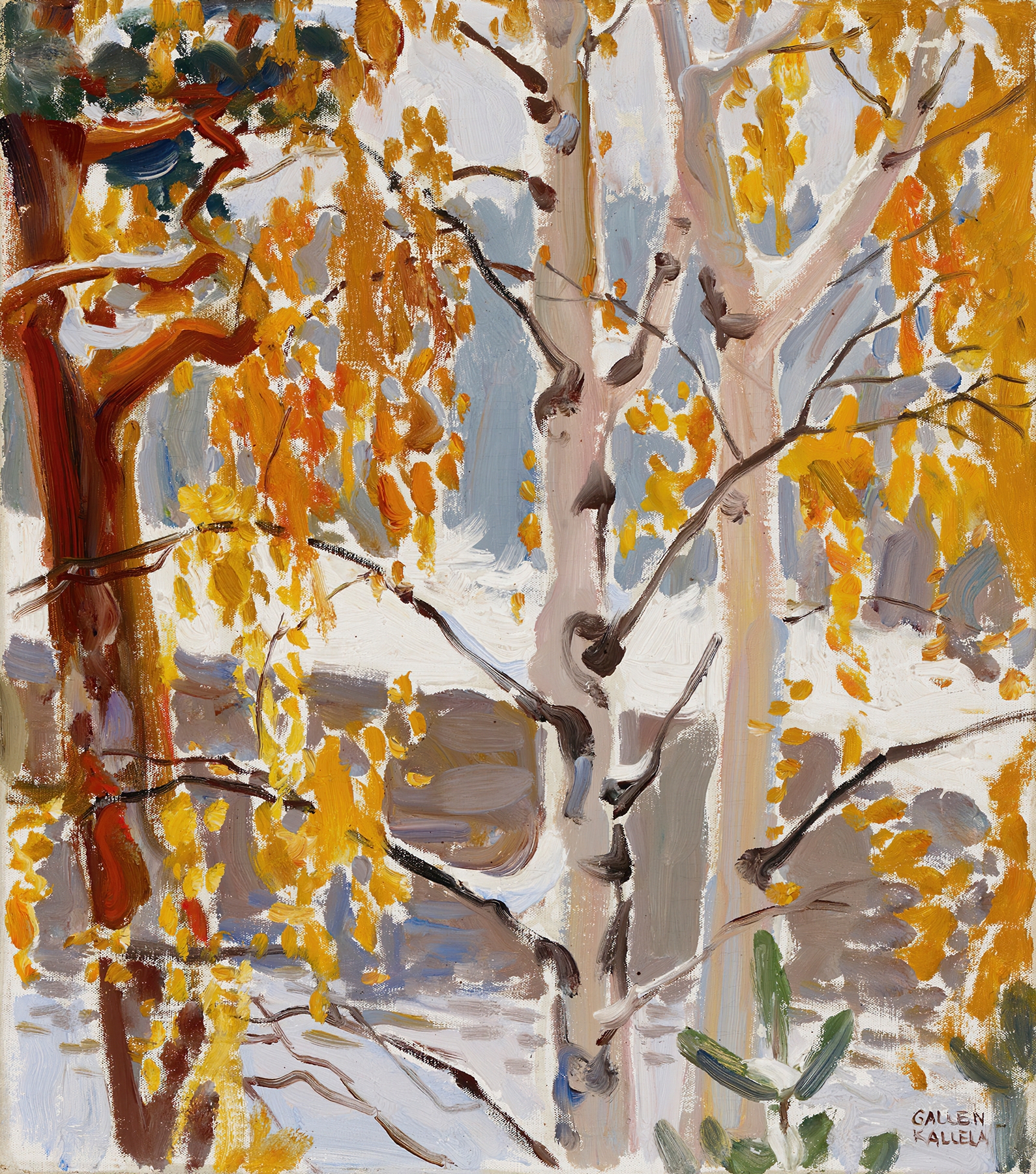
Where does light end, and longing begin? In the stillness of winter, the first snow blanketing the earth invites a meditative pause, a moment where dreams and reality intertwine. Look to the foreground, where delicate flakes of snow dance under a muted, pale sky. The soft, powdery texture contrasts with dark, looming trees, their branches stark and heavy.
Notice how Gallen-Kallela masterfully captures the interplay of light, allowing soft blues and grays to blend seamlessly, evoking a sense of tranquility. The vague silhouettes in the background hint at a world both familiar and distant, pulling the viewer into a serene, almost ethereal landscape. Yet, beneath this serene surface lies an emotional tension. The starkness of the trees suggests a struggle against the chill of winter’s grip, while the blanketed ground represents both a tranquil dreamscape and the solitude that often accompanies the season.
This duality—of beauty and desolation—invites reflection on the transient nature of life and the solace found in moments of quiet introspection. During the years between 1890 and 1915, Gallen-Kallela was deeply influenced by the Finnish landscape and its cultural narratives. His artistic journey was marked by an exploration of national identity and symbolism, intertwining personal experiences with a response to the changing artistic movements of his time. The world around him was shifting, yet in First Snow, he presents a timeless scene that speaks to the universal longing for peace amidst the chaos of life.