View from Eläintarha at Sunset — History & Analysis
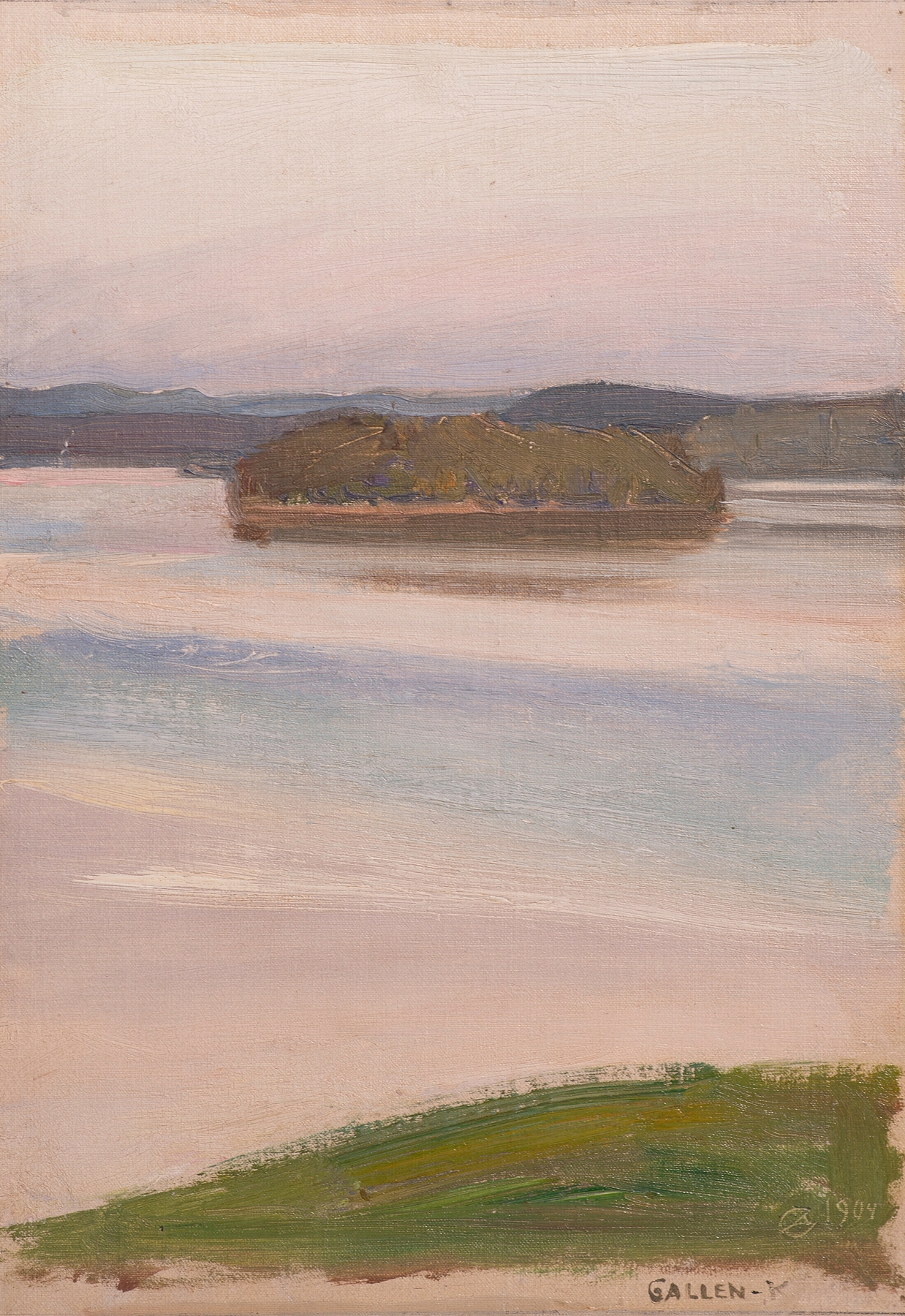
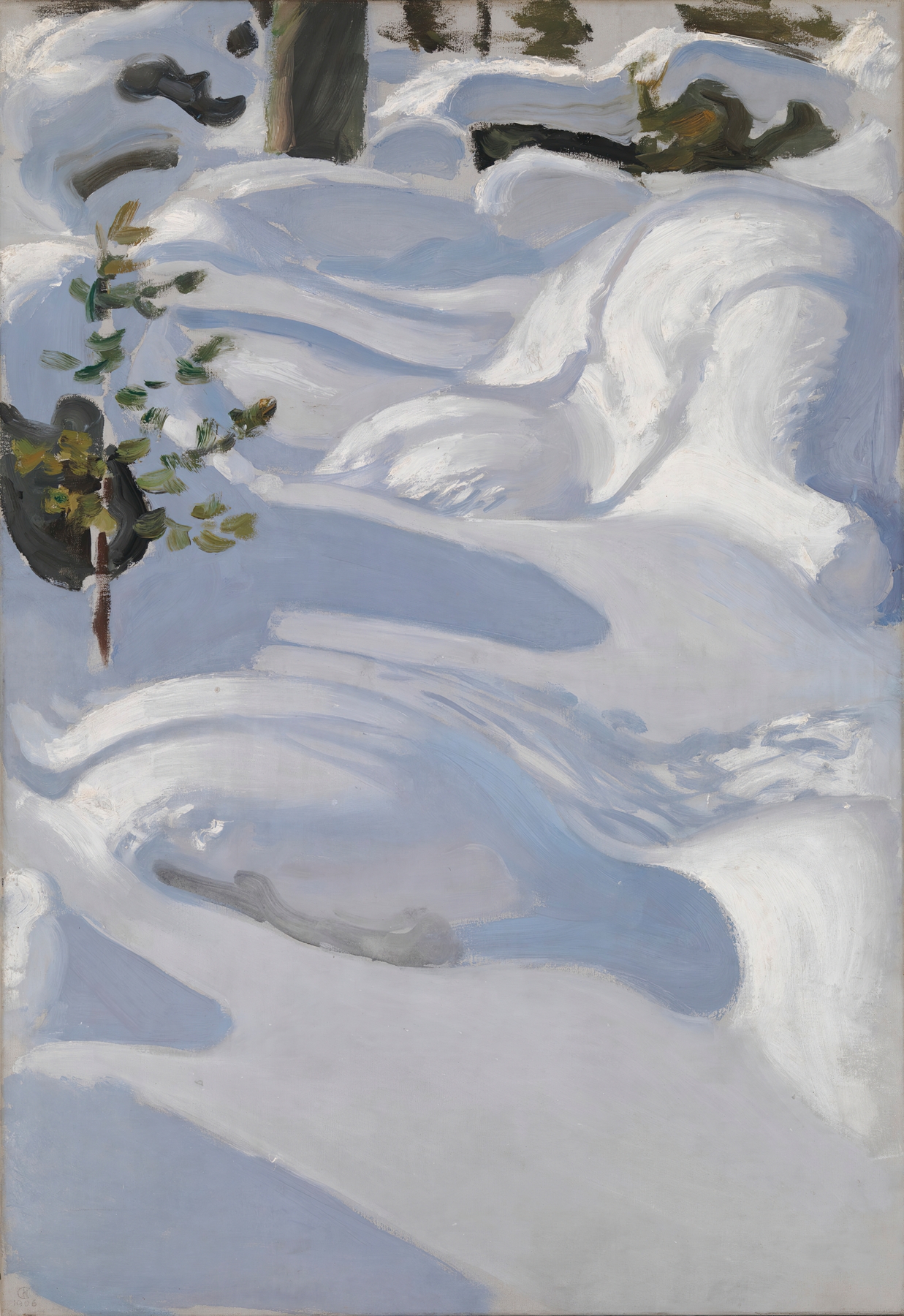
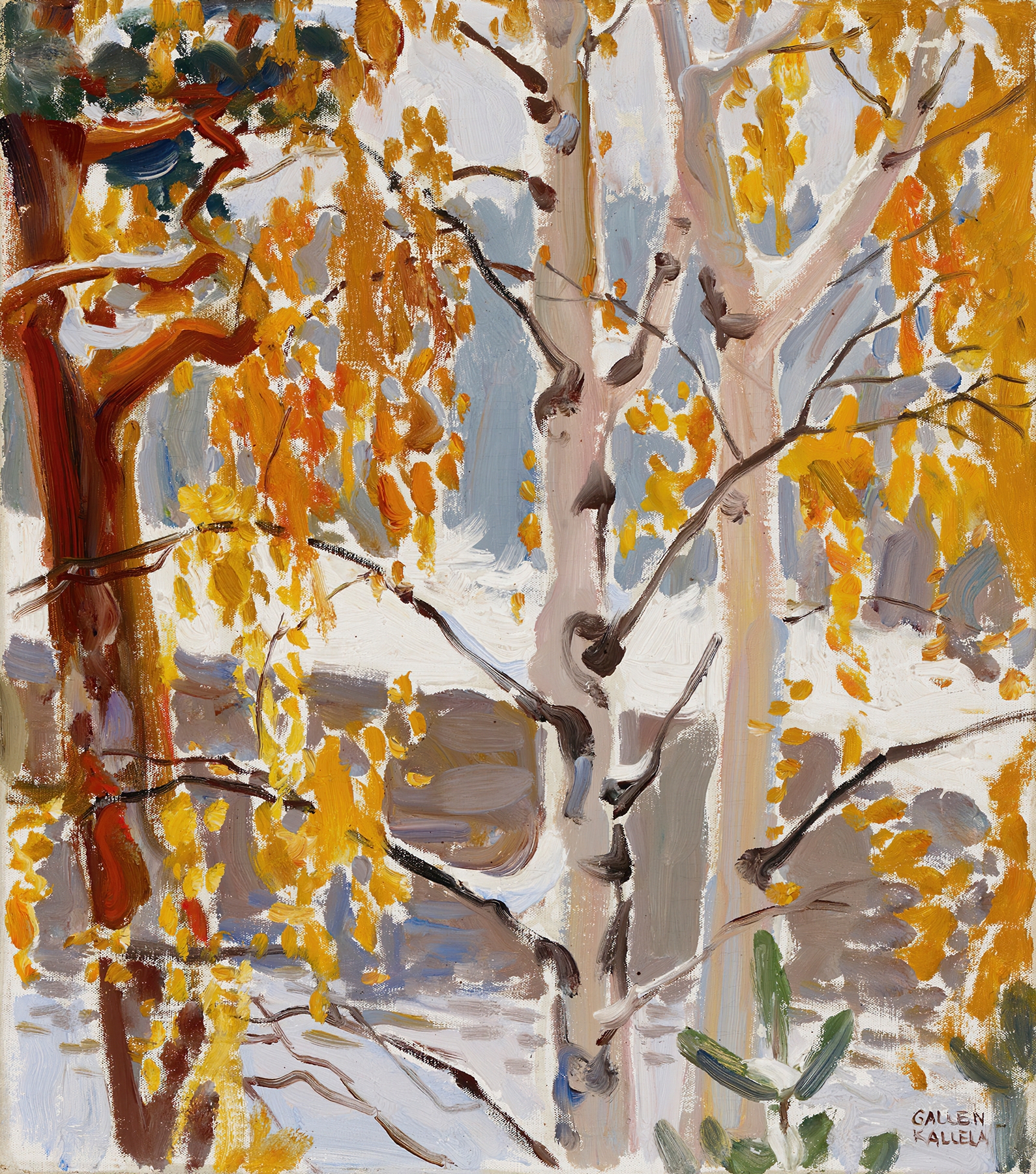
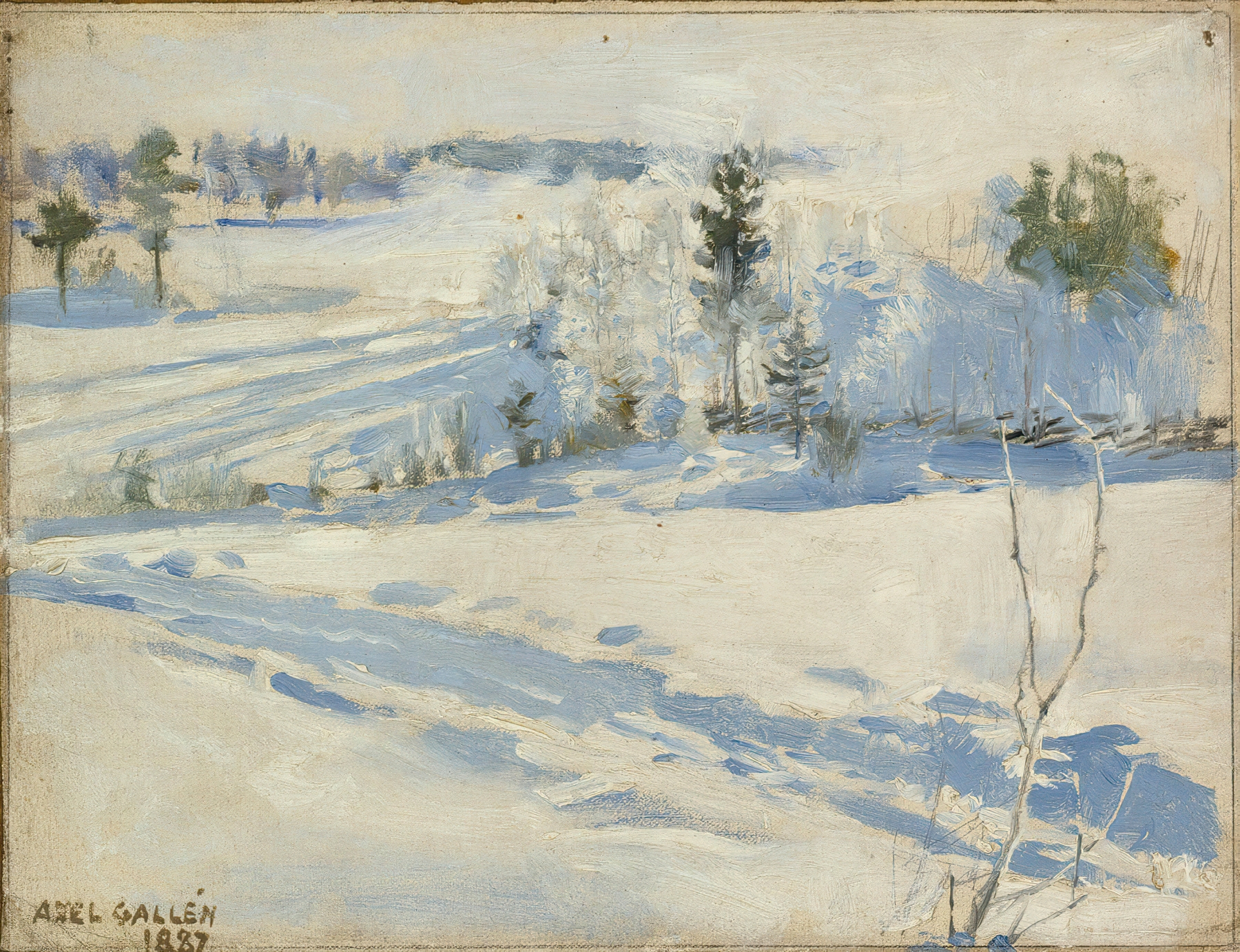
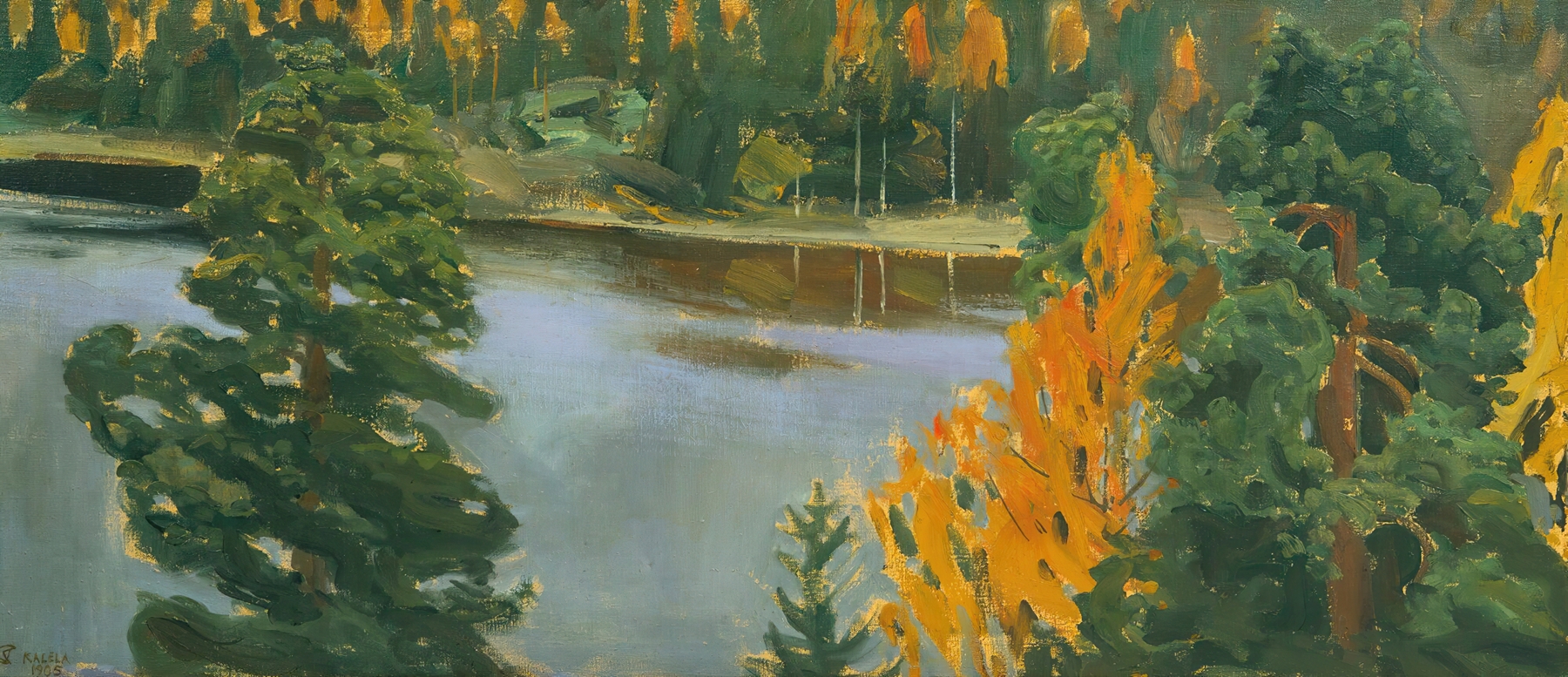
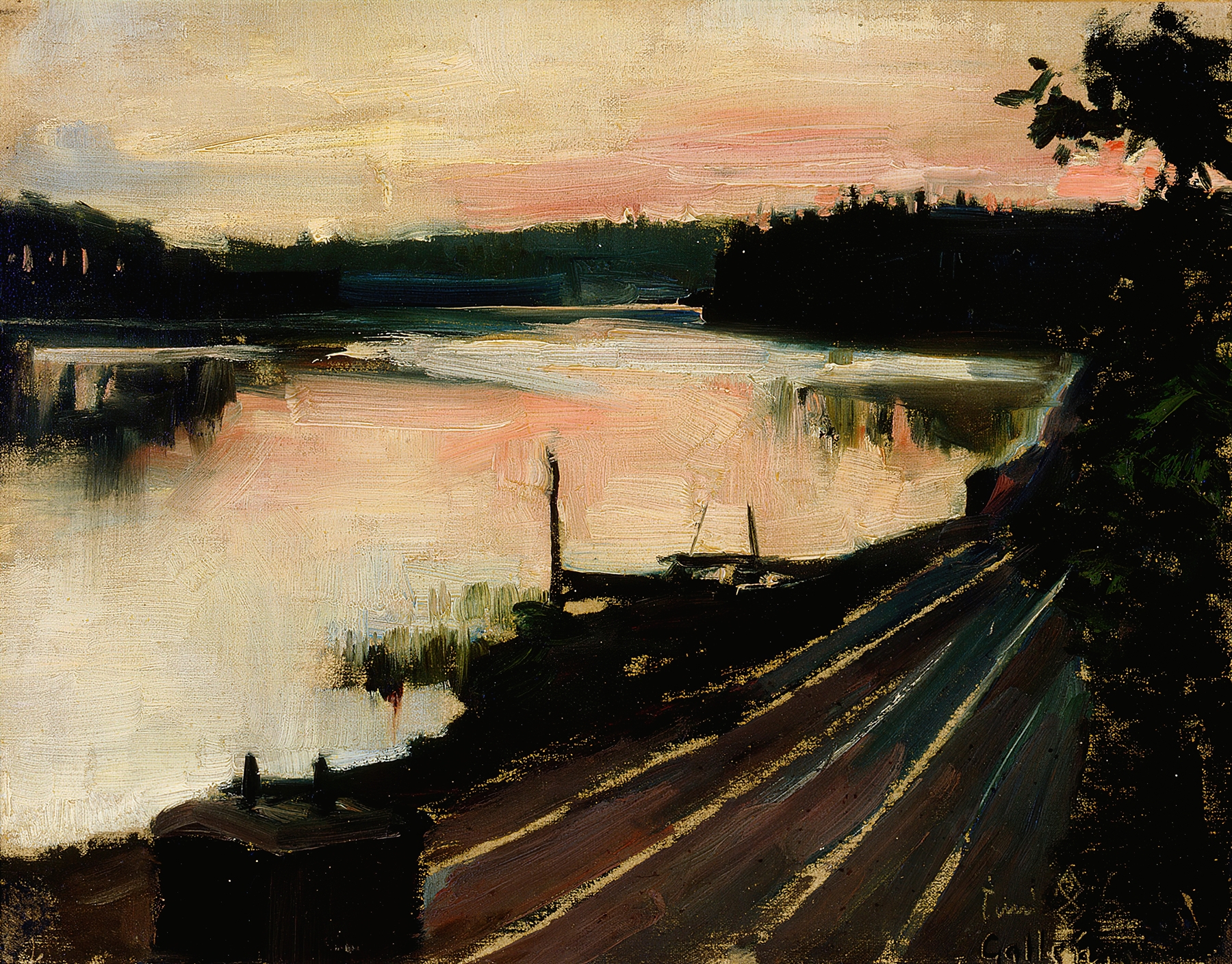
Could beauty survive in a century of chaos? In View from Eläintarha at Sunset, the tranquil scene invites contemplation amid the cacophony of the modern world. A serene moment frozen in time, it raises questions about illusion and reality, rendering the ordinary extraordinary. Look to the horizon where the sun dips beneath the skyline, bathing the landscape in a cascade of warm oranges and deep purples.
The deft brushstrokes capture the interplay of light and shadow, drawing your gaze toward the vibrant clouds that seem to dance in the sky. Notice how the careful composition frames the lush greenery in the foreground, leading the eye into the distance, creating a sense of depth and inviting viewers to lose themselves in this ephemeral twilight. Yet, beneath the surface beauty lies a deeper narrative. The blending of colors suggests the fleeting nature of time, while the stillness of nature contrasts with the impending changes of the century ahead.
Each element, from the detailed foliage to the shadowy outlines of distant structures, serves to embody both the allure and illusion of serenity, echoing the tension between tranquility and the chaos of progress. Akseli Gallen-Kallela painted this landscape in 1886 while living in Finland, a period marked by a national awakening and a burgeoning interest in Finnish identity. As art movements evolved across Europe, he sought to capture the essence of his homeland, reflecting its stunning beauty and complexity amid societal shifts. This work stands as a testament to his vision, intertwining personal and collective narratives of a time on the brink of transformation.