Koning en de Dood — History & Analysis
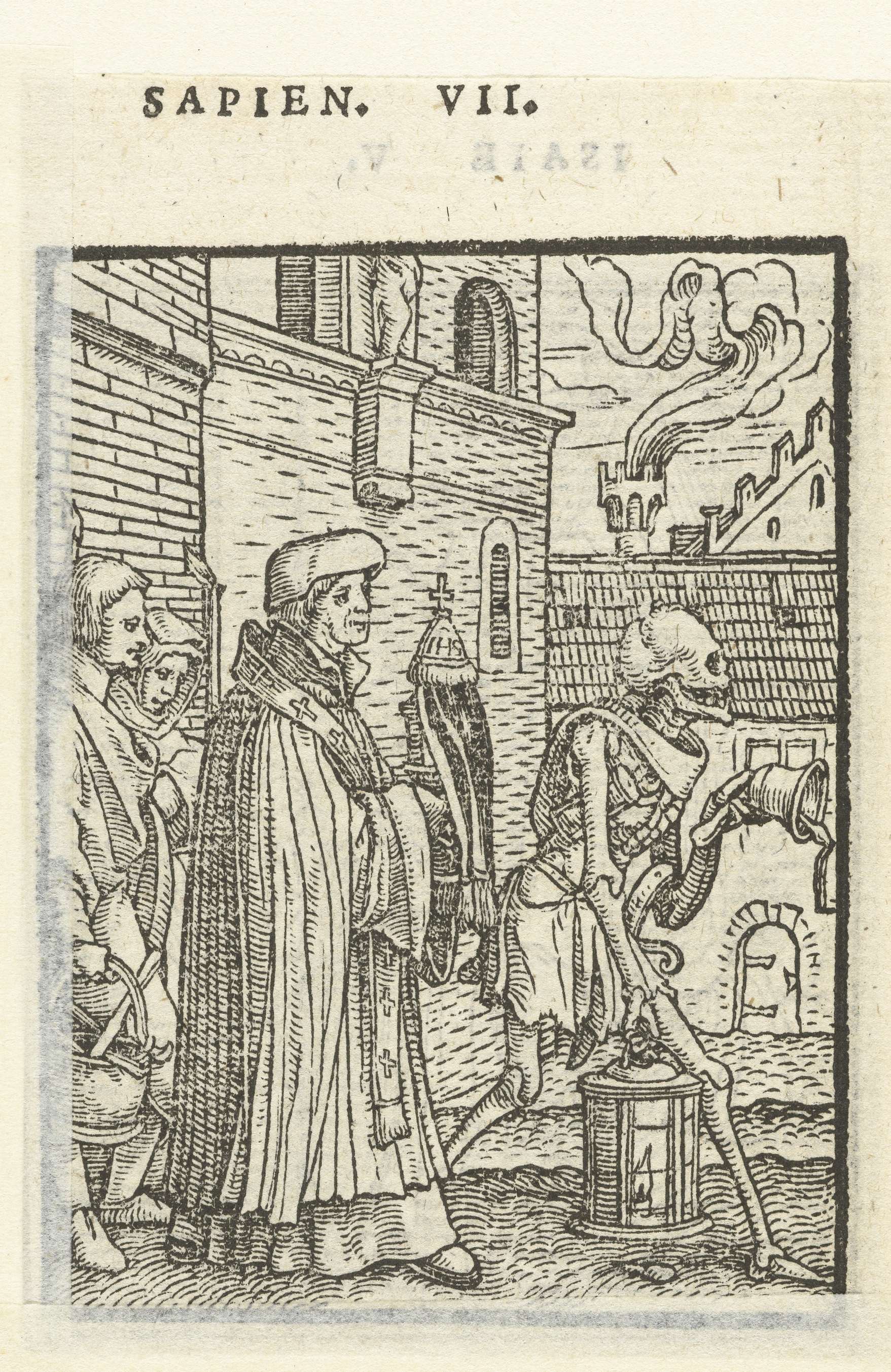
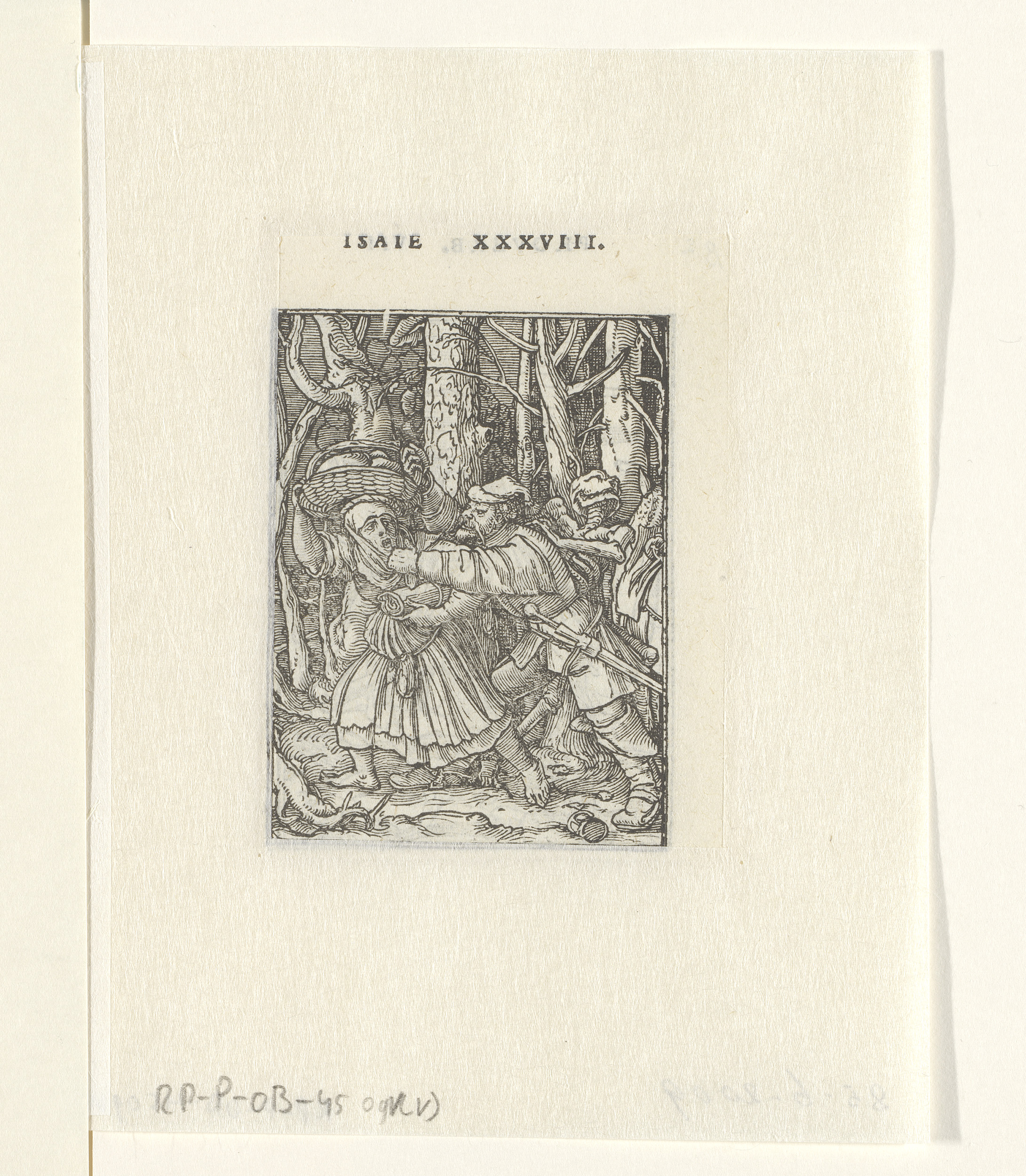
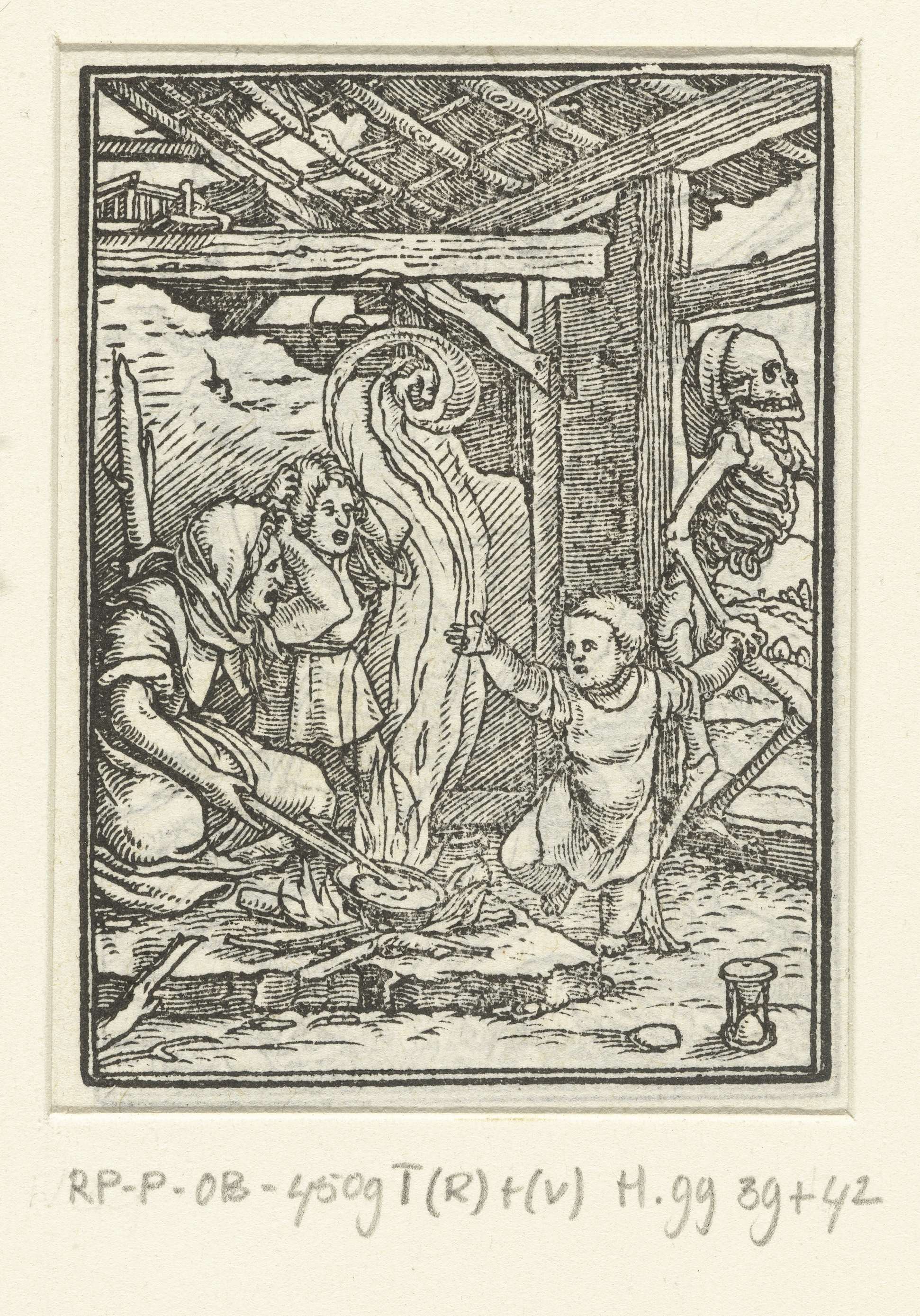
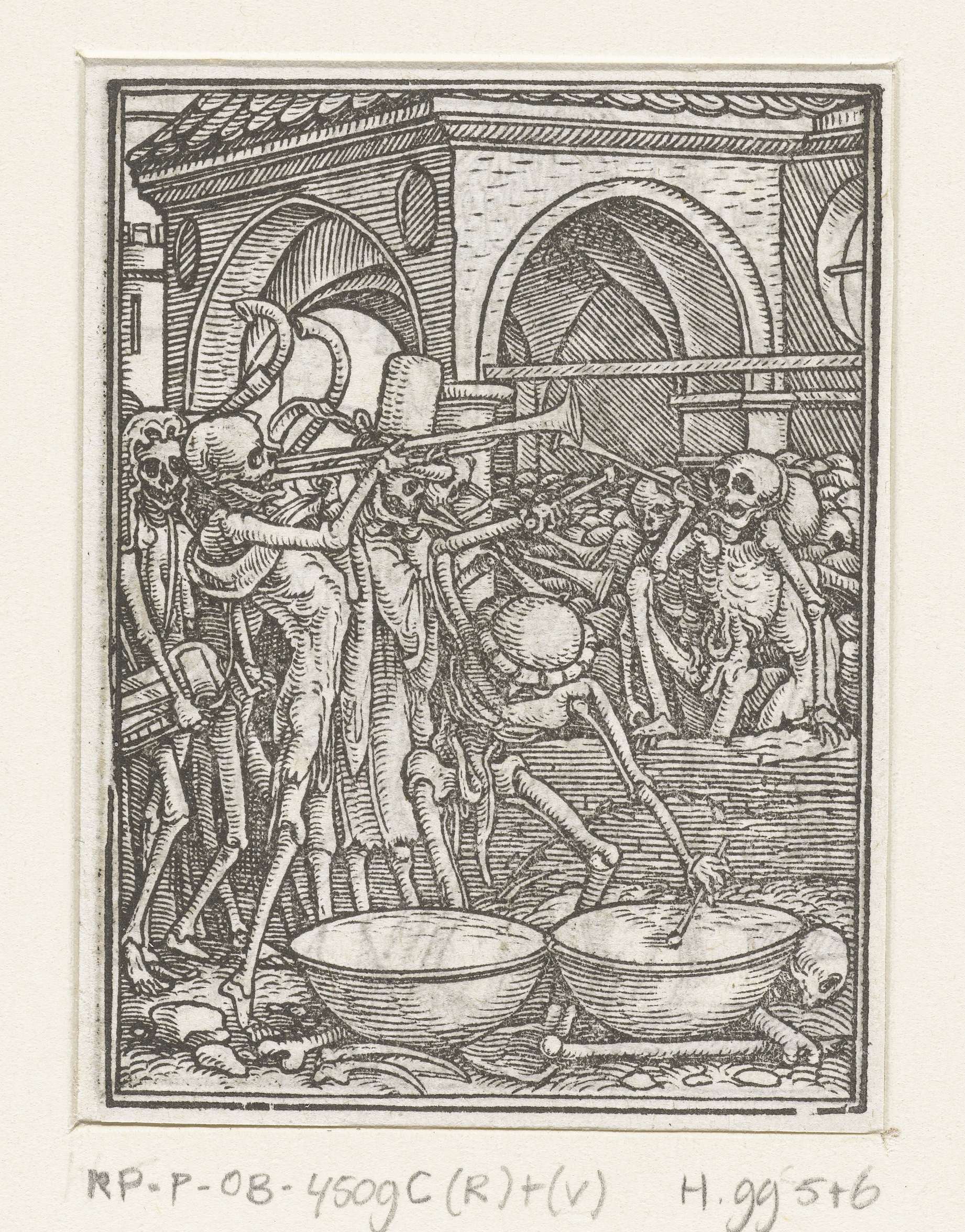
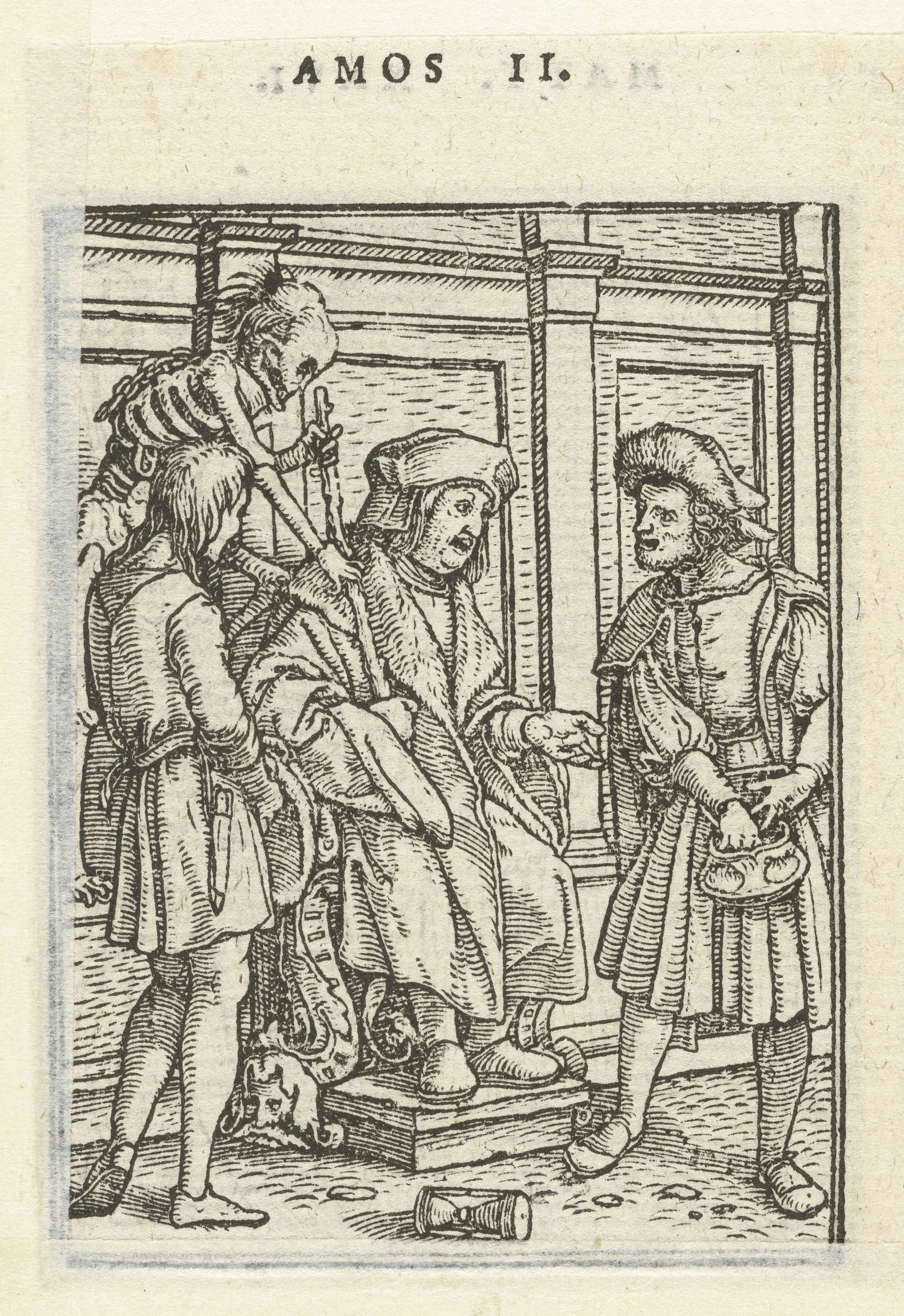
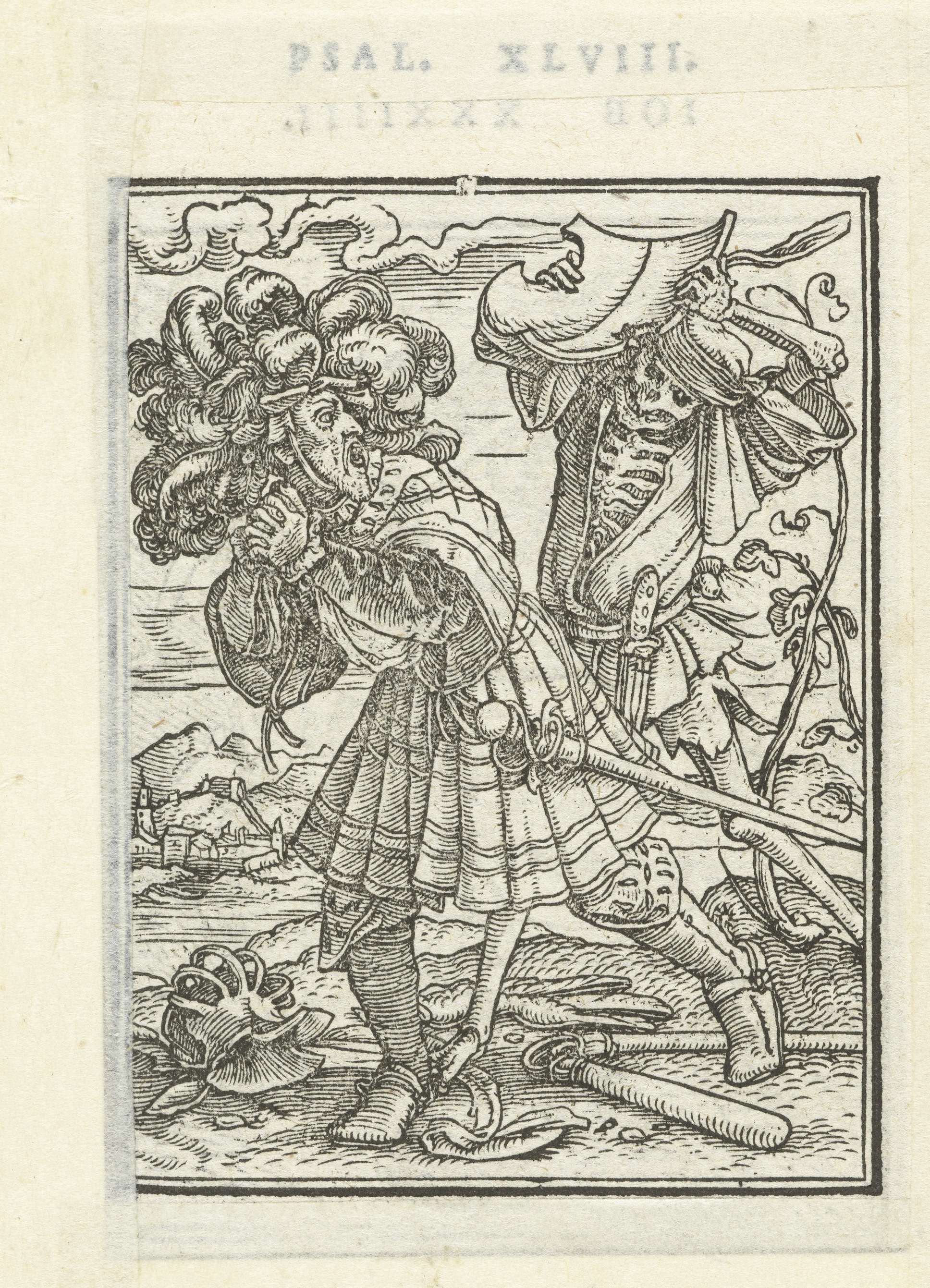
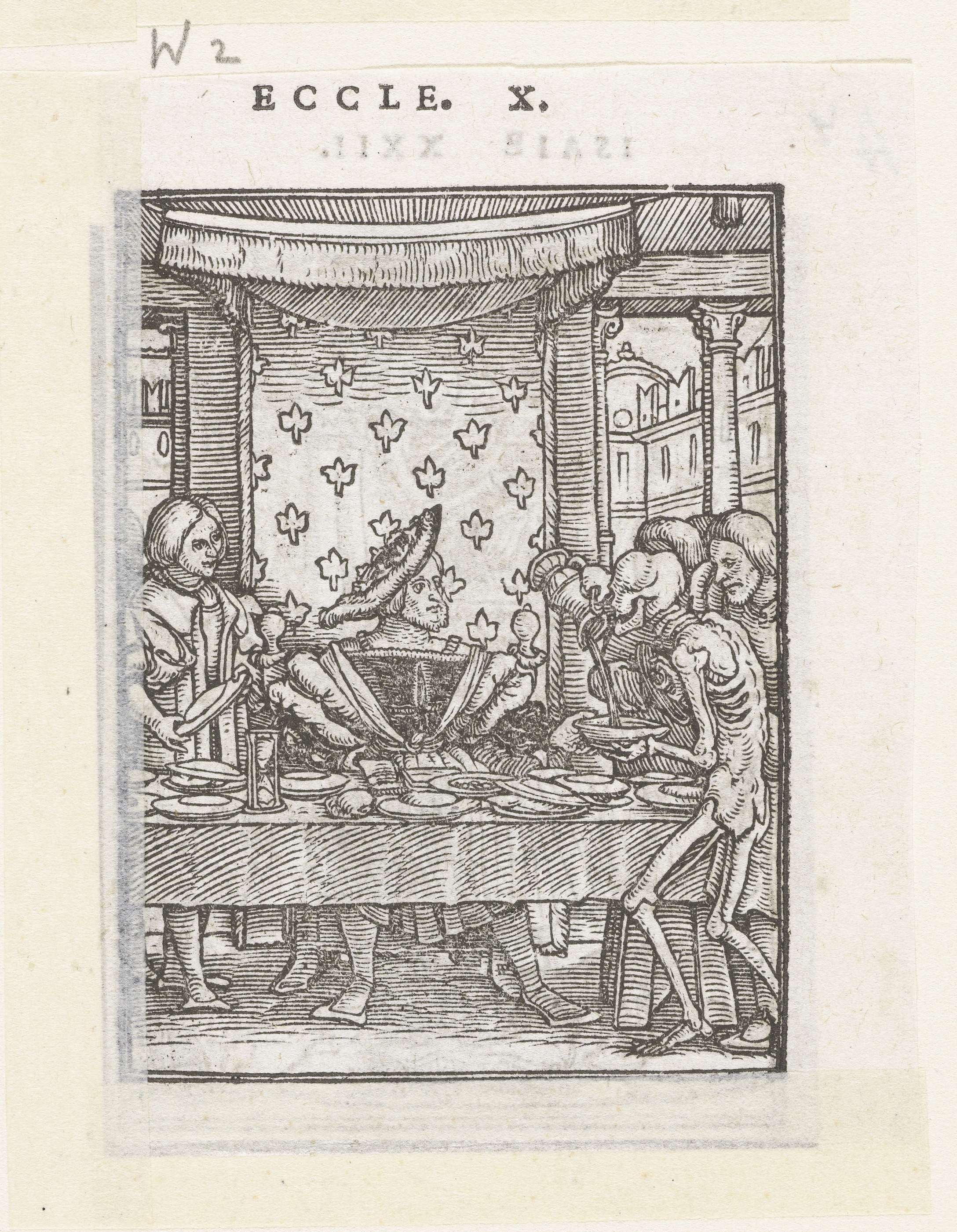
Where does light end, and longing begin? In Koning en de Dood, Hans Holbein II presents a haunting meditation on mortality and power that lingers in the mind like a whisper of violence. First, notice the stark contrast in the composition. Look to the center, where the king stands resolute, cloaked in rich, dark fabrics that absorb the surrounding light.
His gaze pierces forward while the spectral figure of Death looms behind, skeletal and shrouded in shadow. The contrast between the vibrant colors of the king’s attire and the muted greys of Death creates a palpable tension, heightening the viewer's awareness of the inevitable fate that awaits even the most powerful. Deeper insights emerge from the intricate details: the king’s crown glimmers with gold, signifying his lofty status, while the empty eye sockets of Death reflect a chilling inevitability. The juxtaposition of opulence and decay reflects a universal truth, where material wealth cannot shield one from the finality of death.
Moreover, the use of light—from the king’s illuminated figure to the engulfing darkness of the background—embodies the struggle between life’s vibrancy and the suffocating presence of mortality. In 1538, Holbein was navigating the intricate court politics of England, having established himself as a prominent portraitist favored by Henry VIII. This period of his life was marked by the complexities of allegiance and the looming shadow of violence in the Tudor court, where power and death often intertwined. This artwork serves as both a reflection of Holbein's mastery and a commentary on the fragility of life, resonating deeply with the uncertainties of his time.