Kruisdraging — History & Analysis
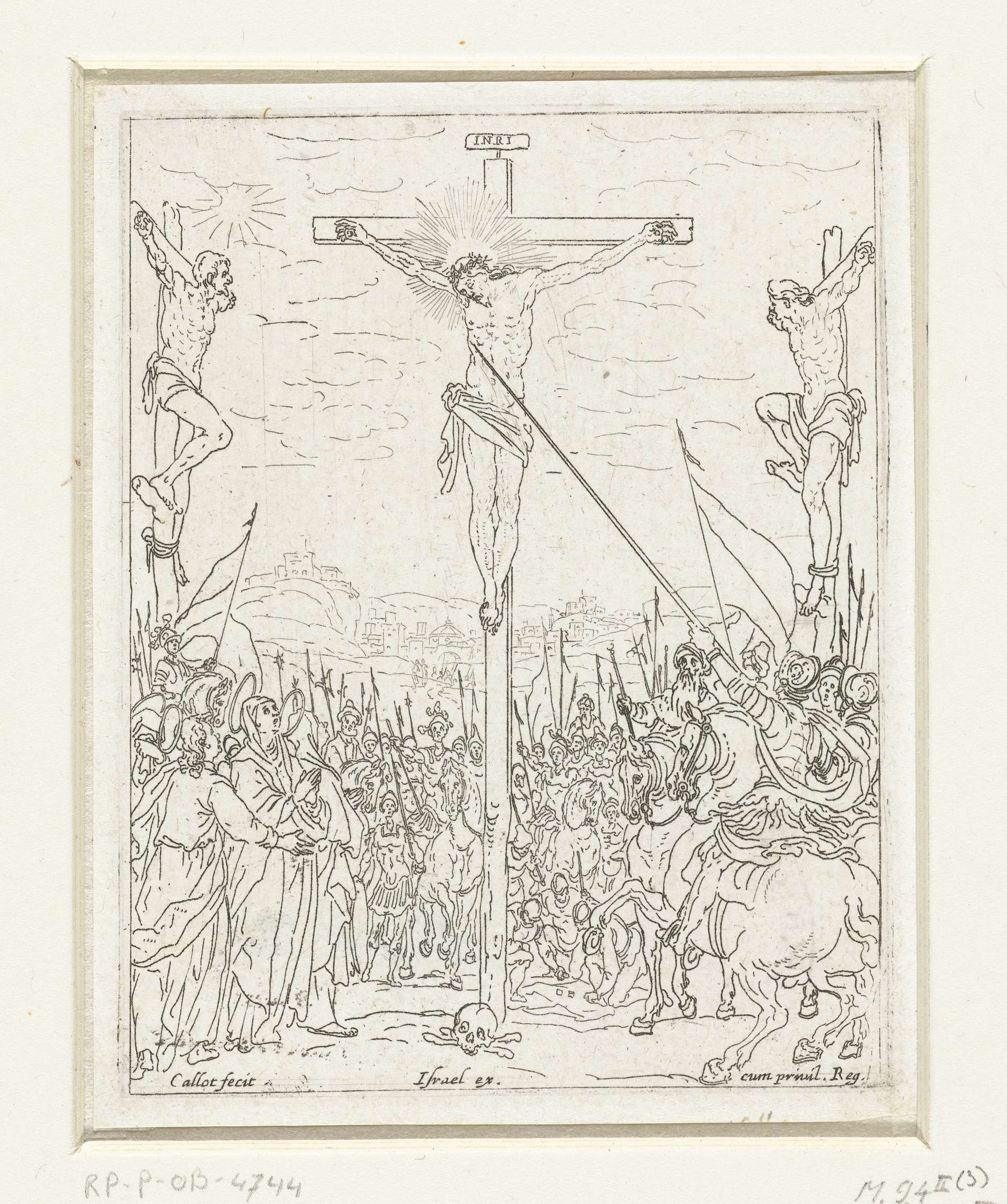
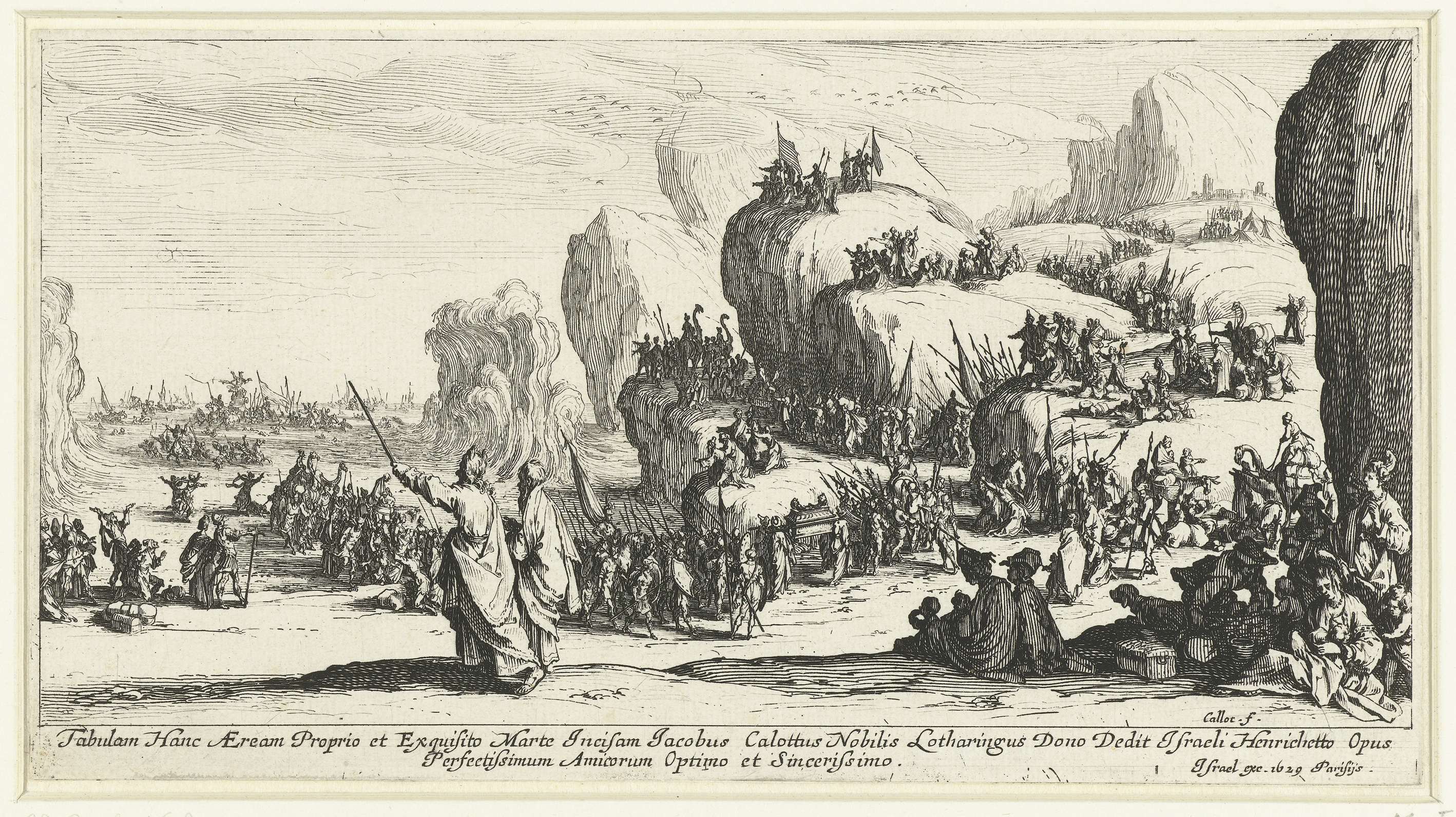
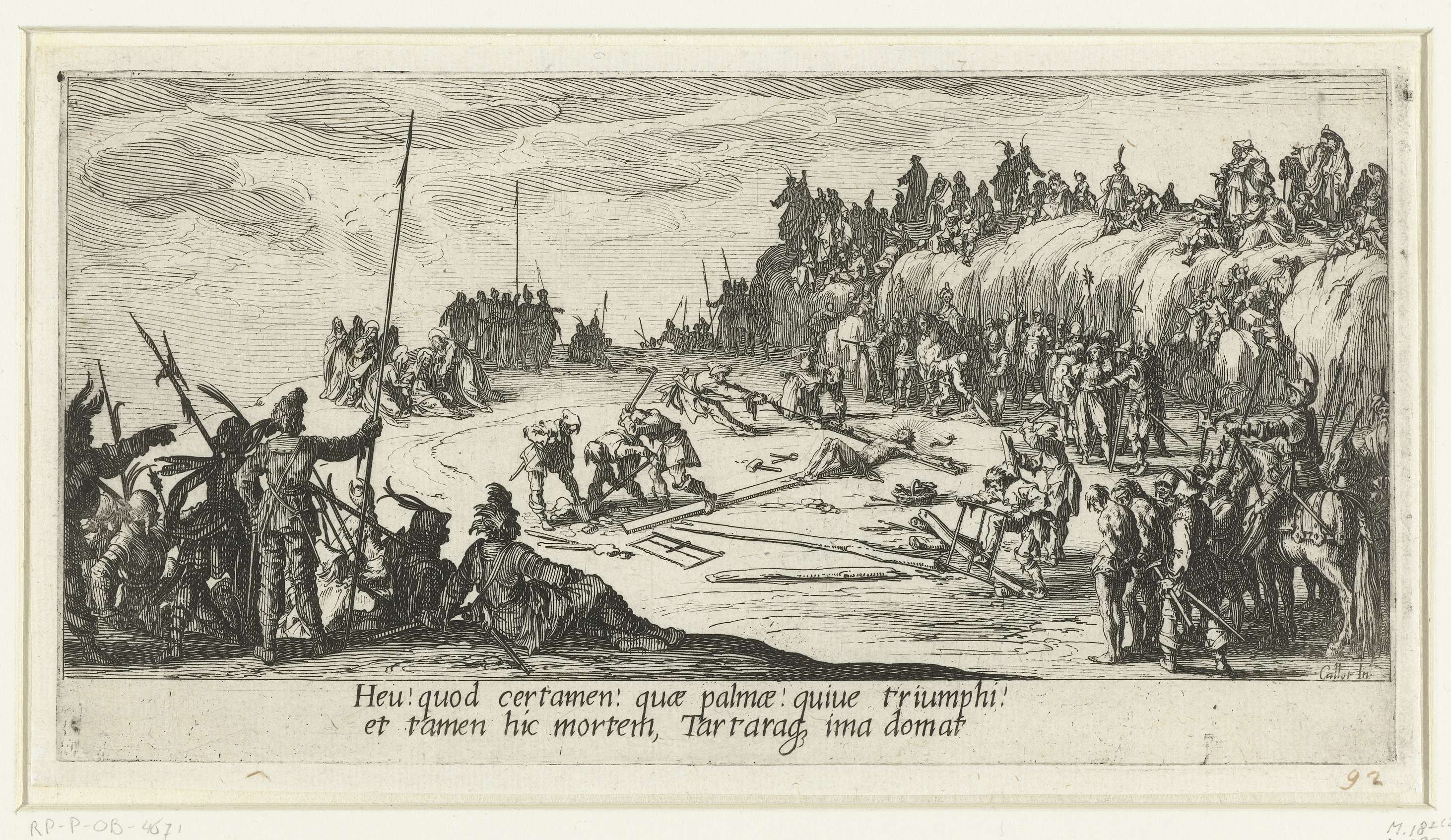
What secret hides in the quiet of the canvas? Grief lingers in the space between each figure, each gesture, evoking a poignant sense of loss that transcends time. Look to the left at the somber procession, cloaked in shadow, their faces a tapestry of sorrow. The muted palette of greys and deep browns envelops the scene, drawing attention to the stark contrast of the pale figure at the center, bearing the cross. Notice how the light falls upon the delicate contours of their bodies, illuminating the weight of their burden, while darkening the edges and creating a stark division between hope and despair.
The composition draws the eye along the diagonal lines of the procession, leading us deeper into the emotional landscape. As you observe the intricate details, notice the tension between the figures: some bow their heads in grief, while others gaze forward, lost in contemplation. The slight variation in posture and expression among the mourners reveals a spectrum of emotions, from resignation to defiance. This suggests a universal struggle with suffering and the search for meaning amidst desolation.
The small, almost hidden gestures—a hand reaching out, a clenched fist—whisper stories of personal loss that resonate throughout the ages. Created between 1619 and 1624, this work reflects Jacques Callot's intense engagement with themes of human suffering against the backdrop of a Europe marred by conflict and turmoil. During these years, the artist was exploring the depths of human emotion, influenced by the tumultuous history surrounding him, including the Thirty Years' War. His ability to capture such universal themes cemented his legacy, revealing the profound impact of grief in a world struggling for peace.