Küste auf Sylt — History & Analysis
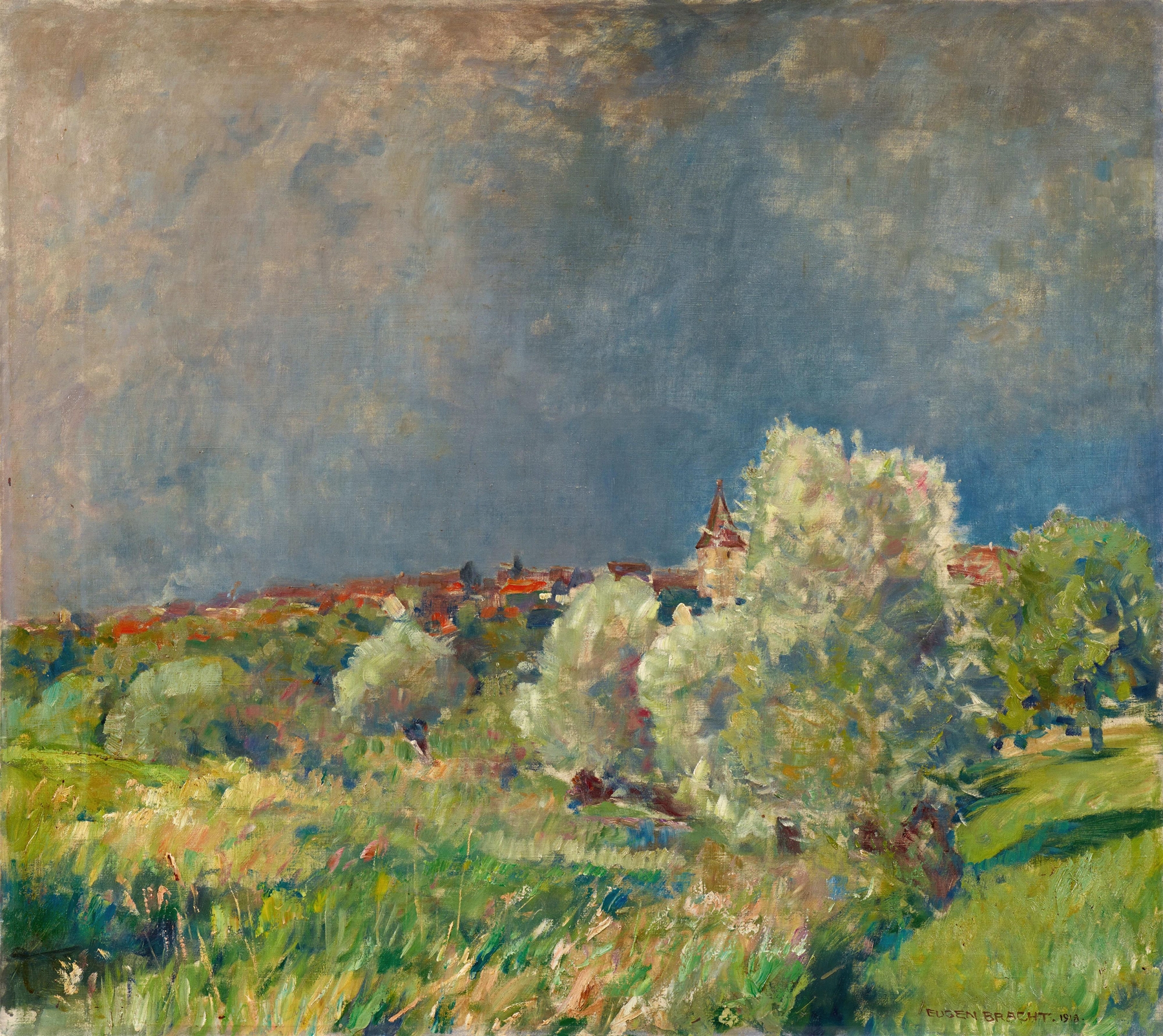
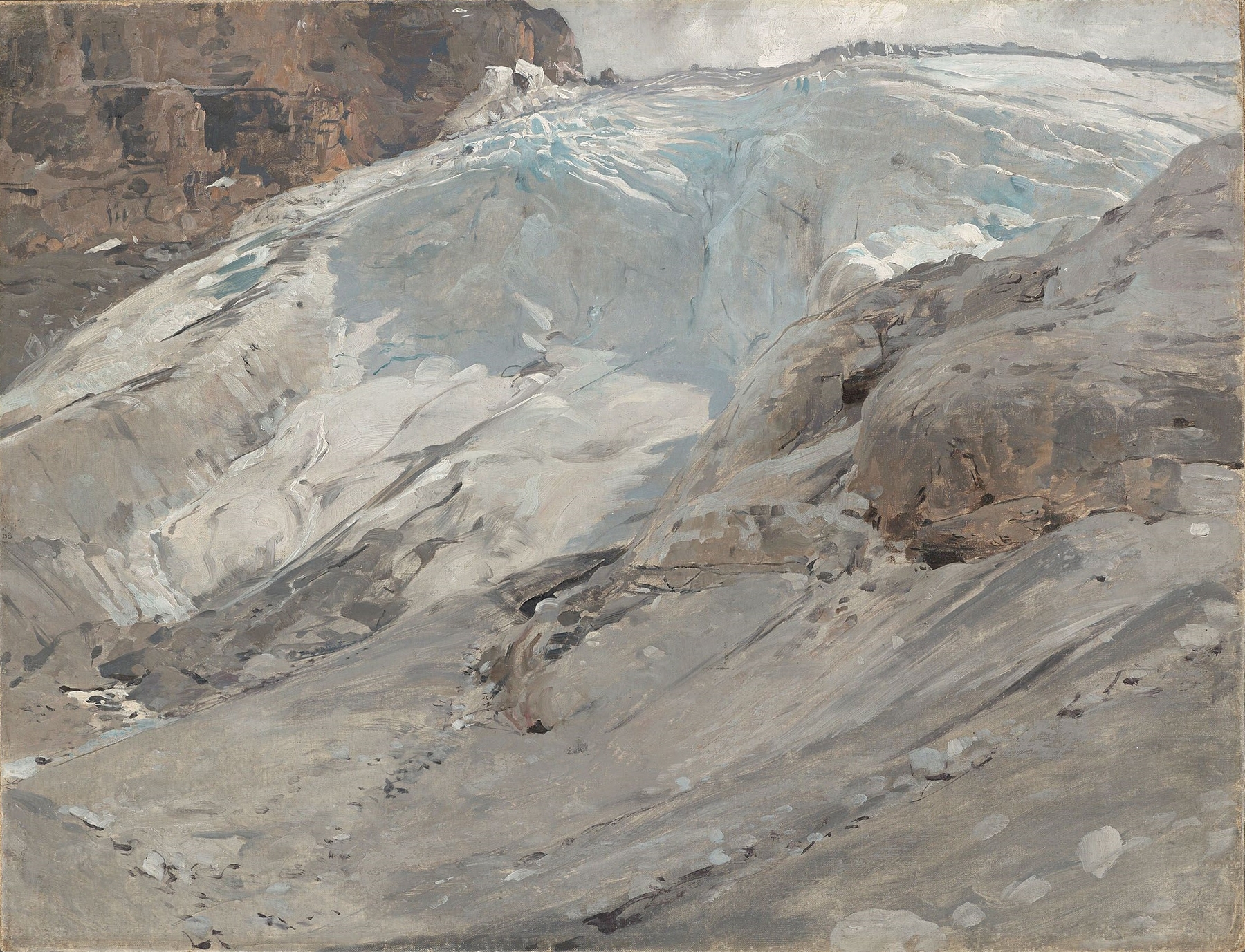
Can beauty exist without sorrow? In Küste auf Sylt, the haunting stillness of a coastal landscape evokes a profound silence that resonates with the viewer's soul. Look to the left at the gentle curve of the horizon, where the soft blues of sky and sea blend seamlessly. The muted tones of the land contrast with the vibrant colors of the ocean, creating a visual harmony that invites contemplation.
Notice how the light subtly bathes the beach in warmth, illuminating the delicate waves as they caress the shore. Each stroke of the brush reflects the artist’s careful attention to nature’s quiet moments, inviting us to pause and breathe in the serenity. Bracht masterfully juxtaposes tranquility with an underlying tension—an unspoken sense of longing. The distant figures, almost ephemeral in their detailed simplicity, hint at human presence but also solitude.
The way the water meets the sand speaks to the impermanence of moments, a reminder of how beauty often coexists with the ephemeral nature of life. Each element, from the pale clouds to the distant dunes, contributes to an emotional landscape that stirs introspection and reverie. Created during a time when Germany was experiencing shifts in artistic movements, the artist painted this piece in the late 19th century, a period ripe with naturalism and heightened sensitivity to the emotional depth of landscapes. Bracht, who often sought to capture the sublime beauty of nature, was not only inspired by the scenery of Sylt but also by a desire to evoke deeper feelings within his audience, reflecting the complexities of human experience in the face of nature's awe.