Paysage d’Essoyes — History & Analysis
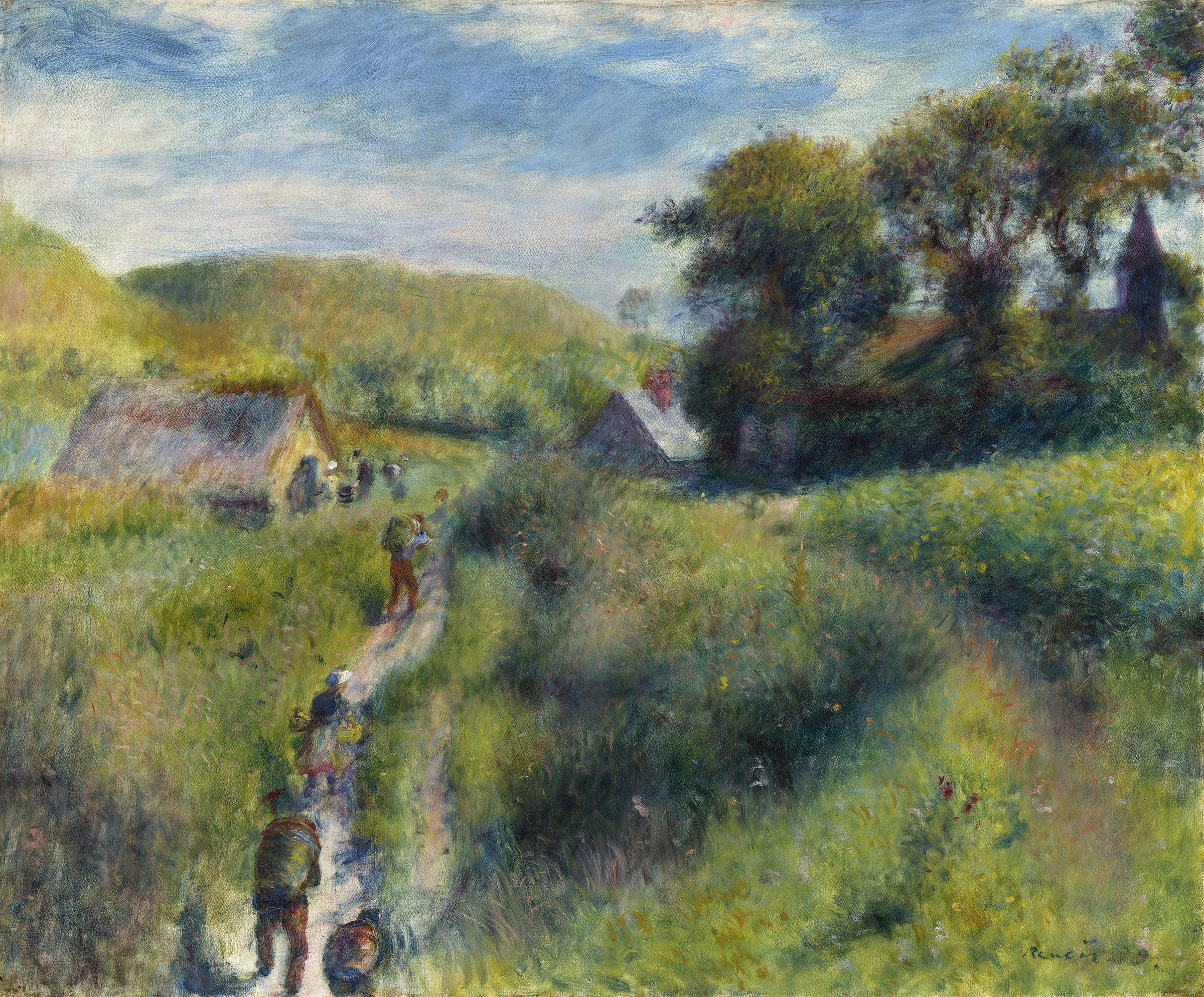
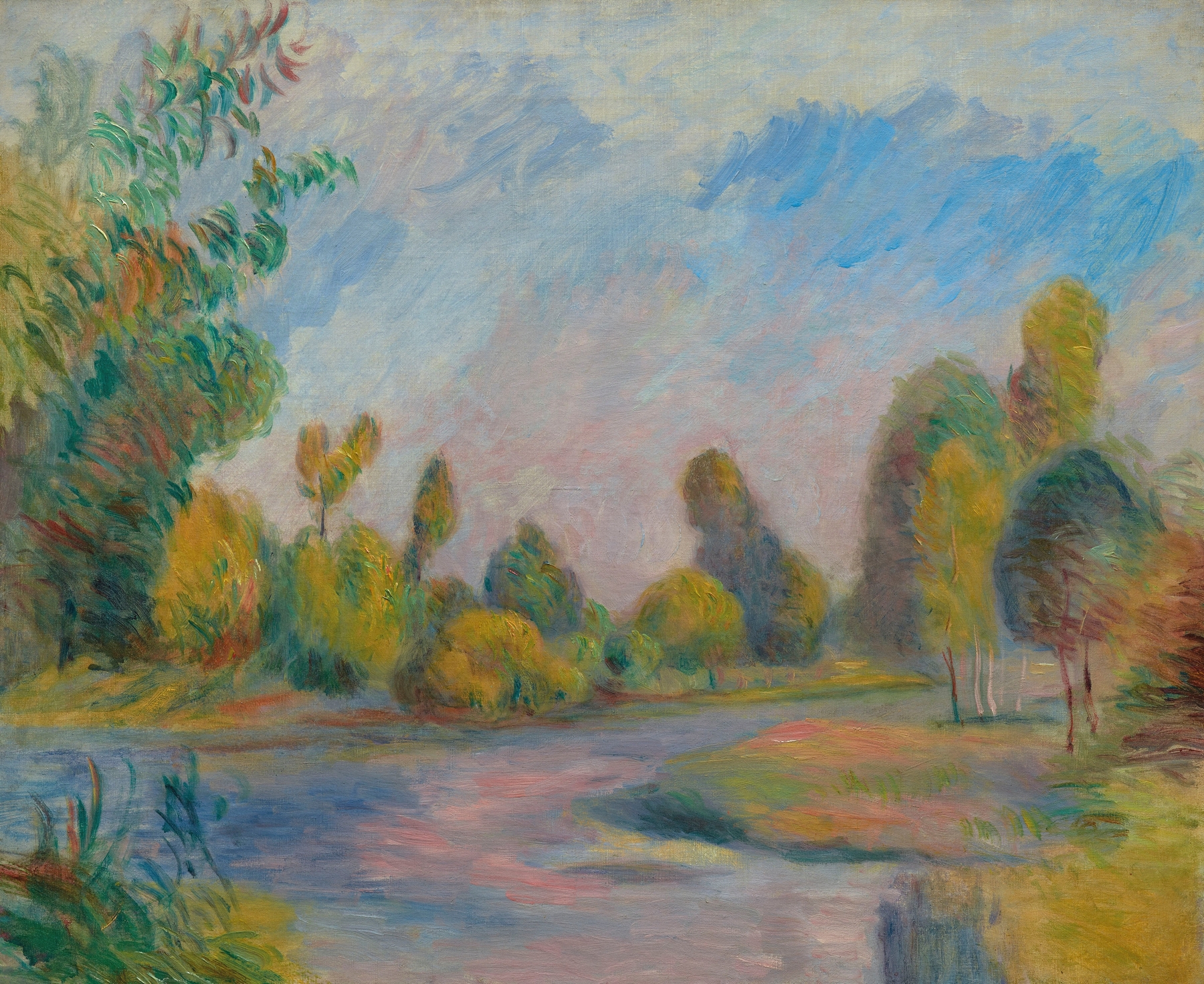
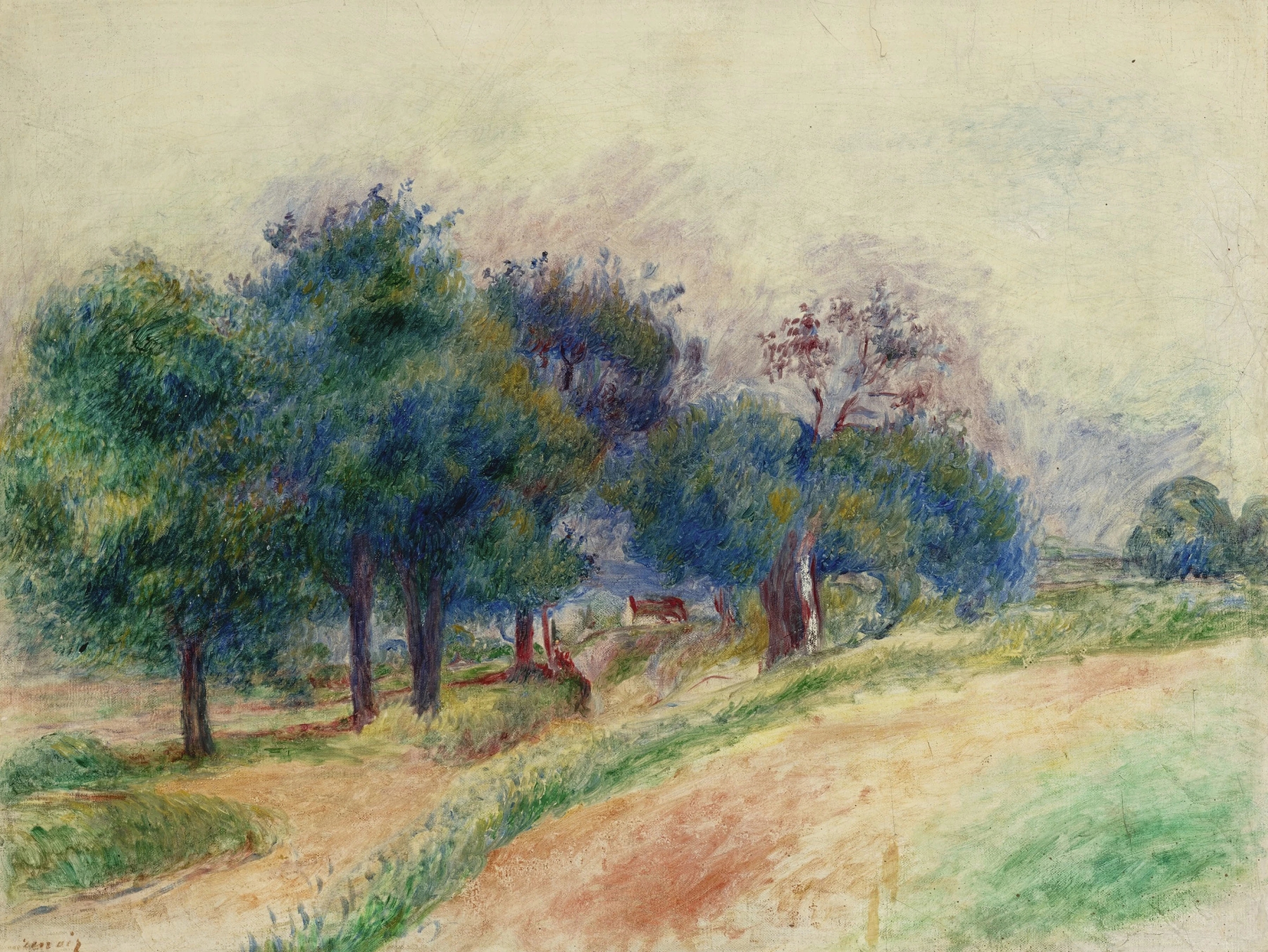
“Art reveals the soul when the world turns away.” In the gentle embrace of nature, a transcendent moment unfolds, where the ordinary transforms into something extraordinary, inviting us to linger just a little longer. Focus first on the soft greens and blues, vibrant yet soothing, as they flow across the canvas like a gentle breeze. The trees stand tall, their leaves dancing in the sunlight, while the meandering path leads viewers deeper into the tranquil landscape. Notice how light spills across the scene, casting dappled shadows that breathe life into the peaceful serenity of the moment, and how the brushstrokes convey a sense of movement and warmth, capturing both the essence of the place and the feeling of being present in it.
Beneath its serene surface, Paysage d’Essoyes evokes a world where the hustle of life fades, revealing a simpler truth. The interplay between light and shadow symbolizes the fleeting nature of joy and tranquility, urging viewers to reflect on the balance of solitude and connection with nature. Each stroke embodies the artist's search for beauty and harmony, blending reality with idealism, and inviting contemplation of a world that transcends time.
Renoir painted this piece in 1888 during a period of artistic experimentation, seeking to capture impressions rather than strict realism. At this juncture, he was deeply immersed in the Impressionist movement, championing the effects of light and color as he sought to convey emotion through landscapes. His life in Essoyes, a quaint village in France, served as both refuge and inspiration, as he found solace in the beauty of rural life amidst the broader challenges of the art world.