La jetée à Honfleur — History & Analysis
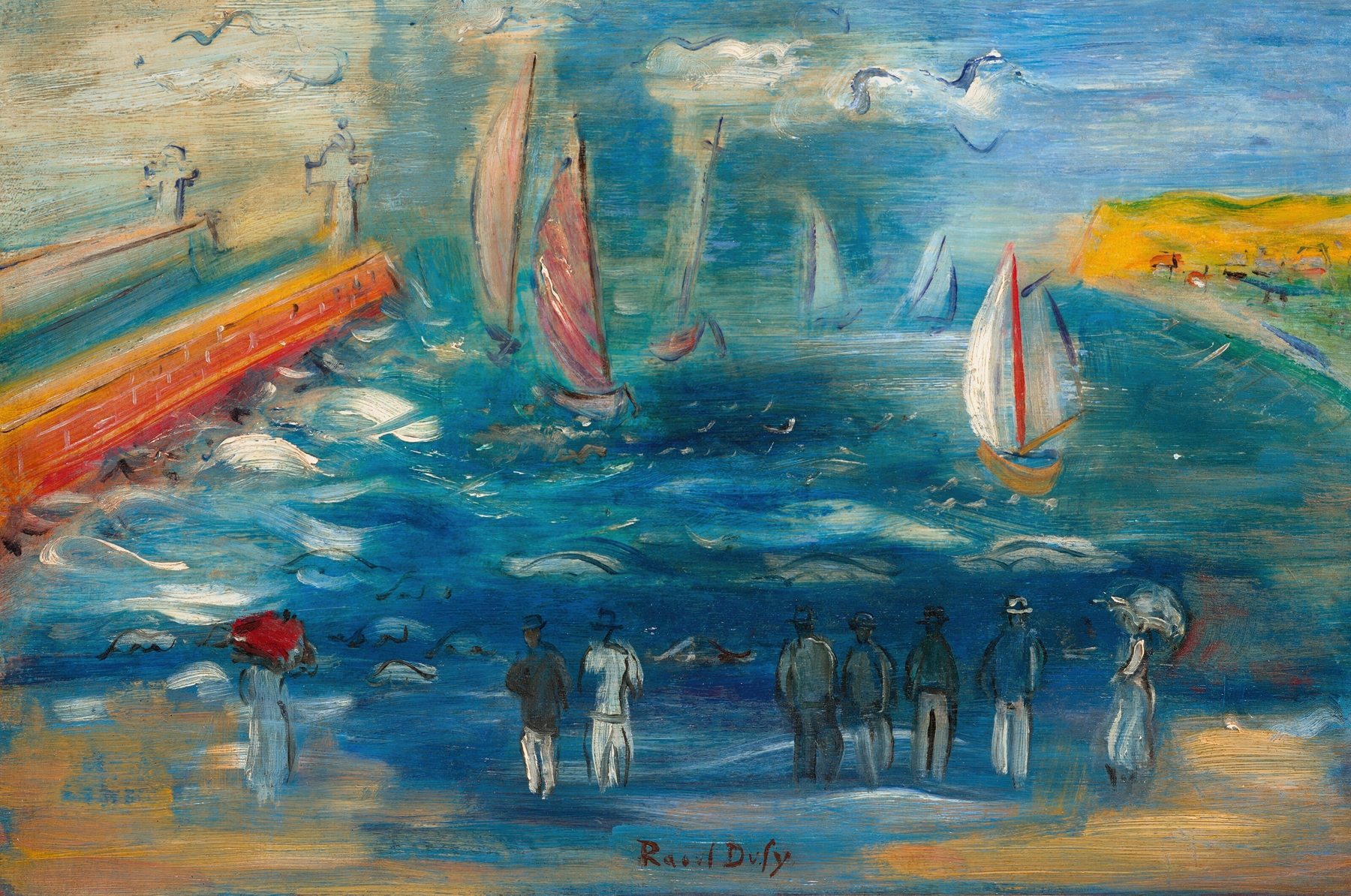
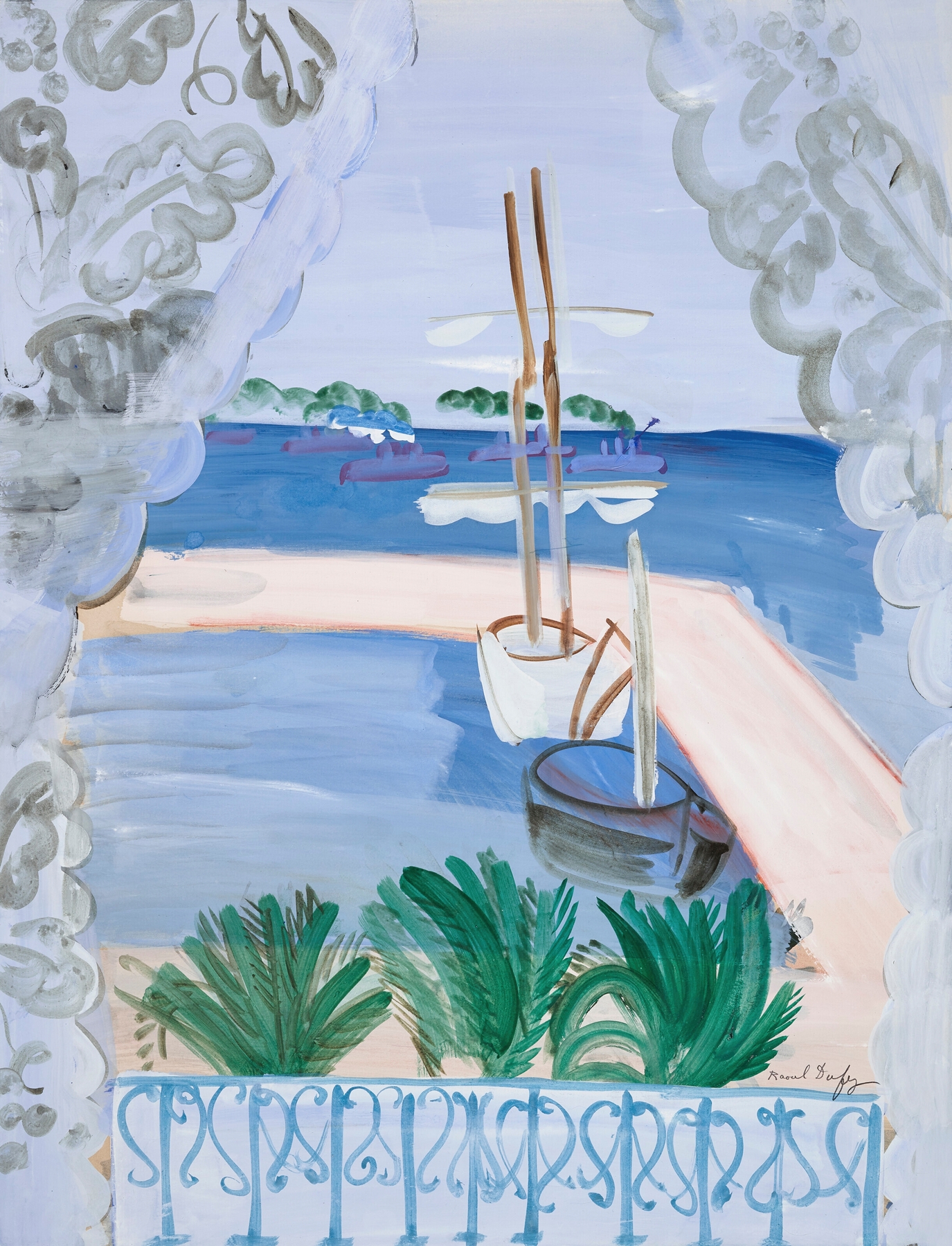
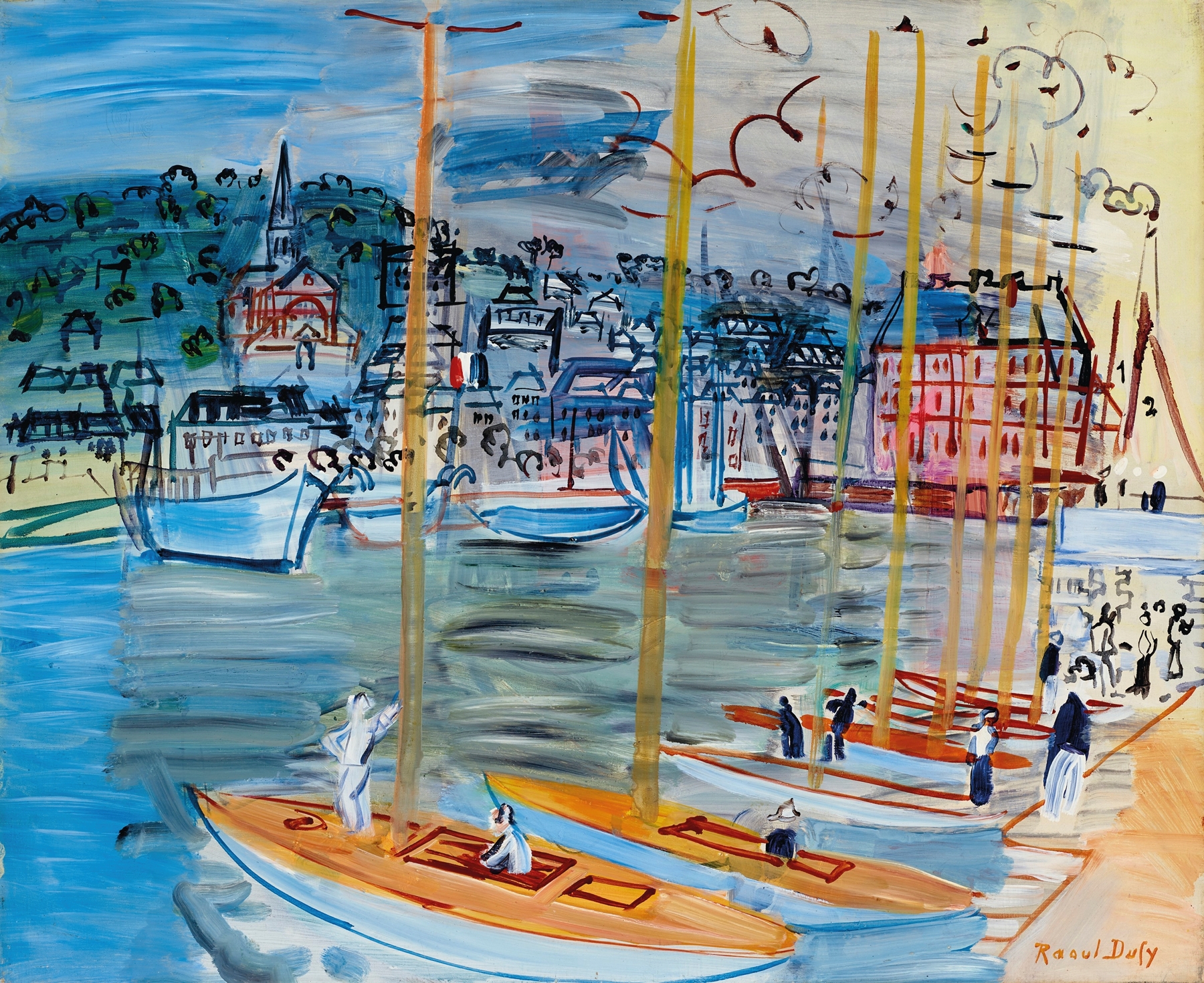
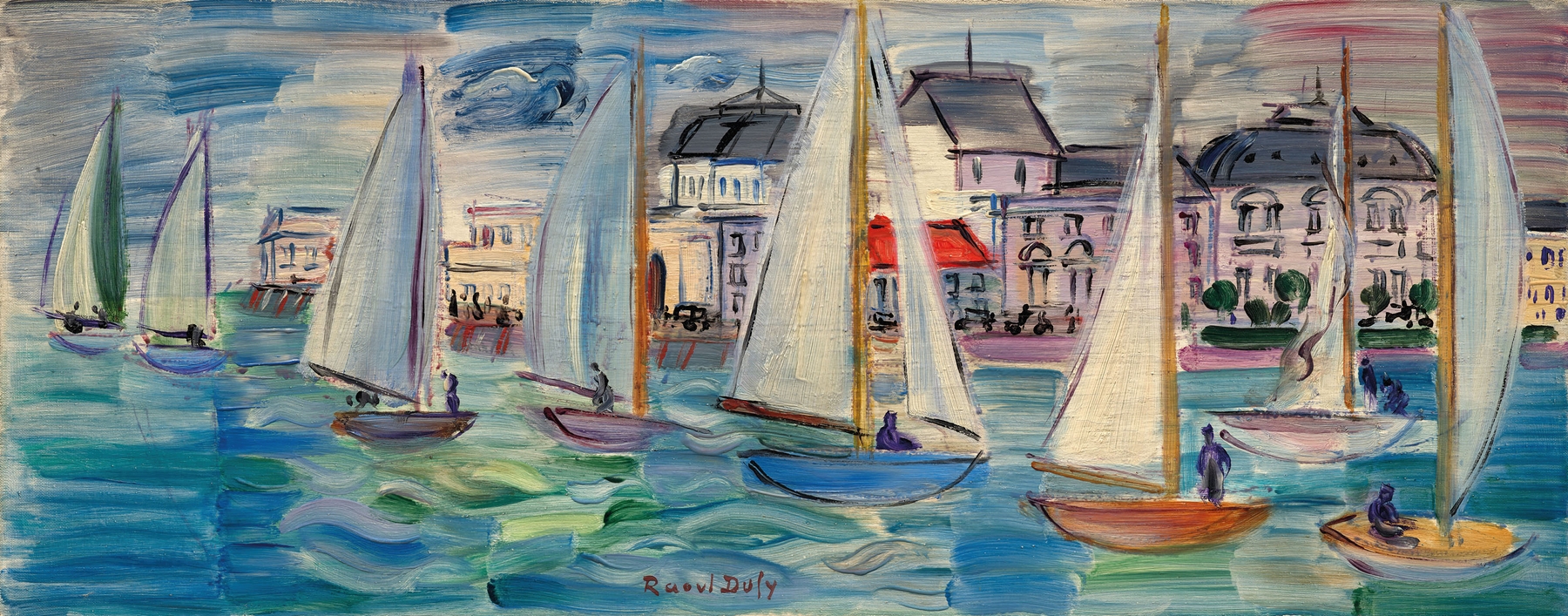
“Between color and silence, truth hides.” This statement resonates deeply within the layers of Dufy’s work, where shadows dance amidst vibrant hues, revealing the essence of a moment captured in time. Look to the bottom left, where the soft shadows of the jetty stretch outward, creating a stark contrast against the lively blues and greens of the sea. The brushstrokes pulse with energy, leading the eye towards the horizon, where boats sway gently, their sails billowing as if caught in a whispering breeze. Notice how light plays upon the water's surface, shimmering with bands of gold and azure, inviting you to lose yourself in the beauty of this coastal scene.
Amidst the vivid colors lies a subtle tension between the vibrancy of life and the stillness of shadow. The figures on the jetty are rendered in soft, muted tones, almost blending into the surroundings, suggesting a sense of transience—a fleeting moment. As the shadows elongate, they hint at the passage of time, where every detail becomes significant, reflecting the duality of existence: the joy of the present cradled by the inevitability of change.
Raoul Dufy created La jetée à Honfleur between 1928 and 1930, during a period marked by the rise of modernism in art and an exploration of color theory. Living in France, he was deeply influenced by Impressionism, yet sought to capture the vibrancy of life through his unique use of color and form. This work reflects both a personal connection to the seaside towns of Normandy and a broader artistic movement that celebrated the beauty of everyday moments.